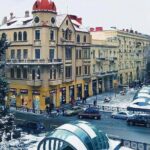
This trip strings together three very different sides of Azerbaijan, from the photo magnets of Baku’s Old City to the otherworldly burning gas at Absheron. What makes it interesting is the logic of the route: history close to town first, then UNESCO rock art outside the city, then fire temples and flames on the peninsula.
I especially like that you get a full bundle of essentials for the money: hotel + breakfast + a real guide + round-trip airport transfers. And I also like the pace of the big-ticket sights—mornings on the road, then enough time at each stop to actually understand what you’re looking at.
One possible drawback: this is a structured itinerary, so if you hate early starts or want lots of free time, day-to-day shopping and transfers (like the mall stop on day 4) can feel a bit planned.
In This Review
- Key highlights you’ll feel fast
- Baku Old City: Maiden Tower, Shirvanshahs Palace, and a Boulevard Walk
- Gobustan Rock Art and Mud Volcanoes: UNESCO on the Ground, Not in a Book
- Ateshgah Fire Temple and Yanardag: Sacred Fire Meets Burning Gas
- Why This Absheron Route Works (And When It Might Not)
- Price and Value: What $800 Covers (and What It Doesn’t)
- Guides, Group Feel, and the Pace You’ll Live With
- The Little Things: Tickets, Pickup, and Planning Smart
- Should You Book This Baku, Gobustan and Fire Absheron Trip?
- FAQ
- How long is the Baku, Gobustan and Fire Absheron trip?
- What are the main stops included in the itinerary?
- Is hotel and breakfast included?
- Are airport transfers included?
- Are entrance tickets included?
- Are lunch and dinner included?
Key highlights you’ll feel fast
- Old City foundations in one afternoon: Maiden Tower, Shirvanshahs palace, and the boulevard in a single clean loop
- Gobustan’s UNESCO rock art plus museum stops and walking around the rock-carving zones
- Ateshgah + Yanardag: a rare chance to connect the fire-temple idea to a natural gas phenomenon
- Morning departures: less wasted daylight, more time with each sight before crowds pile in
- Local-guide service: past groups have been led by guides like Javid and Fidan
- Value-heavy inclusions: hotel, breakfast (3), transfers, and admissions on days 1–3
Baku Old City: Maiden Tower, Shirvanshahs Palace, and a Boulevard Walk
Day 1 starts with the basics done right. You get picked up from the airport, check in, then the city opens up on foot. The Old City here isn’t just a set of pretty buildings—it’s a compact area where you can connect names to places quickly, especially with a guide steering the story.
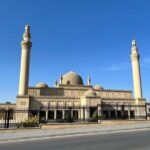
You’ll see the Old City itself, then Maiden Tower, one of Baku’s best-known landmarks. Next comes Shirvanshahs palace, where the focus is on what this part of the city was built to represent—power, administration, and a long lived urban identity. Even if you’re not a museum person, these stops help you get your bearings fast, because the Old City layout makes more sense once someone gives you the map in words.
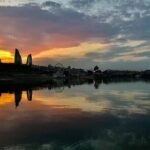
After the historic core, the tour shifts gears. You’ll also hit the Baku Boulevard and the Upmountain park area. This mix is smart. The Old City gives context. The boulevard and the park give you the feeling of place—sea air, city views, and the sense of Baku as a modern capital built on older layers.
What to watch: this day can involve a fair amount of walking on uneven surfaces. Wear shoes you don’t mind getting warm or dusty, and plan for sun exposure if you’re traveling in brighter months. Also, since admissions are included on day 1, you’ll want to arrive with your time hat on—meaning you’ll get more out of it by staying with the group rather than drifting off for quick photo breaks.
You can also read our reviews of more tours and experiences in Baku.


Gobustan Rock Art and Mud Volcanoes: UNESCO on the Ground, Not in a Book
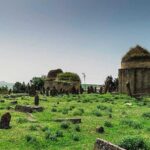
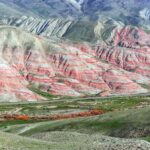
Day 2 is the one that feels most like a time machine. You’ll head out to Gobustan around late morning (10 or 11 am). The core experience is Gobustan Rock Art, supported by the Gobustan museum, then outdoors among the ancient petrogliefs and the landscape where people left traces long before the modern shoreline story.
You’ll typically spend about 4–5 hours enjoying Gobustan, though the day runs longer with the whole outing. The UNESCO connection matters because it changes how you read the carvings: you stop seeing them as random markings and start seeing them as part of a cultural system tied to place, water, movement, and survival. With a guide, you’ll get the context that turns a quick look into actual understanding.
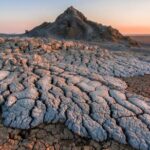
Then you add the oddball highlight: medical mud volcanoes. Even if you don’t plan on doing anything with the mud, just seeing these natural features in person feels unusual. It’s the kind of stop that gives your tour a memorable middle act—you’ll go from ancient art to a living geology lesson without it turning into two separate trips.
Two practical notes:
- Bring something for comfort—water and sun protection—because this is an outdoor day with open sky.
- Comfortable shoes matter more here than on day 1. You’ll want stable footing for walking near rock formations and uneven areas.
The timing is also a plus. Doing Gobustan early enough in the trip means your brain is still ready for big contrasts, and by the time you get back to Baku you’ll be ready for the next theme: fire.
Ateshgah Fire Temple and Yanardag: Sacred Fire Meets Burning Gas
Day 3 is the turning point to Absheron’s fire theme. You’ll start around 10 or 11 am and the itinerary keeps the day structured: first Heydar Aliyev center for about 2 hours, then out to the fire sites—Ateshgah and Yanardag.
The Heydar Aliyev center stop isn’t listed as an admission detail here, but it acts like a cultural palate cleanser. It helps you understand modern Azerbaijan’s identity before you go into a religious and natural spectacle from earlier eras. If you’re the type who likes connecting eras, this pacing works.
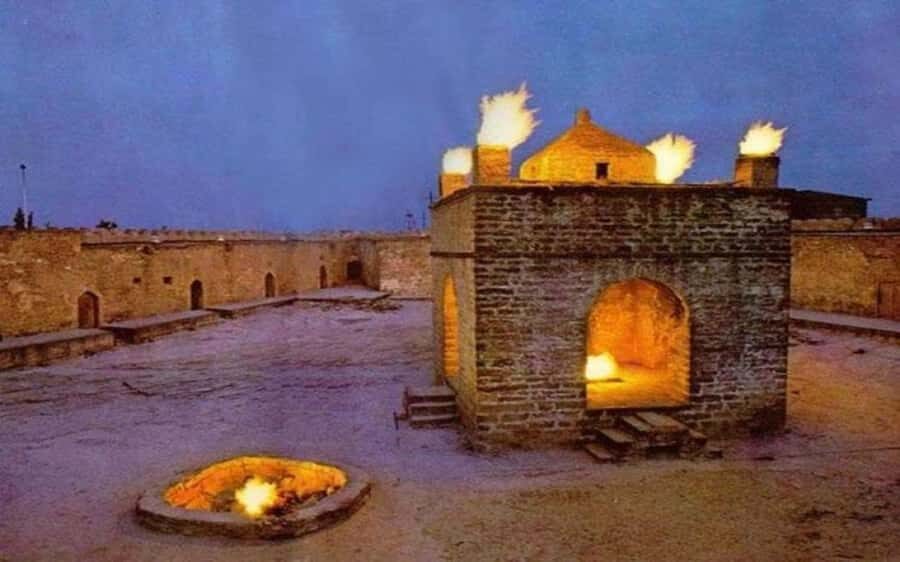
Then comes Ateshgah, and it’s unlike most “temple” visits. You’ll be at the Ateshgah Fire Temple, described as the temple of fire worshippers on the Absheron peninsula, about 30 km from the center of Baku near Surakhani village. The key is that the fire wasn’t created by candle supply. It’s tied to a natural phenomenon: burning natural gas outlets that ignite when underground gas meets oxygen.
That’s the part I’d want you to remember. Ateshgah is built in the present form in the 17th–18th centuries, but the location’s power comes from that natural gas behavior. The site was revered by multiple faith communities at different times, including Zoroastrians, Hindus, and Sikhs. That mix makes the story more human and less “one religion only,” and it gives you something practical to look for while you’re there—symbols, structures, and the way people adopted the same natural effect for their own meanings.
Next is Yanardag, which pairs perfectly with Ateshgah because it reinforces the idea that fire here isn’t just a concept. It’s physical, visible, and explained by the environment.
Possible drawback: because this is tied to natural phenomena, conditions can affect the experience. The itinerary is still set, but you should plan for a weather-sensitive day. If you arrive with a “just follow along” attitude and good outdoor patience, you’ll get more out of it.
And if you want a quick litmus test: this is the day you’ll either love instantly or feel like you need to slow down and pay attention to the explanation. Go in ready to listen—you won’t regret it.
Why This Absheron Route Works (And When It Might Not)
This trip’s shape is simple. You start with Old City Baku, you move outward to Gobustan, then you shift back toward the peninsula for the fire sites. It keeps you from doing too much back-and-forth across the wider region, and it helps the themes build in a natural order.
Here’s the story you get if you stay with the flow:
- Day 1 teaches you the urban backbone—towers, palaces, and the waterfront identity.
- Day 2 teaches you the deep-time layer—rock art and UNESCO heritage in a rugged setting.
- Day 3 teaches you the physical reason behind a legend-like attraction—fire from burning gas and a temple shaped by it.
Day 4 finishes with a more relaxed tone. You’ll go to shopping options like 28 Mall, Park Bulvar, Targovi street, or Ganjlik mall, then transfer to the airport. That’s a nice way to use your last hours without trying to squeeze in another long countryside excursion.
When might the route feel off?
- If you’re the kind of traveler who hates structured schedules, you may prefer more free roaming days.
- If you’re sensitive to travel time between sights, you’ll want to treat transfers as part of the experience rather than interruptions.
A good tour like this doesn’t eliminate movement—it makes movement useful.
Price and Value: What $800 Covers (and What It Doesn’t)
At $800 per person, the headline value isn’t the price itself—it’s what you’re getting for it. This trip includes:
- Hotel
- Breakfast (3)
- Excursions
- Travel guide
- Transfer from and to the airport
- A special souvenir from JinTravel
- Mobile ticket
That set matters in Azerbaijan, where transport and time can be the hidden costs of a DIY plan. The admissions are also included for days 1–3, which reduces the annoying add-on feeling. Day 4 is different: admissions aren’t included during the shopping-and-airport leg, which makes sense.
What you should budget separately: lunch and dinner aren’t included. If you’re used to packages that cover meals, make sure you plan your food spending early. You’ll still have breakfast, and the rest is on you.
One more value note from real-world feedback: some guests have specifically praised meal details on the trip. That said, since your info here only clearly confirms breakfast, I’d treat any extra meal praise as a bonus you might see on particular arrangements, not something to count on without checking.
Bottom line: if you want a guided, transport-managed route that bundles major costs (hotel, transfers, admissions on most days), this price can feel fair. If you’re the DIY type who wants to control every minute and every ticket, you may find it better to build your own plan.
Guides, Group Feel, and the Pace You’ll Live With
This is a private tour, meaning your group stays together. That changes the vibe. You’re not constantly stopping and starting for strangers, and you can usually ask direct questions. In past experiences with this provider, guides named Javid and Fidan have shown up in feedback, and both were described as doing their jobs well—friendly, competent, and able to guide the day.
One caution from feedback: not every guide experience landed the same way. One guest felt the guide seemed new. That doesn’t automatically mean a problem for your trip, but it’s worth keeping in mind. If you care a lot about storytelling style, ask what kind of guide you’ll have when you book, and be ready with one or two questions about your interests so you can steer the conversation.
As for timing, the pattern is clear:
- Mornings for the big sights (around 10 or 11 am on days 2–3)
- A day 1 block that runs long enough to cover Old City plus major viewpoint areas
- A day 4 that mixes shopping and airport transfer
This kind of schedule is built for efficiency. It’s also built for people who don’t want to waste their trip figuring out how to move between places.
The Little Things: Tickets, Pickup, and Planning Smart
Practical details matter on a 4-day program, and this one is designed to reduce friction:
- Pickup is offered, and you’re near public transportation
- You get mobile tickets
- Airport transfers are handled
Those are the kinds of things that keep you from losing half a day to logistics. It also helps if you arrive tired or if your first day involves check-in plus sightseeing without much downtime.
Pack the basics like you would for a city-and-outskirts blend:
- Comfortable shoes
- Sun protection
- A light layer if evenings feel cooler
- Patience for walking days
And since this itinerary depends on outdoor elements and natural sites, weather matters. If conditions are poor, you might see adjustments on the day-to-day plan. Building buffer into your mental schedule is the smart move.
Should You Book This Baku, Gobustan and Fire Absheron Trip?
I’d book it if you want:
- A guided hit of Baku’s Old City, Gobustan’s UNESCO rock art, and the fire sights around Absheron in one trip
- Clear inclusions that reduce planning stress—hotel, breakfast, guide, admissions (days 1–3), and airport transfers
- A route that makes thematic sense instead of random hopping
I might skip it if you:
- Want lots of free time to roam on your own without structure
- Prefer a food-heavy package where lunch and dinner are always included
- Dislike mornings or walking-heavy sightseeing blocks
If your goal is to understand Azerbaijan from three angles—city, ancient land, and fire—this itinerary is well matched to that aim.
FAQ
How long is the Baku, Gobustan and Fire Absheron trip?
It’s about 4 days.
What are the main stops included in the itinerary?
You’ll visit Baku Old City (including Maiden Tower and Shirvanshahs palace), Gobustan (museum, rock art/petrogliefs, and mud volcanoes), and Absheron fire sites (including Ateshgah and Yanardag). You’ll also have time at the Heydar Aliyev center, plus a shopping stop on day 4.
Is hotel and breakfast included?
Yes. The tour includes hotel and breakfast for 3 days.
Are airport transfers included?
Yes. Transfer from and to the airport is included.
Are entrance tickets included?
Yes for days 1–3 (Old City, Gobustan, and the fire temple day). For day 4, admission tickets are listed as not included.
Are lunch and dinner included?
No. Lunch and dinner are not included.