REVIEW · BAKU
Gobustan and Absheron tour (All inclusive)
Book on Viator →Operated by ATI · Bookable on Viator
Mud volcanoes and fire on one Baku day. This all-inclusive day trip strings together Gobustan National Park and Absheron Peninsula highlights, with round-trip transfer and an English/Russian guide. Two things I like right away: the plan is built to hit several major sites in one go, and lunch plus admission tickets are bundled so you are not hunting for add-ons later.
The main thing to consider is that the day is tight. The drive is long (about 70 km south to the desert area, then back), and some timing can feel fast, especially around the rock-art portion and the lunch stop. If you want a slow, deep museum-style visit, you may feel rushed.
Because it runs with a small group (maximum 17 people) and includes an AC vehicle, it also works well if you want the sights without the stress of organizing transport yourself. Expect a full, packed day that mixes big natural sights with culturally important stops along Absheron.
In This Review
- Key things to know before you go
- Why Gobustan and Absheron click in a single full day
- Getting out of Baku: the 70 km drive and a packed schedule
- Mud Volcanoes in Gobustan: blue clay, craters, and off-road excitement
- Gobustan Rock Art: museum setup then petroglyphs on the rocks
- Bibi-Heybat Mosque and lunch in Narimanov: where the day regroups
- Ateshgah Fire Temple: fire-worship heritage at Surakhany
- Yanardag Burning Mountain: the final flame and an Absheron panorama
- Price and value: $85 all-in sounds fair because tickets and lunch are covered
- Who this tour suits best (and who should look elsewhere)
- Should you book the Gobustan and Absheron tour from Baku?
- FAQ
- How long is the Gobustan and Absheron tour from Baku?
- What is the tour price per person?
- Is lunch included in the tour price?
- Are entry tickets included?
- How big is the group?
- Is hotel pickup and drop-off included?
- Where is the meeting point?
- Do you get a ticket on your phone?
- Is free cancellation available?
Key things to know before you go
- All-in-one ticketing and lunch so the bill stays predictable
- Small group size (up to 17) for a calmer day than big-bus tours
- Mud volcanoes with an off-road feel that turns geology into an experience
- Gobustan rock art plus a museum intro to help you read the petroglyphs
- Ateshgah Fire Temple and Yanardag for the famous flame traditions of Absheron
- Guide support in English and Russian, with names like Sayid, Zeyneb, Vusala, and Nazir showing up in past tours
Why Gobustan and Absheron click in a single full day
Gobustan and Absheron are different worlds, but they connect through Azerbaijan’s geology and old-world stories. In Gobustan you get the raw forces of the earth, while Absheron leans into beliefs, history, and the famous idea of fire coming from the ground.
I like how this tour builds that contrast without making you choose. If you only have a day in Baku, this is one of the more efficient ways to see both sides: desert geology first, then the flame sites closer to the peninsula.
You can also read our reviews of more tours and experiences in Baku.

Getting out of Baku: the 70 km drive and a packed schedule
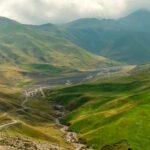
The day starts with pick-up at 1 Azərbaycan Prospekti in Baku, then you head roughly 70 km south toward the Gobustan desert area. Transfers are part of the package, and you stay in an air-conditioned vehicle, which matters on long drives.
On paper, it runs about 8 to 9 hours, but you should plan for something closer to 9 or 10 hours in real life. That means you’ll want to treat this as a day trip, not a relaxed half-day.
A practical tip: if you are sensitive to pacing, decide up front what you care about most. This is a tour that moves from one stop to the next, so your best strategy is to let the itinerary work for you, not against you.
Mud Volcanoes in Gobustan: blue clay, craters, and off-road excitement
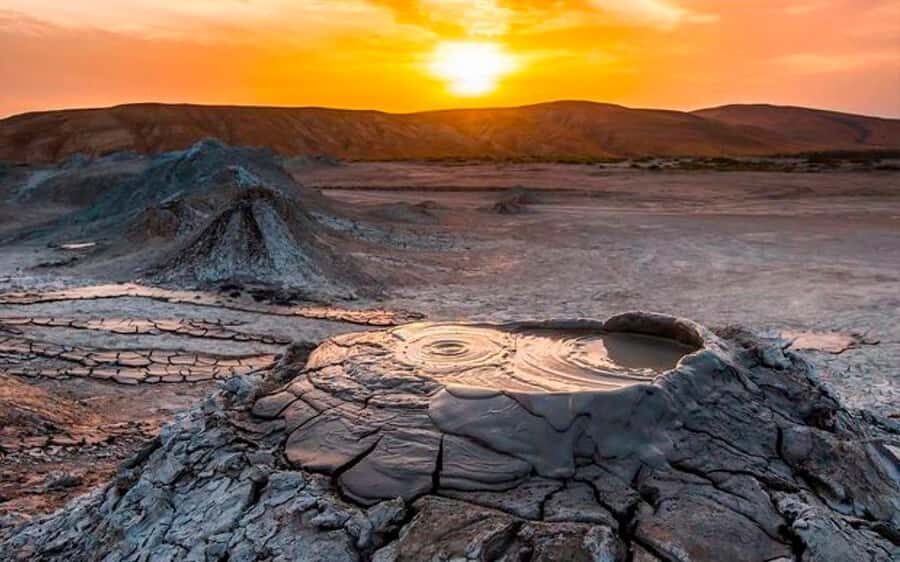
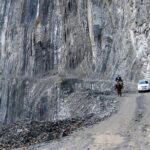
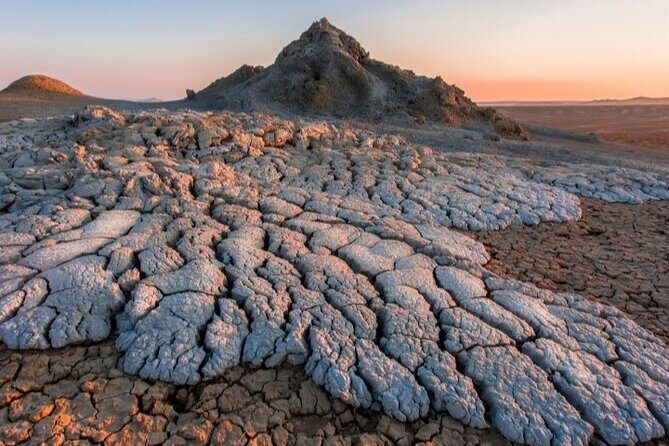
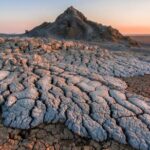
The mud volcanoes are the big natural opener. The region’s geology creates lots of these mud eruptions, and the approach includes a dirt road where the area feels like an off-road escape from the city.
You’ll learn the local folklore too. Stories mention djinn living in these places, and the mud is described as blue clay that forms a moon-like setting. For photos, the contrast is strong, and for first-time visitors, it’s usually the part that feels the most otherworldly.
One thing to watch for: the time you spend right at the craters can vary. Some people felt they stayed too close to the museum portion rather than getting more distance around the volcanoes, so if mud volcano time is your top priority, confirm that you’ll have enough minutes on-site.
Gobustan Rock Art: museum setup then petroglyphs on the rocks
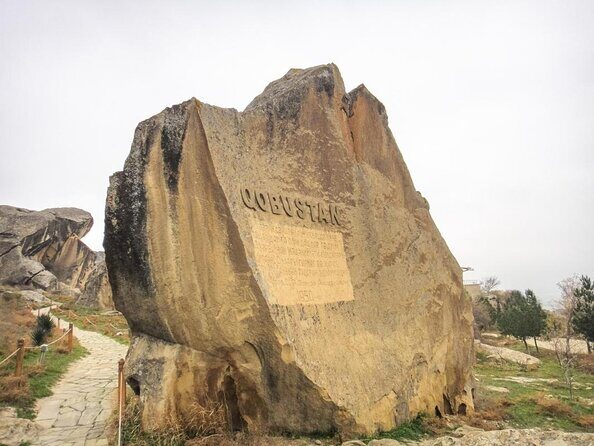
Gobustan National Reserve includes both an intro museum and the rock-art area, and that pairing is useful. The museum sets the stage with a modern exposition about prehistoric life and what life was like for early humans in the area.
Then you move to the rock art itself. You follow a trail among large rocks, looking at petroglyphs with the guide’s explanations while you’re near the Caspian Sea coast. This is where the science-meets-story approach works well: you go from context to the actual drawings and carvings.
For me, the most valuable part of this stop is how it helps you interpret what you’re seeing. Without the museum primer, the rock art can feel like random carvings. With it, you start noticing themes and details more confidently.
Still, keep your expectations realistic. This is not a slow walking tour. If your guide is talkative and your group keeps moving, it feels great; if the day runs behind or the group is large, the rock-art portion can feel rushed.
Bibi-Heybat Mosque and lunch in Narimanov: where the day regroups
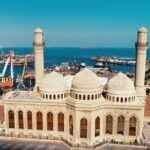
On the return leg, the route includes a stop for Bibi-Heybat Mosque, built in the 13th century. The exterior is the obvious draw, but what you may notice most is the view: you can see the Caspian Sea and cranes at the nearby cargo port.
After that, the tour takes you to the Narimanov area for lunch in a central park setting. The lunch is part of the all-inclusive package and is listed as a three-course meal with specific items: two qutabs (one with greenery filling, one with meat), assorted kebab (chicken, lamb, lula-kebab), pilaf, choban salad, and a drink option (ayran or coke), plus tea.
Food reviews in your group’s experience can swing, and that’s worth knowing. Some people have called the lunch tasty and well-portioned, while others found it disappointing or managed too quickly. If you’re picky, eat a light breakfast and treat lunch as part of the included value, not a restaurant you booked on purpose.
Also, this is a good moment to use the restroom and reset your energy. The day keeps moving after lunch toward Absheron, so don’t skip the quick breather.
Ateshgah Fire Temple: fire-worship heritage at Surakhany
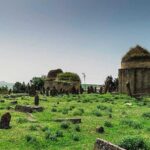
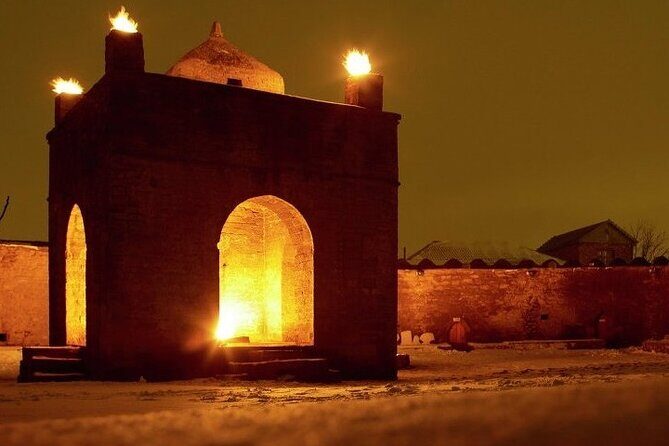
Absheron’s main story turn is Ateshgah, the Fire Temple in Surakhany village. The premise is simple and memorable: in the first century BC, different groups heard that flames burst from the ground here, and the temple was built where those natural fires were strongest.
The tour also connects the site to the Great Silk Road. Because merchants and travelers passed through the region, the temple area is tied to a broader trading world, including the idea of a caravanserai. That gives the stop more depth than just religious architecture.
You’ll hear about the beliefs behind the fire cults, including references to Hindu Brahmanites and Persian Zoroastrians. What you’re looking at is also supported by installations around the narrative, which help explain how people lived, traveled, and worshiped in the same space.
Time on this stop is usually around an hour and a half (as listed), so it’s enough to see what’s there and absorb the story without turning it into an all-day museum.
Yanardag Burning Mountain: the final flame and an Absheron panorama
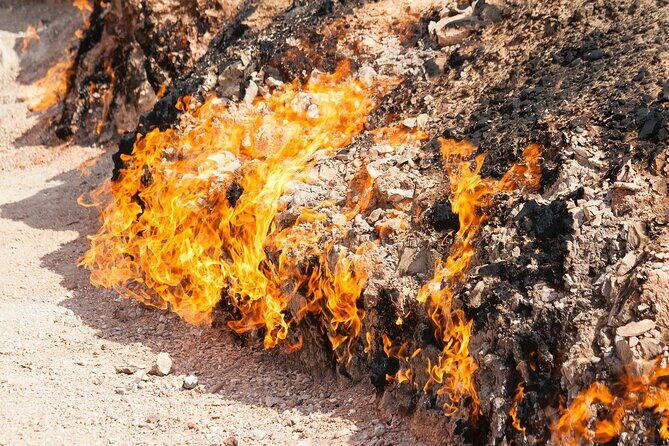
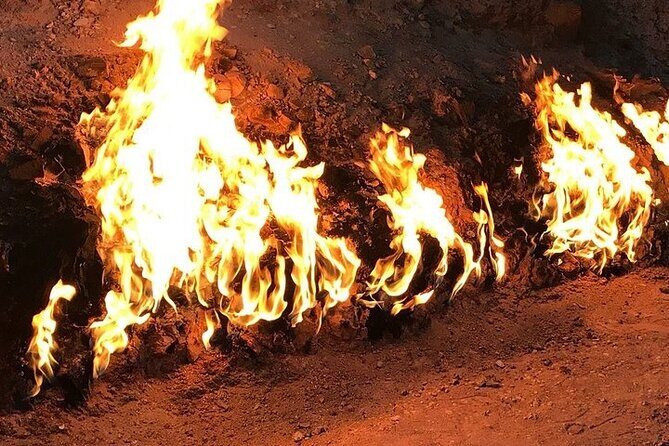
Yanardag (Burning Mountain) is the last major scene. The idea here is that only one burning place has survived to modern times, with an unquenched flame coming from the ground for centuries.
When you get to the top, you get two rewards. First, you see the flames firsthand. Second, you use the observation deck to see about a third of the Absheron Peninsula from above, which is the kind of payoff that makes the long day feel worth it.
This stop tends to land well because it’s both visual and story-driven. You’re not just seeing a building; you’re seeing the phenomenon that gave the whole region its reputation.
Plan for wind and sun up top. The view is good, but you’ll want to dress for weather because you’ll be standing outside for part of the time.
Price and value: $85 all-in sounds fair because tickets and lunch are covered
At $85 per person, the main reason this tour can feel like good value is the package deal. You’re not paying separately for the major admissions listed: the Mud Volcanoes Complex, the open-air museum, the Fire Temple, Yanardag, and the Natural History Exhibition.
Lunch is included too, with a clear menu rather than a vague lunch credit. That matters in practice, because one of the biggest annoyances on day tours is reaching lunch and realizing it’s an extra cost or a limited meal.
Where value can wobble is pacing and execution. When the guide is strong and the group stays on time, you get a full day that actually feels efficient. When the schedule slips or the guide communication is thin, the same itinerary can feel underwhelming—especially if you wanted more time at the mud volcano craters.
If you want the best chance of a great day, prioritize the tour for the itinerary’s structure and the included tickets, but be mentally prepared that guides and timing can vary day to day. People have mentioned guides like Sayid, Zeyneb, Vusala, Nazperi, Fidah, and Nazir, and the most consistent theme is that the guide’s energy can make the information click.
Who this tour suits best (and who should look elsewhere)
This is a strong match if you:
- want a first-timer friendly route that covers Gobustan and Absheron highlights in one day
- care about petroglyphs, flame stories, and mud volcano scenery more than slow museum time
- prefer bundled value with transfers, lunch, and admissions included
- like small-group travel (max 17) rather than a huge bus
It may be a weaker match if you:
- want lots of time at the mud volcanoes specifically
- hate fast pacing and multiple quick transfers
- are very sensitive to lunch quality and speed of service
If you’re torn, decide what you want most: a tight highlights day or a slower, deeper exploration of one theme.
Should you book the Gobustan and Absheron tour from Baku?
I’d book this tour if you want the best chance of seeing Gobustan mud volcanoes, rock art, and the Absheron flame sites without extra ticket shopping. The all-inclusive setup (transfer, entry fees, and lunch) helps keep the day predictable, and the combination of sites is hard to beat for a single full day.
Skip it or plan carefully if you need lots of time at one location. The itinerary is built for variety, not extended stays. If you do book, go in expecting a full schedule, comfortable shoes for outdoor ground, and a day where the guide and timing are part of the experience.
If your goal is to make the most of limited time in Baku, this is a solid way to do it.
FAQ
How long is the Gobustan and Absheron tour from Baku?
The tour is listed as about 8 to 9 hours, with a full day schedule from morning to evening.
What is the tour price per person?
It costs $85.00 per person.
Is lunch included in the tour price?
Yes. Lunch is included and includes two qutabs, kebab, pilaf, choban salad, ayran or coke, and tea.
Are entry tickets included?
Yes. Tickets included cover Mud Volcanoes Complex, the open-air museum, Fire Temple, Yanardag, and the Natural History Exhibition.
How big is the group?
This tour has a maximum of 17 travelers.
Is hotel pickup and drop-off included?
Yes. The tour includes round-trip transfer from your hotel, and it returns to the meeting point at the end.
Where is the meeting point?
The start point is 1 Azərbaycan Prospekti, Bakı 1005, Azerbaijan.
Do you get a ticket on your phone?
Yes. It includes a mobile ticket.
Is free cancellation available?
Yes. Free cancellation is available up to 24 hours in advance for a full refund.