REVIEW · BAKU
Gobustan Magic of Mud Volcanoes and Ancient Petroglyphs
Book on Viator →Operated by Tour guide Baku · Bookable on Viator
Ancient drawings meet bubbling mud in Gobustan. I love seeing the Gobustan petroglyphs at Gobustan Reserve, including the Roman-era autograph left by Livus Maximus of the XII Lightning Legion and short Arabic phrases like came, prayed, left.
I also like how Jabrail keeps the day moving with a warm, story-first approach, plus the comfort of an air-conditioned vehicle and bottled water. One catch: the Mud Volcanoes ticket itself isn’t included, so budget a little extra for that stop.
In This Review
- Key highlights to look for
- A 5-hour Gobustan day trip that mixes eras (and feels efficient)
- Stop 1: Gobustan Rock Art and the Roman “autograph” on Boyuk-Dash
- The tour rhythm: how you go from rock art to geology without losing momentum
- Stop 2: Mud Volcanoes—what they look like, and why the short visit works
- Stop 3: Bibi-Heybat Mosque—the quick stop that still matters
- Stop 4: The World’s First Oil Well—1846 and the oil pumps you recognize from the story
- Price and value: what $65.55 buys you (and what to plan for)
- Who should book this (and who might want a different pace)
- A note on the guide experience: Jabrail’s style and the tone of the day
- Should you book Gobustan Magic of Mud Volcanoes and Ancient Petroglyphs?
- FAQ
- FAQ
- How long is the Gobustan Magic tour?
- What time does the tour start?
- Where do we meet for the tour?
- Is pickup included?
- Is this a private tour?
- What tickets are included?
- Are Mud Volcanoes tickets included?
- Is lunch included?
- Do I get a mobile ticket?
- Can I get a full refund if I cancel?
Key highlights to look for
- Roman centurion markings at Boyuk-Dash you can’t find in most city tours
- Rock art scenes of daily life and ritual from hunting and fishing to tribe-wide dances
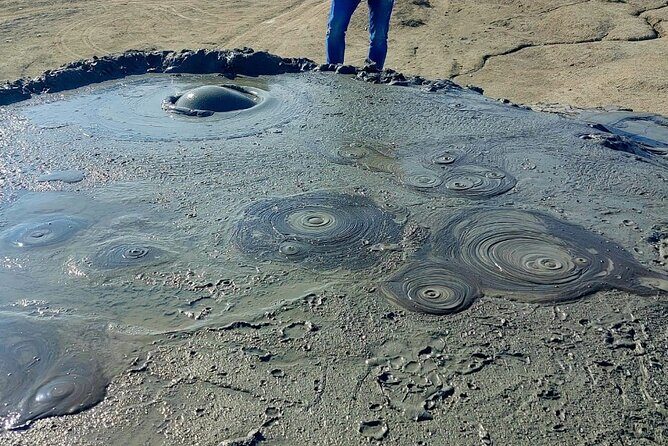
- Mud volcano cones you can sometimes see smoking from afar
- A quick visit to Bibi-Heybat Mosque for a taste of Islamic architecture
- The 1846 oil-well story and the pumps tied to Azerbaijan’s oil legend
A 5-hour Gobustan day trip that mixes eras (and feels efficient)
This isn’t a long slog outside the city. It’s a tight, well-paced outing—about 5 hours—built around four stops that each tell a different story: deep-time rock art, active geology, Islamic architecture, and the oil age. If your time in Baku is limited, that mix is a smart use of your morning.
You start at Nizami Gardens in Sabayil, Baku 1005, and the tour ends back at the same meeting point. The departure is 9:00 am, and pickup is offered, which matters here because you’re going out to Gobustan and back without having to coordinate public transport.
The format is private, meaning it’s only your group. That helps a lot at sites where questions come up fast—like when you hear about Roman inscriptions next to local rock art. And yes, you’ll get a mobile ticket and bottled water, plus an air-conditioned vehicle to keep the travel part from draining your energy.
You can also read our reviews of more tours and experiences in Baku.
Stop 1: Gobustan Rock Art and the Roman “autograph” on Boyuk-Dash
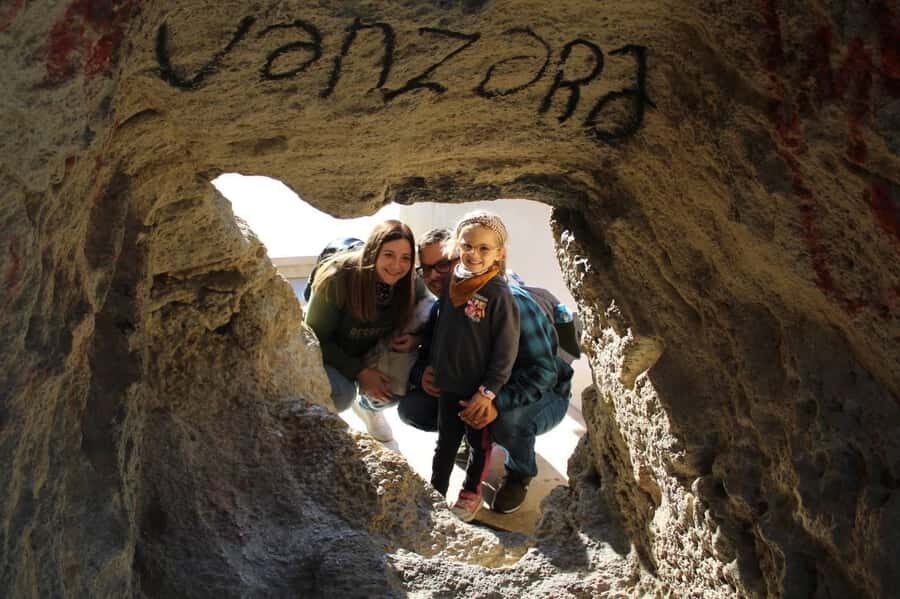
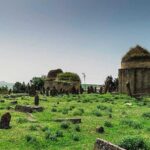
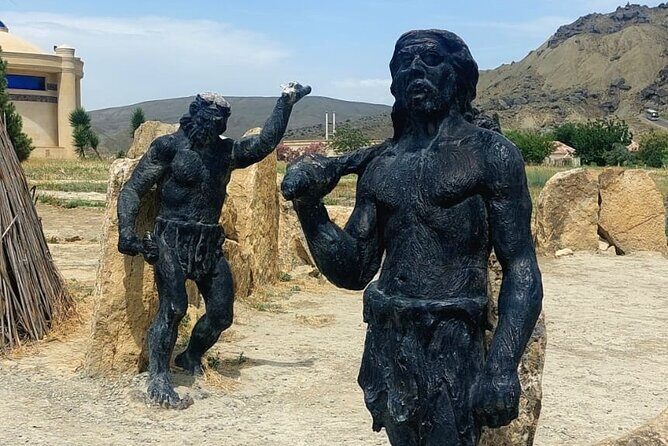
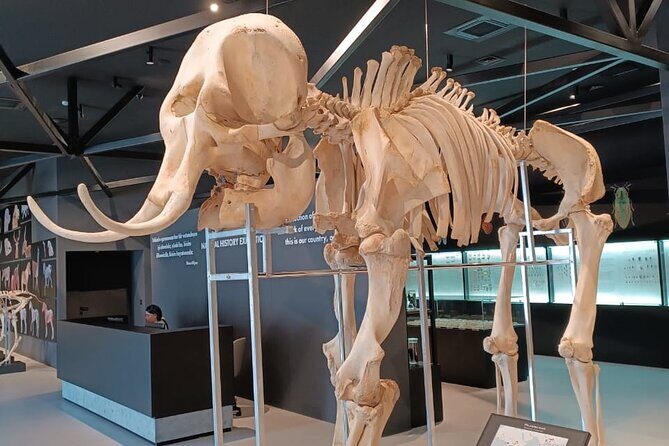
Gobustan Reserve is the heart of this day, and it starts strong: you get around 2 hours for the rock art and related museum time (museum tickets are included). This is the kind of place where you stop expecting one type of attraction. You get layers.
The rock paintings—petroglyphs and their surrounding stories—cover thousands of years. You’ll see scenes tied to survival and community life: hunting, fishing, rituals, and dances where almost the entire tribe participates. The point isn’t just that it’s old; it’s that it reads like human behavior repeated across time.
Then the guide brings in details that make the site feel oddly close to the present. You’ll learn about Gavaldash, a stone said to be more than ten thousand years old, and how it fits into the broader Gobustan story.
One of the most striking specifics is the Roman connection. At the foot of Mount Boyuk-Dash, there’s an inscription tied to a centurion named Livus Maximus of the XII Lightning Legion (dated to the 1st century AD). This is described as the easternmost of the Roman inscriptions. You’ll also hear the short Arabic sayings recorded there—came, prayed, left—and you may even spot images of men in turbans.
I like this stop because Jabrail doesn’t treat the petroglyphs like static “ancient art.” He frames them as messages—people marking presence, belief, and identity in stone. If you enjoy history that feels physical, not just dates on a wall, this part delivers.
One practical note: the walking here is more about time spent looking than about long hikes. You’ll get more out of it if you’re ready to slow down for details and ask questions while you’re there.
The tour rhythm: how you go from rock art to geology without losing momentum
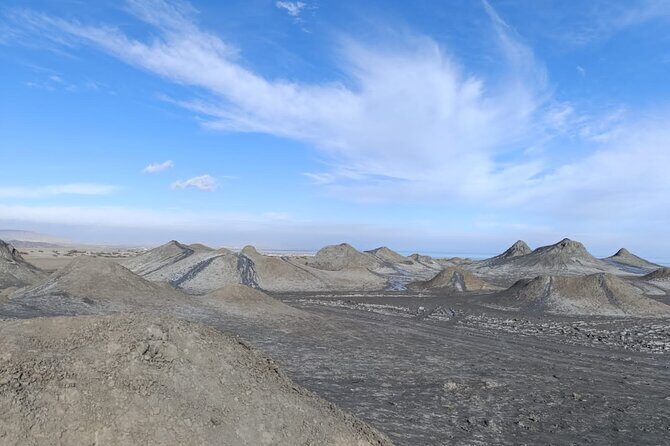
Between the reserve and the mud volcanoes, you’re not just traveling—you’re getting set up for the next visual. The route passes through an area where the mud volcano cones can be spotted from afar. Sometimes you can even see smoke or bubbling clay in the distance.
This “on-the-way” awareness matters. It changes how you see the final stop: you arrive already primed to recognize what you’re looking at. Instead of waiting for a guide to point everything out, you’re catching it yourself at the edges.
The vehicle ride stays comfortable. You’re in an air-conditioned car, and bottled water is included, which helps because the day is still warm in summer months even when the morning starts cool.
Stop 2: Mud Volcanoes—what they look like, and why the short visit works
You’ll get about 1 hour at the mud volcanoes. Admission for this stop is not included, but the “getting there” component is handled: the tour includes the off-road car payment to reach the volcano area.
Mud volcanoes sound like a joke until you see them. These are small volcanic cones tied to the region’s natural activity. The key detail you’ll want to keep in mind is how visible the process can be: from farther away you might notice cones, smoke, or the sense of motion in the ground as clay bubbles.
The time here is intentionally limited. That’s not a flaw—it’s a smart tradeoff when paired with strong visits elsewhere. You get enough time for the main viewing moments without letting the day drag.
If you’re the type of person who likes hands-on science (even if you’re not a scientist), this stop gives you a real-world example of how the earth can create surfaces that look strange and even dramatic. Just remember: this is still an outdoor site, so dress and shoes should be practical for uneven ground and changing conditions.
Stop 3: Bibi-Heybat Mosque—the quick stop that still matters
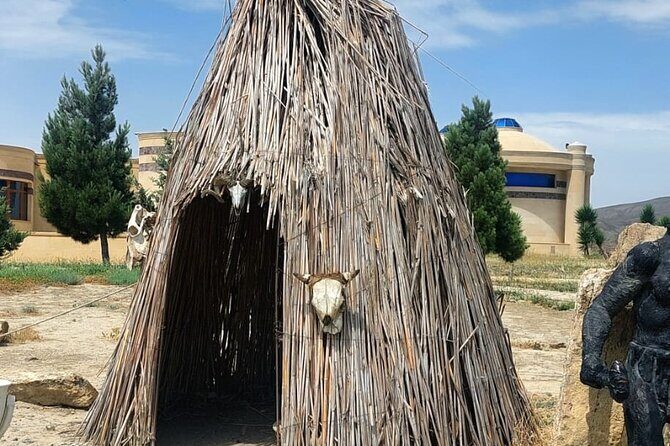
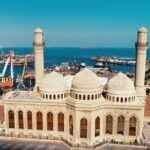
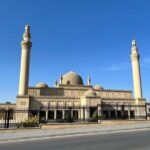
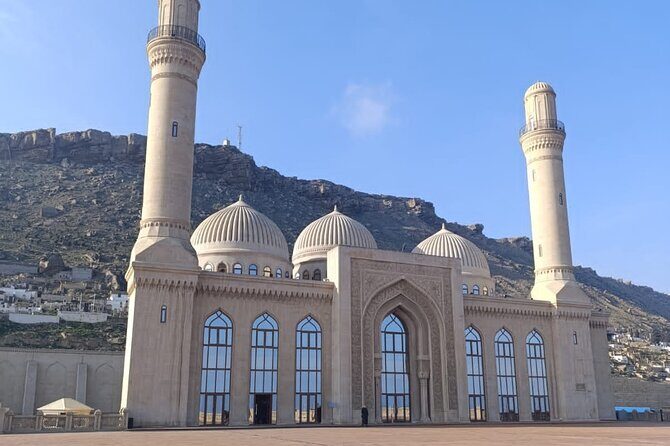
After Gobustan and the mud volcanoes, you’ll land at Bibi-Heybat Mosque for around 20 minutes, and admission is free. This short timing is on purpose. It functions like a breather after the active, outdoorsy part of the day.
The guide will frame it as an ancient mosque and a pearl of Islamic architecture. Even with only a brief visit, it’s worth it because it changes your mental track. Gobustan is about deep time and human marks on stone. The mud volcano stop is about geology and ongoing movement. Then Bibi-Heybat brings you back to architecture, spirituality, and cultural continuity.
I also like that the day doesn’t force you to choose between “nature” and “culture.” You get a slice of each without losing the overall structure.
Stop 4: The World’s First Oil Well—1846 and the oil pumps you recognize from the story
The final stop is only 20 minutes as well, but it connects the day’s theme of human presence to the modern age. You’ll visit the world’s first oil well story: in 1846, an oil well was drilled on the territory of the oldest oil field in the suburbs of Baku—associated with the Bibi-Heybat area.
This is the point where the tour shifts from “what came before” to “how the modern world changed.” You’ll see oil pumps and pieces of equipment that remind you why Azerbaijan’s oil era became a global turning point.
What makes this stop satisfying isn’t the length. It’s the context that the guide brings. When you understand the idea that a single drilling moment in 1846 could influence history, the sight of pumps feels less like industrial clutter and more like a physical chapter marker.
And because it’s at the end, you finish the day with something that links naturally to what many people come to Baku to see—oil culture, infrastructure, and the long shadow it casts.
Price and value: what $65.55 buys you (and what to plan for)
The price is $65.55 per person, and the value depends on what the tour includes. Here’s the practical breakdown:
Included:
- Bottled water
- Air-conditioned vehicle
- Tickets to Gobustan museum
- Off-road car payment to Mud Volcanoes
Not included:
- Mud Volcanoes admission
- Lunch
- All other fees and taxes
So yes, you should plan for an extra payment at the mud volcanoes portion. But the rest is covered in a way that saves time and hassle—especially the museum ticket and the off-road access.
The “private tour” element also affects value. You aren’t paying just for transportation; you’re paying for a single guide who can pace the day to your group and keep the connections between stops clear—Roman markings, local rock art themes, and the oil story tied to Bibi-Heybat.
One more value point: this experience is commonly booked far in advance (on average, about 203 days ahead). That’s a clue that people plan their Gobustan day early, and it’s smart to do the same if your dates are fixed.
Who should book this (and who might want a different pace)
This tour fits best if you:
- Want a compact, 5-hour day trip that hits geology, sacred architecture, and ancient storytelling in one block
- Like when a guide connects details across stops (Roman inscription here, oil history there)
- Prefer a private setup where questions don’t feel like they’re interrupting the schedule
You might consider a different option if you:
- Want a longer stop at the mud volcanoes specifically, since that visit is only about 1 hour and the admission isn’t included
- Expect lunch to be provided, because it isn’t
For most people, the timing works well. It keeps you from burning the day commuting and hunting for tickets on your own.
A note on the guide experience: Jabrail’s style and the tone of the day
The guide named Jabrail comes through clearly in the feedback you’d hope for: the tour is organized, communication is smooth, and the vibe is welcoming. That matters on a day like this where the attractions jump across topics.
His approach is described as story-driven: turning “dry information” into scenes you can picture. That’s what makes a Roman-era inscription on a stone feel like a living moment instead of a trivia fact. It’s also why people leave feeling taken care of—not just “delivered to sites.”
If you’re the type who likes to feel comfortable asking, stopping to look longer, or understanding why one detail matters, that friendly tone is a real part of the value here.
Should you book Gobustan Magic of Mud Volcanoes and Ancient Petroglyphs?
I’d book it if you want one day that moves through very different Azerbaijan stories without wasting your morning on logistics. The Gobustan rock art segment is the main reason to go: Roman-era markings, Arabic phrases, and everyday scenes carved or painted into stone create a strong payoff. Then the mud volcanoes add a real-world, active contrast. Finishing with Bibi-Heybat Mosque and the 1846 oil well turns the day into a timeline you can walk through.
Skip it if mud volcanoes are your top priority and you want more time there, or if you’d rather have lunch included in the price. Otherwise, this is a well-structured tour for people who want authenticity with minimal friction.
FAQ
FAQ
How long is the Gobustan Magic tour?
It runs for about 5 hours.
What time does the tour start?
The start time is 9:00 am.
Where do we meet for the tour?
The meeting point is Nizami Gardens, Sabayil, Baku 1005, Azerbaijan.
Is pickup included?
Yes, pickup is offered.
Is this a private tour?
Yes. It’s private, and only your group participates.
What tickets are included?
The tour includes tickets to the Gobustan museum.
Are Mud Volcanoes tickets included?
No. Admission to the Mud Volcanoes is not included, though the tour does cover the off-road car payment to reach them.
Is lunch included?
No. Lunch is not included.
Do I get a mobile ticket?
Yes. A mobile ticket is provided.
Can I get a full refund if I cancel?
Yes. Free cancellation is available, and you can cancel up to 24 hours in advance for a full refund.