REVIEW · BAKU
Lahij – village of masters
Book on Viator →Operated by JinTravel · Bookable on Viator
Lahij turns a normal day into a craft lesson. I like the cobbled streets and squares that keep the medieval feel, and I really like that the village focuses on working traditions like copper work and blacksmith craft. It’s the kind of place where you can connect the dots between design, tools, and everyday life.
The main thing to consider is the long road day: the tour runs about 10 to 12 hours, and one review flagged a dramatic, rocky-mountain drive on the way. If you get car-sick easily, plan for it.
In This Review
- Key Things to Know Before You Go to Lahij
- A Masters Village in the Ismayilli Hills
- Road Time From Baku: Plan for the Full Day
- Lahic Guest House Stop: What You’ll See and Why It Works
- The Craft Workshops: Copper, Leather, and Cold Steel
- Why the Village’s Water and Sewerage Story Sticks With You
- Guides Matter: Anar and Habib’s Humor Factor
- Time on the Clock: How to Fit It Into Your Baku Stay
- Price and Value: $400 Per Group Up to 3
- Who Should Book This Lahij Day Trip
- Should You Book Lahij – Village of Masters?
- FAQ
- Where does this tour take place?
- How long is the Lahij village tour?
- What part of the itinerary is the main visit?
- Is admission required for the visit?
- Does the tour offer pickup?
- What is the group size for this experience?
- How much does the tour cost?
- What kind of ticket do I receive?
- Can I cancel for free?
- Is the tour suitable for most people?
Key Things to Know Before You Go to Lahij
- Free admission keeps your spending simple once you’re there.
- Lahic Guest House is your anchor stop, with about 4 hours on-site.
- You’ll see living crafts tied to copper, leather, embossing, and cold steel making.
- The village is famous for hereditary blacksmith workshops, not just demonstrations.
- Expect a small group experience with up to 6 people, with pickup offered.
A Masters Village in the Ismayilli Hills
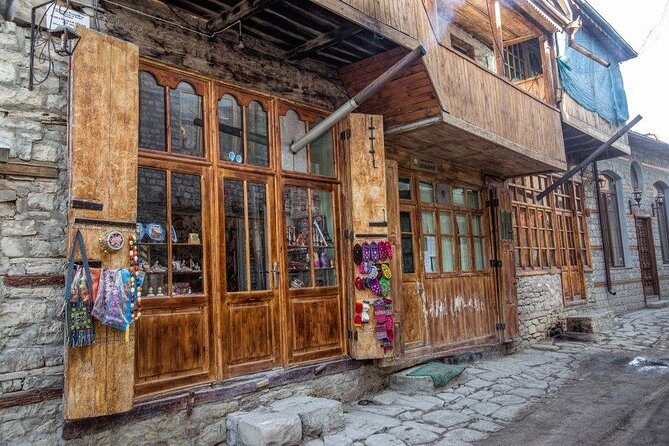
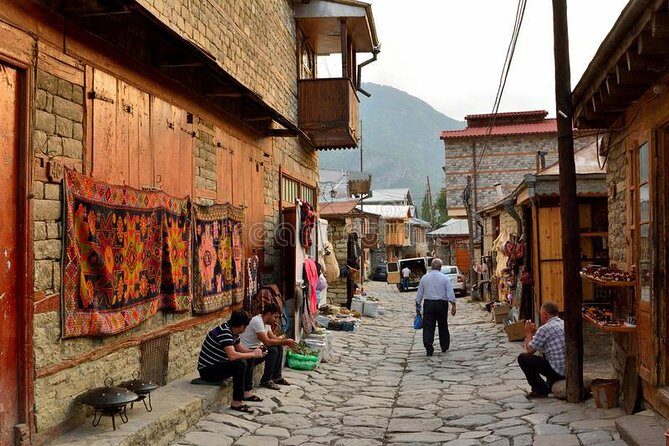
Lahij (in the Ismayilli area) is one of those rare stops where you’re not just looking at history. You’re watching skills get explained in plain terms: how people make objects, why certain decorations matter, and how trades pass through families. The setting helps too. Expect medieval lanes, cobbled streets, and small squares that make the village feel walkable and human-sized.
The focus is on trades tied to metal and material—pottery and wood carving alongside copper work and leather embossing. One of the most specific crafts you’ll hear about is cold steel and copper utensils, often decorated with engraved ornament. That combination makes Lahij feel like a practical museum, but with real people at the center.
Also, the village has deep roots. The first quarter of Lahij was laid in the III–IV centuries, and the area is known for surprisingly old infrastructure. The story about water supply and sewerage is especially memorable: it’s described as no less than 1,500 years old, and local residents don’t know where the sewerage starts or ends. That’s the kind of detail that makes you look up from your camera.
You can also read our reviews of more tours and experiences in Baku.


Road Time From Baku: Plan for the Full Day
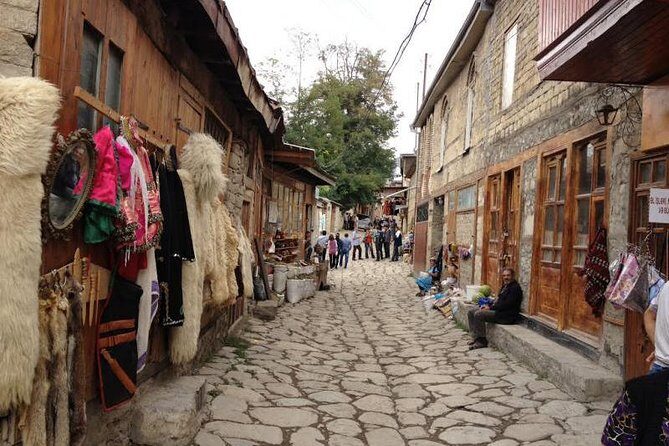
This is a 10 to 12 hour experience. Since you’re starting from Baku and visiting the Lahij region, most of that time is simply travel and getting you positioned for the village visit. That matters because the village stop itself is about 4 hours, so you’ll want to treat the on-site time like the main event.
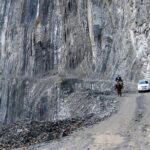
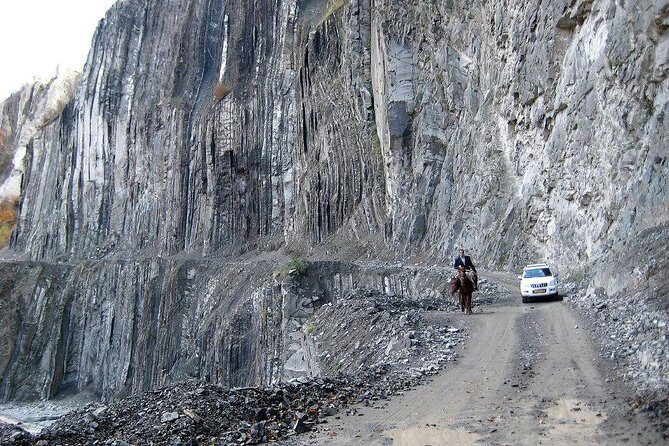
One review specifically mentioned the drive as dangerous, with rocky mountains along the way, but also said it was worth it. I’d treat that as a hint to be prepared for a curvy, mountainous route. If you’re the type who gets tense in winding roads, bring what you need—water, a light layer, and anything that helps you stay comfortable.
A small-group tour helps. With a maximum of 6 travelers, you’re less likely to feel rushed by a crowd. Still, you’re not in a slow walk-through. You’ll be guided through the village focus during that on-site window.
Lahic Guest House Stop: What You’ll See and Why It Works
Your key on-site block is at Lahic Guest House, with about 4 hours spent there. This is where the day usually becomes more than a drive-by. You’ll get the setup for Lahij—what to look for, what the different crafts are tied to, and how the village life used to run.
Cobbled streets and squares set the tone immediately. The village is known for trade and shopping centers, but what’s more interesting is the craft side: skilled potters and wood carvers, plus artisans working copper, leather, and embossed decoration. In other words, you’re not just seeing finished souvenirs; you’re learning what tools and materials create the look.
A detail from one review is worth keeping in mind: the village bath. It’s mentioned as something people find attractive, so when your guide points out older daily-life corners, lean in. Even if you don’t see a full “show,” understanding where bathing and daily routines fit into architecture helps you read the village in context.
Practical tip: wear shoes you trust on uneven, cobbled paths. The village feels charming—then your foot reminds you it’s old stone.
The Craft Workshops: Copper, Leather, and Cold Steel
Lahij’s reputation comes from work that’s meant to be used. Copper utensils with engraved ornament are a big headline item, and cold steel is another. The tour description points to workshops where hereditary blacksmiths make household items. That’s a meaningful difference from a generic craft stall.
Here’s what I’d focus on while you’re there:
- Copper work and engraved ornament: pay attention to how decoration follows the object’s purpose.
- Leather embossing: notice how patterns sit on curved surfaces.
- Cold steel and tools: ask how a finished item connects to everyday needs.
One review highlighted that a good guide keeps the day from dragging. That matters here because craft talk can go either way: a quick overview, or a real explanation that makes the craft feel alive. The best moments are usually when someone points out what to look for before you shop—so your questions make sense and you avoid the common “I’ll just browse” trap.
If you like hands-on learning, Lahij delivers through observation. You’re seeing how trades shape the look of the village itself, right down to the ornament you’ll spot on objects used by people in past generations.
Why the Village’s Water and Sewerage Story Sticks With You
Lahij isn’t only about craft output. It also has a credibility factor thanks to infrastructure stories. The tour info mentions a water supply and sewerage system dating back at least 1,500 years, and it even notes that residents don’t know where the sewerage starts and where it ends. That’s oddly specific, and it encourages a different kind of curiosity.
When you hear stories like that, you start noticing the village differently. You look at how space is organized. You think about how daily life would work without modern systems. Even if you can’t verify every detail on the ground, the story itself changes your attention.
It also makes the village feel less like a staged exhibit. A living place with old plumbing questions is the opposite of a dead postcard. You may not walk away with blueprints, but you will walk away with a stronger sense of how this community functioned.



Guides Matter: Anar and Habib’s Humor Factor
This tour clearly leans on guidance and explanation. You get all the information about the ancient village during the trip, and the reviews underline that the guide’s personality can make the hours fly by.
Two guide names show up in the feedback: Anar and Habib. The common thread is energy. One review credits Anar with keeping the group entertained through the end, and another credits Habib for knowing his job. That’s not a small point. Lahij can be dense with craft details, street textures, and stories about old infrastructure. Without a guide, it’s easy to treat it like a photo stop and miss the meaning.
If you’re choosing this experience because you like learning as you go, this is the kind of tour where the guide can make the difference between I saw Lahij and I understood Lahij.
Time on the Clock: How to Fit It Into Your Baku Stay
With a 10 to 12 hour duration, you’re committing to a full day. That doesn’t mean it’s exhausting in every moment, but it does mean you should plan your Baku schedule around it. Don’t stack something tight afterward unless you’re the type who naps like a champion.
What you can expect time-wise:
- The day includes pickup and a road portion from Baku.
- The main on-site experience is about 4 hours around Lahic Guest House.
- The rest of the day is getting there and getting back.
Because the craft focus takes time to understand, you don’t want to rush your own pace. Use the first part of your village time to get oriented. Then slow down for the crafts you find most interesting—copper, leather embossing, cold steel, or pottery and wood carving.
Bring a small amount of flexibility with you. If your guide points out something specific, let it happen. Lahij rewards the “pause and ask” style.
Price and Value: $400 Per Group Up to 3
The price is $400 per group, up to 3 people. On paper, that can sound expensive until you do the math and consider what’s included: pickup, a mobile ticket, and guided information focused on Lahij’s ancient craft traditions. When you split the group cost, it becomes much more reasonable.
If you travel as a trio, you’re effectively looking at about $133 per person. If you’re only one person booking alone, it may feel higher—so pairing with friends or aligning schedules with another small group is where this price tends to feel fair.
Also, the visit itself has free admission. So the money goes toward transportation time and the guide-led experience, not paid entry fees. That tends to match how Lahij actually works: you’re paying for a whole-day “getting there and being explained” package.
Who Should Book This Lahij Day Trip
This tour fits best if you like:
- Traditional crafts you can understand, not just browse
- Small-group pacing with a guide who talks through details
- A village setting where cobbled lanes and squares feel like part of the story
It’s also a smart choice if you’re short on time in Baku. You get a whole-day trip without needing to plan a separate independent route.
On the other hand, if you hate long drives or you’re expecting a “modern museum with everything timed to minutes,” you may find the day less structured than that. And if you need flat, easy walking, Lahij’s cobbled streets can be a consideration.
Should You Book Lahij – Village of Masters?
Yes, if you want a full-day experience built around working skills—copper, leather embossing, cold steel, and hereditary blacksmith craft—set in a medieval village layout. The free admission helps, and the small group size keeps the experience more personal than it would be in a big bus day.
I’d book this especially if you enjoy guides who can keep the day moving with humor and clear explanations. With names like Anar and Habib showing up in recent experiences, you have a good chance of getting more than facts—you’ll get an enjoyable walkthrough.
If you’re sensitive to winding, rocky roads, plan for comfort before you go. The craft payoff sounds strong, but the route part of the day is real.
FAQ
Where does this tour take place?
The tour starts in Baku, Azerbaijan and visits the Lahij area (Lahij in the Ismayilli region).
How long is the Lahij village tour?
It lasts approximately 10 to 12 hours.
What part of the itinerary is the main visit?
The main on-site stop is Lahic Guest House, with about 4 hours there.
Is admission required for the visit?
No. Admission is free.
Does the tour offer pickup?
Yes, pickup is offered.
What is the group size for this experience?
The maximum group size is 6 travelers.
How much does the tour cost?
It costs $400.00 per group (up to 3).
What kind of ticket do I receive?
You get a mobile ticket.
Can I cancel for free?
Yes. Free cancellation is available up to 24 hours in advance for a full refund.
Is the tour suitable for most people?
The information says most travelers can participate.