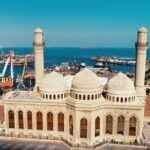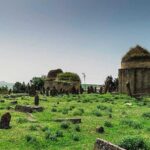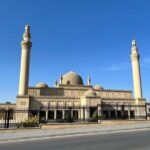
One long road trip turns into a real cultural lesson. This Sheki day follows the old trade corridor through the Caucasus Mountains, then lands you in a UNESCO-linked town known for craft, faith, and merchant life. The route is paced with several short, meaningful stops, and the guidance by Habil keeps the whole day clear and interesting.
I especially like the focus on trade history: you see the buildings merchants used—mosque, caravanserai, fortress—then finish at the palace where European-to-Asian luxury design shows up in glasswork. I also like the practical setup: pickup, AC car, and an English-speaking driver-guide mean you’re not wrestling logistics for a long day.
One thing to consider: the trip is heavy on sightseeing and light on food. The day includes water, but food isn’t included, and key entrances like the Kish Albanian temple and the Palace of Sheki Khans require extra fees.
In This Review
- Key highlights you’ll care about
- A Baku-to-Sheki day that follows the Silk Road
- Getting there: long drive, short stress
- Kish Albanian Church and the village café pause
- Sheki Khan Mosque: built for faith and community rhythm
- The Sheki caravanserai stop: where trade happened
- Entering through Sheki Fortress (XVIII century) and town walls
- Palace of Sheki Khans: the UNESCO World Heritage moment
- What the timing and ticket mix means for you
- Price and value: why $232 can work for you
- Should you book this if you want culture without chaos?
- Book it or skip it: my practical recommendation
- FAQ
- How long is the Sheki culture capital trip from Baku?
- What time does the tour start?
- What’s included in the tour price?
- Are meals included?
- What are the entrance fees I should plan for?
- Is this a small group tour?
- Does the tour offer pickup?
- Can I cancel for a refund?
- Are mobile tickets used?
Key highlights you’ll care about
- A UNESCO-connected Sheki route with Sheki Khan’s Palace tied to the UNESCO World Heritage List (2019)
- Kish Albanian Church described as the oldest Christian temple in the Caucasus and (as presented) among the oldest in the world
- Old trade infrastructure in sequence: mosque, caravanserai, fortress, then the palace
- Small group size (max 6) keeps the day flexible and questions easy to answer
- Comfort-first transport with a car that has AC plus a bottle of water per person
- Two paid entrances to plan for (Kish Albanian temple and the palace)
A Baku-to-Sheki day that follows the Silk Road
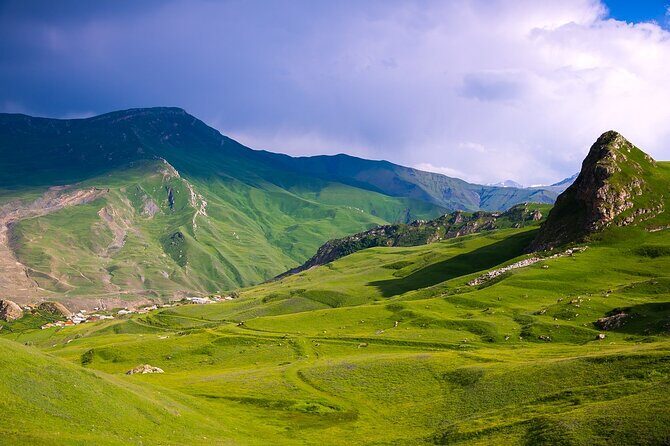
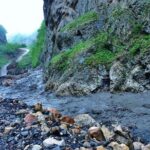
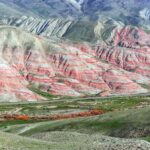
This tour is built around a simple idea: if you want to understand Sheki, you have to meet it in the context that created it. You start from Baku’s Absheron Peninsula area and head toward Sheki along the old corridor through the Caucasus Mountains, where the landscape and the culture shift as you travel.
What I find smart here is the stop order. You don’t just see one landmark and rush away. You move from early faith history at Kish, to trade-and-community architecture in Sheki, and finally to the grand visual statement at Sheki Khan’s Palace. By the time you reach the palace, the rest of the town makes more sense.
You’ll also get a clear narrative for why Sheki is treated as important on multiple levels. The city connects to UNESCO intangible cultural heritage through living craft and tradition, and the palace connects to UNESCO World Heritage through its standout design. Even if your only goal is photos, that context makes the details click.
You can also read our reviews of more tours and experiences in Baku.
Getting there: long drive, short stress
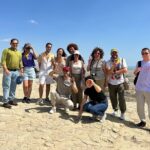
A day like this lives or dies by how you travel. Here, you get a comfortable car with AC and a driver-guide who handles the timing. The total day runs about 9 to 14 hours, and the travel time between sites is already built into that total.
For most people, that’s a big win. You spend less time figuring out buses, finding entrances, or negotiating separate tickets. Instead, you can focus on the sites and use the guide’s English to ask questions while you’re on the road.
Group size is also a quiet advantage. With a maximum of 6 travelers, the schedule feels less like a cattle line and more like a compact trip with room for questions. That matters on days where several stops are relatively short.
Tip for your comfort: bring something for hunger that isn’t tied to a restaurant. The plan includes no food, so your best energy level comes from eating before the morning start and having snacks for later.
Kish Albanian Church and the village café pause
Stop one is at Kish for the Kish Albanian Church plus a unique café in the village. The visit is about 30 minutes, and the admission is listed in two ways: the itinerary line says the admission ticket is free, while the price breakdown lists the Kish Albanian temple fee as AZN 10 not included.
What you should do with that? Treat it as a “check on the day” moment. Ask your guide when you arrive whether the church entrance is covered or if you’ll pay the AZN 10 at the site. This kind of mismatch can happen when different systems track fees differently.
Why Kish is worth your attention, even with a short stop: the church is presented as the oldest Christian religious temple not only in the Caucasus, but also (as described) in the whole world. That’s a bold claim, and even if you read it as part of the local story rather than a single universal fact, the site is still the kind of place that makes the region feel older and deeper than a typical sightseeing circuit.
The café piece is also practical. You get a brief chance to slow down, observe village life, and recover from the travel day. Even if you don’t buy much, it breaks up the schedule so you don’t hit Sheki already tired.
Sheki Khan Mosque: built for faith and community rhythm
Next you visit the mosque of Sheki Khans, built in 1769. The stop is about 15 minutes, and admission here is listed as free.
This is a quick architectural stop, not a long sit-down. So go in with the right expectations. Use the time to look at the structure and get a simple explanation of what role it played in a merchant city. In a place shaped by trade, religious spaces weren’t separate from daily life—they were part of the rhythm of a community where travelers arrived, workers stayed busy, and agreements got made.
If you’re the kind of person who likes reading signs and taking your time, a 15-minute window can feel short. But the advantage is that you keep moving through the story rather than spending the whole day at one location.
The Sheki caravanserai stop: where trade happened
Stop three is Sheki Karvansaray, the old guesthouse where traders were hosted by Sheki. Like the mosque stop, this is about 15 minutes.
For me, this kind of stop is where you start seeing how the city worked. Caravanserais weren’t just buildings; they were systems. They gave arriving merchants a place to stay, a reason to trust the local rules, and a base where trade could actually happen.
This is also where your palace visit later will feel more grounded. When you learn how merchants traveled and stayed, you get why luxury craftsmanship mattered and why the palace became a statement. It’s the same story—just told in different buildings.
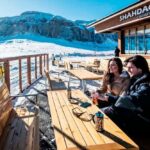
Entering through Sheki Fortress (XVIII century) and town walls
Then you move to Sheki Fortress, tied to the XVIII century, for about 1 hour 30 minutes. Entrance is listed as free.
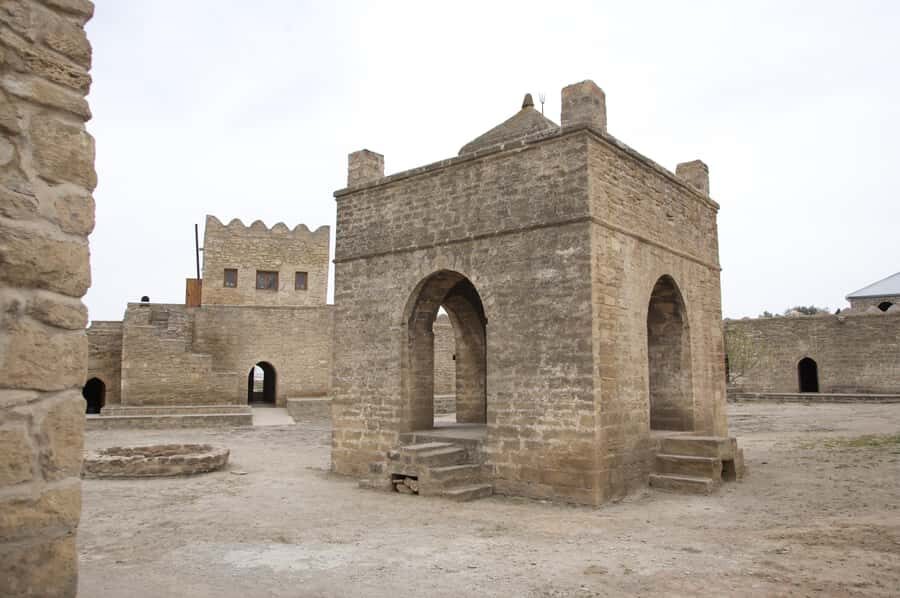
This is your longest break from “quick stops,” and it’s a good one. The fortress gives you a sense of how Sheki protected itself and how power sat in the town’s physical structure. You’ll also get better walking time for photos and a more open feel than the tighter interiors.
Practical note: wear shoes you’re comfortable walking in. Fortress areas tend to involve uneven surfaces and some stairs or slopes, even if the tour keeps the route manageable.
If you like history you can see, this is the stop that usually makes the day feel real. It’s not only about what was built—it’s about why it had to be built.
Palace of Sheki Khans: the UNESCO World Heritage moment
The day culminates with Palace of Sheki Khans (1762). The palace is listed as included with a major note: the admission isn’t included, and the fee is shown as AZN 9 not included. The palace visit is about 20 minutes.
This is also where UNESCO matters in a concrete way. The palace is described as included in the UNESCO World Heritage List in 2019, and the design detail is part of why. You’ll be looking at miniature Murano glass decorations—small, high-precision glasswork that reflects trade connections between Europe and the wider path toward East Asia.
Here’s the key: the short time can feel intense. Twenty minutes is enough to get the main visual impact, but it’s not enough to read every panel slowly. If you’re a slower museum-style visitor, focus on the overall composition first, then pick one or two areas to study.
What I think makes this palace worth the extra fee is that it’s the payoff to the earlier stops. Mosque, caravanserai, fortress—those give the logic of how a trading city functioned. The palace gives the proof of what that function produced: display, prestige, and a design language that traveled far.
What the timing and ticket mix means for you
The itinerary has a clear pattern: some stops are short and external, and only the palace is a more interior “main event” with a paid ticket. Here’s how that affects your day.
- Kish is short (30 minutes) and may have an entrance fee in practice (AZN 10 is listed as not included).
- Mosque and caravanserai are very short (15 minutes each).
- Fortress is the main walking time (1 hour 30 minutes).
- The palace is the “visual climax” (20 minutes) with an entrance fee (AZN 9 not included).
This structure is good if you want variety and narrative. It’s less ideal if you want long, slow visits inside buildings. So consider what you like: quick stops with context, or deep time in one site.
Also plan for cash or a quick way to handle local fees for entrances. The tour includes water, but it doesn’t include meals. A good strategy is to eat something substantial before the day or ask your guide where to grab food near the breaks.
Price and value: why $232 can work for you
At $232 per person, this isn’t the cheapest way to get to Sheki. But for a long day, that price can represent good value if you’re comparing against the stress and cost of handling everything separately.
What you get in the price:
- Comfortable AC car
- English-speaking guide/driver
- A bottle of water per person
- Pickup is offered
- Group discounts are listed
- A mobile ticket is used
- The group stays small (max 6)
What you don’t get:
- Food and beverages
- Kish Albanian temple fee listed as AZN 10
- Khan’s palace fee listed as AZN 9
So the real cost is the base price plus local entrances plus your own meals. If you’re hungry, your total day cost can rise fast. But if you budget snacks and plan one meal, you can keep it controlled.
The strongest “value” argument here is time and guidance. Sheki is not a place you fully understand from quick photos. The guide’s English and the route itself give you explanations while you’re still in motion, which turns a day-trip drive into something closer to an educational experience.
And that guide part matters. Habil is specifically praised for warm communication, strong English, and being flexible. That combination can save you from feeling lost or stuck with only basic info.
Should you book this if you want culture without chaos?
This trip makes the most sense for you if:
- You want a structured route with multiple sites in one day
- You appreciate craft and trade connections, not only famous landmarks
- You like small group energy and real conversation with the guide
- You prefer “someone else handles the driving” for a long day
You might want to consider skipping or adjusting your expectations if:
- You want long interior visits and quiet time in museums
- You don’t like paying add-on entrance fees once you arrive
- You hate the pace of a day that includes many short stops
For nearly everyone else, it’s a solid way to get Sheki’s main story in a single push from Baku.
Book it or skip it: my practical recommendation
I’d book this tour if your goal is Sheki context—how the town’s buildings connect to trade, faith, and craft—while keeping logistics simple. The short list of inclusions is clear, the guide support is a real strength, and the payoff at Sheki Khan’s Palace gives you a visual reason to remember the trip.
I’d think twice if you’re a slow-site person or if you’re planning to spend most of your budget on meals because food isn’t included. Bring snacks, expect a mix of quick and longer stops, and plan for the palace entrance fee.
If you like culture tours that feel organized but not stiff, this is one of the better day-trip formats out of Baku.
FAQ
How long is the Sheki culture capital trip from Baku?
The duration is listed as approximately 9 to 14 hours.
What time does the tour start?
The start time is 9:00 am.
What’s included in the tour price?
It includes a comfortable car with AC, an English speaking guide/driver, and a bottle of water per person.
Are meals included?
No. Food & beverages are not included.
What are the entrance fees I should plan for?
The Kish Albanian temple is listed as AZN 10 not included, and Khan’s palace is listed as AZN 9 not included.
Is this a small group tour?
Yes. It has a maximum of 6 travelers.
Does the tour offer pickup?
Pickup is offered.
Can I cancel for a refund?
Yes. You can cancel up to 24 hours in advance for a full refund.
Are mobile tickets used?
Yes. Mobile ticket is listed.