REVIEW · BAKU
Baku: Gobustan & Absheron Trip
Book on GetYourGuide →Operated by Smile Azerbaijan Tour · Bookable on GetYourGuide
One day, three eras of Azerbaijan collide. This Baku: Gobustan & Absheron trip stitches together prehistoric rock art, weird natural fire and mud phenomena, and the story of how ancient fire worship outlived empires.
I especially like how the day isn’t just about seeing famous sites, it’s about why they mattered—Qobustan’s caves and paintings feel human and close, not distant. I also love the “wait, this is real” factor of Yanar Dag and the fire-temple connection, where history explains what your eyes are witnessing.
The main consideration: the schedule moves fast enough that you’ll want to arrive ready to walk, take notes quickly, and pay attention. Also, several key entrances are extra, so the all-in cost is higher than the advertised $30.
In This Review
- Key highlights you’ll actually remember
- Why this Absheron day trip feels like a time machine
- The practical rhythm: meeting point, pickup, and how long stops last
- Bibi-Heybat Mosque: a gorgeous opener in the middle of a busy day
- Qobustan Reserve: caves, Qobustan Rock Pictures, and that UNESCO feeling
- The vintage car moment and why the day still makes sense
- Mud volcanoes in Azerbaijan: the strange earth feature you can explain
- Yanar Dag (Yanardag Fire Mountain): flame + history in one stop
- Absheron Peninsula viewpoints: a breather that still teaches you something
- Ateshgah of Baku: the Fire Temple and how three faiths overlap
- Ending at Qoşa Qala Qapısı: a medieval close to a long story
- Price and value: what $30 buys, and what you should budget in AZN
- Who should book this tour (and who should skip it)
- A note about the guide: the difference you can feel
- Should you book the Baku Gobustan & Absheron trip?
- FAQ
- How long is the Gobustan & Absheron trip?
- Where do we meet in Baku?
- What’s included in the $30 price?
- Are entrance tickets included?
- Is lunch included?
- What languages does the guide speak?
- What should I bring?
- Can I cancel and get a refund?
Key highlights you’ll actually remember
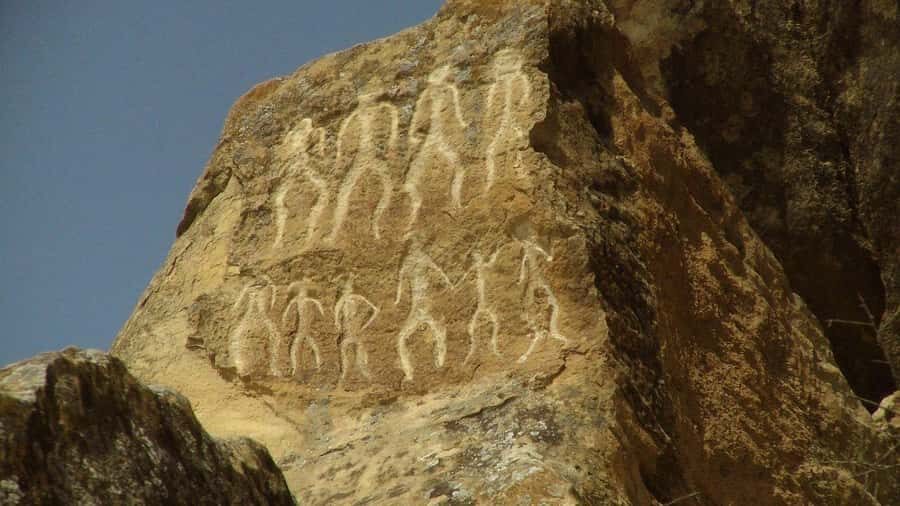
- UNESCO-protected Qobustan with cave walks and rock pictures that show everyday life from long ago
- Yanardag Fire Mountain (Yanar Dag), where you get guided context before you see the flame
- Ateshgah Fire Temple and the overlap of fire worship, Zoroastrianism, and Hinduism
- Mud volcanoes plus an explanation of why this Azerbaijan feature is used for skin, joints, and bones
- Bibi-Heybat Mosque as a beautiful, calm break before the outdoor sites
- Pro guide + comfortable transport with hotel pickup options around Baku
Why this Absheron day trip feels like a time machine
Absheron can look like a normal peninsula from the city, then this kind of tour hits you with the full range: ancient humans carved images into rock here, the ground itself “breathes” mud volcanoes, and fire worship left major cultural traces. It’s a one-day reminder that Baku isn’t only skyscrapers and seaside promenade.
The pace works best if you travel the way I do: you’re happy with short, focused visits and you use your guide to connect the dots. When you do that, the day clicks. You start seeing patterns—fire as a sacred theme, earth as something people live with and use, and landscapes that shaped belief.
You can also read our reviews of more tours and experiences in Baku.
The practical rhythm: meeting point, pickup, and how long stops last
You start at the Double Gates of the Old City (Icherisheher). If your hotel is outside Old City or off Nizami street, pickup may be available within about a 6–7 km radius from the city center. Once you’re aboard, you’re in a comfortable coach for the long stretches between Absheron sites.
The full outing runs about 9 hours, with several stops that are short but not random. The idea is to hit the major “wow” areas of the peninsula in one day without turning the entire day into driving. Your guide is live and speaks English, Russian, and Turkish.
One more thing: the tour includes walking time, and you should treat it like a field day, not a museum-only day. Bring comfortable shoes and plan to move.
Bibi-Heybat Mosque: a gorgeous opener in the middle of a busy day
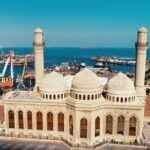
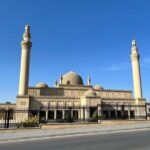
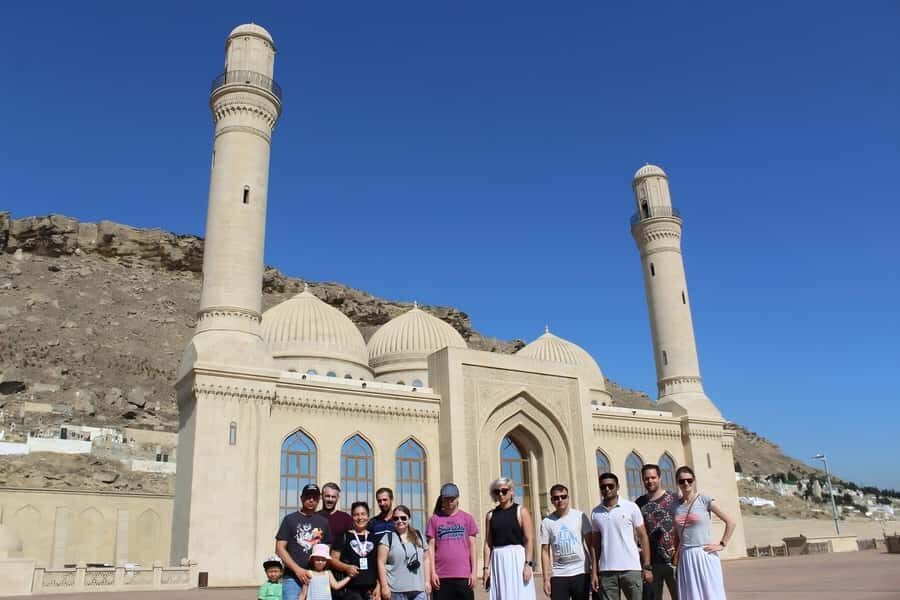
Right at the start (around the first stop), you get a photo stop plus a guided visit at Bibi-Heybat Mosque. It’s a good opener because it’s not “outside weird.” It’s architecture, atmosphere, and a sense of place in Baku.
The tour framing is clear: you’ll see this mosque as one of the most beautiful in the city, and you’ll also learn that it includes the tomb of relatives of Prophet Muhammad (s.v.s.). Even if you’re not religious, it gives you a grounded starting point before the day turns toward ancient worship sites.
Qobustan Reserve: caves, Qobustan Rock Pictures, and that UNESCO feeling
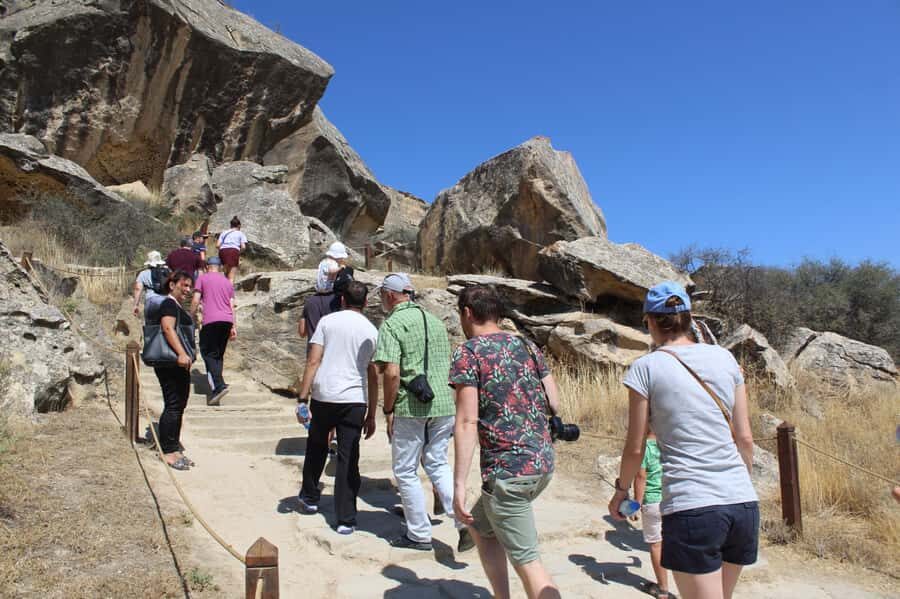
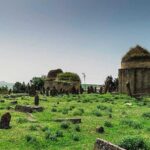
This is where the day earns its name. You head to Qobustan / Gobustan, and the time here is built around a real walk: caves, rock pictures, and the kind of guided storytelling that makes the art easier to read.
Qobustan is protected as a UNESCO reserve (listed in 2007), and the tour uses that status for more than bragging rights. You get a guided experience through the cave areas and see how the “primitive people” here left a record in stone. The walk is also set up so you’re not just staring at drawings—you’re getting context for what you’re seeing.
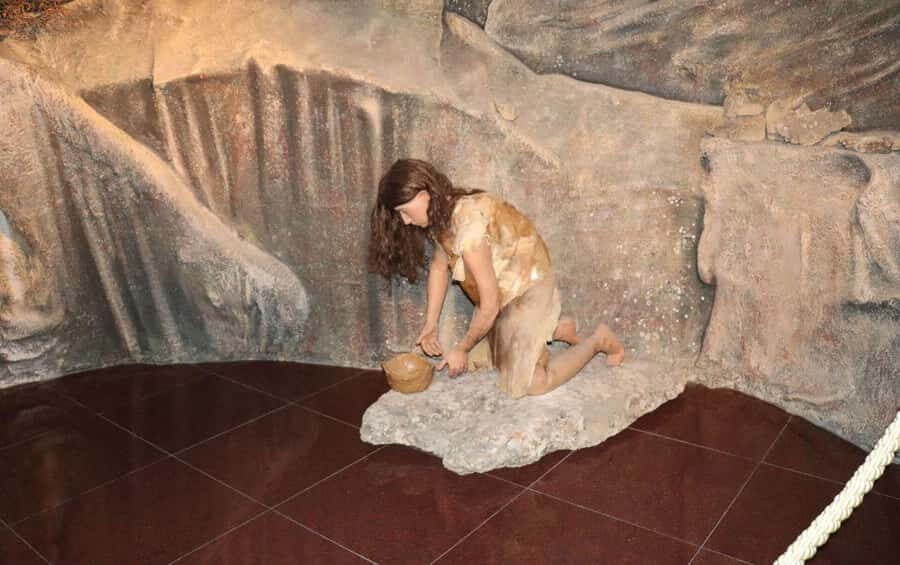
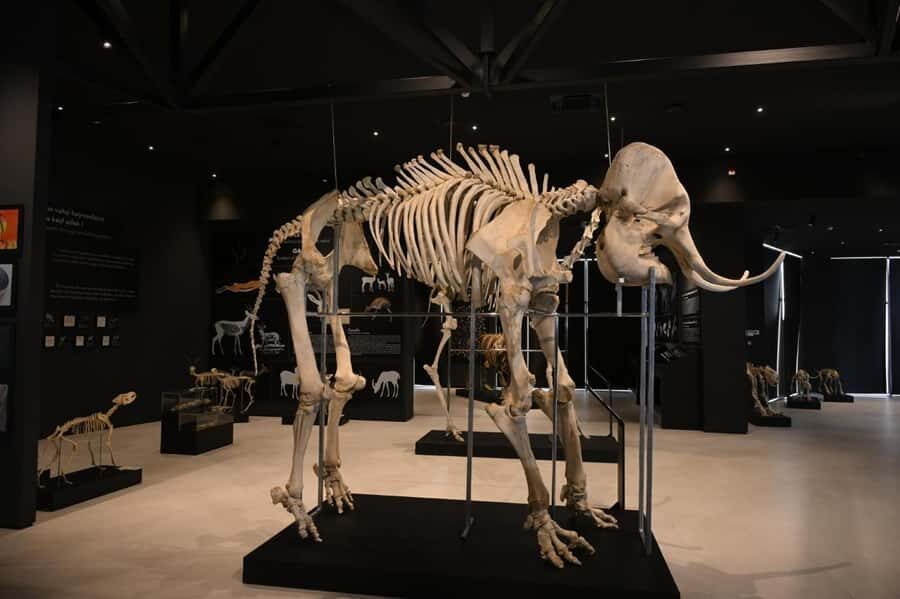
The tour also includes museum time inside this area: two museums are part of the program, one with a Natural History exhibition and one featuring a mineral collection. The key point is that these aren’t only static displays; they offer interactive demonstrations, which helps if you learn better by doing.
Practical note: if you’re the type who wants to stand in front of art for a long time, Qobustan will feel like a sprint. If you’re okay with a “see it well, move on” style, it’s a fantastic stop.
The vintage car moment and why the day still makes sense
Between Qobustan and the mud volcano area, the day includes a vintage car stop for about 20 minutes. It’s brief, but it breaks up the heaviness of the ancient sites. It also makes sense for how tour pacing works here: you’re building energy between walking sections.
I treat these short photo breaks as a chance to reset your attention. You’ll be glad you did when the ground starts doing its own strange science stuff.
Mud volcanoes in Azerbaijan: the strange earth feature you can explain
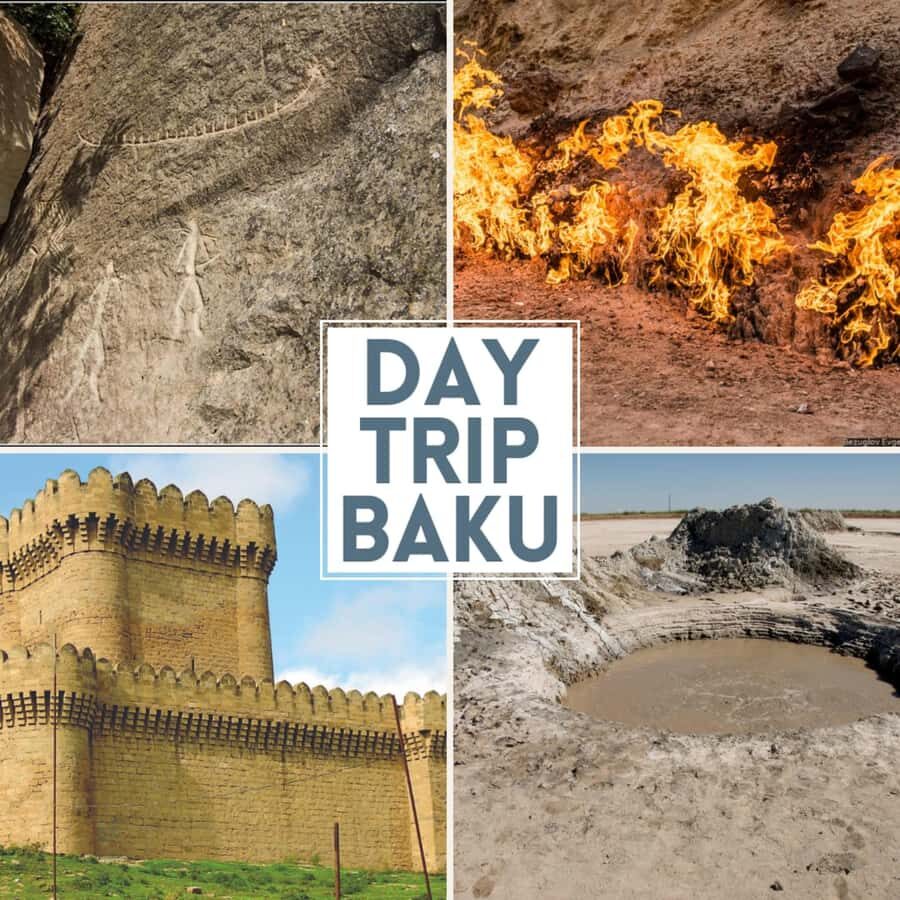
Then comes one of the most memorable natural features on the route: the mud volcanoes. The tour gives strong context first: there are about 800 mud volcanoes worldwide, and Azerbaijan holds 354, which is around 40% of them.
The “why should I care” answer on the tour is practical and human. The guide explains that mud is useful for skin, joints, and bones. That doesn’t turn it into a miracle cure, but it does explain why people pay attention to this natural phenomenon beyond just tourism photos.
You’ll get a photo stop and some free time for viewpoints. This stop works best when you step back and look at the whole area, not only one cone of mud. The scale makes the feature feel real in a way that a single viewpoint never does.
One consideration: weather matters here. If it’s wet, paths can be uneven. Comfortable shoes aren’t optional.
Yanar Dag (Yanardag Fire Mountain): flame + history in one stop
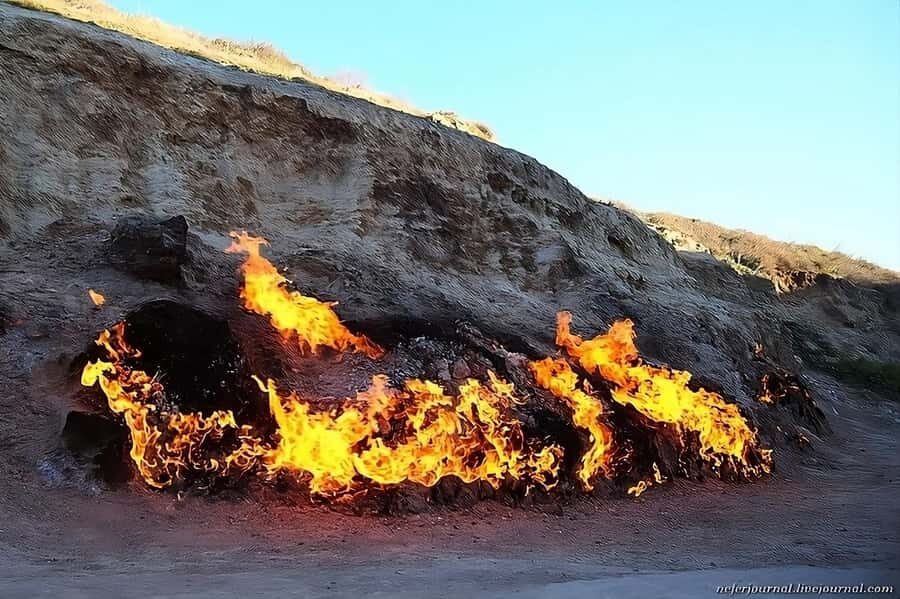
Next is Yanar Dag, often called the Burning Mountain. The tour includes a photo stop and guided visit, plus time to walk and see the flames up close.
This is where the tour’s theme becomes physical: fire worship wasn’t abstract here. The tour connects Yanar Dag to how “eternal lights” appear in historical accounts, including mentions tied to Attila the Great and Marco Polo. It also points you toward the idea that scientists date the age of the holy hearth to around 4,000 to 5,000 years.
When you’re standing there, the best way to experience it is to let the guide’s framing do the work. Otherwise it can feel like a natural trick. With the historical and cultural angle in place, it feels like a living continuation of a belief system.
Also: wear layers if the air turns cool. Outdoor flame sites can feel colder than they look from a distance.
Absheron Peninsula viewpoints: a breather that still teaches you something
After the burning mountain stop, you head toward a broader look at the Absheron Peninsula with another photo stop, guided tour, scenic views on the way, and some walk time.
This part of the day can feel less “one landmark” and more “read the region.” I like it because it reduces the stress of a long day. You get a chance to look at how the land sits around Baku and how that geography connects to everything you saw earlier—rock, fire, and earth.
If you’re prone to fatigue, this segment is your chance to slow down your body and focus on observation. You’ll get more out of later stops if you reset here.
Ateshgah of Baku: the Fire Temple and how three faiths overlap
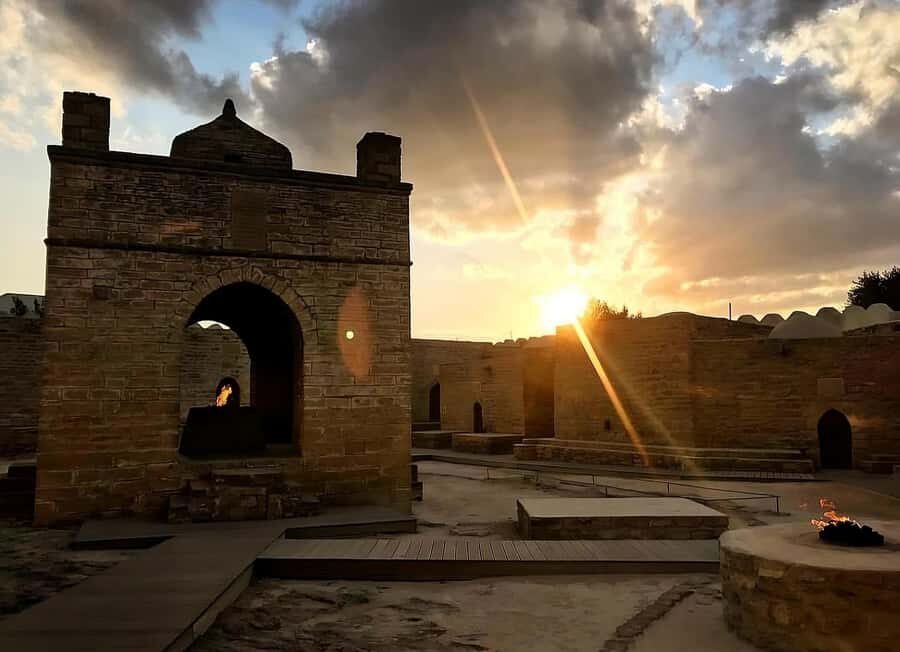
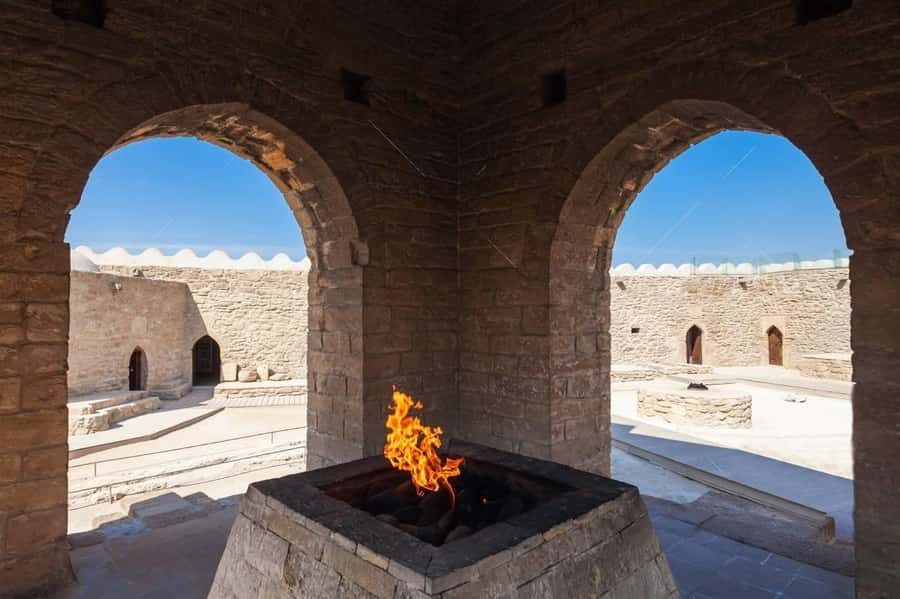
Finally, the day turns to the Ateshgah of Baku, the Fire Temple. You get a photo stop, guided tour, and time to walk around (around 50 minutes).
This is one of the most interesting explanations in the whole route: the Fire Temple is presented as a confluence of three traditions—fire worship, Zoroastrianism, and Hinduism—and the tour emphasizes what these teachings share around the sacred role of fire.
You don’t have to already know the religions to get it. The guide’s job here is to show how fire functions as symbol, practice, and attraction point. Once you understand that, the site stops being just walls and becomes a map of ideas moving across time.
When you leave Ateshgah, you’ll probably feel like the day’s title makes sense. It’s not random nature stops. It’s a single theme with different “proofs.”
Ending at Qoşa Qala Qapısı: a medieval close to a long story
You finish at Qoşa Qala Qapısı. The tour frames it as a medieval structure that has kept its original strength and stands with proud presence from that era.
It’s a satisfying end because it’s still connected to the day’s larger idea: places on Absheron and around Baku weren’t just used for worship and survival. They were built into power and identity too. Ending here gives the day a clean chapter ending, instead of dumping you back at the hotel with no closure.
Price and value: what $30 buys, and what you should budget in AZN
At $30 per person for a 9-hour guided tour with comfortable transportation and hotel pickup, it’s good value for a full-day cultural-outdoor circuit. You’re paying for coordination, an English/Russian/Turkish guide, and the time you save by not figuring out each site yourself.
But plan for the extra entrances. The tour does not include:
- Qobustan Museum entrance: 10 AZN
- Mud Volcanoes Tourism Complex entrance: 15 AZN
- Fire Temple and Burning Mountain entrance: 15 AZN
Lunch is also not included. You get about 1 hour as a break in the middle of the day, and you eat at your own expense (restaurant or fast food options).
One more small value add: the tour includes a discount card with special discounts in a sweets shop. It’s not a life-changing benefit, but it’s a fun “local snack leverage” if you like trying desserts.
Who should book this tour (and who should skip it)
This tour fits best if you like:
- short guided visits with strong explanations
- mixing nature phenomena and cultural sites
- a day that teaches themes (fire, earth, ancient life) instead of only ticking off photos
It may not be ideal if you need lots of quiet time for reading in museums or if you prefer slow travel. The route is built to cover multiple outdoor areas, so you’ll be moving.
Also, check suitability: the tour is not suitable for people with heart problems and for those with haemophilia. It’s also not set for babies under 1, people over 95, or people over 70. On the plus side, it is marked wheelchair accessible, so mobility planning is part of the design.
A note about the guide: the difference you can feel
This tour runs best with an attentive guide, and the program appears to place real emphasis on that. One guide name you may hear is Sabuh(i) from Smile Azerbaijan Tour, and the approach described is engaging and entertaining while staying focused on Azerbaijan context.
Even if you don’t catch every detail, a good guide turns Yanar Dag and Ateshgah from “sights” into “stories.” That’s the difference between a photo dump and a day that sticks.
Should you book the Baku Gobustan & Absheron trip?
If you want a single-day Absheron experience that combines Qobustan rock art, mud volcanoes, Yanar Dag, and Ateshgah with an actual guide explaining the connections, I’d say yes—this is a strong pick.
Book it if you’re comfortable with walking, you can handle extra museum and complex entrance fees, and you don’t need a leisurely museum pace. Bring flashlight and a headscarf, and you’ll be prepared for cave sections and outdoor moments.
If you hate rushing, or you only want included meals and no extra ticket costs, look for a slower option or budget a bit more upfront. For the right traveler, this tour delivers an unusual mix of earth, fire, and ancient human traces—without needing more than one day in Baku.
FAQ
How long is the Gobustan & Absheron trip?
The total duration is about 9 hours.
Where do we meet in Baku?
The meeting point is at the Double Gates of the Old City (Icherisheher). Pickup may be available for hotels outside Old City or Nizami street within about a 6–7 km radius from the city center.
What’s included in the $30 price?
You get a professional guide, comfortable transportation, and hotel pickup (where applicable). There’s also a discount card for a sweets shop.
Are entrance tickets included?
No. You should budget extra for Qobustan Museum (10 AZN), Mud Volcanoes Tourism Complex (15 AZN), and Fire Temple and Burning Mountain (15 AZN).
Is lunch included?
Lunch is not included. The tour provides a break of about 1 hour mid-day for you to eat at your own expense.
What languages does the guide speak?
The live guide is available in English, Russian, and Turkish.
What should I bring?
Bring comfortable shoes and clothes, a credit card, a flashlight, and a headscarf.
Can I cancel and get a refund?
Yes. You can cancel up to 24 hours in advance for a full refund.