REVIEW · BAKU
Baku: Gobustan, Mud Volcanoes, Ateshgah, and Yanardag Tour
Book on GetYourGuide →Operated by Bag Baku Tour · Bookable on GetYourGuide
Fire, mud, and ancient rock art in one day.
This Baku tour is a smart way to connect Azerbaijan’s deep past with two very local oddities: Gobustan’s petroglyphs and the peninsula’s nonstop natural flames and bubbling mud. You get an English guide for a private day trip, and that matters here because the stories are layered and easy to miss on your own.
I especially like how the Gobustan Museum uses touch screens and 3D panoramas to show what life looked like 5,000 to 20,000 years ago, not just dates on a wall. And I really appreciate the human side of the guiding: if your guide is Mushfiq, you can expect crisp English, a passion for the country’s history, and even help with dinner plans around Baku’s Old Town after the tour.
One consideration: this is a walking-heavy day, and it’s not suitable for wheelchair users. Also, lunch and site entry tickets are not included, so plan for a bit of extra spending once you’re there.
In This Review
- Key things to know before you go
- Why Absheron’s fire-and-mud story starts at Gobustan
- Gobustan rock art: 6,000+ drawings and caves with a guide
- Mud volcanoes in Azerbaijan: why “bubbling ground” matters
- Ateshgah Fire Temple: Zoroastrianism, plus Hindu worship roots
- Yanardag Burning Mountain: a flame that doesn’t take a day off
- Price and logistics: is $99 actually a good deal?
- Who should book this Baku Absheron day trip (and who shouldn’t)
- Should you book the Gobustan, Mud Volcanoes, Ateshgah, and Yanardag tour?
- FAQ
- FAQ
- How long is the Baku: Gobustan, Mud Volcanoes, Ateshgah, and Yanardag Tour?
- What is the price of the tour?
- Does the tour include hotel pickup and drop-off?
- What language is the guide?
- What main stops are included?
- How much time do I spend at Gobustan?
- Are entry tickets included in the tour price?
- Is lunch included?
- Is the tour wheelchair accessible?
- Can I cancel for a refund?
Key things to know before you go
- Gobustan Museum’s interactive 3D scenes help you place petroglyphs in real human life, not just archaeology jargon
- More than 6,000 rock drawings and caves at Gobustan are easier to enjoy with a guide translating the eras
- Mud volcanoes in Azerbaijan (350 out of 800 worldwide) give you a rare chance to climb and look into crater-like formations
- Ateshgah Fire Temple connects worship traditions, with the site described as used for both Hindu and Zoroastrian worship
- Yanardag’s burning gas flame is constantly active on the Absheron hillside, with pilgrims historically coming from Iran and India
- Private transport plus a live English guide keeps the day flowing across four very different sites
Why Absheron’s fire-and-mud story starts at Gobustan
If you’re wondering how to make sense of Azerbaijan’s timeline in one day, this tour has a clear trick: it starts with the human mark-makers at Gobustan and only later moves to the places defined by fire and natural emissions.
You begin with pickup in Baku and head to Gobustan for a guided visit (about two hours). The first stop isn’t just scenery. It’s the museum, where you’ll see exhibits dating roughly from the 4th to 2nd millennium BC. What I like about that range is that it gives you anchors before you step into the rock-art area. You’re not jumping straight into stone carvings with no context.
In the museum, touch screens and special 3D panoramas help you imagine how people lived long ago. The way it’s presented (life, setting, and archaeological work) makes it much easier to interpret what you’ll see outside. Even if you only remember one thing, it should be this: Gobustan isn’t random graffiti. It’s a record of worldview, movement, and culture that was written onto stone across long stretches of time.
If you enjoy history that feels grounded in the landscape—rather than history that sits behind glass only—this start does the job. And because your guide is English-speaking, you’ll get the story beats without needing to act like a part-time archaeologist.
You can also read our reviews of more tours and experiences in Baku.
Gobustan rock art: 6,000+ drawings and caves with a guide
After the museum, you move to the rocks themselves. This is where Gobustan stops being an educational stop and starts becoming something you can actually see and walk through.
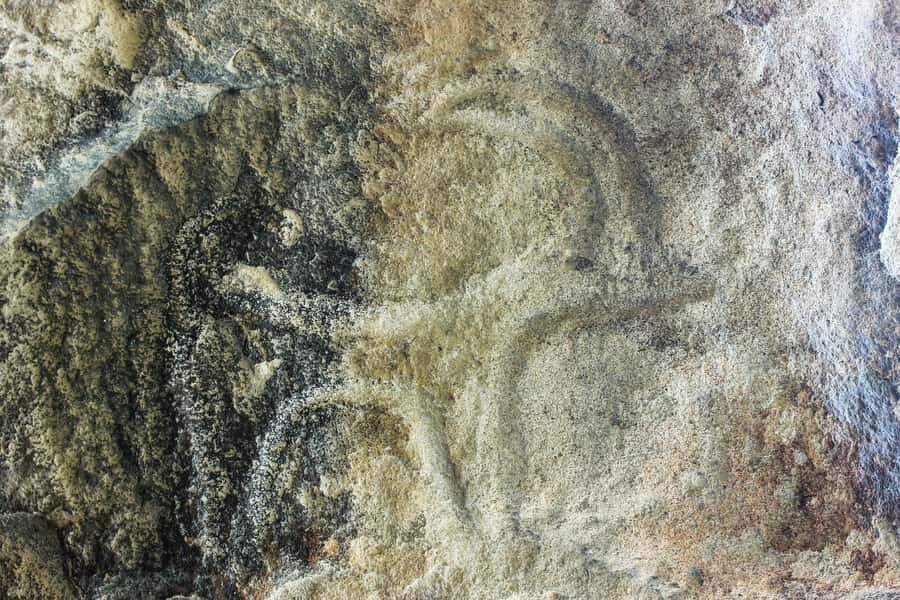
You’ll explore rock drawings and caves that include more than 6,000 rock drawings. A big value here is the guided framing: the tour describes petroglyphs from different eras, discovered by scientists in the 1930s. Without guidance, it’s easy to stare at carvings and feel like you’re missing the meaning. With a guide, those images become a timeline you can follow: customs, traditions, and how ancient people viewed their world.
Also, Gobustan is not flat and easy. Expect to spend time around uneven ground and rocky paths. The good news is you don’t need climbing gear or anything extreme—just comfortable shoes and some patience. You’ll get the best experience when you slow down and look at the details the guide points out, especially where carvings cluster or where caves change the feel of the space.
If you like tours that don’t rush but still keep a rhythm, this portion hits the sweet spot. It’s long enough to feel satisfying (the guided time is about two hours at Gobustan overall), and short enough that you don’t end up tired of history before you reach the natural sites later in the day.
Mud volcanoes in Azerbaijan: why “bubbling ground” matters
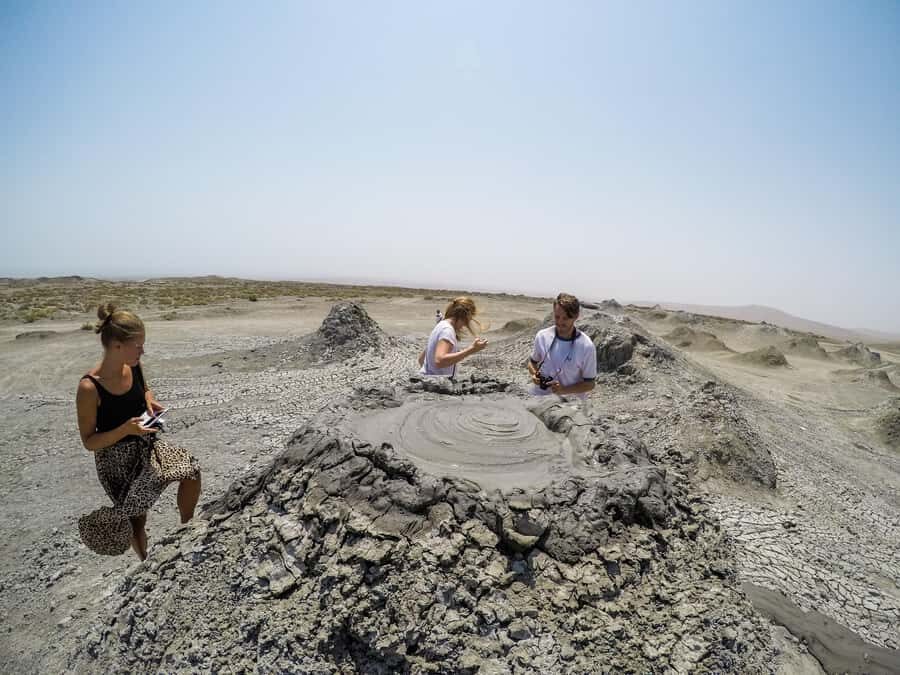
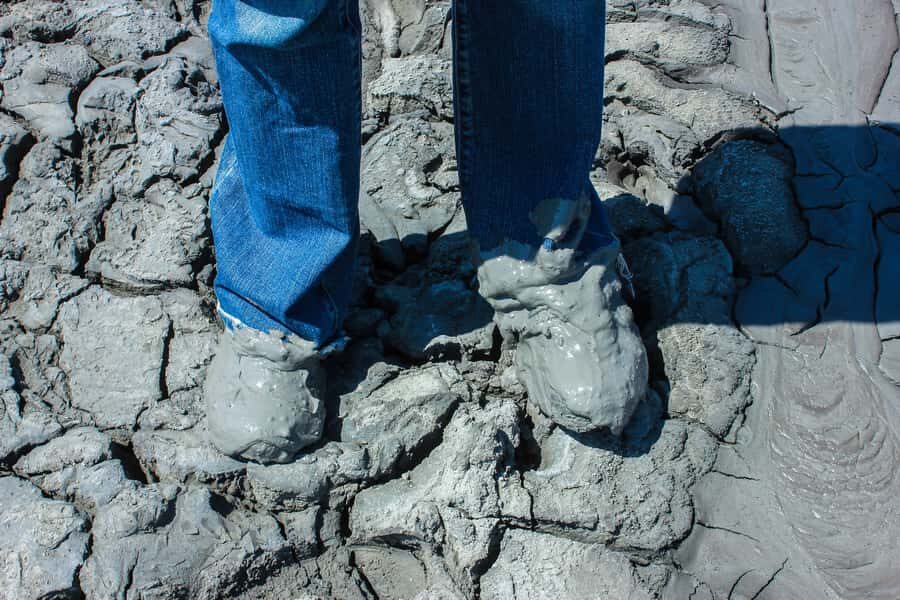
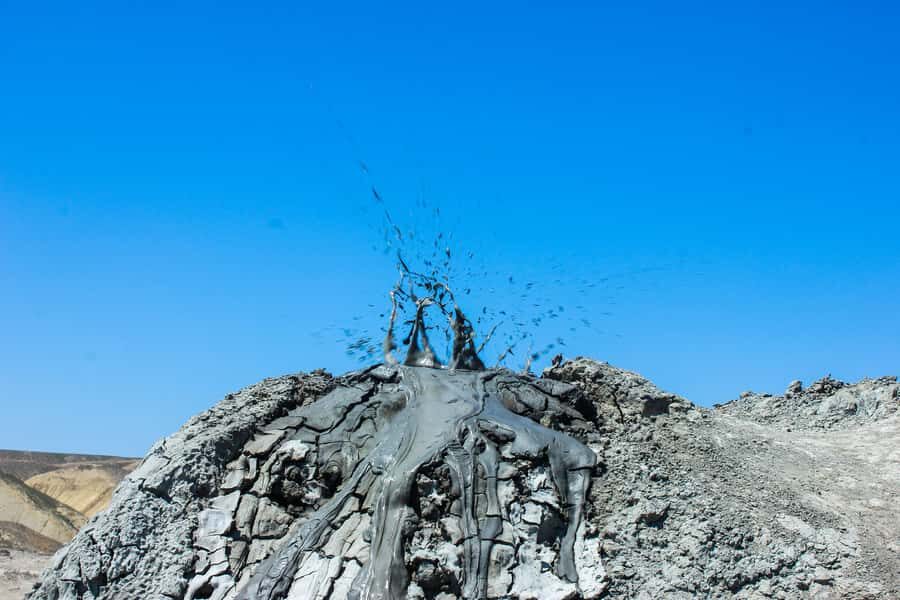
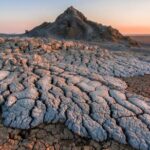
Then comes the main character of the geology side of the day: mud volcanoes. These aren’t volcanoes like you picture from movies. Think of them as slow, active earth features where mud and gases can emerge, shaping the terrain over time.
The tour includes a guided visit (around 40 minutes) to the mud volcano area. Here are the facts the guide will help you connect:
- Mud volcanoes are described as appearing in the region around 25 million years ago
- Azerbaijan ranks first in the world in the number of mud volcanoes, with 350 out of 800 worldwide
- Today, mud from these areas is used in chemical and construction industries
- It’s also described as being used in pharmacology, and volcanic clay/mud are linked to treatment of conditions involving the nervous system, skin, and rheumatism
That’s a lot of science and practical use in a short time, so the guide’s job is important. You’ll get better from this stop if you pay attention to what’s happening at the craters you look into and how local people and industries use the materials.
One of my favorite parts of this segment is that it’s not just a viewpoint. The tour mentions you’ll climb active mud volcanoes and view craters up close. That makes the experience physical. You’re not only learning; you’re seeing the terrain form where it’s active.
After this segment, there’s a break for lunch in the city center. Since lunch isn’t included, you’ll want to treat this as your reset button. If you’re sensitive to long days, this break matters more than you think.
Ateshgah Fire Temple: Zoroastrianism, plus Hindu worship roots
Next up is the Ateshgah Fire Temple, and this is where the tour’s theme of fire becomes concrete.
At Ateshgah, you’ll get a guided visit (about one hour). The tour describes the temple as having been used as a Hindu and Zoroastrian place of worship. The first mention dates back to the 7th century AD, which helps explain why this site feels both historical and spiritual without needing you to guess.
The tour also points you to “cells” associated with fire worshippers, along with historical exhibits found during archaeological excavations. That detail is useful. Many fire-temple stops can feel like you’re looking at a location that used to matter. Here, you’re shown the structure and artifacts that connect the site to worship practices rather than just the legend.
What I like about including Ateshgah in this day is that it bridges religion to geography. Absheron’s relationship with fire isn’t abstract here—you’ll later see Yanardag, a natural flame on a hillside. So Ateshgah feels like the explanation before the spectacle.
One practical note: you’re outside at these sites. Bring sunscreen and keep water handy. If you’re planning your camera settings, think about harsh light and contrast, especially later in the day.
Yanardag Burning Mountain: a flame that doesn’t take a day off
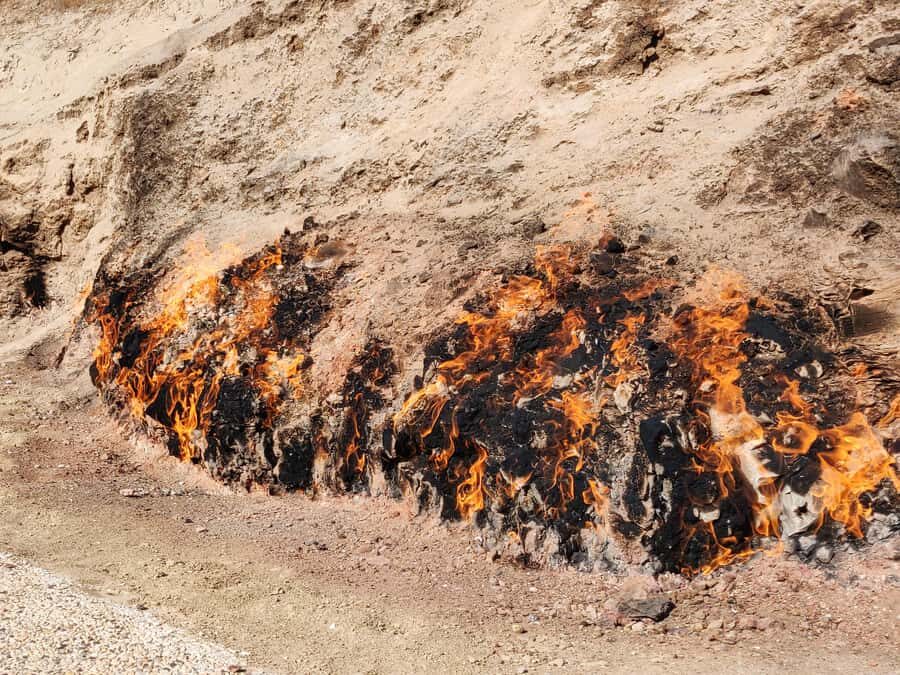
Finally, you reach Yanardag, also known as the Burning Mountain. This is the stop people talk about because it’s simple: there’s a natural gas flame that has been constantly burning since ancient times on the Absheron Peninsula near Baku.
The meaning of Yanardag is described as Burning Mountain. That’s not just poetic. It matches what you’re actually seeing: a steady flame on a hillside, tied to a natural gas feature rather than man-made torches.
This is also where the tour’s cultural thread gets interesting. The information states that to this day, pilgrims from Iran and India come to visit the sacred burning mountain. That gives Yanardag a living feel. It’s not only an artifact of the past; it’s a site with continued meaning.
Your guide visit here is about 40 minutes. For me, that’s about right because you’ll want time to watch the flame and take photos, but you also don’t want the day to get stuck in one repetitive moment. Yanardag is visually strong, but it’s most rewarding when you understand why the region has long been connected to fire worship traditions.
When you’re done, you’ll be dropped off back in Baku, with the tour ending at Fountain Square. That’s a convenient handoff. You can keep exploring or head for dinner without needing extra transport planning.
Price and logistics: is $99 actually a good deal?
At $99 per person for a nine-hour private tour, the value depends on what you compare it to. You’re paying for a live English guide, accredited guiding, private transportation, and admission-covered guided visits at multiple sites. The tour also includes pickup and drop-off in Baku, which saves time and stress.
But do factor in what’s not included:
- Lunch
- Personal expenses
- Entry ticket to Gobustan: $6
- Entry ticket to mud volcanoes: $9
- Entry ticket to Ateshgah and Yanardag: $9 (as listed)
So you should expect additional entry fees of roughly $24 total based on the listed amounts, plus lunch. Even with that, the overall package can still be a good deal if you like the guidance and don’t want to assemble transport across four distant locations.
Timing-wise, this is a full day, so you’ll want to treat it like one long cultural sprint. The guided segments are roughly:
- Gobustan: about 2 hours
- Mud volcanoes: about 40 minutes
- Ateshgah: about 1 hour
- Yanardag: about 40 minutes
That adds up well, and it gives you enough time at each stop to feel you learned something, not just took pictures and left.
What to pack is straightforward:
- Comfortable shoes
- Camera
- Sunscreen
- Water
And remember: this tour is not suitable for wheelchair users.
Who should book this Baku Absheron day trip (and who shouldn’t)
This is a great match if you want a compact day that links art, geology, and belief systems. If you enjoy guides who can explain more than just what you’re looking at, this tour leans into that—especially at Gobustan, where the interpretation makes the stone drawings come alive.
You’ll probably love it if:
- You want to see Gobustan rock art without guessing which carvings matter
- You like unusual geology stops where you can get close (mud volcano climbing)
- You’re curious about the fire theme—how it ties Ateshgah to Yanardag
You might reconsider if:
- You need step-free access (the tour isn’t suitable for wheelchair users)
- You hate long outdoor days with sun, dust, and uneven ground
- You’re hoping for a very relaxed pace. This tour covers multiple sites in one day, so you’ll be on the move.
The private-group setup helps a lot here. You’re not stuck with a random mix of interests that can slow everything down. And with an English guide, you get a steady narrative rather than stop-by-stop translations.
Should you book the Gobustan, Mud Volcanoes, Ateshgah, and Yanardag tour?
If you’re planning just one day on the Absheron Peninsula and you care about getting the story right, I’d book it. The mix is unusual in a good way: museum learning at Gobustan, then hands-on looking at mud volcanoes, then fire traditions at Ateshgah and Yanardag. It’s a full-day route that connects Azerbaijan’s human past with the region’s natural forces.
To make it work for you, do this:
- Bring comfortable shoes and water
- Budget for entry tickets and lunch
- Go in ready to listen. This is a guide-led day, and the explanations are the payoff
FAQ
FAQ
How long is the Baku: Gobustan, Mud Volcanoes, Ateshgah, and Yanardag Tour?
The tour lasts 9 hours.
What is the price of the tour?
The price is $99 per person.
Does the tour include hotel pickup and drop-off?
Yes. You get pick-up at your hotel or another location in Baku, and you are dropped off at Fountain Square at the end.
What language is the guide?
The live tour guide is in English.
What main stops are included?
You visit Gobustan (museum and rock art cultural landscape), the mud volcanoes, Ateshgah (Fire Temple), and Yanardag (Burning Mountain).
How much time do I spend at Gobustan?
Gobustan is listed as a guided tour for 2 hours.
Are entry tickets included in the tour price?
No. Entry ticket to Gobustan is $6, mud volcanoes is $9, and entry ticket to Ateshgah and Yanardag is $9 (as listed).
Is lunch included?
No. Lunch is not included.
Is the tour wheelchair accessible?
No. It is not suitable for wheelchair users.
Can I cancel for a refund?
Yes. You can cancel up to 24 hours in advance for a full refund.