REVIEW · BAKU
From Baku: Gobustan Day Tour
Book on GetYourGuide →Operated by Just 55 Usd Travel · Bookable on GetYourGuide
Gobustan feels like a time machine with mud volcanoes. I loved the Gobustan rock art—from old goat-hunt scenes to newer battle and everyday-life images—and I also loved how the stop doesn’t stay in one museum room: you finish with the real, steaming mud volcanoes near the Dashgil Group. A big part of that pull is the human scale of the tour, too, and the way guides like Habil and Karim make the details click without turning it into a lecture.
The main thing to consider is comfort and timing. The tour is short (about 4 hours), it runs rain or shine, and during bad weather the mud volcano part might run late or get adjusted. Also, entrance fees and food are not included, so you’ll want to plan around what you’ll eat before or after.
In This Review
- Key highlights to look for
- From Baku to Gobustan: the 4-hour rhythm
- Gobustan National Park: narrows, ravines, and 20,000-year drawings
- The 3D Bio Museum: where the guide turns walls into a story
- Boyuk-dash and the Roman clue you can actually point to
- Mud volcanoes: the short walk to a science show
- What the guides do right (and why it matters)
- Value for your time and money: $58 for a short, guided day
- Who this tour suits best
- Practical tips so your day goes smoothly
- Should you book the Gobustan Day Tour from Baku?
- FAQ
- How long is the Gobustan Day Tour from Baku?
- What’s included in the price?
- Do I need to buy tickets in advance?
- Will the tour run in bad weather?
- What should I bring?
- Is the tour wheelchair accessible?
Key highlights to look for
- Gobustan’s open-air rock museum with thousands of petroglyphs and paintings across changing eras
- 3D Bio Museum with a permanent exhibition spread across 12 rooms and a 3D cinema
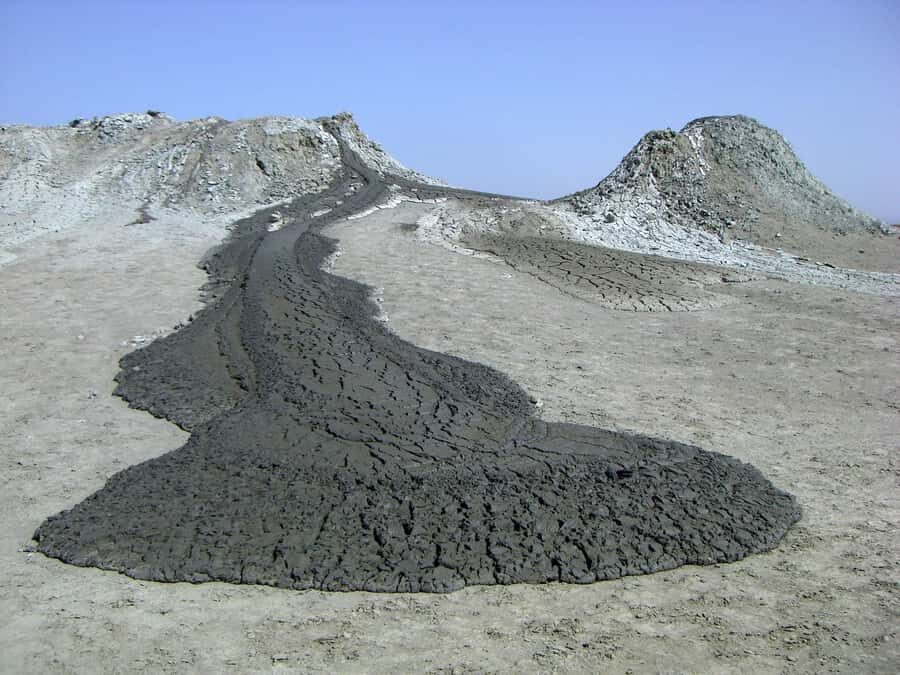
- Mud volcanoes at Dashgil Group, with multiple active cones you can see close up
- Rock-art timeline clues, including very old drawings dating back about 20,000 years and newer ones into the first century AD
- Roman connections, including a Latin inscription found near Mount Boyuk-dash
From Baku to Gobustan: the 4-hour rhythm
This is a fast, focused day trip from Baku—built for people who want the highlights without losing half a day to logistics. You’ll get hotel pickup (drivers wait no longer than 5 minutes after the scheduled time), then you head out by comfortable sedan with an English-speaking professional guide and water on board.
The tour’s duration is about four hours. That’s long enough to see the outdoor rock art, fit in the 3D Bio Museum experience, and still reach the mud volcano area—so you don’t feel like you’re only getting one piece of the story.
You can also read our reviews of more tours and experiences in Baku.
Gobustan National Park: narrows, ravines, and 20,000-year drawings
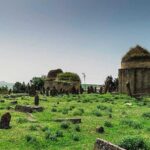
Gobustan’s setting is part of the message. The park is named for Azerbaijani words connected to narrows and ravines, and once you’re there, the craggy rock faces and fissures make the whole place feel carved out for humans to notice and remember.
The open-air museum is where you’ll spend your first real time: thousands of rock paintings and petroglyphs tied to life in the region across a huge span of time. One of the best parts of going with a guide is that the art stops looking like random markings. You start seeing patterns—hunting scenes, ritual movement, and later-day changes in what people chose to record.
A few storylines to listen for as you walk:
- The early imagery can go back roughly 20,000 years, with scenes tied to mountain goats and ritual dancing with spears.
- Later images (into the first century AD) shift toward battle scenes, collective labor, harvesting, and people by the hearth.
- You can also spot boat images with oarsmen, which points to early occupants who were connected to sailing—not just land life.
You’ll also hear about archaeological work that began long ago and is still ongoing. Even if you’re not a museum person, that “still being excavated today” detail makes the place feel alive, not fossilized.
The 3D Bio Museum: where the guide turns walls into a story
After the outdoor walking, the 3D Bio Museum is a good reset. It’s designed to help you place what you’ve just seen into a bigger understanding of how prehistoric people lived and what these rock images might have meant.
The museum experience is built around:
- A permanent exhibition organized into 12 rooms
- A 3D cinema that adds an audio-visual layer to the facts you’ve already picked up outside
- A focus on how people lived here and why the petroglyphs are significant
This is where the best guides make the biggest difference. In the accounts I’m drawn to, guides like Habil are praised for explaining clearly and making the history feel connected to real human behavior—hunting, gathering, community work, and ritual. You’ll likely leave with a much better sense of cause and change over time, not just what’s pictured.
Boyuk-dash and the Roman clue you can actually point to
One of the neat moments in Gobustan is the Roman connection. Your guide will point out a Latin inscription found at the foot of Mount Boyuk-dash. That single detail matters because it suggests the area wasn’t just prehistoric farmers and hunters—it also saw later contact from Roman-era forces near Baku.
It’s a useful reminder that sites like this don’t exist in one neat time box. They can layer meanings, from ancient carving traditions to later historical traces.
Mud volcanoes: the short walk to a science show
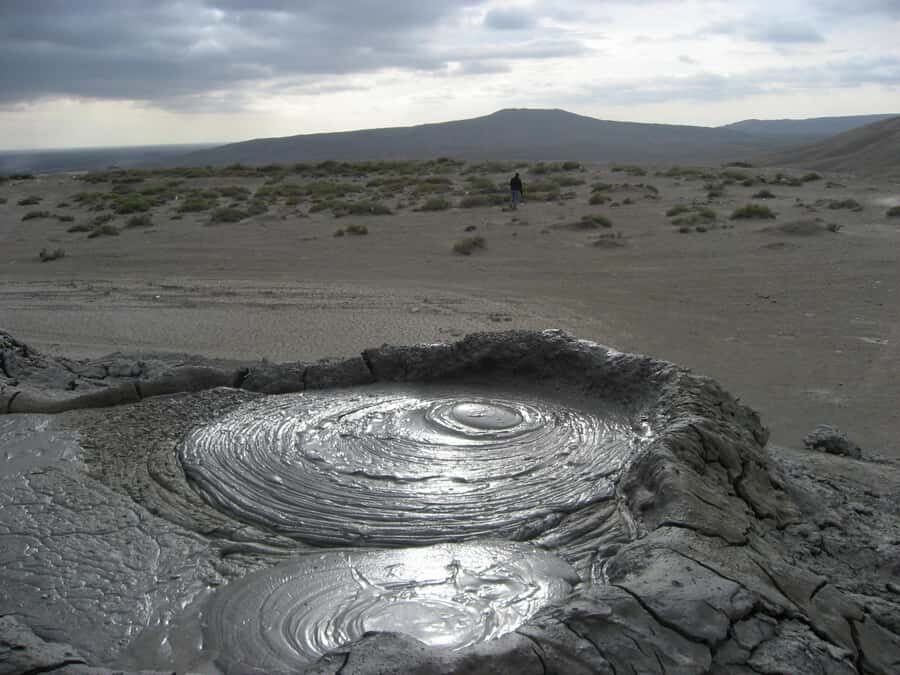
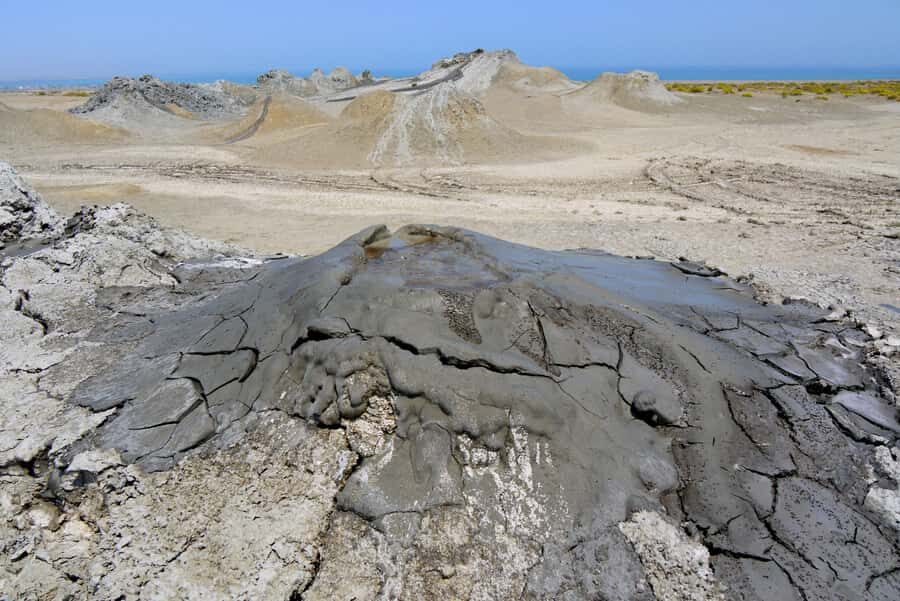
Then you shift from art and time into a very physical, very Azerbaijani stop: mud volcanoes. Azerbaijan is famous for them, and the park area has a strong concentration, including the Dashgil Group located east of the Gobustan museum.
You’re not just seeing “a cool hole in the ground.” You’re seeing geological activity—active mud volcano formations with multiple cones and vents close enough to make you look twice. The effect is both weird and fascinating: it’s like the Earth is exhaling.
A practical note: you’ll want comfortable shoes. Ground can be uneven, and you’ll be moving around on a mix of paths and rocky surfaces. If your mobility is limited, this is where you’ll feel it.
Also, this part of the day is the most weather-sensitive. The tour runs rain or shine, but during bad weather conditions the mud volcano segment might be delayed.
What the guides do right (and why it matters)
This type of tour can go two ways. You either get someone who points out a few rocks and moves on fast, or you get a guide who helps you read the place.
The strongest feedback here is about guides who are genuinely prepared and fun to ride with. Habil is highlighted for huge knowledge of Azerbaijan’s history and for being helpful, not pushy. Karim is mentioned for going out of the way in a very practical way—organizing a mud volcano bath—showing that the tour isn’t only about facts, it’s also about handling the small realities so you can actually enjoy the experience.
If you care about turning sightseeing into understanding, pick up on how your guide handles the timeline. The best tours make you compare what’s older versus what’s newer—like differences between the oldest drawings and the later first-century AD images—without making it feel like homework.
Value for your time and money: $58 for a short, guided day
At $58 per person for a roughly four-hour private experience, the value mainly comes from what’s included and what you don’t have to juggle.
You’re getting:
- Hotel pickup and drop-off
- A professional English-speaking guide
- A comfortable sedan (so you’re not wrestling with local transport timing)
- Water
- Skip-the-ticket-line access
What you’re not getting:
- Food
- Entrance fees
Because the trip is short, it’s also easier to fit into your schedule. You won’t spend the day chasing connections, and you can plan a simple meal before you go and another afterward. It’s a good pick if your Baku time is limited but you still want to see something deeply “Azerbaijan” rather than only city highlights.
Who this tour suits best
This tour is a strong fit if you:
- Want a guided, English-language explanation without spending the whole day
- Care about prehistoric art and want help interpreting what you’re seeing
- Like nature-tinged stops, especially active geological features
- Prefer the convenience of hotel pickup in a private group setting
It’s likely not your best match if you:
- Use a wheelchair
- Have heart problems or back problems
- Are pregnant
That’s less about the drive and more about the walking and uneven terrain typical of museum-style outdoor sites and mud volcano areas.
Practical tips so your day goes smoothly
A few small details make a big difference on this kind of tour.
Wear comfortable shoes. It’s not a long hike, but you’ll still want traction and support.
Plan for the mud volcano part by expecting it to feel a bit messy—at minimum, it’s a muddy environment, even if you don’t go for a full mud bath.
Also, note the rule: no luggage or large bags. This is a sedan day trip, so pack light.
If weather looks questionable, keep expectations flexible. The tour runs in rain or shine, but mud volcano timing may shift.
Should you book the Gobustan Day Tour from Baku?
If you want a high-impact day without overplanning, I think this is an easy yes—especially because you get both sides of the story: prehistoric rock art and active mud volcano geology, explained by a guide who knows how to make it understandable.
Book it if your goal is to see the key sites in one go and you’re comfortable with a short schedule and outdoor walking. Skip or reconsider if you have mobility concerns, heart/back issues, or you need a fully accessible route.
If you’re on the fence, my advice is simple: Gobustan is the kind of place where a good guide pays for itself. The difference between seeing petroglyphs as symbols and understanding what they might mean is the whole point here.
FAQ
How long is the Gobustan Day Tour from Baku?
The tour duration is 4 hours.
What’s included in the price?
Included features are hotel pickup and drop-off, a professional guide, a comfortable sedan, and water. Entrance fees and food are not included.
Do I need to buy tickets in advance?
The tour includes skip-the-ticket-line, which helps you avoid standing around.
Will the tour run in bad weather?
The tour takes place rain or shine. During bad weather conditions, the mud volcanoes part might be delayed.
What should I bring?
Wear comfortable shoes. The tour also notes that you should not bring luggage or large bags.
Is the tour wheelchair accessible?
No. The tour is listed as not suitable for wheelchair users, and it’s also not suitable for pregnant women, people with back problems, or people with heart problems.