REVIEW · BAKU
Baku: Gobustan and Absheron Adventure Tour
Book on GetYourGuide →Operated by Baku Fire Tour · Bookable on GetYourGuide
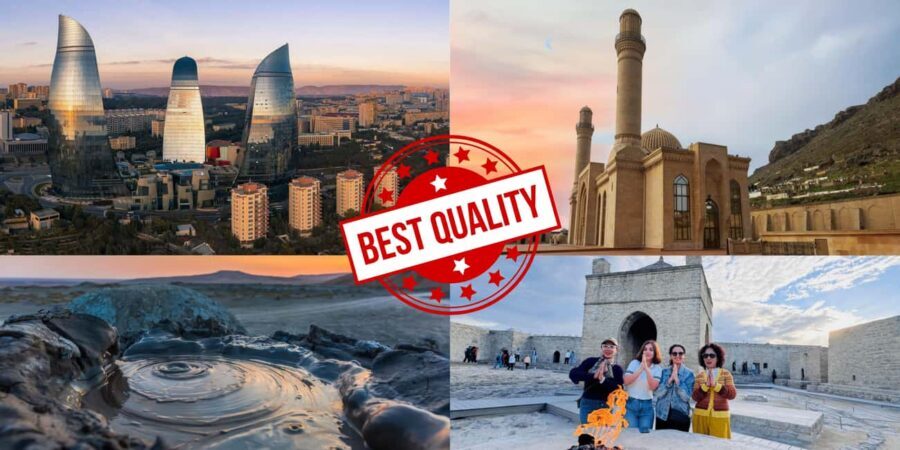
One day in Absheron feels like time travel. You’ll visit Gobustan Rock Art Reserve with its 40,000-year petroglyphs, then chase natural fire at Ateshgah and Yanar Dag. The best part is how history and geology sit side by side. The one catch: site entrance fees are extra and the mud volcano ticket is mandatory in rain.
I like that this tour runs with a simple, efficient flow: hotel pickup, a real local guide, and air-conditioned transport for the long drive out of central Baku. Guides often keep things lively and clear in English, and you may even get a standout explainer like Murad, Kamal, or Javid, depending on the day. Still, plan your timing around on-site ticket lines because that’s where the day’s pace can change.
You’ll need comfortable shoes and a little flexibility. Uneven ground is normal at Gobustan and the mud volcano area, and rain can redirect you to the Mud Volcanoes Complex. If you’re coming for easy, predictable costs, choose the option that includes entrance fees; otherwise, budget for AZN cash for the mud stop.
In This Review
- Quick hits before you go
- Azerbaijan’s “Land of Fire” is more than a slogan
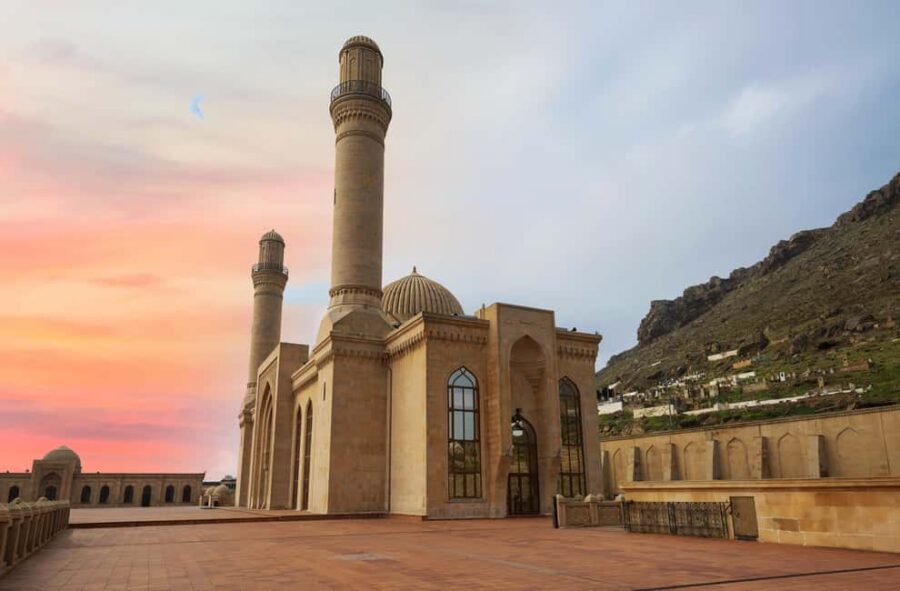
- Starting the day near Baku with Bibi-Heybat Mosque
- Gobustan National Park: where rock art reaches back 40,000 years
- Mud Volcanoes: the hiss, the smell, and the AZN cash reality
- Ateshgah Fire Temple: when gas becomes a shrine
- Yanar Dag: the burning hillside that never really turns off
- The itinerary’s real value: it’s paced for understanding
- Price and tickets: the $9 bargain depends on how you handle entrances
- Transport and guide quality: why this feels organized rather than chaotic
- Who should book this Gobustan and Absheron adventure
- Should you book this Baku: Gobustan and Absheron Adventure Tour?
- FAQ
- How long is the Gobustan and Absheron adventure tour?
- What’s included with the tour price?
- Are entrance tickets included?
- What entrance fees should I expect to pay for the sites?
- What happens if it rains?
- What should I wear or bring for the mud volcano stop?
Quick hits before you go
- Gobustan is UNESCO rock art: over 6,000 petroglyphs tied to life 40,000 years ago
- Mud volcanoes are required: 30 AZN cash, and the fee applies even in rain
- Ateshgah’s fire is natural gas: a 17th-century site connected to travelers’ faith traditions
- Yanar Dag burns continuously: a hillside flame fed by underground gas
- Bibi-Heybat Mosque adds a city anchor: faith and architecture right near Baku’s modern energy
Azerbaijan’s “Land of Fire” is more than a slogan
This tour is built around one idea: Azerbaijan’s famous fire is not just folklore. You’ll see it in multiple forms, from sacred flame at Ateshgah Fire Temple to the natural burn of Yanar Dag. That makes the day feel more cohesive than a random checklist of stops.
The other theme is human time depth. At Gobustan, you’re not just looking at old rocks. You’re reading evidence of early hunting, daily life, and the urge to mark place with art. The tour does a nice job of switching gears: human stories first, then the planet doing its strange work, then back to culture and belief.
You can also read our reviews of more tours and experiences in Baku.

Starting the day near Baku with Bibi-Heybat Mosque
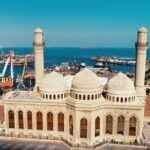
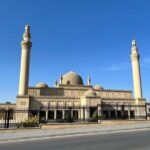
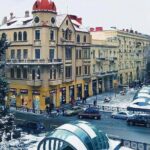
Most days begin with Bibi-Heybat Mosque on the Absheron side. Even if you’re not deeply into architecture, it’s a useful opening stop because it brings you back to present-day Baku while the rest of the day shoots outward to prehistoric and natural sites.
Look at how the mosque connects to the coastline and the broader Absheron region. It helps you understand why so many people use Baku as a base: city life is right there, but the dramatic geology and ancient sites are within reach.
A practical tip: if you want photos without stress, dress respectfully and keep your camera ready but don’t rush inside. Mosque visits can be quicker than museums, but rules are usually strict.
Gobustan National Park: where rock art reaches back 40,000 years
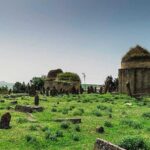
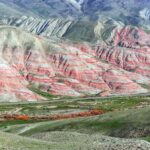
The star of the day is Gobustan Rock Art Reserve, part of Gobustan National Park and a UNESCO World Heritage Site. The headline number is 6,000-plus petroglyphs, dated back about 40,000 years. That scale matters. You’re not staring at one carving and moving on. You’re walking through a whole archive.
What I like about Gobustan is that the setting explains the art. The carvings sit in a rugged, outdoor environment tied to prehistoric life. You’ll usually see early human shelters/caves and learn how people lived, hunted, and created those images. Even if your background knowledge is limited, a good guide turns it into a story you can follow.
What to watch for:
- Footing: the reserve includes uneven terrain, so sturdy shoes are worth it
- Sun and wind: plan for it being exposed, not cozy and indoor
If you’re the type who likes to “read” a place instead of just sightseeing, Gobustan is your stop.
Mud Volcanoes: the hiss, the smell, and the AZN cash reality
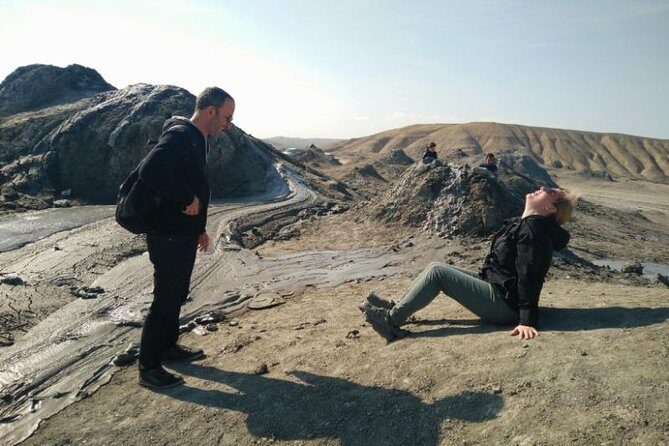
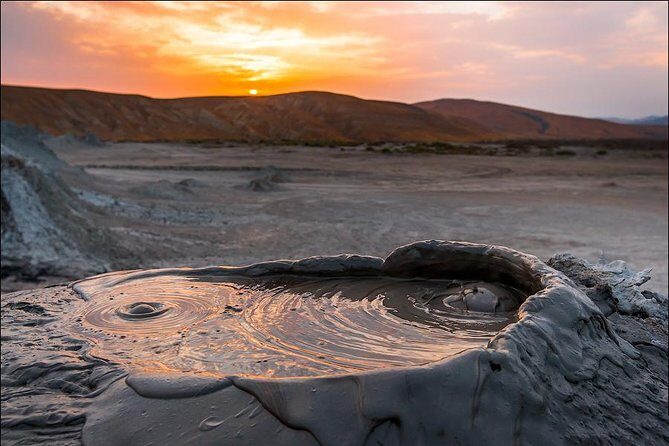
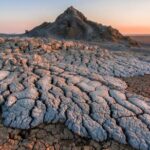
Then comes Mud Volcanoes, one of the most unusual places around Baku. This isn’t a quiet viewpoint. You’ll see ground that bubbles and hisses as gases push up from below. It feels otherworldly, which is exactly why it attracts photographers.
Two practical points matter here:
- The mud volcano ticket is mandatory: 30 AZN cash.
- Rain doesn’t cancel it: if the weather turns, the tour redirects to the Mud Volcanoes Complex, and the fee still applies.
That “cash” detail is the one thing that can cause friction if you’re used to card payments. Keep some AZN on hand before you go.
Also, bring the right expectation: mud volcanoes are messy. The tour even encourages a souvenir-style tradition: bring an empty bottle to collect mud. You’ll want something that won’t spill in your bag.
If you want a fun bonus angle, expect the ride and experience to feel more like a rougher adventure than a gentle city tour. The vibe can be jeep-like rather than bus-like, depending on conditions.
Ateshgah Fire Temple: when gas becomes a shrine
Next up is Ateshgah Fire Temple, a site with a strong “how is this possible?” feeling. It’s a 17th-century religious location that links to worship practices associated with Zoroastrianism, and it also drew Hindu travelers over time. The key detail is the fire itself: it’s fueled by natural gas, making the flame feel both human-made (as a shrine) and natural (as a phenomenon).
This stop is valuable because it explains a big concept without needing you to be an expert. You’re learning how people used the environment around them as part of belief and ritual. That helps connect Ateshgah to Yanar Dag later in the day: same fuel source idea, different cultural presentation.
Practical note: wear shoes that can handle uneven paths. Temple sites often involve short walks on rough ground.
Yanar Dag: the burning hillside that never really turns off
Yanar Dag is the final natural-fire punch. This is a hillside where natural gas burns continuously. You’ll see flames rising from the ground, and it’s tied to Azerbaijan’s identity as the Land of Fire.
The reason I find Yanar Dag so compelling is that it turns a slogan into something physical. One moment you’re in a tourist circuit, and the next you’re watching fire behave like a geological feature. The guide’s context matters here, because it helps you understand what you’re seeing beyond the photo.
Timing-wise, this tends to be the emotional high point for many people. If you’re sensitive to heat, keep a water bottle handy (water is sometimes provided on the day; don’t count on it).
The itinerary’s real value: it’s paced for understanding
This isn’t a 60-minute “hit and run” tour. The full day is about 6–7 hours, with hotel pickup and transport in an air-conditioned vehicle. That time window is important because it gives you enough structure to learn at Gobustan, experience mud volcanoes as a real stop (not a photo-only skim), and still reach Ateshgah and Yanar Dag without feeling frantic.
One pattern that’s usually key to a good day here is time at each site. A strong guide makes a difference by keeping explanations clear and making sure you don’t feel rushed from one viewpoint to the next. The most praised guides on this kind of route tend to be the ones who manage the whole day with energy and good communication, and you may hear sharp, simple explanations in English from guides like Murad, Kamal, or Berkay.
A quick drawback to plan for: weather can affect the exact flow. Rain redirects you to the Mud Volcanoes Complex, and that can change the feel of the day. Fees remain the same, but your sense of “what exactly happened” might shift.
Price and tickets: the $9 bargain depends on how you handle entrances
The tour price starts around $9 per person, which is unusually low for a full-day excursion that includes private-feeling transport and a professional guide. But you have to separate two things:
- The tour cost (low entry price)
- The on-site entrance fees (which you’ll likely pay separately)
Entrance fees listed for standard pricing:
- Gobustan: 10 AZN
- Mud Volcanoes (mandatory): 30 AZN cash (even in rain)
- Ateshgah & Yanardagh: 15 AZN
Because those fees can stack quickly, the true value of the day depends on whether you choose the option that includes entrance fees. If you want a smoother, more predictable day, pay for that convenience up front. It may also come with extra bonus value: choosing the entrance-fees-included option can include a free Baku Old City tour, and you can ask about private guides.
So here’s my practical take:
- If you’re comfortable handling AZN cash and quick ticket stops, the base price can be a great deal.
- If you hate on-site payments and want fewer surprises, pay for entrance fees included.
Also note: lunch isn’t included, so you’ll want to plan a light meal strategy. Bring snacks if you tend to get hungry, especially if the day runs tight.
Transport and guide quality: why this feels organized rather than chaotic
The tour includes modern air-conditioned transport and hotel pickup. That matters in Absheron because you’re dealing with distance and time. When the vehicle is clean and punctual, the whole day feels calmer.
The guide factor is huge here. The most consistently praised element across days is clear English explanations and good coordination. You might get guides such as Javid, Aysu, Ayedan, Magsud, Murad, or Kamal, and the common thread is that they make the sites understandable, not just narrated.
Even when traffic or delays happen, the best guides tend to keep the day on track so you still hit all major stops. That’s not guaranteed with every operator, but it’s the kind of “management skill” you’ll want on a day that depends on weather and timing.
Who should book this Gobustan and Absheron adventure
This tour is a good match if you:
- want a full-day Azerbaijan sampler without switching between multiple operators
- care about prehistory plus natural phenomena in one route
- like explanations with context, not just “stand here for a picture”
You might skip it (or adjust expectations) if you:
- hate paying extra on-site for multiple entrances
- don’t want to deal with cash (mud volcano fee is cash-based and mandatory)
- need a strict schedule with no weather-based rerouting
If you’re staying in Baku for more than a couple of days, this gives you a strong day outside the city center without feeling like a long overland marathon.
Should you book this Baku: Gobustan and Absheron Adventure Tour?
Yes, I’d book it if you want a highly practical day trip that pairs UNESCO-grade Gobustan rock art with two of Azerbaijan’s most famous fire sites, Ateshgah and Yanar Dag. The day’s value is strongest when you plan for entrance fees, wear good shoes, and keep some AZN cash ready for the mud volcano stop.
If you’re the type who wants everything predictable and paid up front, choose the option that includes entrances. Either way, you’ll come away with a real sense of why Azerbaijan feels both ancient and alive at the same time.
FAQ
How long is the Gobustan and Absheron adventure tour?
The tour runs for approximately 6–7 hours.
What’s included with the tour price?
You get hotel pickup and comfortable air-conditioned transportation plus a professional guide who speaks Russian and English. Lunch is not included.
Are entrance tickets included?
Entrance tickets for Gobustan National Park, Ateshgah, and Yanardagh are not included in the standard price, unless you select an option that includes entrance fees.
What entrance fees should I expect to pay for the sites?
The listed fees are: Gobustan 10 AZN, Mud Volcanoes 30 AZN (cash, mandatory), and Ateshgah & Yanardagh 15 AZN.
What happens if it rains?
If it rains, the tour redirects to the Mud Volcanoes Complex, and the mud volcano fee still applies.
What should I wear or bring for the mud volcano stop?
Wear comfortable shoes with good grip for uneven terrain. Bring an empty bottle if you want to collect mud as a souvenir.