REVIEW · BAKU
Gobustan, Mud Volcano, Burning Mountain and Fire Temple Tour
Book on Viator →Operated by MyBakuTours · Bookable on Viator
One long walk through weird geology and ancient symbols. This Gobustan, Mud Volcano, Fire Temple and Burning Mountain route gives you a rare mix of Stone Age rock engravings, living ground (yes, it bubbles), and nonstop flames from natural gas. I like that it’s organized enough to see a lot without turning into a stress-fest.
I especially like the pacing: you get real time at each main stop instead of just a photo pull-and-go. And I like the human side too—English-speaking drivers and guides (some names you might hear like Kamran or Saddar) keep the story clear, and people also note a patient, friendly vibe, even with kids. One consideration: it’s a short day trip with a whistle-stop flow, and entrance fees plus lunch aren’t included, so your final cost may be a bit higher than $80.
Key moments I’d plan my day around
- Gobustan rock art in a desert ravine landscape with world-famous petroglyphs
- Cold mud volcanoes that bubble with methane and once-subterranean sludge
- Ateshgah (Fire Temple) tied to Zoroastrian pilgrimage and the trade routes of the region
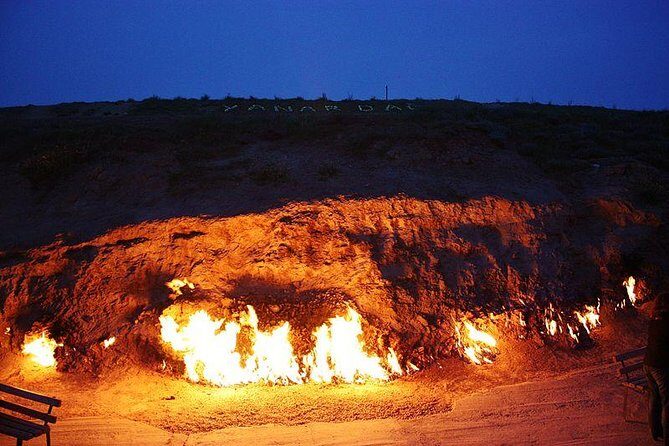
- Yanar Dag burning hillside with flames that can jet roughly 3 meters high
- Two classic Baku add-ons: Bibi-Heybat Mosque and the World’s First Oil Well
In This Review
- A Whistle-Stop Route Beyond Baku’s City Lights
- Gobustan Rock Art: Ravine Land and Stone-Age Stories
- Mud Volcanoes by the Caspian: Cold Heat from the Ground
- Ateshgah Fire Temple in Surakhani: When Fire Had Meaning
- Yanar Dag Burning Mountain: A Natural Gas Fire Show
- Bibi-Heybat Mosque and the First Oil Well: Two Quick Baku Anchors
- Bibi-Heybat Mosque
- World’s First Oil Well
- Price and Logistics: Is $80 Good Value?
- What the Short Time Really Means (And How to Enjoy It)
- Who Should Book This Tour From Baku?
- Should You Book This Gobustan and Fire-Themed Day Trip?
- FAQ
- What does the tour include in the price?
- How long is the tour?
- Is pickup offered?
- Is this a private tour or shared group?
- Are entrance fees included for each stop?
- Do I need to book far in advance?
- Is a mobile ticket provided?
- What if weather is bad?
- What is the cancellation policy?
A Whistle-Stop Route Beyond Baku’s City Lights
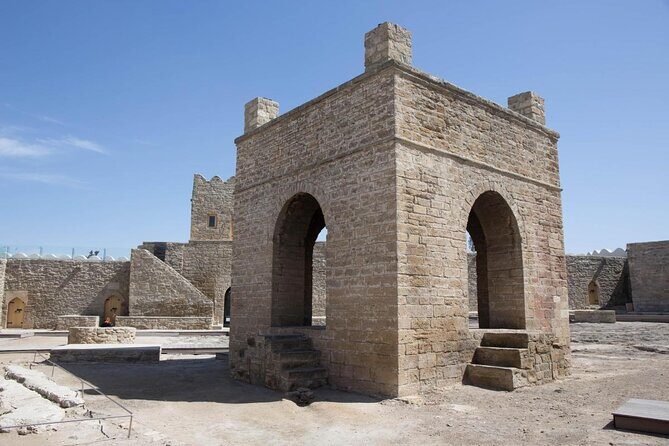
This tour is built for travelers who want the “outside of Baku” experience without wasting half a day commuting. In roughly 5–7 hours, you’ll cover a tight loop that moves from ancient rock carvings to geology that feels almost alive.
The biggest win is how the day connects themes. You go from humans marking stone thousands of years ago, to the earth itself making heat, gas, and movement, to a place where fire mattered for worship and philosophy. It’s one of those days where each stop makes the next one easier to understand.
Gobustan Rock Art: Ravine Land and Stone-Age Stories
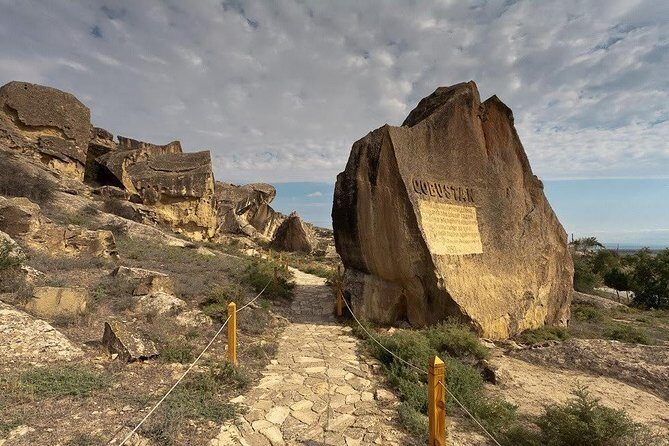
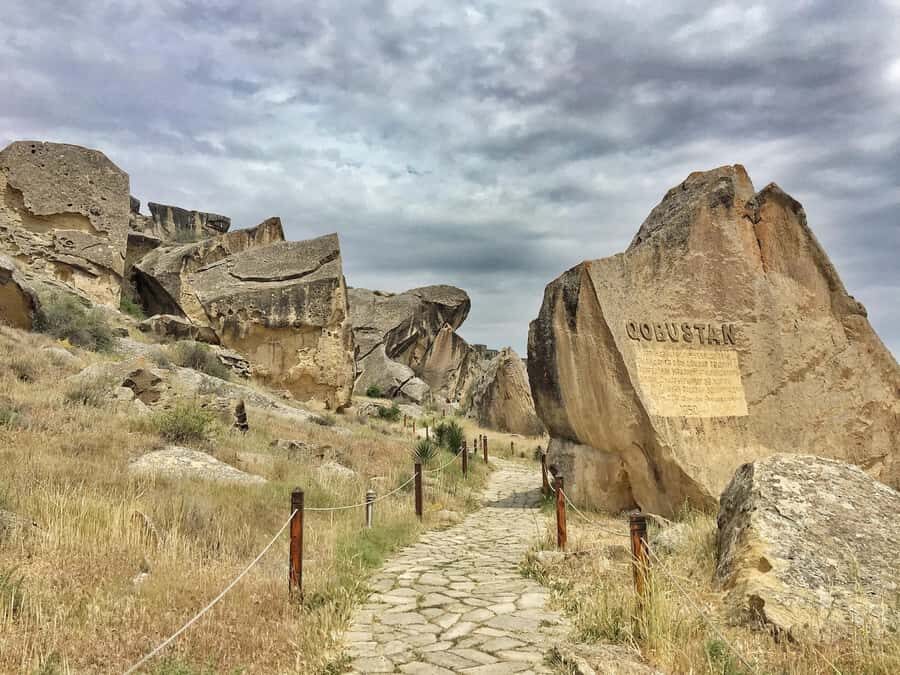
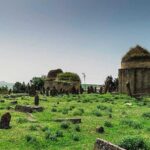
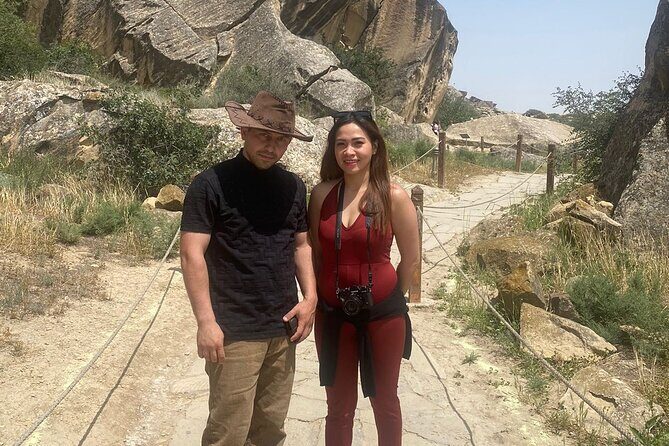
Gobustan sits about 60 km south of Baku in a semi-desert zone carved by gullies and ravines—locals translate it as ravine land. The rock faces and nearby caves are famous for petroglyphs, engravings left since the Stone Age that make the area feel like an open-air museum.
You’ll likely spend around an hour here, which is enough time to see why it’s considered one of the major ancient centers of rock art. The key thing to know is that you’re not just looking at random scratches. These markings are part of a larger record of long-term human life in a harsh, changing environment.
One practical consideration: because you’re outdoors and moving between rock points, wear something comfortable for uneven ground. Also, because admission tickets aren’t included, plan on paying entrance on the day.
You can also read our reviews of more tours and experiences in Baku.
Mud Volcanoes by the Caspian: Cold Heat from the Ground
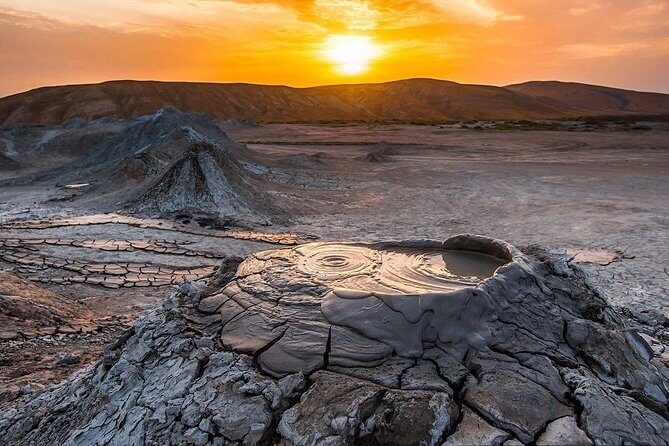
After Gobustan, you’ll head to the mud volcano area around Gobustan National Park near the Caspian Sea. These aren’t fiery lava volcanoes. Think oozing, gurgling mounds that once held underground sludge and methane, with the important twist that the mud is cold.
This stop is short—about an hour—but it’s memorable because it feels like the earth is doing its own quiet performance. You’re watching a natural process that’s driven by gas and pressure rather than magma, which makes it a good contrast after the ancient carvings at Gobustan.
If you’re the type who likes “how does this work?” questions, this is the moment to lean in. Even if you don’t go deep into geology, the basic idea is clear: the ground releases material and gases through vents, and that constant bubbling changes your sense of what a volcano can be.
Ateshgah Fire Temple in Surakhani: When Fire Had Meaning
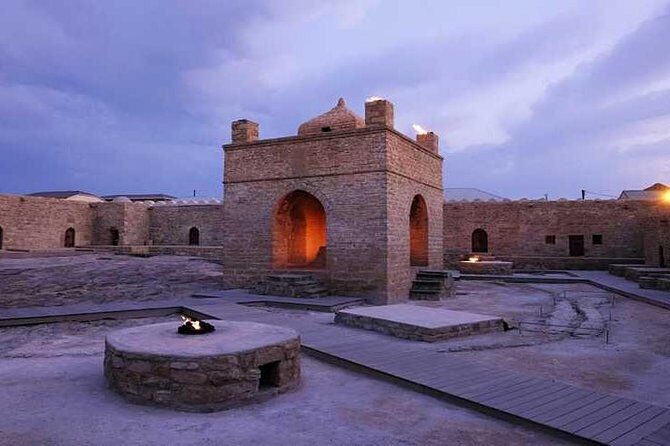
Next comes Ateshgah, the Fire Temple of Baku, located in Surakhani town. The temple is described as castle-like and tied to Zoroastrian pilgrimage and philosophical life—specifically for worshippers connected to Northwestern India’s traditions and trade with the Caspian region.
The temple you visit was last restored in 1975, and today you can also see low, dark cells for monks and pilgrims. It functions as a museum that introduces the basics of Zoroastrianism to visitors who don’t already know the religion.
This stop lasts about 50 minutes. That’s a sweet spot: enough time to understand why fire mattered (and how it was linked to the local physical environment), without turning it into a lecture marathon. The best tip here is simple: ask the driver or guide to connect the religious idea of fire to Azerbaijan’s natural gas presence. It makes the story click.
Yanar Dag Burning Mountain: A Natural Gas Fire Show
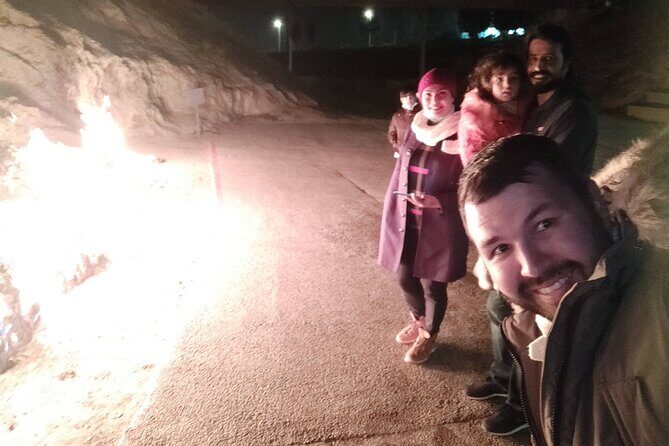
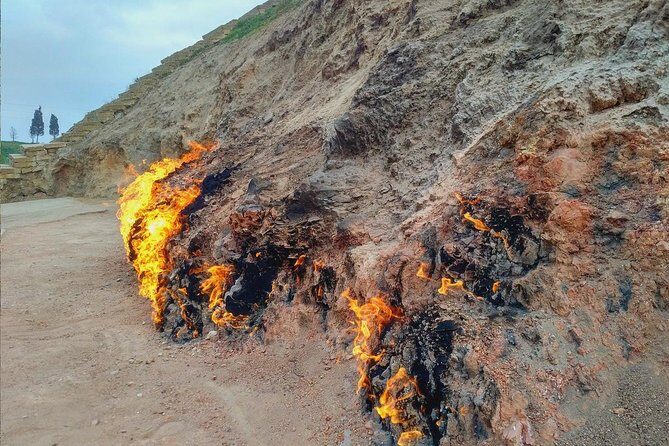
Yanar Dag, often called the Burning Land, is one of those places you have to see to believe. It’s a natural gas fire burning continuously on a hillside on the Absheron Peninsula near Baku.
In plain terms: flames jet into the air—about 3 meters from a thin porous sandstone layer. The fire was famously noted when it accidentally lit by a shepherd in the 1950s, and that detail helps explain the “how did this start?” curiosity most people bring with them.
You’ll typically spend around 30 minutes here. Because it’s outdoors, weather matters. If it’s rainy or windy, it can change your comfort and your view, and the operator notes the experience requires good weather. So if skies look iffy, bring a practical attitude—and a light rain layer if you have one.
Bibi-Heybat Mosque and the First Oil Well: Two Quick Baku Anchors
After the geology-and-fire stops, the day shifts back toward Baku’s cultural and industrial identity.
Bibi-Heybat Mosque
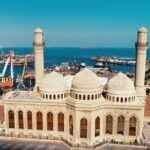
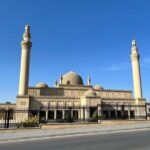
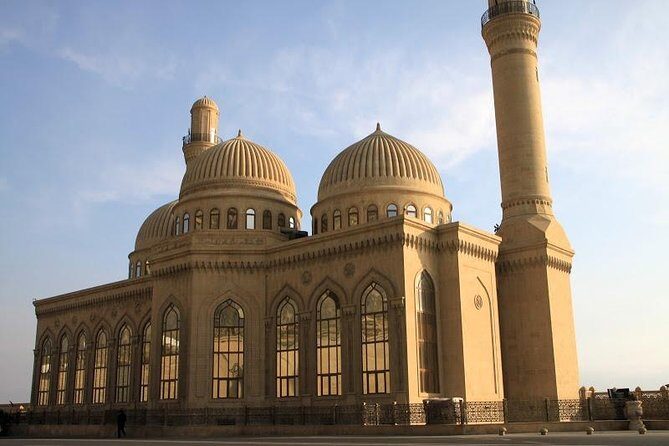
You’ll visit Bibi-Heybat Mosque, described as a stunning architectural site by the Caspian Sea. Expect a quick stop—around 10 minutes—so this is more about getting your eyes on the design and atmosphere than doing a long, slow sightseeing session. Still, it works well as a palate cleanser after all the earth science and burning hillside drama.
World’s First Oil Well
Then you’ll go to the World’s First Oil Well, a historic site marking the dawn of the modern petroleum era. That second 10-minute stop is short, but it adds a big-picture angle: Azerbaijan’s natural resources didn’t just shape landscapes like Yanar Dag. They also shaped the global oil industry.
If you like cause-and-effect history, this is where the “fire and ground” theme turns into a human story about trade, technology, and industry.
Price and Logistics: Is $80 Good Value?
At $80 per person for a 5–7 hour private tour, this is priced like a practical day trip rather than a long, multi-day excursion. You’re paying for transportation, an air-conditioned vehicle, and a English-speaking driver, plus a private setup for your group.
What’s not included is where you should do your quick mental math:
- Entrance fees are not included
- Lunch isn’t included
- Alcoholic beverages aren’t included
So your all-in cost depends on what you’ll pay for admissions at places like Gobustan Rock Art and other sites. If you’re trying to budget tightly, plan to add that on top.
One more value point: the tour includes pickup and focuses on a small time window. If you don’t want to piece together multiple day trips or figure out transit, the structured route can save you real hassle.
What the Short Time Really Means (And How to Enjoy It)
This day is efficient. That’s the charm, but it also means you can’t expect deep lingering at every single site.
Here’s how I’d enjoy it anyway:
- Commit to the big ideas: ancient human markings, bubbling geology, and fire tied to culture and environment.
- Take fewer, better photos: the rock art and the flames both look best when you pause long enough to actually look, not just snap.
- Use your guide time: since the driver speaks English and can explain what you’re seeing, ask quick questions rather than waiting for a full lecture.
If you’re the type who loves slow museum pacing, this may feel fast. But if you’re aiming to cover the essentials around Baku—especially the “wow” sites—this format fits well.
Who Should Book This Tour From Baku?
This tour fits you if you want a one-day mix of:
- Unique natural phenomena (mud volcanoes and continuous hillside fire)
- Ancient cultural sites (rock art and the Fire Temple)
- Two quick Baku identity stops (mosque + oil history)
It’s also a good fit for families and groups because the tone in the experiences is described as patient and hospitable, and kids reportedly enjoyed the day. If you’re traveling with mixed ages or you don’t want to split the group into separate plans, private transportation and pickup help a lot.
Should You Book This Gobustan and Fire-Themed Day Trip?
I’d book it if your goal is maximum variety with minimal logistics. The combination of Gobustan petroglyphs, cold mud volcanoes, Ateshgah’s fire connection, and Yanar Dag’s continuous flames is a standout mix you don’t usually find in one tight route.
I wouldn’t book it if you only want slow, deep sightseeing or if you hate paying entrance fees and figuring lunch separately. Also, because the experience requires good weather, keep an eye on forecasts and be ready to adjust expectations if conditions are bad.
If you want a day that feels like you’re moving through different layers of Azerbaijan—human, geological, spiritual, and industrial—this is a smart choice.
FAQ
What does the tour include in the price?
The tour price includes air-conditioned vehicle, private transportation, and an English-speaking driver. Entrance fees, lunch, and alcoholic beverages are not included.
How long is the tour?
The duration is approximately 5 to 7 hours.
Is pickup offered?
Yes, pickup is offered.
Is this a private tour or shared group?
This is private transportation for your group only.
Are entrance fees included for each stop?
No. Admission tickets/entrance fees are not included in the package price.
Do I need to book far in advance?
On average, this tour is booked about 7 days in advance.
Is a mobile ticket provided?
Yes, the tour uses a mobile ticket.
What if weather is bad?
The experience requires good weather. If it’s canceled due to poor weather, you’ll be offered a different date or a full refund.
What is the cancellation policy?
You can cancel for a full refund up to 24 hours in advance. If you cancel less than 24 hours before the start time, you won’t receive a refund.