REVIEW · BAKU
Gobustan Tour and Mad Volcanoes – tour to stone age
Book on Viator →Operated by Outdoor Caucasus · Bookable on Viator
Gobustan has a way of making time feel weird. You’ll get UNESCO rock art at Gobustan National Park plus an active stop at the mud volcanoes, with a local guide and bottled water included. What I like most is how the petroglyphs connect daily life across centuries, and how the mud volcano stop adds a real-world, natural spectacle. One thing to consider: the drive is about 2 hours each way, so if you get car-sore easily, plan to stretch when you can.
This is also a smart “half-day history + nature” combo for Baku. The rock engravings date back to the 12th to 8th centuries B.C., and the whole site was recognized by UNESCO in 2007 for its rock art and for showing cultural continuity between prehistoric and medieval times. You’ll spend time on both the museum and the outdoor rock engravings, so you’re not just looking at carvings in the dark.
The tour runs in all weather, so dress for wind and sun or for rain. The group stays small, capped at 30 people, but it’s still a shared schedule from a morning start around 10:00 am.
In This Review
- Key highlights to look for
- Gobustan Petroglyphs: UNESCO Rock Art You Can Actually Read
- Museum First: Getting the Clues at Gobustan Petroglyphs Museum
- Outdoor Rock Engravings: Where the Stories Live
- Mud Volcanoes: Active Earth in a Place Built on Seepage
- Bibi Heybet Mosque on the Return: A Cultural Stop With Real Context
- Price and Logistics: Is This $130 Tour a Good Value?
- What to Wear and Bring for Gobustan and the Mud Volcano Stop
- Who This Tour Suits Best
- Should You Book Gobustan and Mad Volcanoes?
- FAQ
- Where does this tour run?
- How long is the tour?
- What time does it start?
- Is pickup included?
- What does the tour cost?
- What’s included in the price?
- What isn’t included?
- What sites will I see?
- Is the tour affected by weather?
- How big are the groups?
- Can I cancel and get a refund?
Key highlights to look for
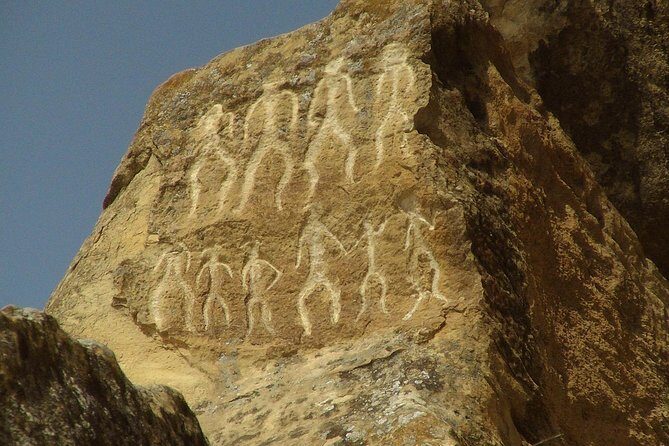
- UNESCO-recognized rock art (since 2007) that preserves hunting scenes, animals, plants, and daily life imagery.
- Museum + outdoor rock engravings so you can understand what you’re seeing before you walk the carvings.
- Active mud volcanoes near the Caspian coast, including Azerbaijan’s unusually high number of these sites.
- A bonus stop at Bibi Heybet Mosque on the return, tied to the original 13th-century mosque and its 1936 destruction.
- Small group size (up to 30) and bottled water included, which keeps the day simple.
Gobustan Petroglyphs: UNESCO Rock Art You Can Actually Read
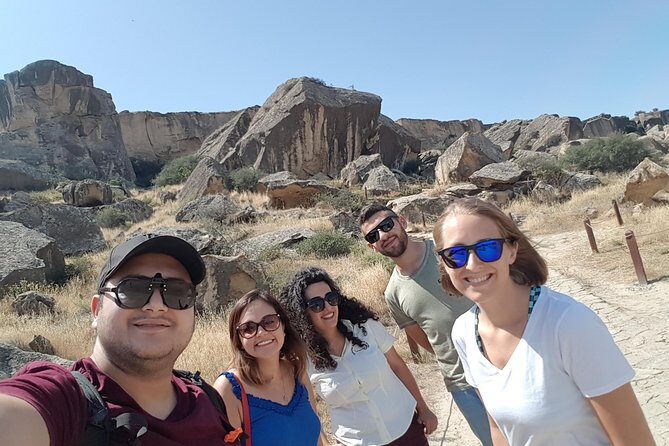
Gobustan is one of those places where the story isn’t in a lecture. It’s in the marks. The petroglyphs here are tied to the 12th to 8th centuries B.C., and they show more than big dramatic events. You’ll see imagery related to hunting, fauna and flora, and everyday lifestyles from prehistoric times. That mix is part of why UNESCO singled it out in 2007: it’s not only about age, it’s about meaning.
I like the way this tour gives you two ways to process the site. First, you get context at the Gobustan Petroglyphs Museum. Then you head out to the rock engravings. That order matters because outdoor carvings can feel random at first glance. With the museum context, you’ll get your bearings fast, and the outdoor panels start to make more sense.
One practical note: Gobustan is about 40 miles (64 km) southwest of central Baku, and the full round trip is around 120 km, about 2 hours driving time. So this is not a “wander at your own pace all day” plan. It’s a focused excursion with a schedule that works well when you want a strong hit of meaning in a short window.
You can also read our reviews of more tours and experiences in Baku.

Museum First: Getting the Clues at Gobustan Petroglyphs Museum
The Gobustan Petroglyphs Museum is where you’ll start connecting the dots. You’re not just stepping inside to stay warm or dry. This is your chance to understand what kinds of scenes you’re about to see on the rock faces outside—especially if prehistoric art is new to you.
In the museum, the emphasis is on the rock art collection itself and what it represents. The site is known for engravings tied to hunting and to how people interacted with the natural world, including animals and plants. UNESCO’s description also highlights cultural continuity between prehistoric and medieval times. That means your guide can help you notice patterns in how people depicted their world, instead of treating every carving as a standalone mystery.
What to expect in practice: you’ll likely get a guided walkthrough style experience, not a long independent museum sprint. That’s a good thing on a half-day tour. It keeps your time focused on what you actually need before heading to the outdoor carvings, where you’ll spend your attention.
Outdoor Rock Engravings: Where the Stories Live
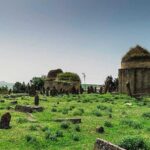
Once you’re outside, the Gobustan rock engravings are the main event. This is where you slow down. The carvings cover hunting scenes and images of animals and plants, plus everyday lifestyle details that feel surprisingly readable even if you don’t know the background. The site’s UNESCO value also comes through here: you’re looking at rock art designed to survive, and it does.
Here’s the best way to enjoy it without overthinking it. Pick a handful of panels, not all of them. Focus on one theme at a time—hunting imagery, for example—then move on. That approach helps you actually notice how scenes repeat and how the art captures human activity rather than only showing individual objects.
Also, wear shoes that won’t hate you. Outdoor rock sites can be uneven, and you’ll want stable footing if you’re stepping around to get different angles on the engravings. The tour runs in all weather conditions, so rain or wind can make surfaces slick or make the air feel colder than you expect.
Mud Volcanoes: Active Earth in a Place Built on Seepage
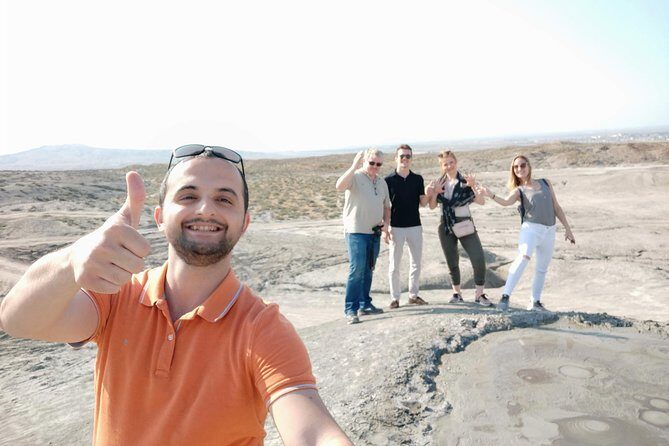
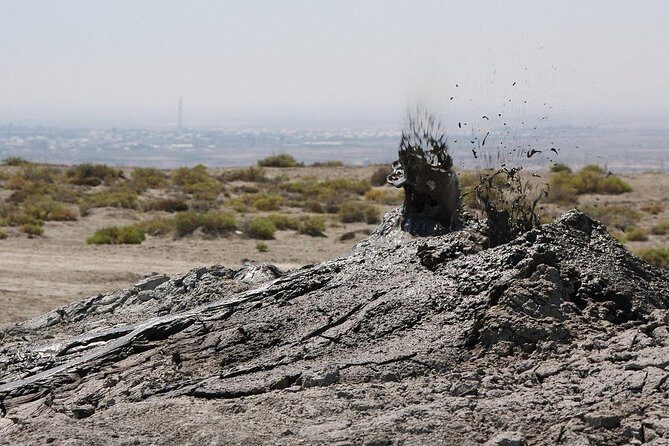
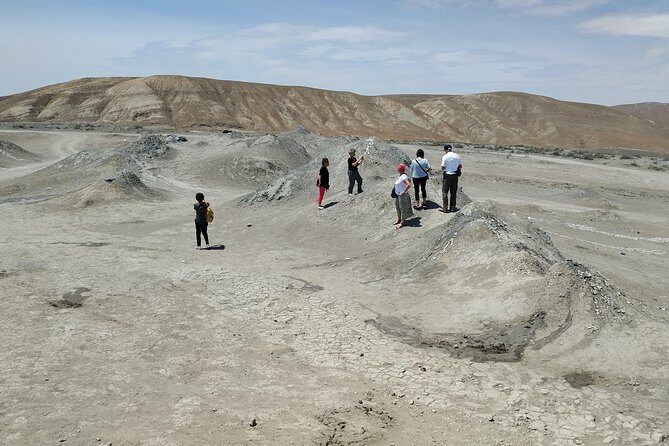
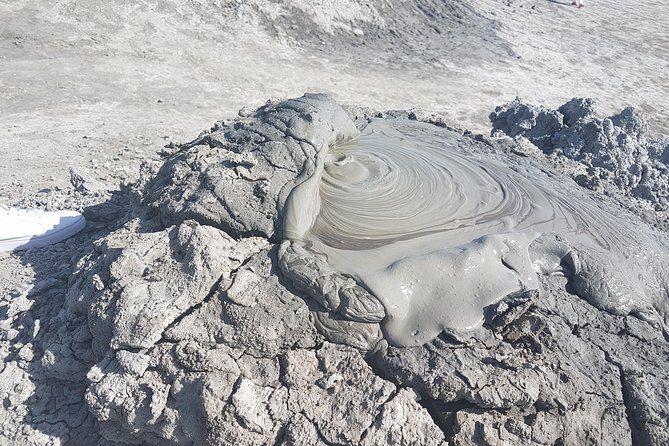
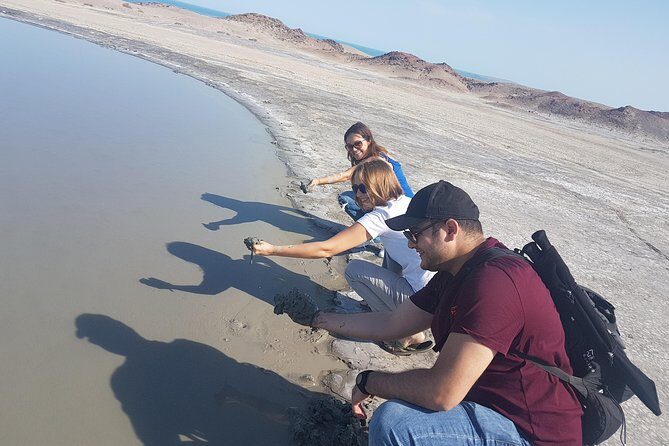
After the rock art, the tour shifts from human stories to the planet doing its own thing. The stop at the mud volcanoes is described as an active, bubbling mud volcano site. That’s the kind of natural scene you can’t replicate with a photo, because the real draw is the motion and the messy, ground-level weirdness.
A fun fact worth holding onto while you’re there: more than a thousand mud volcanoes are known worldwide, and about 400 are in the coastal area of Azerbaijan. That concentration helps explain why mud volcanoes are such a recognizable part of Azerbaijan’s natural features. The tour includes this because it’s not only scenic; it’s tied to the region’s geology and the way earth materials travel toward the surface.
Timing can affect what you see. The information provided notes that mud volcano activity happens on long cycles, roughly every 20 years or so. You’re not guaranteed a dramatic event on a short visit, but the stop is still worthwhile because you’ll be there for an active site where you can observe the ongoing bubbling behavior that makes these places famous.
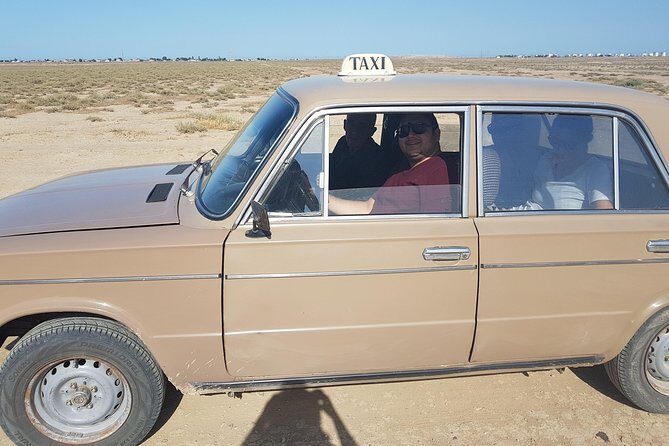
One more practical point: transport between stops can vary. In one example, the trip included a Russian Lada for part of the route to the mud volcanoes. That suggests you might experience a more basic vehicle vibe compared with a smooth city ride. In another case, a Mercedes van was used and the ride was described as comfortable. Either way, dress for the ride time and expect uneven roads.
Bibi Heybet Mosque on the Return: A Cultural Stop With Real Context
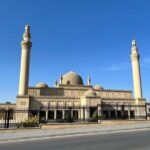
On the way back, the tour may include a look at Bibi Heybet Mosque. This matters because the stop isn’t only about architecture. It’s also about memory. The mosque is described as a recreation of the original 13th-century mosque, which was destroyed by the Bolsheviks in 1936.
Even if you’re not an architecture person, this kind of stop gives you a stronger sense of how places in Baku handle layers of history. You’re seeing a recreated monument that points back to something lost. That adds weight to the day, especially after prehistoric carvings and living geology.
When you can, take a moment here even if you’re tired from driving. This is a good place to break the day’s theme shift: from ancient rock art, to active natural forces, to human-built religious heritage.

Price and Logistics: Is This $130 Tour a Good Value?
At $130 per person for about 5 hours, this is priced like a convenient, structured excursion rather than an all-day independent outing. The value improves if you look at what’s included. Your tour includes national park fees, bottled water, and a local guide. Those details are small on paper, but they matter in real life. National park fees can add up, and a guide makes the difference between simply looking at carvings and actually understanding what you’re seeing.
Lunch is not included, so you’ll want to plan around that. If the tour runs around a half day, you can either eat a proper early meal before you go or grab something afterward in Baku. Either way, don’t count on lunch being provided.
Transport also matters. The tour includes pickup offered, but the information says hotel pickup and drop-off are not included. So I’d treat this as: you’ll likely have a meeting point near public transportation, and pickup may depend on where your operator can collect you. If you prefer door-to-door service, double-check what pickup means for your exact starting location.
Group size is capped at 30. That tends to keep it organized but not painfully crowded. Also, you’ll have a mobile ticket, which is handy if you’re trying to keep everything on your phone.
A final value note: there can be departure timing differences. One example provided a later afternoon start and a lower per-person cost, so if you’re flexible on time, you may find a better deal depending on the specific departure offered.
What to Wear and Bring for Gobustan and the Mud Volcano Stop
This tour runs in all weather, so plan like you’re going to get surprised. The day can include sun, wind, or rain, and the outdoor portions (museum-to-rock area and rock engravings) are where weather matters most. I’d prioritize comfort over style.
Bring:
- Comfortable walking shoes with grip
- A light rain layer or umbrella if rain is possible
- Water only if you prefer extra, even though bottled water is included
- Sun protection if it’s clear out
Also consider the ride. You’ll likely spend about 2 hours driving each way. That’s enough time to get stiff if you’re not ready. Bring a small layer in case the vehicle gets cool, especially if weather changes.
If you’re sensitive to crowds, remember this is a group tour with up to 30 people. It won’t feel like a mob, but it’s not private either. Earliest comfort win comes from arriving with a simple plan: slow down at the rock engravings, take your photos, but don’t try to see everything at once.
Who This Tour Suits Best
This is a great match if you want:
- A focused half-day plan that combines prehistoric art and natural phenomena
- A guided experience, especially for understanding what the carvings depict
- Something different from Baku’s more modern sights
It’s also a good option for couples and small groups who want a shared day without planning. The capped group size helps keep the guide’s attention reasonable.
If you’re the type who hates structured stops, you might find the schedule tight. But if you like having a plan that saves you guesswork, you’ll likely enjoy the flow.
And if you travel with a service animal, note that service animals are allowed. That’s a useful detail for planning.
Should You Book Gobustan and Mad Volcanoes?
I’d book this tour if you want a strong, meaningful pairing: UNESCO rock art plus an active geological site in one half-day. For the price, the included park fees, bottled water, and local guide make it feel less like you’re paying only for transport.
I’d skip or rethink it if you strongly prefer long free-time sightseeing, because the day is built around guided stops and driving. And if you get carsick, remember the ride time is about 2 hours each way.
If you can handle a weather-based outdoor visit and you want a tour that teaches while you see, this is a solid choice.
FAQ
Where does this tour run?
It’s based in Baku, Azerbaijan, and visits Gobustan National Park about 40 miles (64 km) southwest of the city, plus a mud volcano stop and (on the way back) Bibi Heybet Mosque.
How long is the tour?
The duration is about 5 hours.
What time does it start?
The start time is listed as 10:00 am.
Is pickup included?
Pickup is offered, but hotel pickup and drop-off are not included based on the provided details. You’ll likely meet near public transportation.
What does the tour cost?
The price is listed as $130 per person.
What’s included in the price?
National park fees, bottled water, and a local guide are included.
What isn’t included?
Lunch and hotel pickup and drop-off are not included.
What sites will I see?
You’ll visit Gobustan Petroglyphs Museum and the rock engravings, then stop at the active bubbling mud volcano site, with a possible visit to Bibi Heybet Mosque on the return.
Is the tour affected by weather?
The tour operates in all weather conditions, so you should dress appropriately.
How big are the groups?
The tour has a maximum of 30 travelers.
Can I cancel and get a refund?
Yes. You can cancel for a full refund up to 24 hours before the experience’s start time.