REVIEW · BAKU
Traditional Azerbaijani Cuisine Workshop
Book on Viator →Operated by Baku Explorer · Bookable on Viator
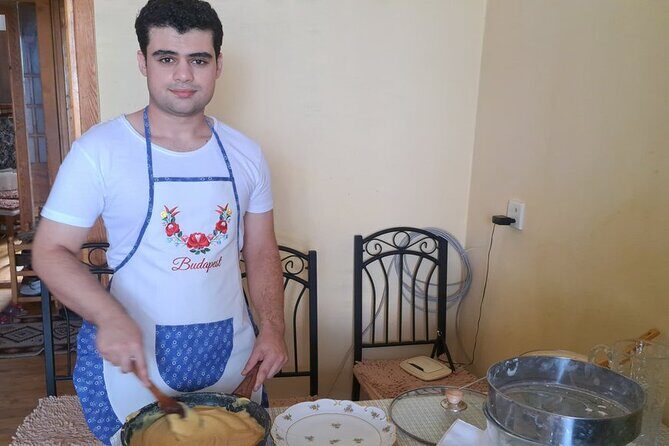
Cooking in a home kitchen makes Baku feel close. I really like the hands-on chef-led format and the finish with black Azerbaijani tea and sweet delights. One thing to consider: it takes place in an apartment on the seventh floor, so it’s not ideal if walking issues slow you down.
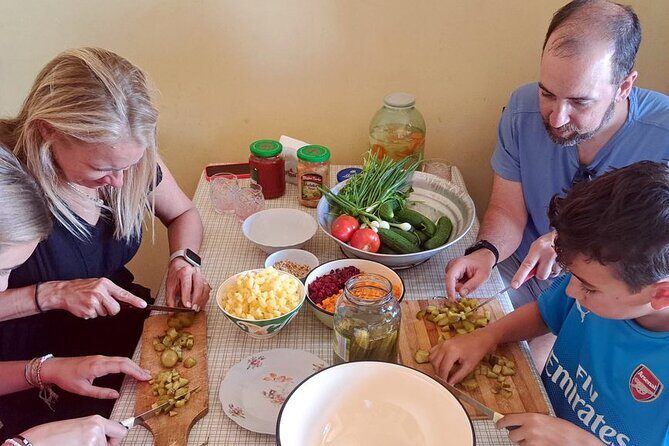
This is a 5-hour workshop in Baku for a small group (maximum 10). You’ll be picked up in a private vehicle, head to a cozy apartment in the suburbs, cook with guidance, then sit down together as if you’re part of the family meal. Dress code is casual, and it’s near public transportation if you decide to arrive on your own.
Before any cooking starts, you’ll talk ingredients and learn how locals choose them and handle the basics. Then you pick your main-course route: plov with chicken, vegetarian plov-style with greens plus plums and chestnut, or dolma stuffed into eggplants, tomatoes, and bell peppers with red meat.
In This Review
- Key things I’d circle on your planning list
- Why a Baku home-style workshop beats a quick restaurant class
- The 5-hour flow: pickup, cooking prep, then a full sit-down meal
- Choosing your main dish: plov, vegetarian greens-plums-chestnut, or dolma
- Option 1: Plov with chicken
- Option 2: Vegetarian plov with greens, plums, and chestnut
- Option 3: Dolma (eggplant, tomato, bell pepper) with red meat
- Ingredient-first teaching: how locals choose what goes into the pot
- Appetizer + kompot: the easy lesson that makes the meal feel complete
- The best part of the finish: black tea and sweet delights
- Price and value: what $90 buys you in real terms
- Logistics that actually matter: pickup, group size, and tickets
- Location feel: suburban apartment, seventh floor, and easy access
- Who this workshop fits best (and who might prefer something else)
- Should you book Traditional Azerbaijani Cuisine in Baku?
- FAQ
- How long does the Azerbaijani cuisine workshop last?
- Where does the workshop take place?
- Is pickup included?
- Which dishes can I choose from?
- What’s included in the price?
- Is it near public transportation?
- Is the apartment accessible for travelers with walking issues?
- What is the cancellation policy?
Key things I’d circle on your planning list
- Small group size (max 10) keeps the class personal and easier to ask questions
- Pickup by private vehicle helps you get to a suburban apartment without figuring out buses
- Three main menu choices so you can match your taste and dietary preferences
- Ingredient-first teaching before you cook, so you understand what makes dishes work
- A 3-course meal plus dinner-style eating with drinks, coffee/tea, and sweets
- Souvenir postcard + small recipe journal so you can recreate parts later
Why a Baku home-style workshop beats a quick restaurant class
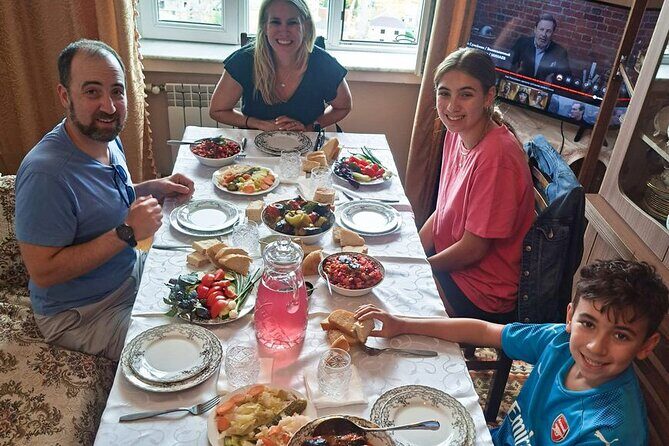
A lot of cooking classes teach technique. This one teaches context. You start by learning why certain ingredients matter in Azerbaijani cooking, then you apply that knowledge to dishes you’ll actually eat afterward.
The setting is a cozy apartment in the suburban area of Baku, not a high-volume venue. That’s a big deal for comfort and pace. If you prefer a slower, more conversational experience, you’ll likely feel at ease right away.
And the vibe is not just about the food. The workshop ends with black tea and sweet treats, which is a classic way locals mark the end of a meal and the start of a chat. One review specifically mentioned being treated like a guest of honor, especially when the group was small, and that kind of attention changes the whole tone of the evening.
A few more Baku tours and experiences worth a look

The 5-hour flow: pickup, cooking prep, then a full sit-down meal
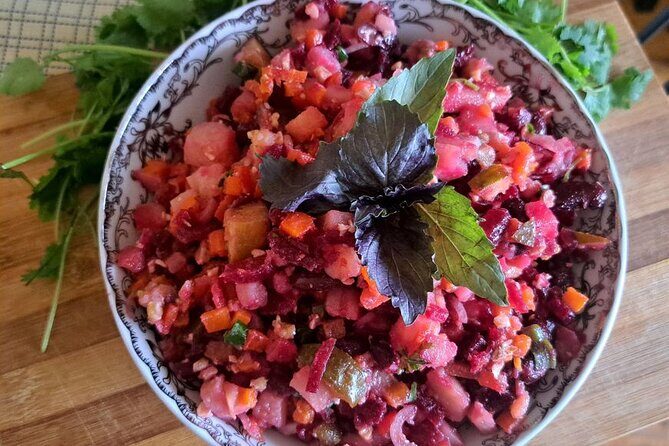
The schedule runs about 5 hours, and it’s structured to get you from arrival to eating without feeling rushed. You’ll go to the apartment, get an intro to ingredients, then move into cooking. After that, you’ll prepare an appetizer and a kompot drink together.
A practical note: Baku traffic can be real. One review described the drive back taking longer due to congestion (they estimated a longer return time than the outbound trip). So if you’re sensitive to timing, I’d build in a little buffer on either side of the workshop window.
Here’s the core rhythm you should expect:
- Arrival and ingredient briefing
- Cooking your chosen main dish
- Appetizer and kompot prepared together
- Sitting down with coffee/tea and black tea
- Sweet delights at the end
Because it’s a group of 10 or fewer, you’re not just standing near a counter watching. You can ask questions and get corrections when needed, which matters if you want to take more than a photo home.
Choosing your main dish: plov, vegetarian greens-plums-chestnut, or dolma
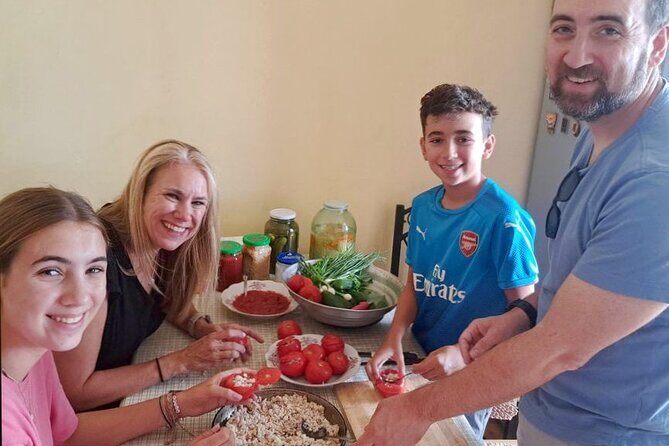
This is one of the best parts of the workshop because you’re not locked into a single dish. Depending on what you like, you can pick the route that matches your taste and appetite.
Option 1: Plov with chicken
Plov is one of those dishes that feels both everyday and special. With chicken, you get a comforting savory profile that’s often easier for first-time visitors to recognize and enjoy. It’s a solid choice if you want something hearty and meat-forward.
Option 2: Vegetarian plov with greens, plums, and chestnut
This option is for people who want a more unusual flavor story. Greens bring freshness, while plums and chestnut add sweetness and a slightly nutty depth. It’s still plov-style, but with a distinctly different balance than the chicken version.
If you’re vegetarian, this is also a helpful sign: the class isn’t forcing you into a side dish only. You’ll be cooking a main that’s built to stand on its own.




Option 3: Dolma (eggplant, tomato, bell pepper) with red meat
Dolma here means stuffed vegetables—eggplants, tomatoes, and bell peppers—with a filling made using red meat. It’s a great choice if you enjoy hands-on assembly and you like dishes where every bite is wrapped in flavor.
This option also tends to be more technique-driven, since stuffing and shaping are part of the experience. If you enjoy “hands busy, mind learning” cooking, you’ll probably enjoy dolma most.
Ingredient-first teaching: how locals choose what goes into the pot
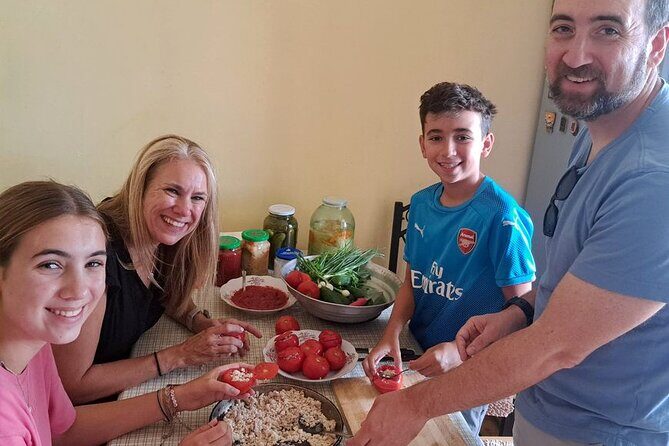
Before the stove comes on, you’ll learn about the ingredients used and how to choose them. That might sound basic, but it’s actually where a good cooking class earns its price.
You’ll also get the peculiar details of preparing original local dishes. Even without a written cookbook-style breakdown, those details are often the difference between a dish that tastes right and one that only looks right.
For example, when a recipe uses produce like greens or vegetables like eggplant and peppers, you want to understand what to look for—freshness, ripeness, and texture. And with ingredients like plums or chestnut, the quality affects sweetness and body. Learning those cues helps you replicate the meal later, not just during the workshop.
Appetizer + kompot: the easy lesson that makes the meal feel complete
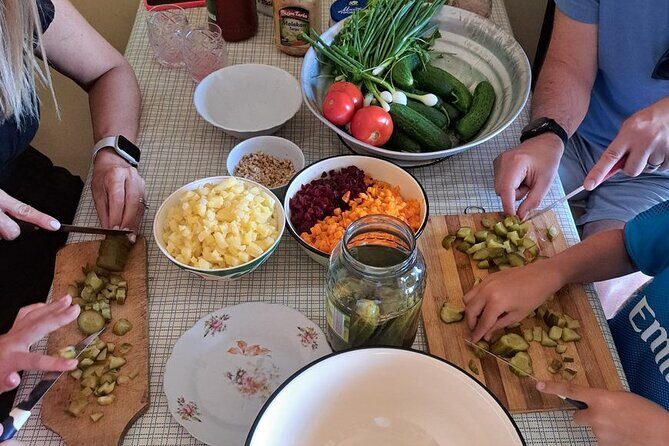
You don’t just cook the main. You’ll also prepare an appetizer and a kompot drink together with the chef.
Appetizers matter because they set the pace of a meal. They also teach you how Azerbaijani flavors move from bite to bite rather than staying trapped in one dish. Kompot adds another layer: a fruit-based drink that complements food without turning the meal into a sugary dessert event.
This part is often where groups feel the most involved. It’s collaborative and doesn’t always require precision the way stuffing might. If you’re traveling with friends, this is also a nice moment to compare notes on taste and technique.
The best part of the finish: black tea and sweet delights
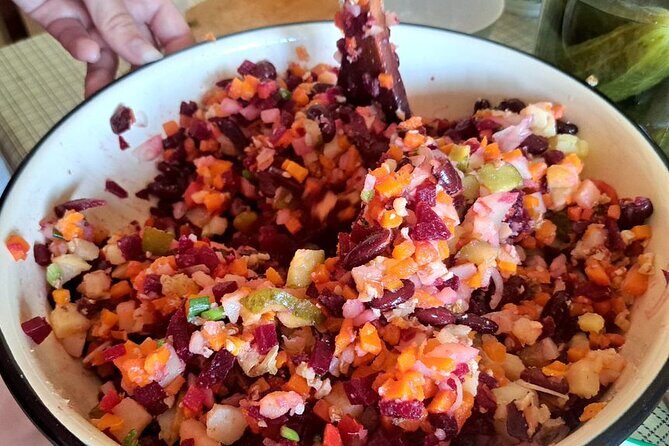
Every meal needs an ending that feels like a pause, not a stop. That’s what the workshop does with black Azerbaijani tea and sweet treats.
This isn’t a tiny afterthought. One of the highest-praised aspects from the experience feedback is the sense of hospitality during the final sitting together. When hosts treat you like you’re part of the home meal—especially when the group is small—the tea-and-sweets moment lands differently. It feels like closure.
If you’re the type who loves cultural details beyond the cooking technique, this ending is where you’ll feel it most.
Price and value: what $90 buys you in real terms
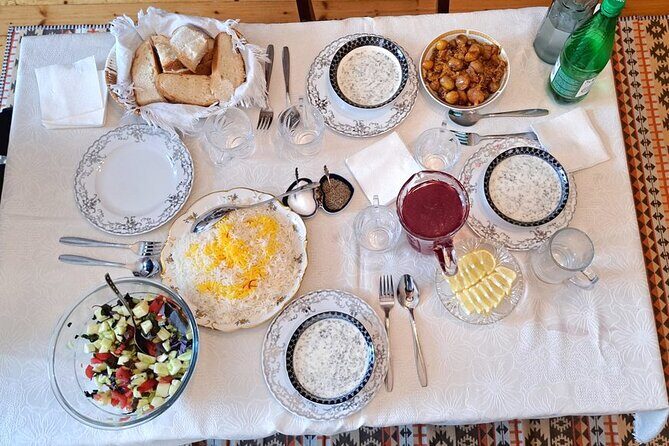
At $90 per person, this workshop isn’t the cheapest thing in town, but it’s also not a “luxury-only” experience. The value comes from how much you get included and how long the session runs.
Here’s what’s in your ticket:
- Beverages throughout the experience
- A 3-course lunch/dinner
- Dinner
- Coffee and/or tea
- Transport by private vehicle
- Exclusive souvenir postcard
- Small recipe journal
And on top of that, you get a chef-led cooking experience for up to 10 people. That small group detail changes the value math. In bigger classes, you often get less attention. Here, you’re more likely to get real guidance when you need it.
Also, pickup is included. Even in a city like Baku, getting to and from a suburban apartment can take time and planning. Having a private driver handle that is part of the convenience you’re paying for, and it shows up in the quality of the experience.
If you’re comparing options, I’d think in terms of total meal value plus instruction plus transportation, not just “cooking time.” With food and beverages included, the class becomes a meal you also learn from.
Logistics that actually matter: pickup, group size, and tickets
This experience offers pickup, and transport is by private vehicle. That’s one of the most practical perks because it reduces friction right away. Most people can focus on the cooking instead of worrying about directions.
You also receive a mobile ticket, which is convenient for last-minute planning. The experience tends to be booked around 16 days in advance on average, so if your dates are fixed, it’s smart to reserve earlier rather than waiting.
Group discounts may apply, which can improve value if you’re traveling with others. And with a maximum of 10 travelers, the workshop stays within a manageable size for both the chef and the household setting.
Location feel: suburban apartment, seventh floor, and easy access
You’re going to a cozy apartment in the suburban area of Baku. It’s near public transportation, which is useful if you decide to meet there instead of using pickup.
The one location-related drawback is accessibility. The apartment is on the seventh floor, and it’s not recommended for travelers with walking issues. If stairs are a concern for you, this is the one factor I’d weigh most heavily.
The dress code is casual, so you don’t need special attire. If you have an apron or you like wearing layers for cooking, bring them, but the basics are straightforward.
Who this workshop fits best (and who might prefer something else)
I think this works especially well for three types of travelers:
- Food lovers who want to understand ingredients, not just follow steps
- People who enjoy smaller group experiences where questions are welcome
- Visitors who want an authentic home-meal feeling, not a performance-style cooking show
It may be less ideal if:
- You need step-free access (the seventh-floor apartment is a clear limitation)
- You dislike traffic-related timing variability (plan for a possible longer return drive)
If you’re on a tight schedule and want a very short activity, this is also longer than a typical “snack lesson.” But if you want a full, satisfying meal day plan, five hours is a comfortable length.
Should you book Traditional Azerbaijani Cuisine in Baku?
If you want a cooking class that feels like eating with people, not just learning recipes, I’d book this. The strongest reasons are the small group size, the ingredient-first instruction, and the hospitality during the final tea-and-sweets sitting.
At $90, you’re paying for far more than a demo. You’re getting transport, beverages, a multi-course meal experience, coffee/tea, and take-home items like a postcard and recipe journal. That makes the cost easier to justify when you compare it to paying separately for a guided meal plus transportation.
Just be honest about the one real tradeoff: it’s on the seventh floor. If stairs are a dealbreaker, skip this one and look for an option with step-free access. If you’re good with stairs and you’re hungry for a home-style Azerbaijani meal, this is a high-value way to experience Baku beyond the main streets.
FAQ
How long does the Azerbaijani cuisine workshop last?
The experience runs about 5 hours.
Where does the workshop take place?
It takes place at a cozy apartment in the suburban area of Baku.
Is pickup included?
Yes, pickup is offered, and you’ll be transported by private vehicle.
Which dishes can I choose from?
You can choose one main option: plov with chicken, vegetarian plov-style with greens plus plums and chestnut, or dolma (eggplants, tomatoes, and bell peppers stuffed with red meat).
What’s included in the price?
Included items are beverages, a 3-course lunch/dinner, dinner, coffee and/or tea, transport by private vehicle, an exclusive souvenir postcard, and a small recipe journal.
Is it near public transportation?
Yes, the apartment is near public transportation.
Is the apartment accessible for travelers with walking issues?
No. It is located on the seventh floor and is not recommended for travelers with walking issues.
What is the cancellation policy?
Free cancellation is available up to 24 hours before the experience start time for a full refund.