REVIEW · BAKU
5-Day Unforgettable Private Tour in Azerbaijan
Book on Viator →Operated by Guided Azerbaijan · Bookable on Viator
Five days, and Azerbaijan changes shape. This private tour pairs Baku’s skyline with ancient stone and living traditions, then adds a nature-focused day in Gabala. You’ll see why people talk about fire in Azerbaijan, tour Old City highlights, and get out of the city for places like Gobustan.
I especially like the way the plan mixes big “wow” stops with walkable old-town time, so you’re not just driving past sights. I also like that it’s handled end-to-end with airport transfers, hotel pickup/drop-off, and an English-speaking guide, with guides such as Elnara Alieva, Jahan, and Ell getting high marks for clear, helpful explanations. One drawback to note: several major sites have entry tickets not included, so you should budget extra for things like the Shirvanshahs Palace, Gobustan reserve, Yanar Dag, and Ateshgah.
In This Review
- Key points before you go
- A 5-day private plan that avoids the usual Azerbaijan stress
- Day 1 in Baku: a smooth landing, then a gentle start
- Day 2 in Baku: skyline views, Old City walking, and fire stops
- Highland Park and the panorama you can’t unsee
- Old City walking: Double Gates, caravanserais, and tower time
- Ateshgah and Yanar Dag: how fire culture connects to the land
- Day 3: Gabala’s nature day, plus a mountain resort option
- Diri Baba Mausoleum: small stop, strong architecture cues
- Juma Mosque: a stop built from early Islamic-era layers
- Nohur Lake: the quiet break that makes the day feel fair
- Yeddi Gozel Waterfall: a nature highlight that stays practical
- Tufandag Mountain Resort: cable car option for views
- Day 4: Gobustan rock art, mud volcanoes, and Bibi-Heybat Mosque
- Gobustan Rock Art: museum-first for better meaning
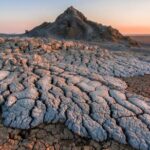
- Mud Volcanoes: Azerbaijan’s active natural spectacle
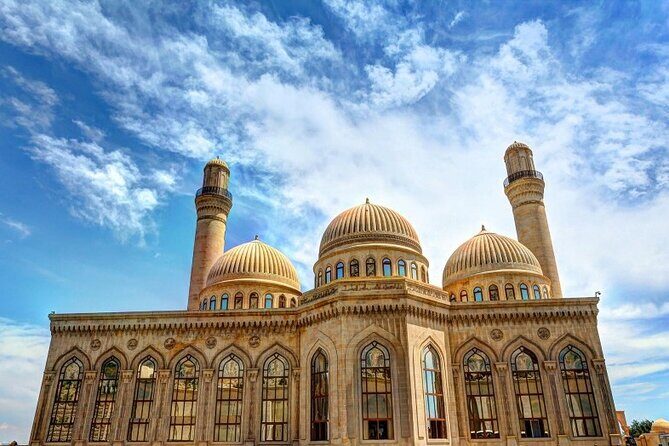
- Bibi-Heybat Mosque: history you can feel in the architecture
- Price and value: what $345 buys you, and what to budget next
- Guide quality: the difference between seeing places and understanding them
- Who this tour suits best
- Should you book this Azerbaijan private tour?
- FAQ
- FAQ
- Is this tour private?
- Where does the tour start and what time?
- Is airport pickup included?
- Are meals included in the price?
- Are entry tickets included for all attractions?
- Do you provide an English-speaking guide?
- Is accommodation included?
- What’s the cancellation rule?
Key points before you go
- Private group, private timing: it’s only your group, with a dedicated guide and driver.
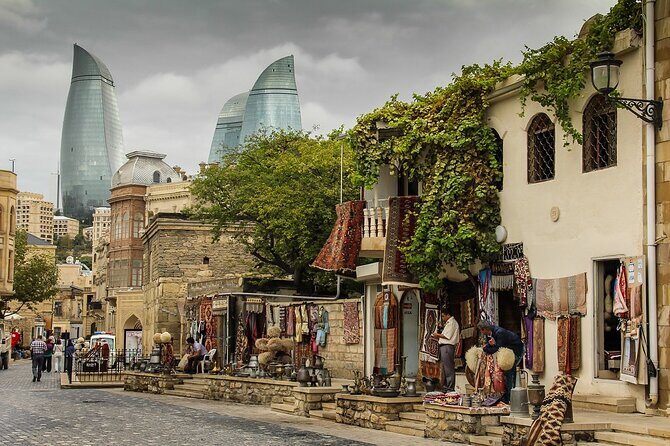
- Baku’s contrasts in one circuit: Flame Towers views, Old City caravanserais, and seaside boulevard area.
- Fire Mountain and Fire Temple: learn how natural gas shaped traditions around Ateshgah and Yanar Dag.
- Gobustan rock art with museum context: see petroglyphs with the background that makes them make sense.
- Gabala nature day: Nohur Lake, Yeddi Gozel Waterfall, and a cable car option at Tufandag.
- Comfort matters on a packed schedule: air-conditioned transport and included water keep you moving.
A 5-day private plan that avoids the usual Azerbaijan stress
This itinerary is built around efficient geography. You start in Baku with an orientation day, then stack Old City sights on Day 2, fold in the fire sites on the same routing, and use later days to tackle Gobustan/Gobustan area plus Gabala’s nature. You get the historic core without feeling like every hour is a mad dash.
Because it’s private, you can move at your group’s pace. You’ll still hit a lot of stops, but the rhythm is mostly guided and structured. And with an English-speaking guide plus a professional driver, you spend less time figuring out what goes where and more time actually looking at details.
You can also read our reviews of more private tours in Baku
Day 1 in Baku: a smooth landing, then a gentle start
Day 1 begins with arrival at Heydar Aliyev International Airport. The transfer into the city center is short—about 20–25 minutes—and you’ll be met by the company representative, then taken to your accommodation for check-in. If your arrival is early or late, the plan allows for a short restaurant stop or a brief orientation, which matters because day one is usually when energy levels are unpredictable.
This is the kind of start that helps you enjoy the trip instead of just surviving it. You get that practical buffer so you can be ready for full days afterward.
Day 2 in Baku: skyline views, Old City walking, and fire stops
Day 2 is the core “Baku essentials” day. It’s also the day with the most walking, so it helps if you’re comfortable on uneven historic streets and stairs.
Highland Park and the panorama you can’t unsee
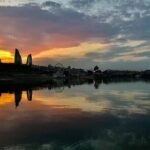
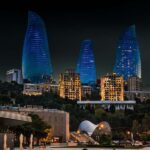
You start at Highland Park, the highest spot in Baku. This is where the city’s big landmarks snap into place: Flame Towers, the Parliament Building area, major broadcast structures, plus the National Flag Square and other skyline icons. The idea here is simple: you get the map of Baku before you start walking Old City lanes.
After that, you move into the pedestrian Old City approach via Martyrs’ Lane and the stairs area commonly called the 40 Stairs. Even if you don’t chase every photo angle, this part helps you understand the city’s layout fast—then the old monuments feel less random.
Old City walking: Double Gates, caravanserais, and tower time
Old City is where Azerbaijan stops being a collection of stops and starts feeling like a place. The route typically begins at the Double Gates, then you work through key historic buildings and neighborhoods.
Highlights include:
- Chain, Sailor, and Cat Houses, which add character beyond the main monuments
- Caravanserais like Multani and Bukhara, which show how trade shaped the city
- Juma Mosque within the old-town complex area
- The most famous “must-see” marker: the Maiden Tower
Maiden Tower gets special attention because it’s tied to both early religious ideas and later construction periods. You’ll also hear the UNESCO context, which helps you understand why the tower is not just scenic—it’s culturally layered.
One practical note: the Maiden Tower entry is listed as not included, so you may want to plan a bit of extra time and budget if you want to go inside rather than view from the surrounding areas.
Ateshgah and Yanar Dag: how fire culture connects to the land
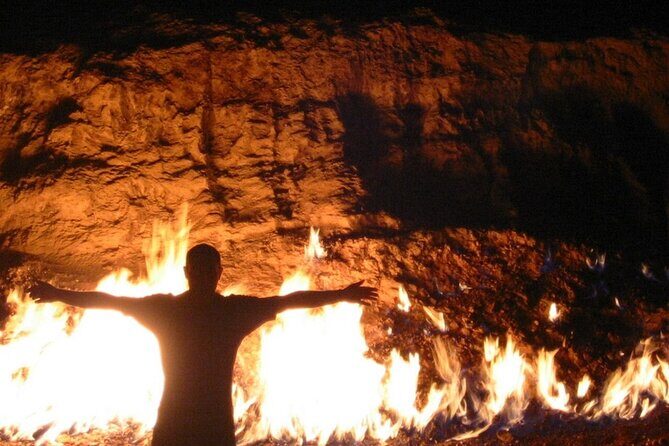
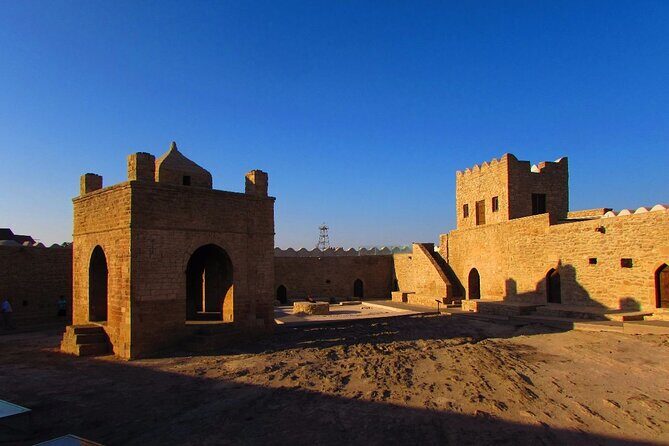
After Old City, Day 2 shifts toward the Absheron Peninsula fire story. First comes Ateshgah (Fire Temple) in the Surakhani area, about 30 km from Baku. This stop is valuable because it turns a rumor into a concept you can picture. You’ll get the explanation for why fire worship traditions became associated with this region—and how the natural conditions supported that belief.
Then you finish with Yanar Dag (Fire Mountain). The key idea you’ll remember is that the flame is linked to natural gas coming up at the hill’s foot. The “burns even in rainy or snowy weather” detail makes the stop feel like the land has its own schedule.
This is also where the trip feels most unique compared to generic “city tour only” days. Old streets are cool, but fire that persists because of geology is the kind of place you actually talk about afterward.
Day 3: Gabala’s nature day, plus a mountain resort option
Day 3 is all about slowing down from city monuments and getting into scenery. You’ll start with heritage elements, then transition into lakes and waterfalls, and finish with a chance for cable car views.
Diri Baba Mausoleum: small stop, strong architecture cues
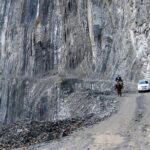
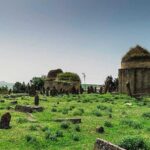
The Diri Baba Mausoleum is described as a two-storey structure with details shaped by its cliff setting. You don’t need a long time here to notice the difference between simple roadside monuments and purpose-built religious architecture. If you like when guides explain what parts mean, this is a good moment to pay attention.
Entry is not included, so expect mainly guided exterior viewing.
Juma Mosque: a stop built from early Islamic-era layers
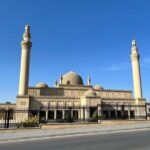
Next is Juma Mosque. The plan frames its construction timeline around an early period of the Caliphate’s vicar in the Caucasus and Dagestan, mentioning Maslam ibn Abd-al Melik and links to Shamakhi as a residence. That historical angle helps you understand why the mosque matters beyond its look.
Entry is listed as free, so you can decide on the spot whether to go in and how much time to spend.
Nohur Lake: the quiet break that makes the day feel fair
Then you hit Nohur Lake, near the village of Nohurqishlag. This is a classic “exhale” stop: quiet surroundings and bird sounds are part of what makes it relaxing. After a few days of monuments and explanations, this kind of break matters. It’s also where your guide can point out what you might otherwise miss if you were rushing.
Entry is free, and you’ll likely have enough time to slow your pace.
Yeddi Gozel Waterfall: a nature highlight that stays practical
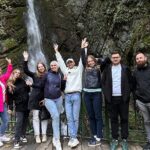
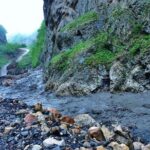
Next is Yeddi Gozel Waterfall in the Vandam village area of Gabala. You get a full hour for the stop, which is the sweet spot for taking photos, walking around at an easy pace, and not feeling like the day is only about transit.
Entry is listed as free, so this is a good value stop compared to many places where waterfall entries are extra.
Tufandag Mountain Resort: cable car option for views
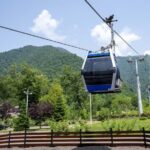
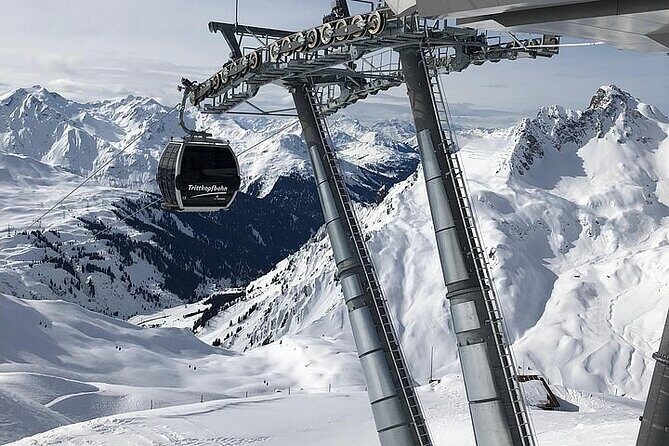
Finally, you head to Tufandag Mountain Resort, around 4 km from Gabala city. The itinerary notes a chance for cable car riding, and it’s marked as not included. Even if you skip the cable car, this is still a good end to the day because it gives you a high vantage point feeling.
If you do take it, it’s usually the kind of decision that turns a good day into a memorable one—just remember the cable car is optional and ticketed separately.
Day 4: Gobustan rock art, mud volcanoes, and Bibi-Heybat Mosque
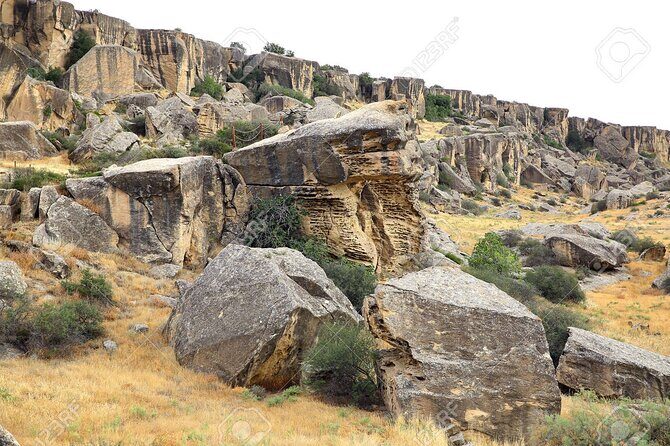
Day 4 has two big themes: ancient human marks and active natural oddities. Between them is a museum stop that helps you see Gobustan with context rather than as random carvings on rock.
Gobustan Rock Art: museum-first for better meaning
You’ll visit the Gobustan Museum first, on the way to the reserve. The plan highlights key facts like the discovery window (1939–1940), the scale of rock art (over 3,500 human and animal paintings/petroglyphs), and that multiple shelters were identified. There’s also mention of Mesolithic monuments and carved caves and springs.
This museum-first approach is genuinely useful. Without it, petroglyphs can feel like decoration. With it, you start thinking about lifeways, seasons, and early storytelling.
Entry here is not included, so plan time and budget accordingly.
Mud Volcanoes: Azerbaijan’s active natural spectacle
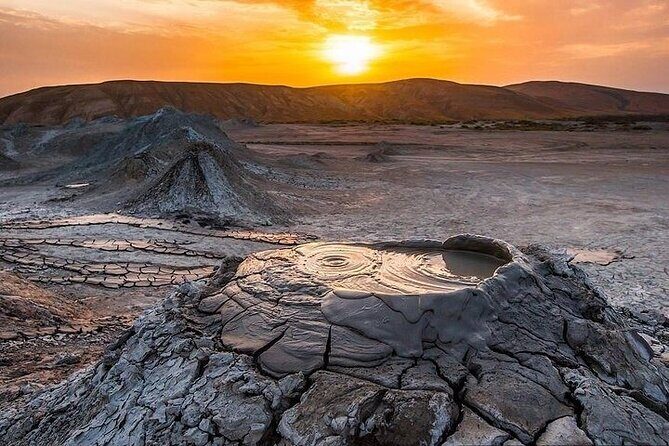
After Gobustan, you go to Mud Volcanoes nearby. Azerbaijan is credited with a world-leading number of mud volcanoes, and you’ll get to see them from close range. The key value is proximity: you’re not just looking at a sign; you’re spending time at the active sites.
The plan includes about 15 minutes around the volcanoes, then you transfer back by car. Entry is listed as free, but you’ll still want to wear shoes you don’t mind getting dusty or muddy.
Bibi-Heybat Mosque: history you can feel in the architecture
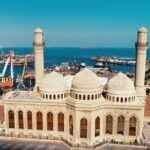
The day closes at Bibi-Heybat Mosque, described as a major monument of Islamic architecture in Azerbaijan and a spiritual center for Muslims in the region. The local name tied to Fatima is mentioned, along with the note that Alexandre Dumas described it under that name during his 1840s visit. You’ll also get details about the minaret and added crypt/niches.
Entry is free. This is a good final cultural note to balance all the nature and prehistory you’ve seen earlier in the day.
Price and value: what $345 buys you, and what to budget next
At $345 per person for about five days, this is priced like a true private package, not a seat on a bus. The included items are the big wins: English-speaking guide, air-conditioned vehicle, professional driver, airport transfers, hotel pickup/drop-off, and daily bottled water. You also have a specific taxi fee covered for Mud Volcanoes, plus tour and excursions are handled.
What’s not included is also important. Entry tickets are not included for several signature stops, including the Shirvanshahs Palace, Gobustan Rock Reserve & 3D Museum, Yanardagh (Fire Mountain), and Ateshgah (Fire Temple). Maiden Tower is also marked not included, and the cable car at Tufandag is not included either. Accommodation is not included, and meals are not included.
So the math is: your base price covers the hard work—transport, guiding, and logistics—but you’ll need to add site entry fees plus your hotel nights and meals. If you already know you’ll want to go inside the major historic sites, that budgeting matters more than the headline price.
Guide quality: the difference between seeing places and understanding them
This tour lives or dies by the guide, and the feedback you have points to a strong trend. Names like Elnara Alieva and Elnara show up in positive notes for strong English and for connecting the story behind each stop, not just listing facts. Other mentioned guides include Jahan and Ell, praised for being especially good and helpful during city and Gabala days.
For you, that means the stops are more than photos. When someone explains why a caravanserai exists, why the fire sites matter, or what early architectural layers suggest, your time starts to feel meaningful instead of rushed.
Who this tour suits best
This plan works best if you:
- Want private guiding without negotiating transport every day
- Like a mix of history and nature (Baku monuments plus Gobustan and Gabala)
- Prefer a structured schedule with room for rest after arrival
- Don’t mind paying separate entry tickets for key sites
It’s also a good match for first-time Azerbaijan visitors who want to cover a lot in a short time, especially if you care about understanding the “why” behind the places.
If you’re traveling with very limited mobility, you should think carefully. There are stair and walking-heavy segments in Old City and Highland Park approaches, plus uneven historic streets.
Should you book this Azerbaijan private tour?
I’d book it if you want an organized, guide-led circuit that connects Baku’s modern skyline to ancient human stories and ends with Gabala nature. The value is strongest when you factor in airport transfers, air-conditioned private transport, and the chance to get excellent guiding—names like Elnara Alieva come up for a reason.
I would pause if you prefer to keep costs tightly predictable, because key entries (and cable car options) are not included and meals and accommodation are separate. If you’re fine planning for those add-ons, this tour is a smart way to see the highlights without turning your trip into a logistics project.
FAQ
FAQ
Is this tour private?
Yes. It’s listed as a private tour/activity, and only your group will participate.
Where does the tour start and what time?
It starts at Heydar Aliyev International Airport in Baku, with a start time of 10:00 am.
Is airport pickup included?
Yes. Airport transfers (arrival and departure) are included, along with hotel pickup and drop-off.
Are meals included in the price?
No. Any meal is listed as not included.
Are entry tickets included for all attractions?
No. Entry tickets are not included for several stops, including the Shirvanshahs Palace, Gobustan Rock Reserve & 3D Museum, Yanardagh, and Ateshgah (and some others like Maiden Tower and Tufandag’s cable car).
Do you provide an English-speaking guide?
Yes. An English-speaking guide is included.
Is accommodation included?
No. Accommodation is not included.
What’s the cancellation rule?
Free cancellation is offered, with a full refund if you cancel up to 24 hours in advance of the experience’s start time.