REVIEW · BAKU
Gobustan & Mud Volcanoes Tour (tickets included)
Book on Viator →Operated by Baku Explorer · Bookable on Viator
Rock carvings meet mud volcanoes in four hours. This guided day trip from Baku takes you to the UNESCO site of Gobustan and shows how people lived here thousands of years ago, with stops led by guides like Shahin or Sabina Mammedli. I like that the Gobustan Museum sets the scene first, so the outdoor carvings make sense right away.
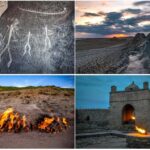
I love seeing the open-air petroglyphs up close, including rock images that look like old dancers captured in motion. It is the kind of site where you feel the scale in your body, not just on a sign.
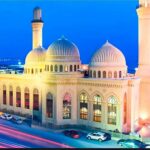
One practical catch: if rain turns the ground into deep mud, the mud volcano stop can be swapped for a visit to Bibiheybat Mosque on the way back.
In This Review
- Key things that make this tour worth your time
- Gobustan and Mud Volcanoes: four hours outside the city
- Getting to Gobustan from Sahil: easy start, private comfort
- Gobustan Rock Art Museum: tools, bones, and a guided storyline
- Open-air petroglyphs: the moment the rock carvings come alive
- Mud volcanoes near Baku: active, rare, and close enough to feel weird
- When rain disrupts the plan: Bibiheybat Mosque as backup
- Pacing and guide style: why names like Shahin and Vusal come up
- Value check: is $105 per person a good deal?
- What to expect at each step of the day
- Practical tips that help you enjoy it more
- Should you book Gobustan & Mud Volcanoes from Baku?
- FAQ
- Where does the tour start and end?
- How long does the Gobustan & Mud Volcanoes tour take?
- Does the price include transportation from Baku?
- Are entrance tickets included?
- Is this a private tour?
- Can I get picked up from my hotel?
- What happens if it rains and the mud volcanoes are hard to reach?
- Is bottled water provided?
- Is there free cancellation, and until when?
- Additional Info I’d confirm before you go
Key things that make this tour worth your time
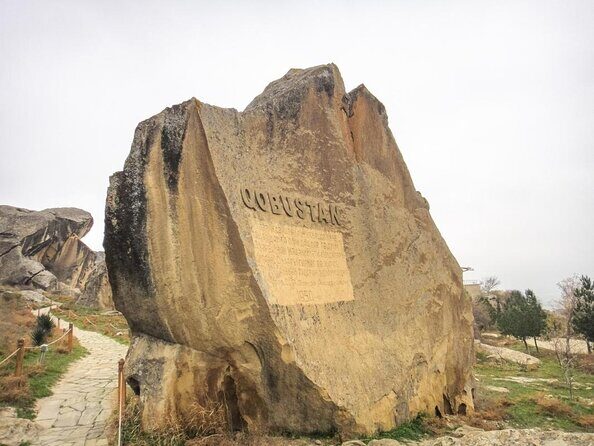
- UNESCO Gobustan Rock Art: museum context plus real outdoor carvings
- Guides with strong English: names you might see include Shahin, Vusal, Jamil, and Lamiya
- Active mud volcanoes close to the road: around 300 in Azerbaijan
- A weather-aware plan: mud volcano access may change, with Bibiheybat Mosque as backup
- Good value package: transport, tickets, and a small thoughtful souvenir postcard
Gobustan and Mud Volcanoes: four hours outside the city
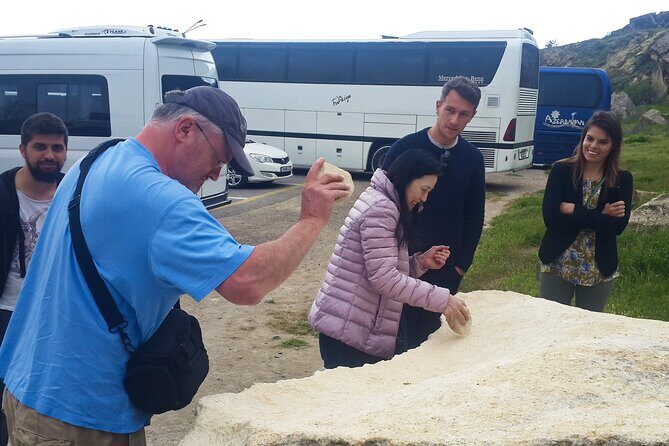
This is a focused half-day in Azerbaijan’s countryside south of Baku. You get two very different worlds back to back: prehistoric rock art and the strangely alive feeling of active mud volcanoes.
The format is simple. You ride out from central Baku with a guide, you do the main sights without the stress of figuring out routes, and you head back to the city the same day.
A few more Baku tours and experiences worth a look
Getting to Gobustan from Sahil: easy start, private comfort
The tour starts at Sahil metro station in Baku. If you prefer, you can opt for pickup from your hotel, but the default meeting point is the metro area.
You travel in an air-conditioned vehicle. Depending on how many people join, it may be a private car or a private minibus, and it is set up for your group only, so you are not squeezed into a large mixed crowd.
End point is Sahil Park, with an option to be dropped back at your accommodation if that’s what you want. That matters because it keeps the rest of your evening flexible instead of forcing a long return.
Gobustan Rock Art Museum: tools, bones, and a guided storyline
The first major stop is the Gobustan Rock Art area, starting with the museum. The guide gives you the big picture before you walk outside, and that sequencing is a real advantage.
Inside, you get context through interactive screens and exhibits. You will also see elements tied to the Mesolithic period, including ancient human bones and the kinds of tools people used long ago. Even if you are not a museum person, this is the part that helps you read what you are about to see on the rocks.
One practical tip: use this time to ask questions. When a guide talks through how the carvings relate to daily life, it turns the outdoor hike into something you can follow, not just something you look at.
Open-air petroglyphs: the moment the rock carvings come alive
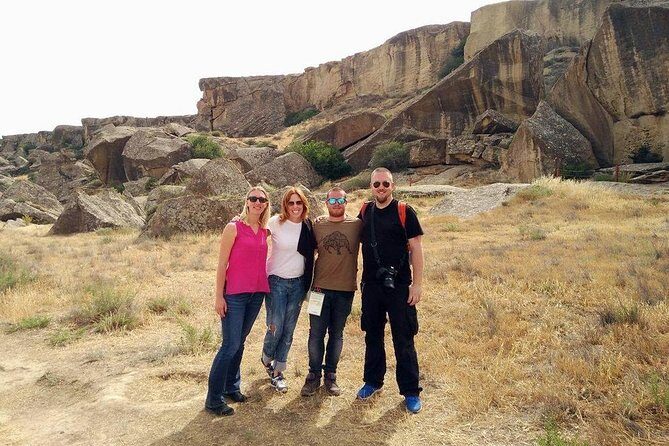
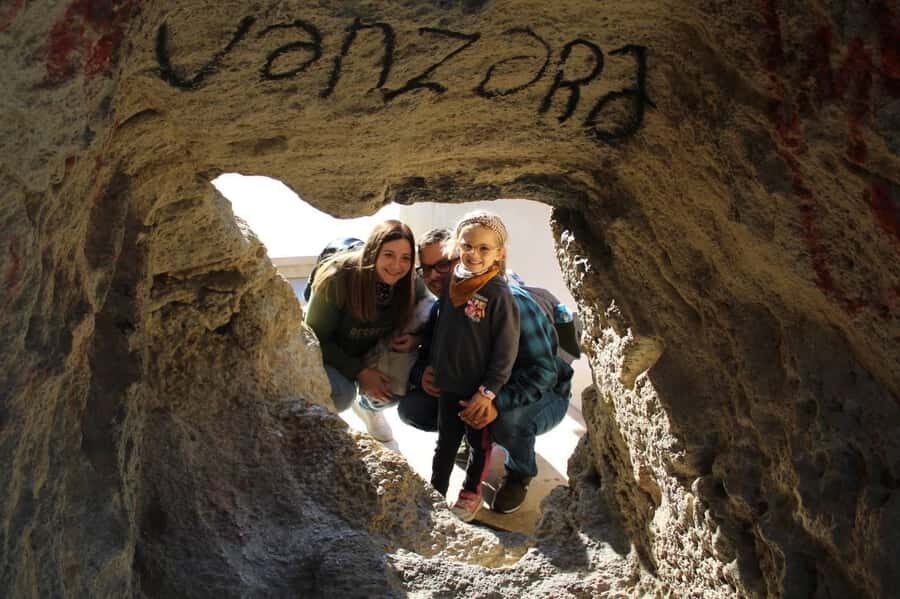
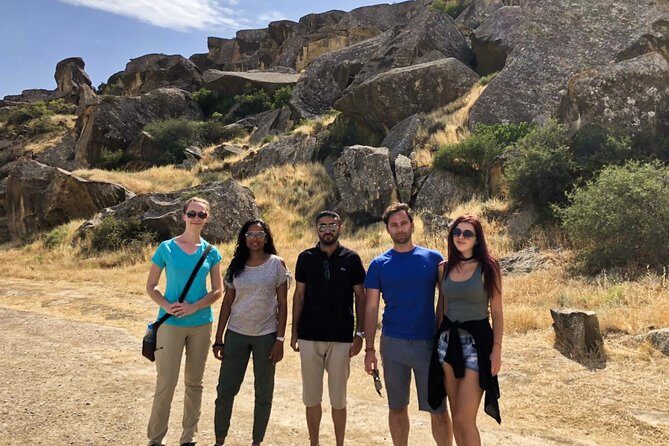
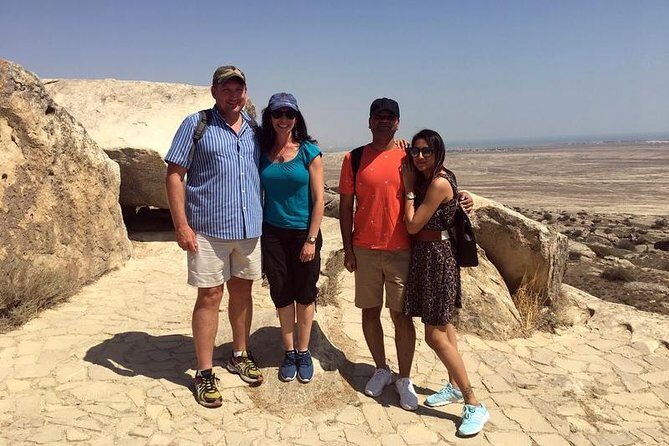
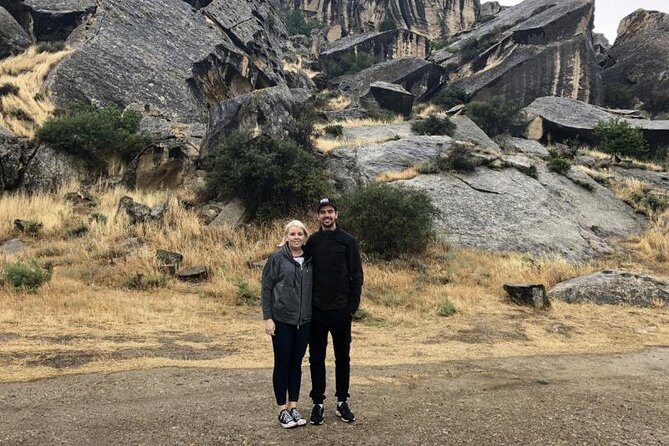
After the museum, you move up to the mountain area for the open-air museum. This is where Gobustan feels different from most indoor exhibits: you are surrounded by the stones, and the carvings sit in their original setting.
The petroglyphs here are famous for a reason. You can see prehistoric engravings that people left in place for millennia, only being discovered in the 1930s. And yes, some figures have that striking “movement” look, including images that can resemble dancers in a tribal-style pose.
You should plan for a casual walking pace rather than a museum shuffle. The terrain is outdoor and uneven, so comfortable shoes help more than fashion.
Mud volcanoes near Baku: active, rare, and close enough to feel weird
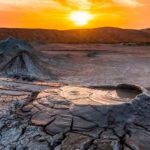
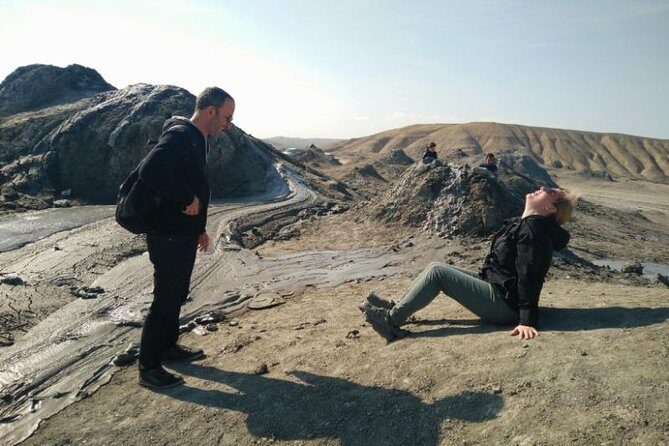
Next comes the mud volcano section, located about 20 minutes away from the Gobustan museum area. Azerbaijan is known for having an unusually high number of mud volcanoes, with roughly 300 across the shore, in the sea, and on islands.
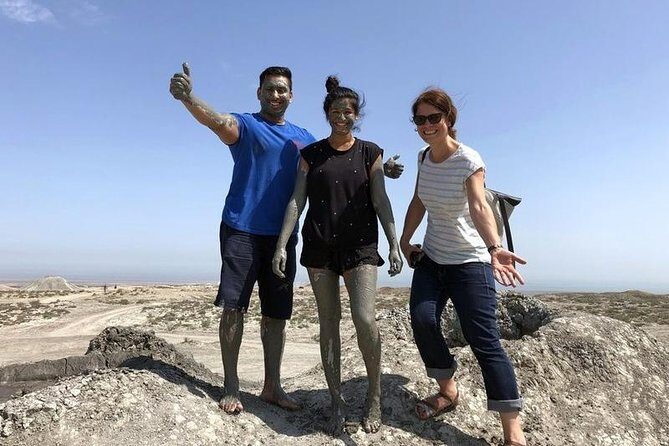
This part of the day is shorter in time, but it is memorable because the mud volcanoes look and behave like something between earth, water, and geology class. You get the chance to see them close up rather than from far away.
One note from the tour description: some people believe the mud has medical benefits, and you might hear suggestions to try it on the skin. If you decide to do anything like that, treat it as optional and go by what your guide suggests on the day.

When rain disrupts the plan: Bibiheybat Mosque as backup
Gobustan is outdoors, and Azerbaijan weather can be a wildcard. The tour specifically warns that during wet seasons or rainy weather, the mud volcano area can become too muddy for cars to reach.
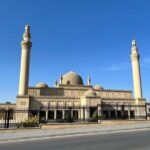
When that happens, the mud volcano stop is substituted with a visit to Bibiheybat Mosque on the way back toward the city center. That substitution keeps your day from turning into a half-finished trip, and it gives you another Azerbaijan sight that fits the same general direction on your return.
If you are visiting during a rainy time of year, I would treat waterproof shoes and a rain layer as smart packing. Even a light mist can make some ground conditions worse than you expect.
Pacing and guide style: why names like Shahin and Vusal come up
This tour runs about 4 hours total. That time window is short, so the guide’s role is big: they set context quickly, keep the group moving, and make sure you do not miss what matters.
In the guide lineup you might see names like Shahin, Vusal, Sabina Mammedli, Jamil, or Lamiya. What stands out from their style is strong English and a tendency to connect the dots between the region, the sites, and what you are looking at in front of you.
There is also a practical reality to group tours. Even when everything goes smoothly, you will spend some time in the car. If you are the type who wants every minute to be hands-on walking, keep your expectations aligned: this is a “guided highlights” day trip.
Value check: is $105 per person a good deal?
At $105 per person, you are paying for more than a drive. The included package covers guided interpretation, air-conditioned transportation, bottled water (0.5 liters), and the key entrance items.
Admission is part of the structure:
- Gobustan museum entry is included
- The mud volcano area entrance is listed as free
You also get a small exclusive souvenir postcard, which sounds minor, but it is one of those low-cost touches that signals the tour is not just dumping you at a gate.
When you compare this to the cost of doing it alone—especially if you want an interpreter-grade narrative for the rock art—the price lands as reasonable for a half-day. Add the fact that you get a private-group experience, and it becomes a solid value for couples or small groups who want comfort without dealing with logistics.
What to expect at each step of the day
Here’s how the day usually unfolds, in plain terms:
First, you start at Sahil metro station. If you selected pickup, the guide collects you and you head south by vehicle toward Gobustan.
At Gobustan, you begin at the museum for explanation and baseline context, then you go out to the open-air area for the rock art. This is the longer of the two main stops, with about two hours marked for the Gobustan site.
Then you transfer toward the mud volcano area, which is allocated around 20 minutes on-site. In good conditions, you see them close up. In wet conditions, you may end up at Bibiheybat Mosque instead.
Finally, the tour ends back at Sahil Park, with an option to return to your accommodation.
Practical tips that help you enjoy it more
A few on-the-ground considerations make this smoother:
- Bring comfortable shoes. You are walking around an open-air site with outdoor stone surfaces.
- Dress for the weather. The mud volcano plan can change when conditions turn.
- Expect some driving time. This day is about two sites, not many tiny stops.
- Plan to ask questions. The museum stop works best when you use it to learn how to read the carvings.
- If meeting point directions feel unclear, confirm the exact meeting spot at Sahil before you go. Some tours run into confusion about which exit or gate is correct.
If you like your travel days to mix science, art, and strange natural activity, this hits that sweet spot.
Should you book Gobustan & Mud Volcanoes from Baku?
Book it if you want a guided, ticket-included way to see Gobustan’s UNESCO petroglyphs plus Azerbaijan’s famous mud volcanoes without the hassle of sorting transport and interpretation yourself.
Skip it or think twice if you are arriving during a rainy stretch and you strongly want the mud volcanoes no matter what. The itinerary has a backup, but it is still not the same experience as seeing the volcano area directly.
For most people, though, this is an efficient, high-impact half-day: museum to make sense of the prehistoric art, open-air carvings for the wow factor, then the odd realism of active mud volcanoes near Baku.
FAQ
Where does the tour start and end?
The tour starts at Sahil in Baku, Azerbaijan, and it ends back at the meeting point. You also have the option to be dropped off at your accommodation if you prefer.
How long does the Gobustan & Mud Volcanoes tour take?
The duration is about 4 hours.
Does the price include transportation from Baku?
Yes. Round-trip transportation from Baku is included, and the tour uses an air-conditioned vehicle.
Are entrance tickets included?
Yes. Entrance tickets are included. The Gobustan museum admission is included, and the mud volcanoes admission is listed as free.
Is this a private tour?
Yes. It is described as a private tour/activity, so only your group participates.
Can I get picked up from my hotel?
Yes. Pickup is offered as an option, though the default start is Sahil metro station.
What happens if it rains and the mud volcanoes are hard to reach?
If weather makes the mud volcanoes area unreachable by car, the tour substitutes that stop with a visit to Bibiheybat Mosque on the way back to the city center.
Is bottled water provided?
Yes. The tour includes 0.5 liters of bottled water.
Is there free cancellation, and until when?
Yes. You can cancel for a full refund if you cancel up to 24 hours in advance of the experience start time.
Additional Info I’d confirm before you go
If you have a tight schedule, confirm whether your guide intends to keep the standard order of Gobustan first and mud volcanoes second, since conditions can affect how the day runs. Also confirm the exact meeting spot at Sahil so you do not waste time hunting for the correct exit.