REVIEW · BAKU
Baku: Gobustan & Absheron with Mud Volcanoes & Fire
Book on GetYourGuide →Operated by Baku Fire Tour · Bookable on GetYourGuide
Prehistory meets oddball geology, then finishes with fire worship. This is a tight 8-hour route that strings together UNESCO rock art, mud volcanoes, and Absheron’s famous eternal flame sites.
I like how the day is built like a story: Gobustan first, then the living earth at the mud volcano complex, and finally the man-made meaning of fire at Ateshgah.
Two big wins stand out for me. First, you’ll walk among ancient petroglyphs tied to survival, animals, and daily life tens of thousands of years ago. Second, you get a guided look at places where Azerbaijan’s natural “energy” feels literal—mud bubbles and the Burning Mountain flame at Yanar Dag.
One thing to consider: the trip has mandatory entry costs on top of the low base price, and the mud volcano stop carries a cash fee even if weather forces a reroute. Also, like any popular shared tour model, communication can make or break your day—confirm details in advance and keep your phone handy.
In This Review
- Key points before you go
- A day of prehistory, mud, and fire just outside Baku
- Getting from Baku to Gobustan: photo stops and the tempo of the day
- Gobustan UNESCO petroglyphs: reading 40,000+ years in stone
- Mud volcanoes: why Azerbaijan has them and what to budget
- The mandatory fee detail you must plan for
- A souvenir tip that’s actually part of the experience
- Yanar Dag (Burning Mountain): the natural flame moment
- Ateshgah of Baku: Zoroastrian fire temple and why it matters
- Price and entry fees: what the $2.50 base actually covers
- Included extras: guide time, water, and why skip-the-line helps
- Who this trip suits best (and who should skip it)
- A quick heads-up about reliability and guide communication
- Should you book this Gobustan & Absheron fire trip?
- FAQ
- How long is the Gobustan & Absheron trip?
- What stops are included on this day trip?
- Are entry fees included in the price?
- Do I have to pay the mud volcano fee even if it rains?
- What language is the live guide available in?
- Is this tour suitable for wheelchair users or people with mobility impairments?
Key points before you go
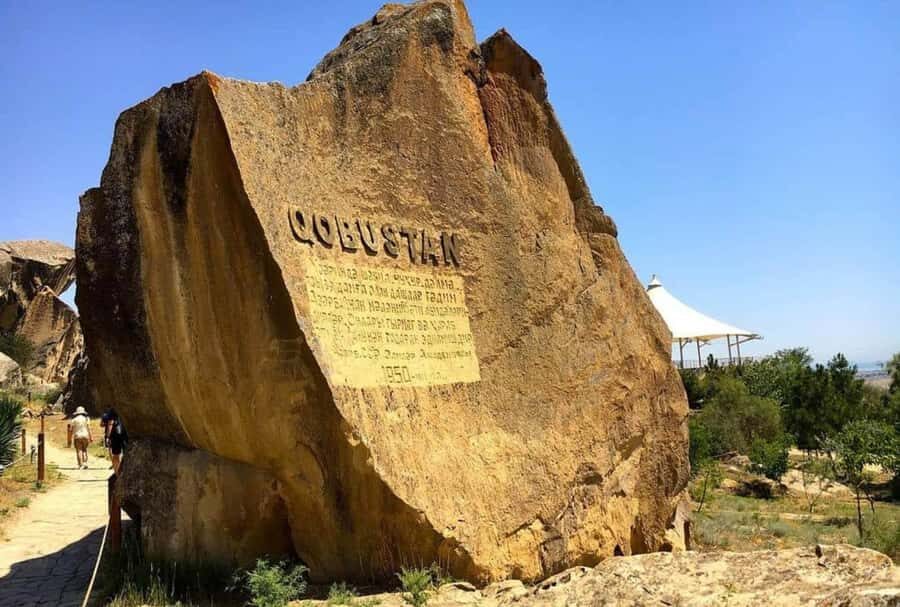
- Gobustan’s UNESCO petroglyphs: you’ll spend real time walking and learning what the carvings show.
- Mud volcanoes are the star (and costly): a mandatory cash fee applies, rain or shine.
- Yanar Dag’s eternal flame: you’ll see the natural flame itself, not just a photo spot.
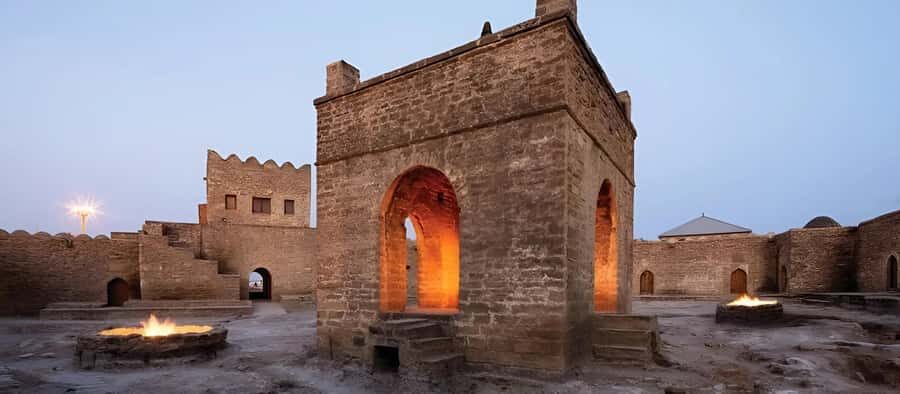
- Ateshgah Fire Temple: Zoroastrian-era fire worship with guided context.
- Skip-the-line entry: a separate entrance helps you waste less time at key stops.
- Comfort matters: uneven ground and real walking mean sturdy shoes.
A day of prehistory, mud, and fire just outside Baku
This tour is short enough to feel doable, but varied enough to keep you awake. You start in the Absheron/Baku region and move through three different “systems” of the country: archaeology, geology, and belief.
The format also helps. You’re not just dropped at viewpoints. You get guided time at the main sites, plus photo stops along the way so you can line up your best shots without turning the day into nonstop sprinting.
You can also read our reviews of more tours and experiences in Baku.
Getting from Baku to Gobustan: photo stops and the tempo of the day
Pickup begins at Gosha Gala Gapysy. From there, you’ll ride by coach, then switch to a smaller vehicle for the mud volcano portion. It’s a classic structure for this kind of day trip: long stretches between sites, then short, focused blocks where you actually get to look and ask questions.
Early on there’s a Bibiheybat photo stop. It’s not the highlight of the day, but it’s useful. You get your bearings, your camera batteries last longer, and you ease into the route before the heavy hitters start.
The overall tempo is practical: you’ll spend about an hour at the Gobustan rock art area, then a shorter guided block at the mud volcanoes complex, then you reset again back toward lunch in Baku. That rhythm matters because Gobustan-style sites make you walk—if you pace yourself, you’ll enjoy them more.
Gobustan UNESCO petroglyphs: reading 40,000+ years in stone
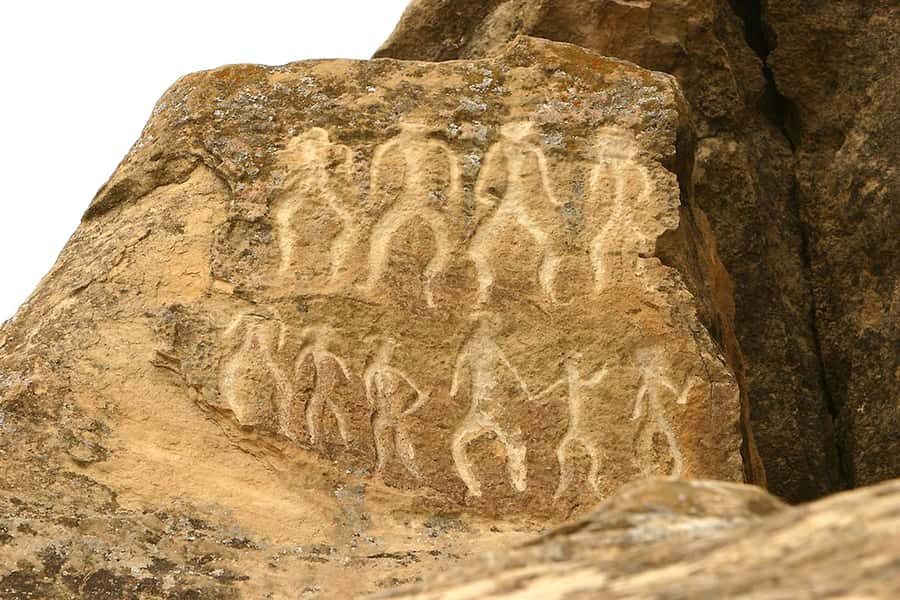
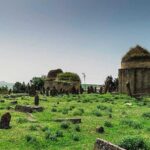
The Gobustan Rock Art Cultural Landscape is what makes the day feel bigger than a standard “see a couple things” outing. You’re walking among carvings that can date back over 40,000 years, which is a wild number to hold in your head while you’re standing in front of the actual marks.
You’ll get a guided tour here, not just free time. That helps because the petroglyphs aren’t one simple “wow” moment. They’re thousands of details layered over time—animals, figures, and scenes that connect to how people lived, hunted, and moved through this region long before modern Azerbaijan existed.
Practical note: wear shoes that grip. Even if the surfaces aren’t a disaster, you’re still dealing with outdoor uneven terrain, and you’ll enjoy the carvings more if you’re not constantly adjusting your footing.
Mud volcanoes: why Azerbaijan has them and what to budget
If Gobustan is your brain’s time machine, the mud volcanoes are your senses. These aren’t a museum display. They’re active, physical, and a little weird—in the best way.
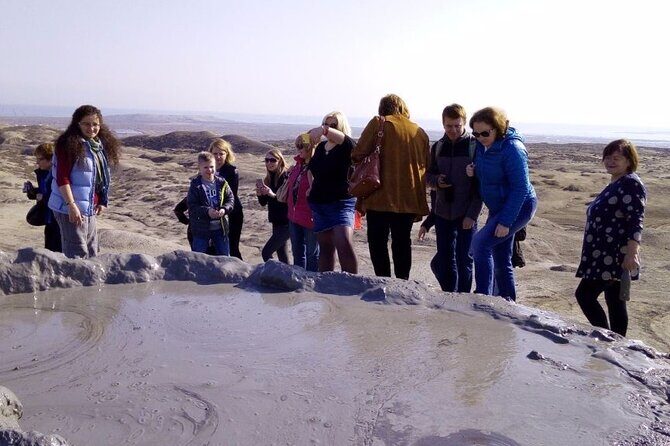
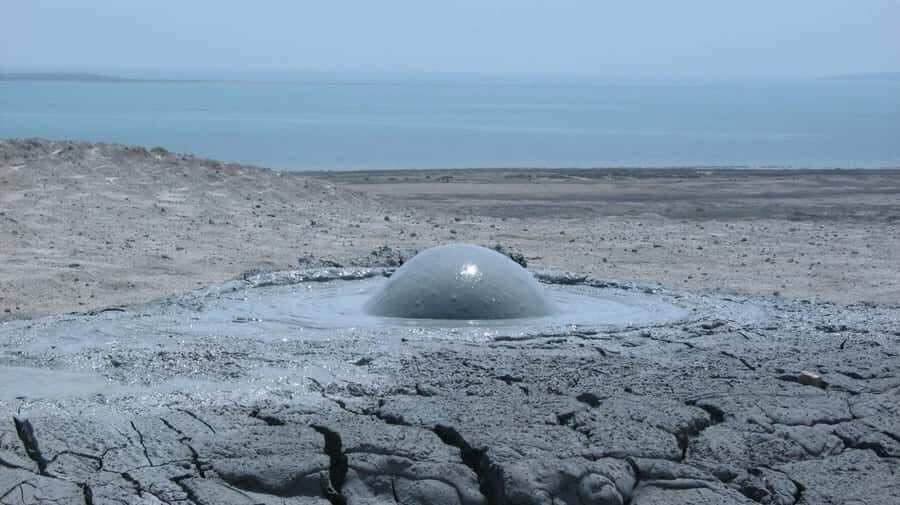
You’ll travel to the mud volcano area by jeep/SUV for a short segment, then have a guided visit. Expect about 25 minutes for the main stop, so don’t treat it like you have hours to wander. This is the kind of place where the best experience comes from moving, looking, and letting your guide connect what you’re seeing to how mud volcanoes work.
The mandatory fee detail you must plan for
This stop has a mandatory 30 AZN cash fee for the mud volcano complex. Importantly, the fee still applies even in rain. So if you’re the type who hates paying for plans that might get weathered, this is your heads-up.
A souvenir tip that’s actually part of the experience
Bring an empty bottle. The tour encourages you to collect mud as a souvenir, which turns a potentially messy “I guess it’s cool” stop into something you can take home and remember. Just don’t use a fancy bottle you’ll regret—choose something you can spare.
Yanar Dag (Burning Mountain): the natural flame moment
After lunch time in Baku, you’ll head to Yanar Dag—the Burning Mountain. Here the goal is simple: see the flame that keeps burning. You’ll have a photo stop and guided time, about 25 minutes total for the visit block.
This is one of those places where context changes everything. Without explanation, it can feel like a tourist stop. With a guide, it becomes part of a bigger Azerbaijan theme: natural sources of “fire” that people across history have interpreted, used, and worshiped.
The viewing is outdoors, so dress for real weather and real ground. Bring layers if it’s windy; it’s a fire site, but it doesn’t mean the weather will cooperate with your comfort.
Ateshgah of Baku: Zoroastrian fire temple and why it matters
Next is Ateshgah, also with a guided visit of about 20 minutes, plus a photo stop. This is your cultural bridge between natural flame and human meaning.
Ateshgah is an ancient Zoroastrian fire temple. The big takeaway isn’t just that it’s old; it’s that the place shows how belief systems can grow around real natural phenomena. When you’ve already seen the natural flame at Yanar Dag, Ateshgah lands with more weight. It’s the same theme, but through people, architecture, and ritual intent.
You’ll get enough time to understand the site without feeling rushed out the door. The guided format here is especially helpful because fire temples can look like “just ruins” if you don’t know what the different parts are meant to do.
Price and entry fees: what the $2.50 base actually covers
The base price is strikingly low—listed at $2.50 per person—but here’s the truth you should plan around: entry tickets are not included in the standard option.
You’ll need to budget these costs:
- Gobustan National Park: 10 AZN
- Mud Volcanoes (mandatory): 30 AZN cash
- Ateshgah & Yanardagh: 15 AZN
Add them up and you’re paying for the experiences that actually cost money on-site. That’s not a complaint—it’s just math. In practice, you’re buying transportation plus a guide, and you’re paying separate site fees for the entrances.
There’s also a convenience option if you want less friction: choose the Entrance Fees Included option. That can include a free Baku Old City tour, and private guides are available on request. If you hate surprises, this is the smarter way to book.
Included extras: guide time, water, and why skip-the-line helps
You get a professional guide and a bottle of water. Not flashy, but practical. In hot weather, bottled water is not the kind of detail you want to remember mid-walk.
A small but real time-saver: skip the line through a separate entrance. That helps at popular stops where you’d otherwise waste time standing around rather than learning or walking.
Language coverage is English and Russian, and the guide works live. That’s important because the best parts of Gobustan and the fire sites come from explanation, not from reading signs by yourself.
Who this trip suits best (and who should skip it)
This works best for you if you like variety and you want a well-paced sampler of Azerbaijan’s outdoors and ancient sites. It’s also a strong choice for first-time visitors, because you get three iconic themes in one day: rock art, mud volcano geology, and fire-related history.
It’s not a fit if you need mobility-friendly routing. The trip is not suitable for people with mobility impairments and wheelchair users. Uneven terrain and walking at outdoor sites make that clear.
If you’re a solo traveler, this type of shared group day can be efficient and fun. Just go in with realistic expectations: you won’t get a private museum-style slow crawl at each stop.
A quick heads-up about reliability and guide communication
The biggest operational risk isn’t the route—it’s whether your guide actually shows up and your messages get answered. Some past bookings have reported cancellations without notice or a guide not arriving.
So I suggest this simple habit: confirm your pickup details the day before (and again the morning of). Keep messaging open and be ready to call. It’s not paranoia; it’s how you protect a day you might have been planning around.
Should you book this Gobustan & Absheron fire trip?
Book it if you want an efficient day that mixes UNESCO petroglyphs, mud volcanoes, and fire temples with guided time at the important stops. The base price is a bargain, and even with entrance fees added, you’re still paying for a full route with transportation and a guide.
Skip it if you’re budget-tight but also fee-sensitive, because the mud volcano stop includes a mandatory 30 AZN cash entry. Also skip if mobility limits you, since the terrain and walking are part of the experience.
If you do book, go prepared: sturdy shoes, an empty bottle for mud, and cash for the mud volcano complex. And do a quick confirmation check before you go, because that’s the one variable you can control.
FAQ
How long is the Gobustan & Absheron trip?
The duration is listed as 8 hours.
What stops are included on this day trip?
You visit Gobustan Rock Art Cultural Landscape, mud volcanoes, Yanar Dag, and Ateshgah, with photo stops such as Bibiheybat along the way.
Are entry fees included in the price?
Not in the standard price. Gobustan (10 AZN), mud volcanoes (30 AZN cash), and Ateshgah & Yanardagh (15 AZN) are listed as separate fees unless you select the option that includes entrance fees.
Do I have to pay the mud volcano fee even if it rains?
Yes. The mud volcano complex fee applies even if weather redirects the tour.
What language is the live guide available in?
The live guide is available in English and Russian.
Is this tour suitable for wheelchair users or people with mobility impairments?
No. It is listed as not suitable for people with mobility impairments and wheelchair users.