REVIEW · BAKU
Become a Baku resident in a day
Book on GetYourGuide →Operated by Azvibe · Bookable on GetYourGuide
Baku can go from medieval walls to futuristic towers fast. I love how this tour forces the contrast in a single day: Icherisheher old lanes and modern icons like the Flame Towers. I also love the offbeat nature stop at Gobustan mud volcanoes, where the ground looks like another planet. One thing to consider: it’s a long day (450 minutes) with real walking and some off-road time, and the tour isn’t a fit for wheelchair users or people with mobility impairments.
What makes it work is the structure. You get a professional guide, air-conditioned bus time between key sights, and clear photo windows at the big hits. In the reviews, I saw names like Javid and Tim credited for calm, organized guiding—exactly what you want when you’re trying to hold a whole city in your head.
The countryside parts can also be weather-dependent. If rain shows up, you’ll still do the mud volcano area, but the route changes—so pack water and expect some uneven ground.
In This Review
- Quick hits before you book
- Old City Icherisheher: walking walls, palace lanes, and fast context
- Highland Park and Flame Towers: the best “wow” photos with a plan
- Heydar Aliyev Center photo time: what you’ll see and what you won’t
- Carpet Museum, Philharmonia Garden, and quick culture breaks
- Bibi-Heybat Mosque: a 13th-century spirit in today’s Baku
- Baku Boulevard, National Flag Square, and the first oil well site
- Gobustan rock arts and mud volcanoes: where the ground looks staged
- Ateshgah (Fire Temple) and Yanardagh (Burning Mountain): symbolic power in a real setting
- Military Trophy Park: recent history, shown with equipment and exhibits
- How long it takes, where you meet, and what to pack
- Price and value: $30 is the guide and bus, but tickets add up
- Should you book this Baku resident day?
- FAQ
- How long is the tour?
- What is included in the $30 price?
- Do I pay entrance tickets separately for Gobustan and the fire sites?
- How much is the mud volcano off-road car fee?
- If it rains, does the tour change?
- Where are the pickup and drop-off locations?
- Is the Heydar Aliyev Center visited inside?
Quick hits before you book
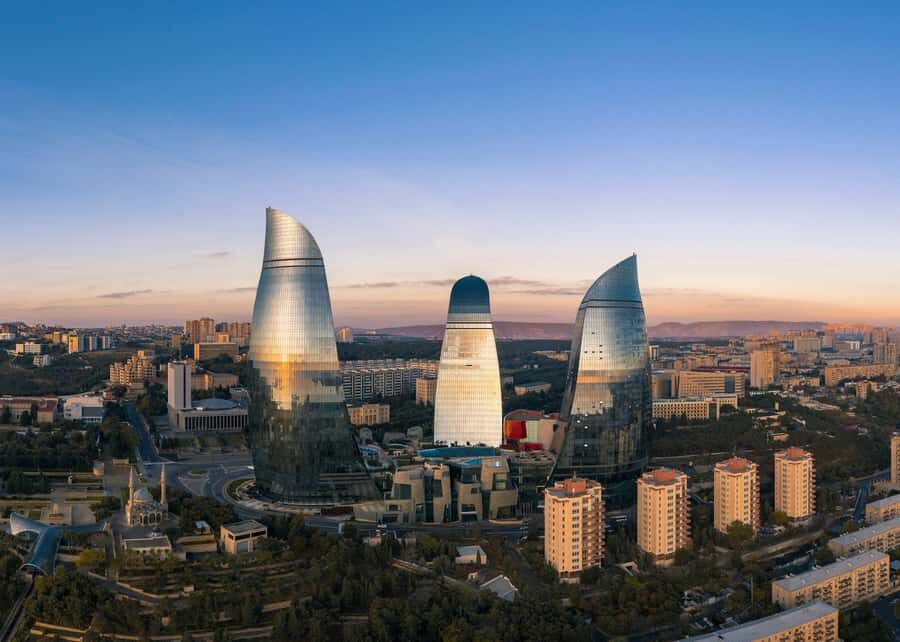
- Old City orientation plus panoramic viewpoints in the same day, so you understand Baku fast
- Highland Park photo time with sea-and-city views that actually make sense later
- Gobustan’s bubbling mud volcanoes plus rock art entry points you pay separately
- Fire Temple and Burning Mountain (Ateshgah & Yanardagh) with a straightforward ticket add-on
- Museum-style recent history at Military Trophy Park (2020 Nagorno-Karabakh war exhibits)
- Only exterior photos at the Heydar Aliyev Center interior, since time constraints limit entry
Old City Icherisheher: walking walls, palace lanes, and fast context
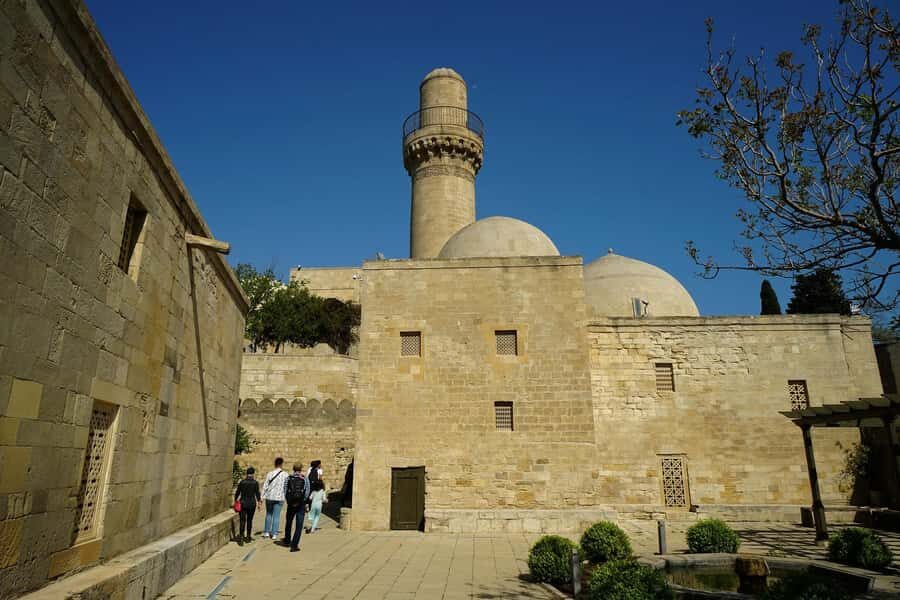
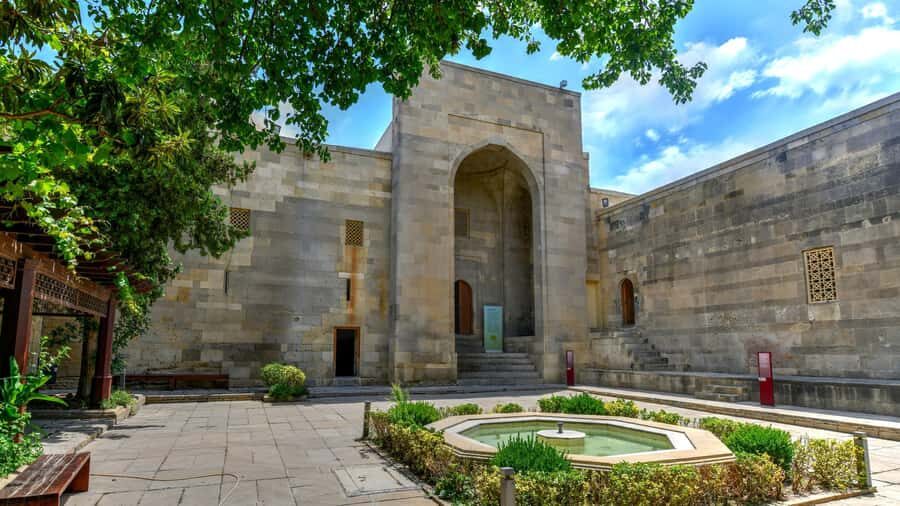
Start with Icherisheher, Baku’s UNESCO-listed Old City. Think thick stone walls, narrow passageways, and those compact streets where history doesn’t sit politely behind glass. A guided walk matters here because you’re moving through layers of time—old architecture, old street patterns, and the little viewpoints that help you see where the city’s heart used to be.
Even if you’ve seen photos of the Old City, this is the part where you get your bearings. It’s also where you’ll feel the tour’s logic: you’re not just checking boxes. You’re learning how Baku grew into the modern skyline you’ll see later.
Practical tip: wear comfortable shoes. The Old City is full of uneven spots and tight turns where flip-flops won’t forgive you.
You can also read our reviews of more tours and experiences in Baku.
Highland Park and Flame Towers: the best “wow” photos with a plan
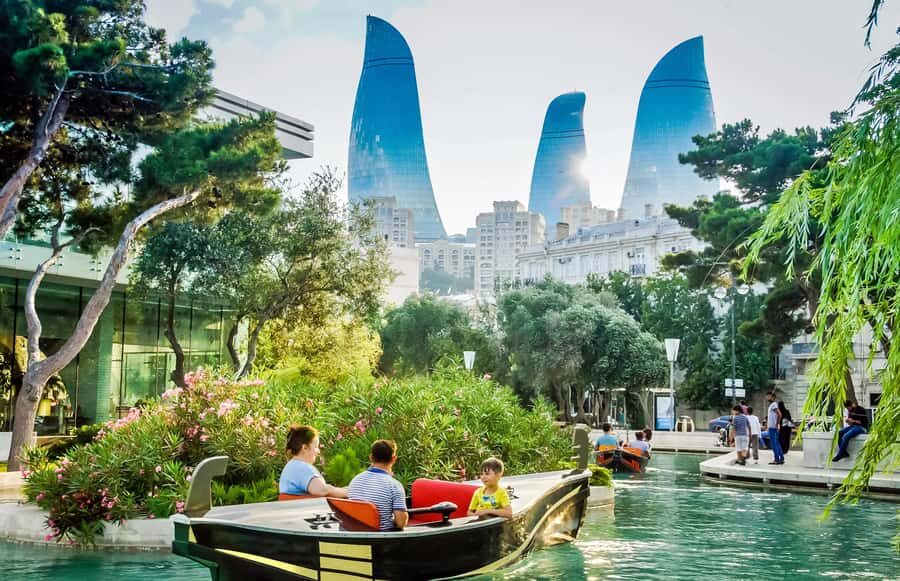
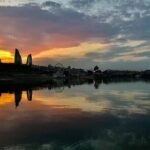
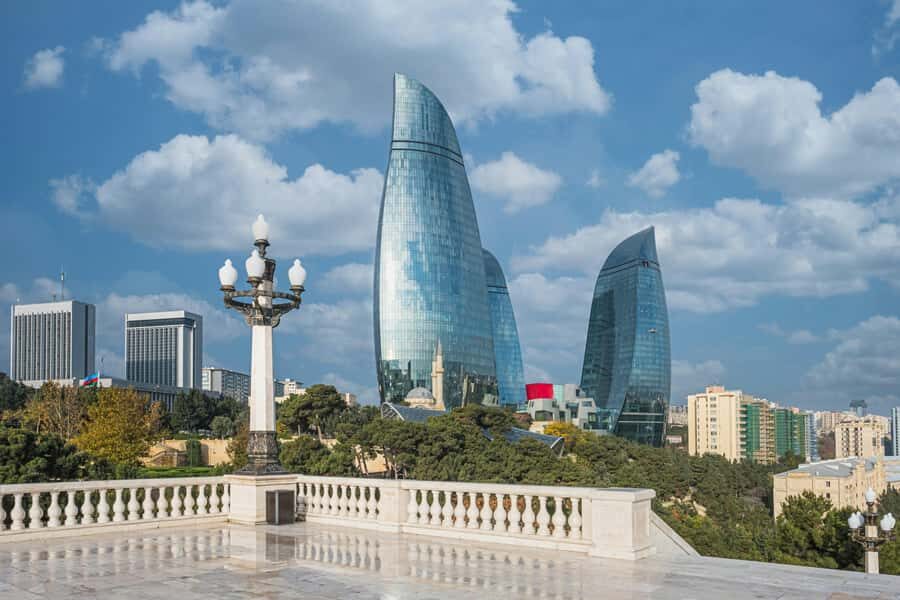
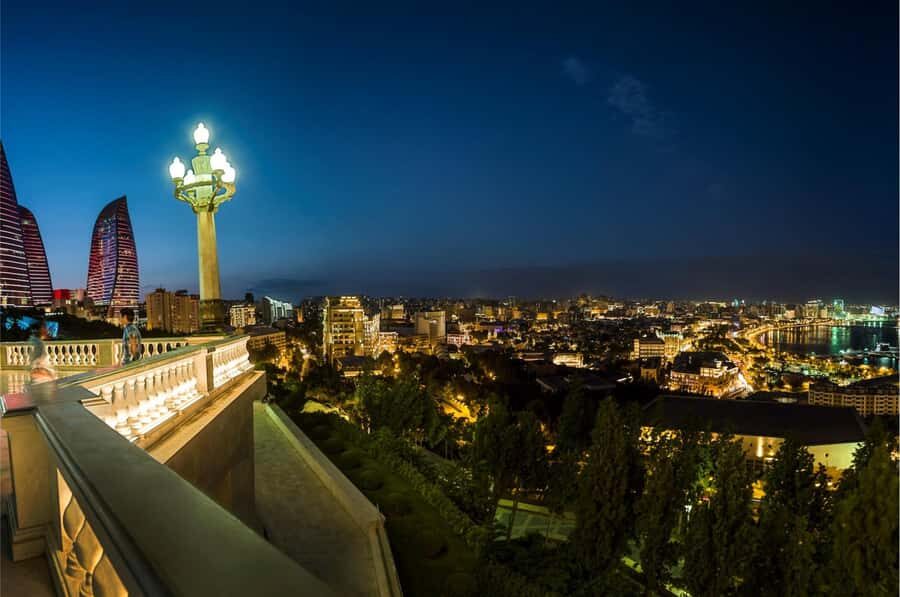
From the Old City’s stone maze, you jump to views. Highland Park is where the city opens up, with panoramic outlooks over Baku and the Caspian Sea. This is one of the most useful stops on any Baku day because it turns the rest of your sightseeing into a map in your mind.
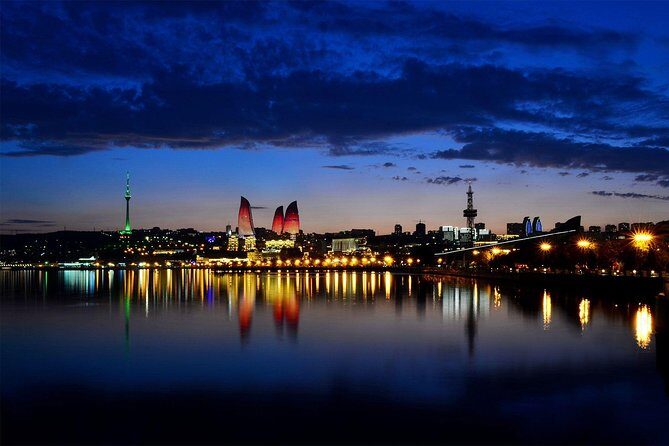
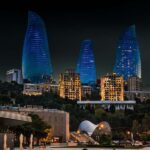
Then come the Flame Towers. They’re iconic for a reason, and a guided visit helps you connect the architecture to the modern identity Baku projects today. You’ll also get that satisfying feeling of seeing a city from both angles—history on foot, then modern landmarks with a bit more breathing room.
If you’re the kind of traveler who likes one “big photo” that you can keep returning to later, this is where you’ll want your camera ready and your hat on.
Heydar Aliyev Center photo time: what you’ll see and what you won’t
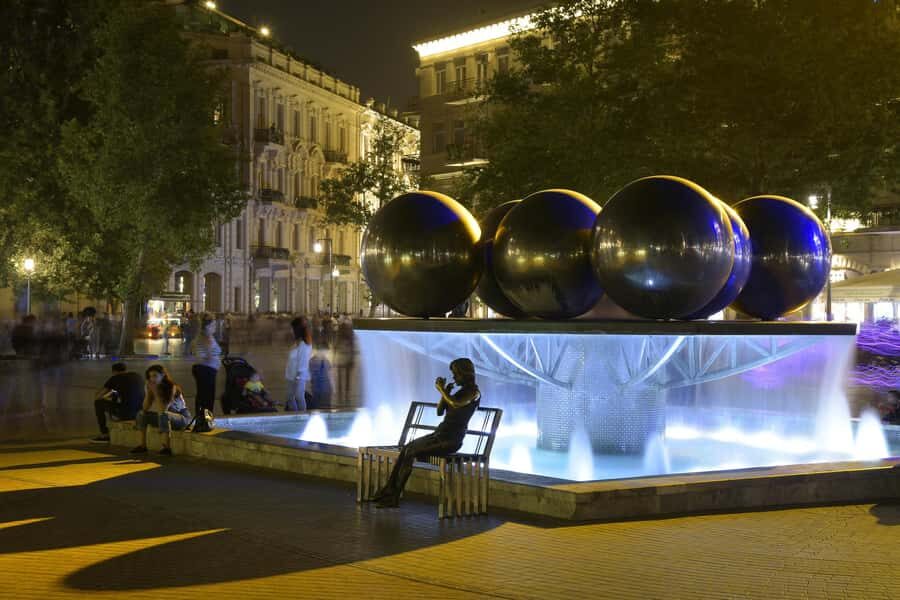
The Heydar Aliyev Center is scheduled as the final sightseeing point, and it’s mostly about seeing the building and taking photos. The tour notes that groups generally don’t enter the center’s interior due to time constraints.
So plan your expectations accordingly. You’ll still get the external look, and the timing works because you’re ending the day with one of Baku’s signature contemporary designs. It’s a good finale: the modern city theme lands cleanly after the Old City foundation.
Carpet Museum, Philharmonia Garden, and quick culture breaks
Between the major anchors, you’ll get smaller cultural stops that keep the day from feeling like one long march. The Azerbaijan Carpet Museum is one of them, with time for photos and walking around. Carpet design is a strong Azerbaijan identity thread, and this is a simple way to touch it without needing a separate half-day commitment.
You’ll also pass through Philarmonia Garden and see the Aliagha Vahid Monument. Then there’s a guided visit and walk at the Museum of Miniature Books. These stops are short enough to stay comfortable, but they add variety—so your brain doesn’t just bounce from “old” to “new” nonstop.
In plain terms: this is where you refill water, reset your legs, and keep the day interesting.
Bibi-Heybat Mosque: a 13th-century spirit in today’s Baku
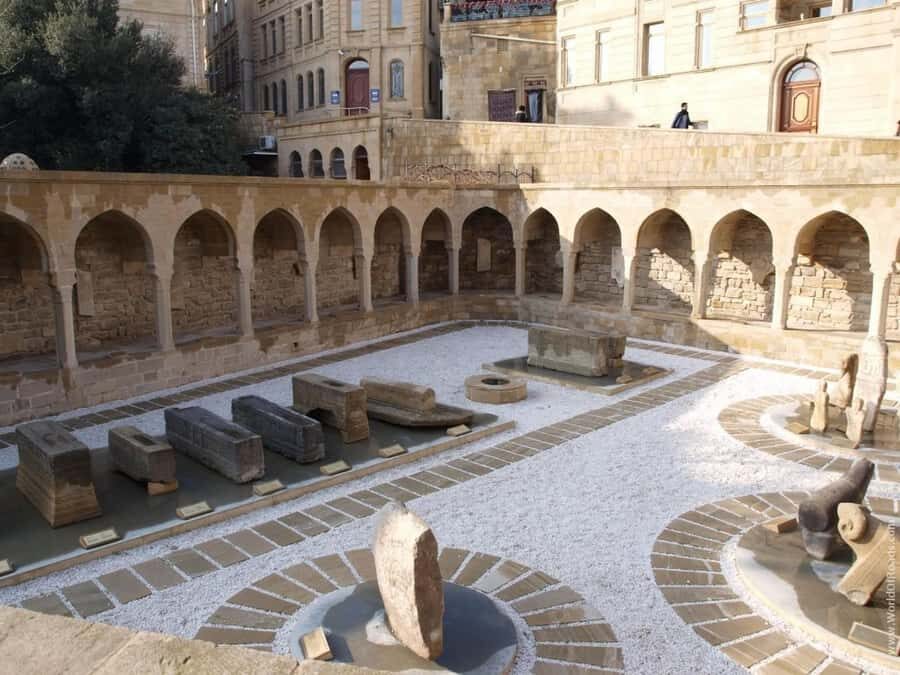
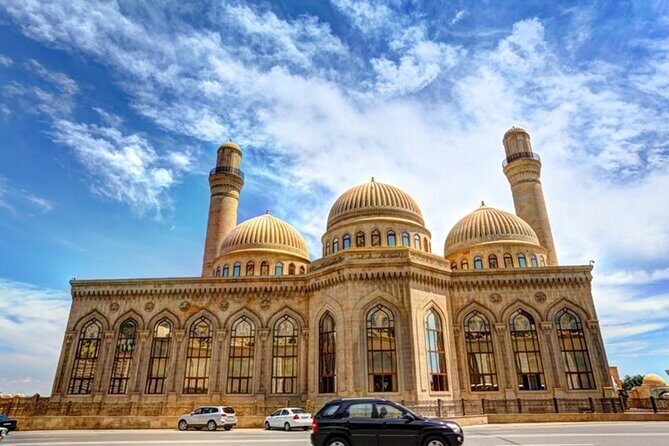
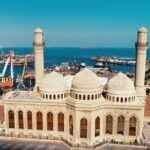
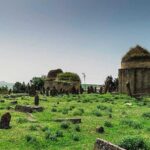
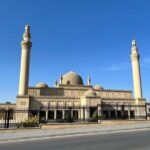
Next up is Bibi-Heybat Mosque, an important spiritual site built as a reconstruction linked to a 13th-century original. Even if you’re not visiting for religious architecture, it’s still a meaningful pause. It gives the tour a calmer pace between the high-energy city icons and the more unusual nature stops later.
The mosque also helps balance the skyline effect. Baku’s modern face gets the headlines, but places like this remind you the city’s story isn’t only about oil-era growth and futuristic building shapes.
Tip: dress comfortably for walking, and be mindful that this is a religious site. A hat is fine outside, but keep an eye on local expectations when you’re near places of worship.
Baku Boulevard, National Flag Square, and the first oil well site
The boulevard stretch is exactly what it sounds like: a long, scenic walk along the waterfront vibe. It’s a good “transition” moment. After you’ve moved through historic streets and landmark photography, strolling here helps you process what you’ve seen.
National Flag Square adds another layer. It’s grandeur-forward, and it ties into how Azerbaijan presents itself today. And then you’ll see the site of the first oil well in the world, marking the start of Baku’s 19th-century oil boom. This is one of the tour’s most practical learning moments: you connect the city’s wealth-and-industry history to the modern skyline you just photographed.
If you like tours that help you understand why a place looks the way it does, don’t rush through this part. This is the logic section of the day.
Gobustan rock arts and mud volcanoes: where the ground looks staged
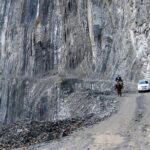
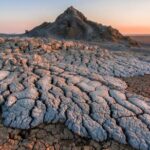
Now you leave the city feel behind for Gobustan’s lunar-like terrain. The mud volcanoes are famous because the ground bubbles and emits that otherworldly look. It doesn’t feel like a normal “scenic spot.” It feels like something geological is happening right in front of you.
You’ll also visit Gobustan’s rock arts area, which is part of the paid entry: 10 AZN for Gobustan Rock Arts. And there’s a separate mandatory fee for getting close enough to the mud volcanoes: 30 AZN cash per person for off-road cars, collected at the start to avoid delays.
Here’s the key value for your planning: the tour emphasizes no hidden cost for mud volcano transport. If it rains, the plan switches to the Mud Volcanoes Complex, but the 30 AZN cash payment is still the same.
Practical tip: this portion can involve uneven, dirt-heavy footing. Pack water and expect dust or mud on your shoes.
Ateshgah (Fire Temple) and Yanardagh (Burning Mountain): symbolic power in a real setting
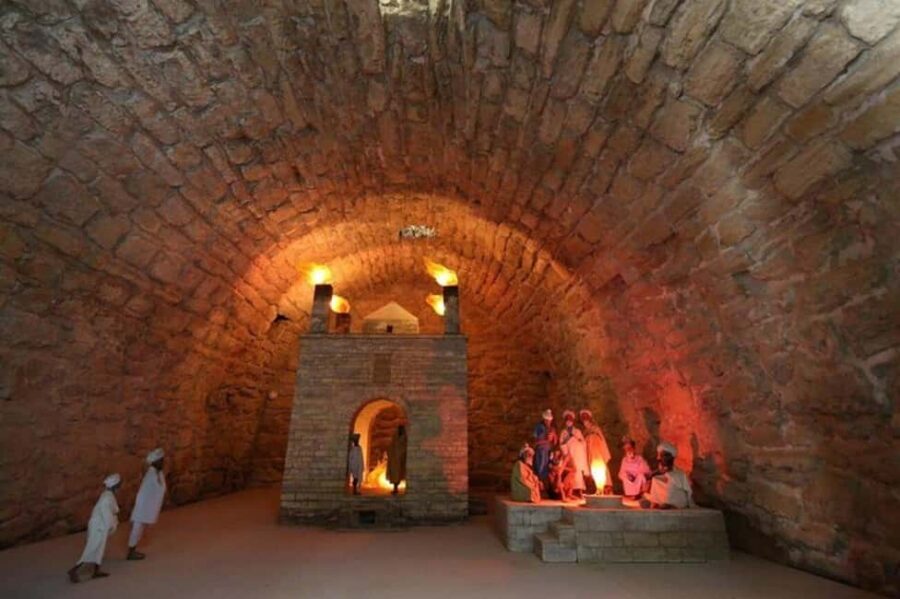
Next is a fire-themed stop: Ateshgah and Yanardagh. The tour flags them as separate paid tickets: 15 AZN for Ateshgah and Yanardagh.
This is one of those Azerbaijan stops that’s both weird and meaningful. You’re seeing the area tied to fire symbolism and legend, but you’re doing it in a physical place—not just a story. In one review, the fire temple was described as potent for its symbolism, which matches the feeling you’ll get when you realize why travelers keep bringing up this connection.
Don’t expect a theme park show. Expect a site where the meaning comes from the location and the presence of fire narratives in the region.
Military Trophy Park: recent history, shown with equipment and exhibits
Later in the day, you’ll visit Military Trophy Park, which displays equipment and exhibits from the 2020 Nagorno-Karabakh war. It’s not there for vibes. It’s a place where you face modern conflict history through tangible artifacts.
This stop isn’t just for people who like military history. It’s for anyone who wants context for how recent events shape national narratives. Still, it’s emotionally heavy, so keep that in mind if you’re sensitive to war-related topics.
If you’re traveling with someone who prefers lighter history, you might want to prepare them for the tone change.
How long it takes, where you meet, and what to pack
This is a long day: 450 minutes (about 7.5 hours). You’ll spend time on a bus between sights, but it’s still built around walking and moving.
Pickup options are flexible, with four possible meeting points:
- Ahmad Rajabli
- Dənizkənarı Milli Park
- Sahil metrosu
- Old City Baku
Drop-off also uses four options: Ahmad Rajabli, Dənizkənarı Milli Park, Old City Baku, and Sahil metrosu.
The guide is part of the included value, and the tour runs with English and Russian live guiding. Reviews also give extra points for organization and calm guiding—so you’re not stuck guessing where to go.
What to bring (from the tour guidance, and also what I’d actually use):
- Comfortable shoes
- Hat
- Camera
- Sunscreen
- Water
Not allowed: smoking.
Also, this tour is not suitable for children under 5, and it’s not for wheelchair users or people with mobility impairments. The terrain and walking add up.
Price and value: $30 is the guide and bus, but tickets add up
The listed price is $30 per person, and what you truly get for that money is a professional guide plus transportation by air-conditioned bus. Meals aren’t included, and personal expenses are on you.
Then come the separate paid entries:
- 10 AZN for Gobustan Rock Arts
- 30 AZN (cash) mandatory for off-road cars to mud volcanoes
- 15 AZN for Ateshgah and Yanardagh
So your total day cost will be higher than $30. The good news is the tour calls out the fees clearly, and it repeats that the mud volcano off-road car fee doesn’t change if it rains.
That’s where the value calculation comes out. You’re paying extra for entry and specific transport into nature sites, but the overall day saves you from piecing together multiple separate tours. You get a single guided thread connecting Old City, skyline icons, seaside promenades, and then the outside-of-town geology and fire sites.
If you’re short on time in Baku and you want a structured “starter pack” day that shows how different Baku really is, this is strong value—especially at a single fixed price for guide + bus.
Should you book this Baku resident day?
Book it if you want:
- A one-day mix of Old City + modern skyline + outside nature
- A guided explanation (English or Russian) so the stops make sense fast
- Gobustan mud volcanoes and fire sites without planning the logistics yourself
Skip it (or choose a different format) if:
- You can’t handle walking or uneven ground, or you need wheelchair-friendly touring
- War-related history at Military Trophy Park would be too much for your comfort level
- You dislike long, tightly packed days with multiple transitions
My bottom-line take: this is a smart “first Baku day” tour. You’ll leave with photos, yes. But more importantly, you’ll leave with a mental map of why Baku looks the way it does—medieval lanes, oil-era traces, modern architecture, and the strange geological energy of Gobustan.
FAQ
How long is the tour?
The duration is 450 minutes (about 7.5 hours).
What is included in the $30 price?
The price includes a professional guide and transportation by air-conditioned bus. Meals and drinks are not included.
Do I pay entrance tickets separately for Gobustan and the fire sites?
Yes. Entry tickets for Gobustan National Park, Fire Temple, and Burning Mountain must be paid separately if an option with entry tickets is not selected.
How much is the mud volcano off-road car fee?
A 30 AZN cash per person mandatory fee is collected at the start for off-road cars for the mud volcanoes.
If it rains, does the tour change?
Yes. If it rains, the tour goes to the Mud Volcanoes Complex, and the 30 AZN cash mud volcano off-road fee remains the same.
Where are the pickup and drop-off locations?
Pickup and drop-off are available at Ahmad Rajabli, Dənizkənarı Milli Park, Old City Baku, and Sahil metrosu.
Is the Heydar Aliyev Center visited inside?
The tour visits the Heydar Aliyev Center for sightseeing and photos. Groups do not enter the interior due to time constraints.