REVIEW · SHAMAKHI
From Baku: Gabala, Shamakhi, Full-Day Tour
Book on GetYourGuide →Operated by Alov Travel Baku · Bookable on GetYourGuide
That long day of history starts with a gate. From Shamakhi to Gabala, you pack Persian-era power, ancient ruins, and mountain scenery into 12 hours with a real guide. It’s the kind of route that makes Azerbaijan feel layered: empires, crafts, and nature all in one sweep.
I especially like the mix of stops. You get both built heritage (like the Jummah Mosque) and outdoors breaks (like Seven Beauties Waterfall and Nohur Lake) so the day doesn’t feel like nonstop “look at stones.” And because the route also includes Lahij, you’re not only chasing ruins—you’re seeing how old settlements grew in the foothills.
One caution: it’s a full day with walking and sun, and the cable car costs extra ($11). Also, timing can make or break your mood—one reported start involved a guide named Vahid Aliyev arriving about an hour late, while another guide called Valid was praised for on-time pickup and smooth pacing.
In This Review
- Key highlights worth your attention
- Why Gabala, Shamakhi, and Lahij feel like one long story
- Starting at Gosha Gala Gapysy: the day’s calm beginning
- Shamakhi and the Jummah Mosque: power, faith, and quick stops
- Seven Beauties Waterfall and Nohur Lake: the break that resets the day
- Lahij’s foothills and Gabala’s ancient capital: where crafts and ruins overlap
- The Gabala cable car at Tufandag: the payoff view
- Price and logistics: is $45 actually good value?
- Who should book this full-day Gabala route (and who should skip it)
- My call: should you book?
- FAQ
- How long is the tour from Baku to Gabala and Shamakhi?
- What’s included in the $45 price?
- Is lunch included, and where do we eat?
- Do I need to pay extra for the cable car?
- What should I bring for the day?
- Is the tour suitable for people with motion sickness or wheelchair users?
Key highlights worth your attention
- Shamakhi’s medieval importance, tied to the Shirvanshah realm from the 8th to the 15th centuries
- Jummah Mosque stop for quick culture and great photo angles
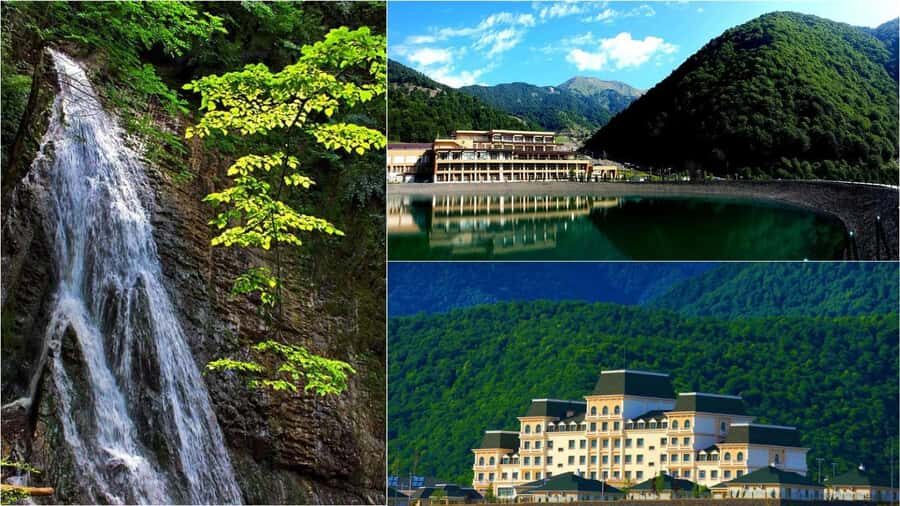
- Seven Beauty Waterfall plus Nohur Lake for nature time between ancient sites
- Gabala’s ancient city ruins and the main gate of Caucasian Albania
- Lahij in the Ismayilli region, on the southern slopes of the Greater Caucasus at about 1211 meters
- Tufandag cable car at Gabala’s resort area for a different perspective
Why Gabala, Shamakhi, and Lahij feel like one long story
This tour works because it links places with a shared timeline. Shamakhi isn’t just “a town you pass through”—it’s described as a key center under successive Persian empires and especially as the capital of the Shirvanshah realm from the 8th to the 15th centuries. In other words, you’re seeing where power was placed, not just where buildings still stand.
Then you shift from rulers to daily life. Lahij is presented as one of the most ancient human settlements in Azerbaijan, perched on mountain slopes around 1211 meters above sea level. That elevation matters: it explains why the area feels cooler and why the settlement pattern looks different from lowland towns.
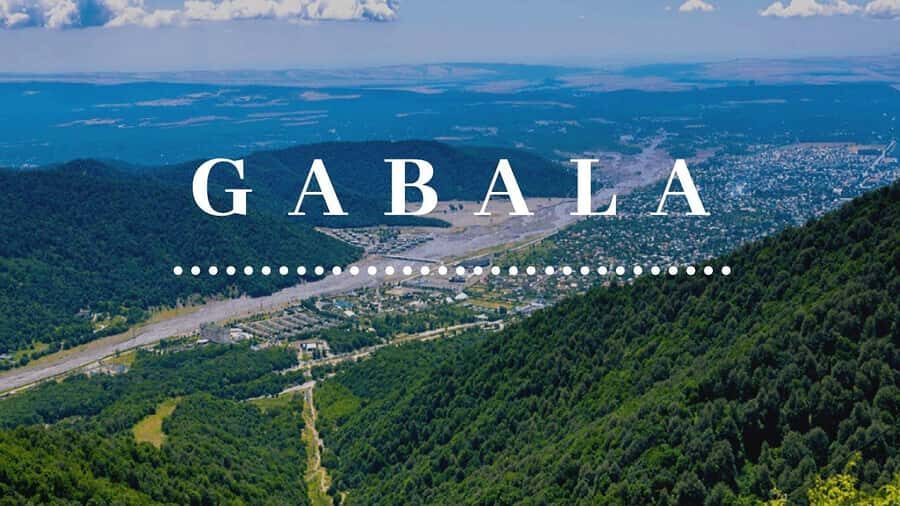
Finally, Gabala adds the “big picture” ancient layer. The tour focuses on the ancient capital of Caucasian Albania and points you toward ruins and excavations connected with trade and crafts spanning from the 4th century BC into the 18th century. That long range helps you understand Gabala as more than a weekend sight.
You can also read our reviews of more tours and experiences in Shamakhi.
Starting at Gosha Gala Gapysy: the day’s calm beginning
You start at Gosha Gala Gapysy (the Double Gate). It’s a small detail, but it sets the tone. Meeting at a clear landmark helps you get oriented fast, and it’s especially useful on an out-of-town day where you’ll be moving by car/van and following a tight schedule.
From there, you move toward Shamakhi. The structure of the day is practical: short stops for photos and viewpoints, then guided time where you can actually ask questions. That pacing is important because your total day is long—returning around 21:00—so you want the “in-between” moments to stay efficient.
Shamakhi and the Jummah Mosque: power, faith, and quick stops
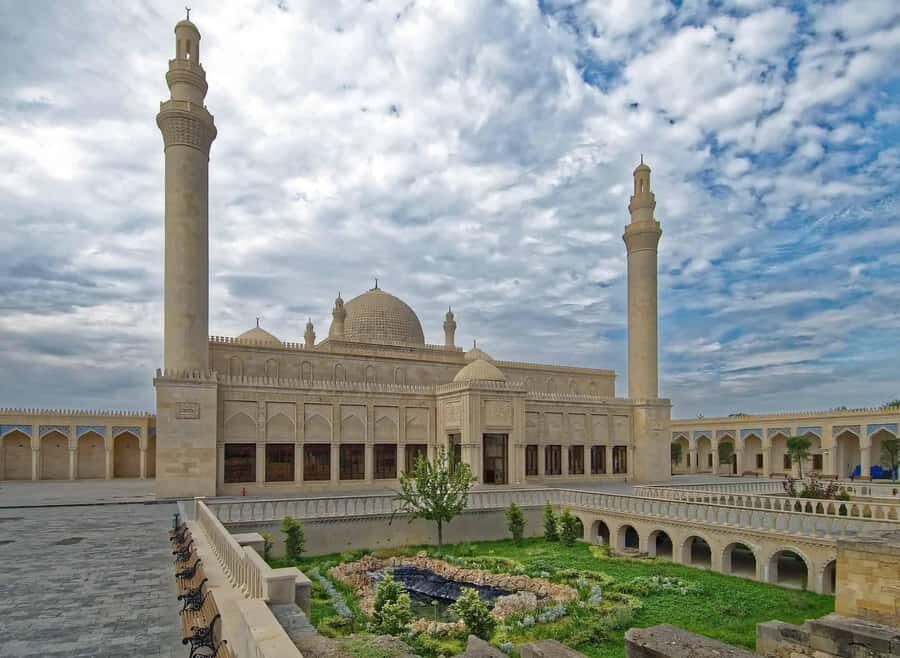
Shamakhi is where you start feeling the historical weight. The tour frames the city as a hub that mattered during successive Persian empires, and later as the capital of the Shirvanshah realm (8th–15th centuries). That context gives meaning to what you see, even if some stops are brief.
You’ll have a photo stop and guided sightseeing in Shamakhi, followed by a stop at the Jummah Mosque. The visit is timed for a focused window, so I’d treat it like a “get the highlights” moment rather than a slow architectural day. Still, mosques like this usually reward you if you look closely: entrances, layout, and the way people use the space.
If you’re taking photos, wear sunscreen and keep your camera ready. Stops can be short, and the light in the region can move quickly.
Seven Beauties Waterfall and Nohur Lake: the break that resets the day
After the town heritage, you go to the natural sights. The tour includes the Seven Beauties Waterfall and then Nohur Lake, with guided time and a walking component at each.
This is a good strategy. Waterfall and lake stops do more than give you scenic photos—they reset your brain. Ancient sites and city streets can blur together after hours of dates and names. A waterfall and a lake give you a different rhythm: pause, look, breathe, and then back to history.
Practical tip: you’ll want comfortable shoes and some water handy. Walking time is listed for both places, and you don’t want footwear that hurts when the day is already long.
Also keep your hat and sunscreen close. This is the kind of day where the shade feels rare, and sun management is what keeps you cheerful instead of cranky.
Lahij’s foothills and Gabala’s ancient capital: where crafts and ruins overlap
Lahij is the “craft and settlement” stop. The tour describes it as one of the most ancient human settlements in Azerbaijan, located in the Ismayilli region on the southern slopes of the Greater Caucasus, around 1211 meters above sea level. That’s not just trivia—it helps you picture why this place developed the way it did and why the buildings and street layout can feel different from lower-elevation towns.
Even with limited time, a guided walk through a settlement like Lahij can be worth it. You get a sense of how people adapted to the terrain and how communities formed in mountain-adjacent areas.
Then you move into Gabala’s ancient layer. The focus is on ruins of the ancient city of Gabala, described as the capital of Caucasian Albania, plus the main gate of the city. The tour also references ongoing excavations near the village of Chukhur, linking Gabala to major trade and crafts from the 4th century BC through the 18th century.
Why this matters for you: “ancient” can be vague unless the tour gives you a thread. Here, the thread is time plus economic life—trade and crafts, not only political power. If you enjoy connecting the dots between what people traded, what they built, and where they lived, Gabala’s framing is likely to click.
The Gabala cable car at Tufandag: the payoff view
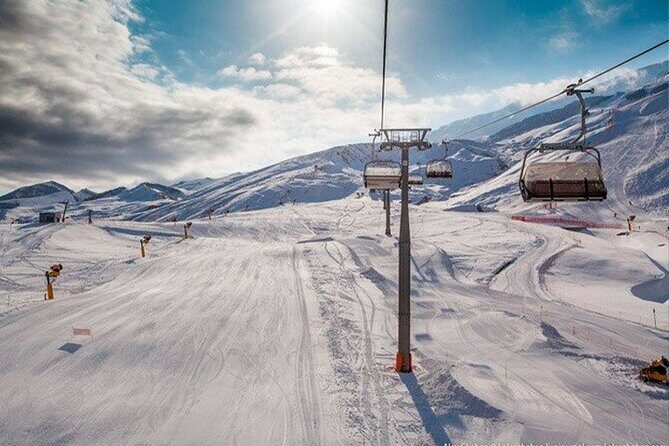
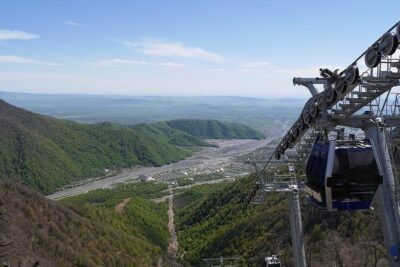
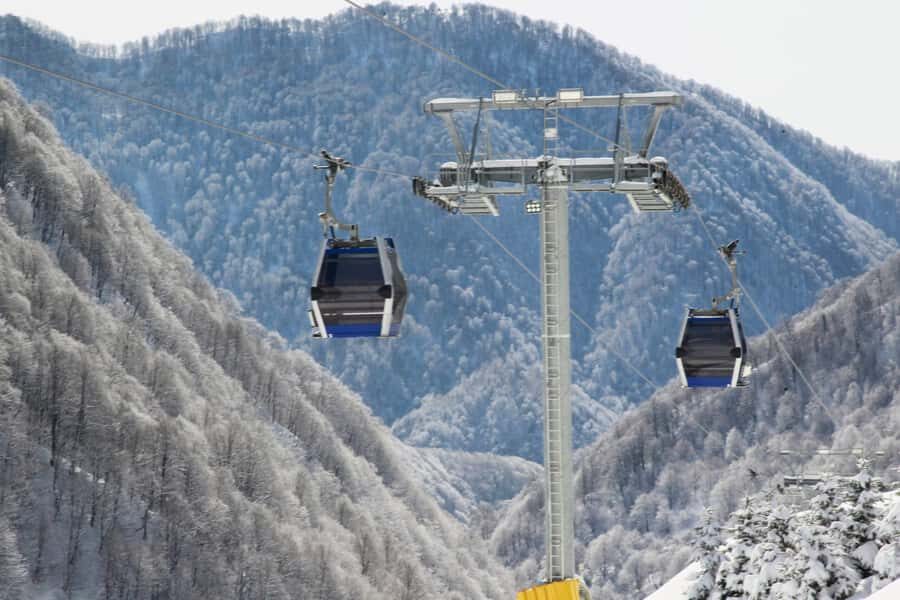
After lunch, the day turns toward the modern resort area with the Gabala Cable Car at Tufandag Resort Station. The cable car ride is not included in the tour price (it’s listed as $11), so I’d treat this as your main optional splurge.
What you’re getting from this stop is perspective. Ancient ruins teach you about the past on foot. The cable car gives you a different angle: you understand the scale of the region, the slope of the land, and how Gabala sits in the broader mountain environment.
It’s also timed as about an hour of time, including guided sightseeing and the cable car experience. For a long day, that amount of time is a good match: enough to enjoy the ride and still keep the group moving.
Price and logistics: is $45 actually good value?
The price is $45 per person for a 12-hour full-day tour with transportation by car or van and a professional guiding service. On paper, it’s an honest number because you’re covering a lot of ground from Baku and getting guided context across multiple stops.
Where value can change for you is in the extras and your pacing:
- Lunch isn’t included, though there’s a local restaurant break with free time.
- The cable car costs extra ($11).
- You’ll need to plan for drinks and personal expenses.
If you’re the type who hates paying separate admission fees and wants everything bundled, this isn’t the cheapest “all-in” format. But if you’re fine with a short list of extras and you care about guided interpretation, the base price can feel fair.
The other logistics factor is timing. Even one late start can throw off your entire day when you’re returning around 21:00. If punctuality matters to you, I’d go in with a calm attitude—and arrive ready with water, sunscreen, and comfortable shoes.
Who should book this full-day Gabala route (and who should skip it)
This tour is a strong fit if you want:
- a guided day connecting Shamakhi, Lahij, and Gabala instead of bouncing between spots on your own
- a balance of culture and nature (mosque + waterfall + lake)
- an outdoor-friendly route that still includes ancient ruins and city landmarks
But it may not be for you if:
- you need wheelchair accessibility (it’s listed as not suitable for wheelchair users)
- you have motion sickness (also listed as not suitable)
- you’re sensitive to long days and sun exposure (the tour strongly advises hat, sunscreen, water, and comfortable shoes)
There’s also an age limit listed: it’s not suitable for people over 95.
My call: should you book?
I’d book this tour if you want a guided “greatest hits” day that ties together Shamakhi’s medieval significance, Lahij’s ancient mountain settlement feel, and Gabala’s Caucasian Albania ruins—with nature stops so the day stays human-paced.
Skip it if you hate long schedules or you’re worried about motion. The transportation is included, but the day is long and the tour includes a cable car add-on. And if you’re someone who gets easily stressed by timing, note that there’s at least one reported case where a guide named Vahid Aliyev arrived about an hour late; other accounts praised a guide named Valid for on-time pickup and strong management. Your experience likely depends on how your day lines up.
FAQ
How long is the tour from Baku to Gabala and Shamakhi?
The tour lasts 12 hours, with a return to the pickup point around 21:00.
What’s included in the $45 price?
It includes transportation by car or van and a professional guided tour service.
Is lunch included, and where do we eat?
Meals and drinks are not included. There is a break time for lunch at a local restaurant with free time, and you’ll have a chance to eat regional food.
Do I need to pay extra for the cable car?
Yes. The Gabala cable car is listed as $11 USD, and it’s not included.
What should I bring for the day?
Bring comfortable shoes, hat, camera, sunscreen, and water.
Is the tour suitable for people with motion sickness or wheelchair users?
No. It’s listed as not suitable for wheelchair users and for people with motion sickness.