REVIEW · BAKU
From Baku: Gobustan Half Day Guided Tour
Book on Viator →Operated by Private Daily Baku Tours · Bookable on Viator
Petroglyphs and mud volcanoes in one guided sweep. I love how the guide helps you read the 20,000-year-old rock scenes like a story, and I love the smart pivot to Baku’s modern identity at Bibi-Heybat Mosque. One drawback to consider: this tour can feel transit-heavy, so vehicle comfort matters if you’re picky about long rides.
Even though it’s marketed as a half-day style outing, the timing runs about 7 hours. You’ll get hotel pickup/drop-off, private transportation, and a professional guide, plus a mobile ticket. It’s best for people with moderate physical fitness, since you’ll be walking around uneven outdoor areas.
In This Review
- Key Highlights You’ll Actually Care About
- Gobustan Rock Art: Where 20,000 Years of Life Shows Up
- Mud Volcanoes at Gobustan: A Weird Place Geology Loves
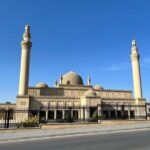
- Bibi-Heybat Mosque: A Short Stop With Meaning
- The Oil Museum and World’s First Oil Well: History You Can Stand Next To
- Price and Value: Is $33.70 a Good Deal?
- Timing, Comfort, and How to Get the Most From 7 Hours
- Who This Tour Fits Best
- Should You Book This Gobustan Guided Tour?
- FAQ
- How long is the Gobustan half-day guided tour?
- Is hotel pickup and drop-off included?
- What’s included in the price?
- What’s not included?
- Do I need to pay entrance fees for all stops?
- How much walking is involved?
- How many people are in the group?
Key Highlights You’ll Actually Care About
- Guided rock art explanations for scenes ranging from the Mesolithic to the first century AD
- Mud volcano concentration in Azerbaijan’s Dashgil Group, with lots of active vents to see
- Bibi-Heybat Mosque context: a 1990s reconstruction tied to a 13th-century predecessor
- Oil-well history you can point to: the world’s first mechanically drilled well (1846)
- Admissions mix: some stops are free, while others require entrance fees on your side
- Hotel pickup included, so you’re not solving logistics before your first photo
Gobustan Rock Art: Where 20,000 Years of Life Shows Up
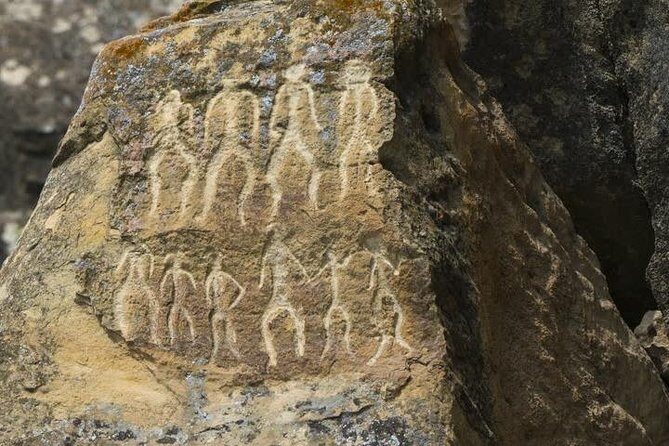
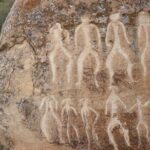
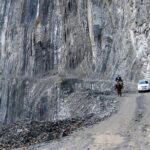
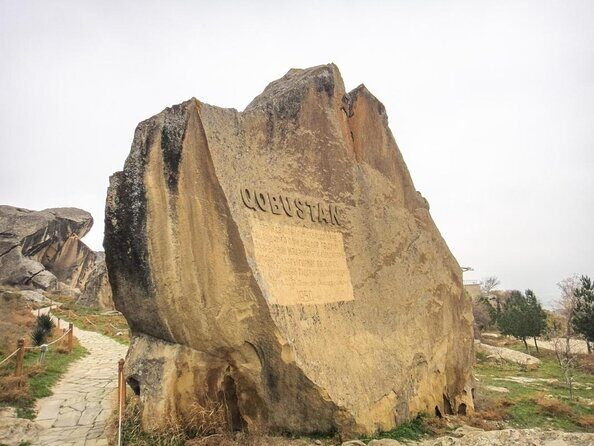
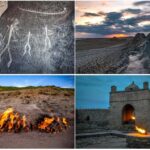
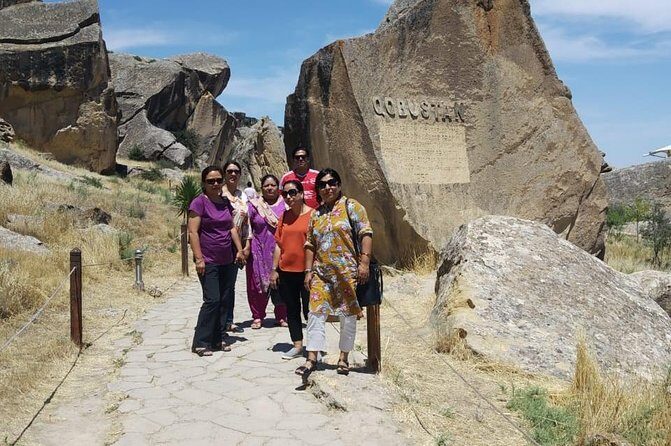
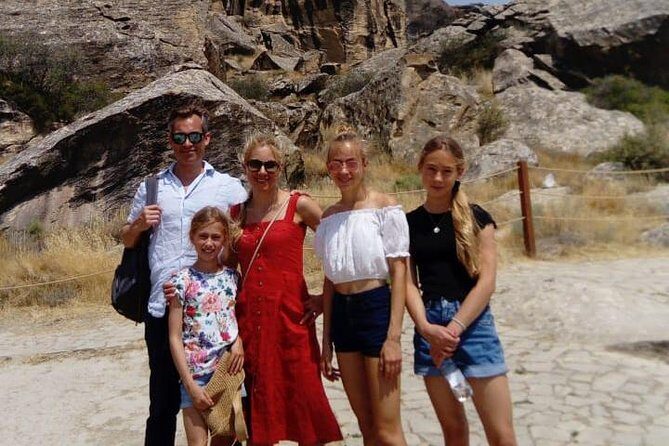
Gobustan’s rock art isn’t just “ancient pictures.” It’s evidence you can stand near and connect. The guide leads you around the dramatic rock faces where ancient carving and painting sit on craggy surfaces, shaped by time and weather. What makes it special is the way you get a timeline, not just a collection.
Here’s the big idea: you’re looking at work that spans thousands of years. The oldest images date back about 20,000 years, while the newest scenes reach as far as the first century AD. That range is the point. Your guide shows how early imagery leans toward everyday survival themes—like hunting mountain goats—plus ritual activity involving spears and dancing. Later images shift toward more structured social life: battle scenes, collective labor, harvesting, and women by a hearth. You start seeing changes in tools, priorities, and group behavior, all from what people chose to draw.
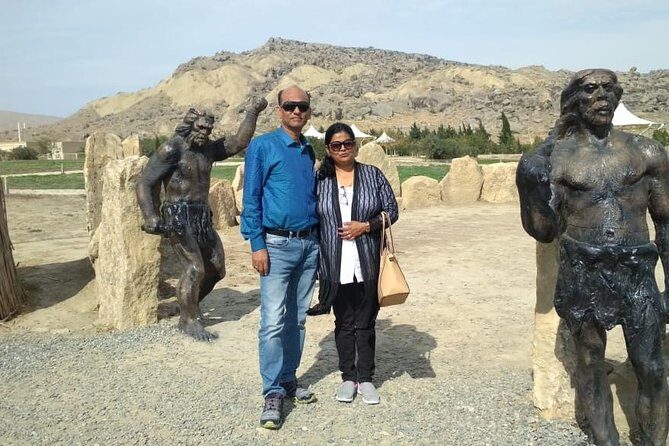
You’ll also hear about how Gobustan supported a thriving prehistoric human civilization. The site is known for ancient dwellings and more than 100,000 artifacts connected with the area’s long occupation. Even if you’re not a museum person, the scale helps you understand this wasn’t a one-off camp.
Practical reality check: the “4 hours” here is a real block of outdoor time. Go in ready to watch, ask questions, and slow down. If you hate standing around, this stop can feel like your patience is the price of admission—but the guidance makes it worth it.
You can also read our reviews of more guided tours in Baku

Mud Volcanoes at Gobustan: A Weird Place Geology Loves
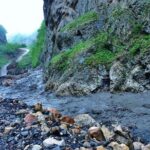
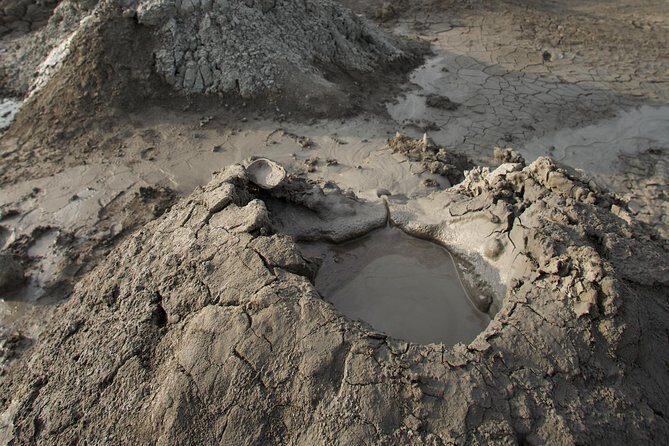
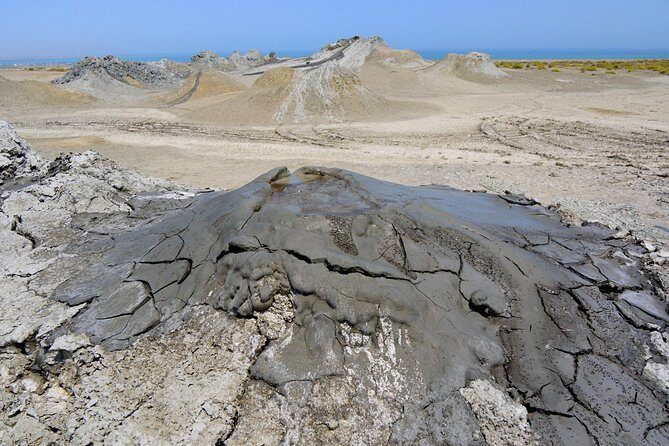
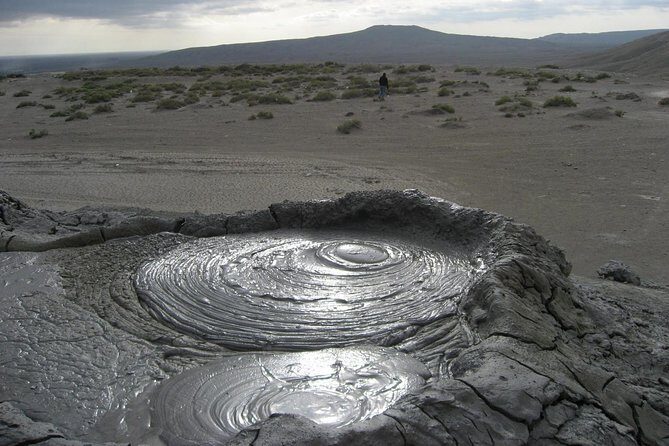
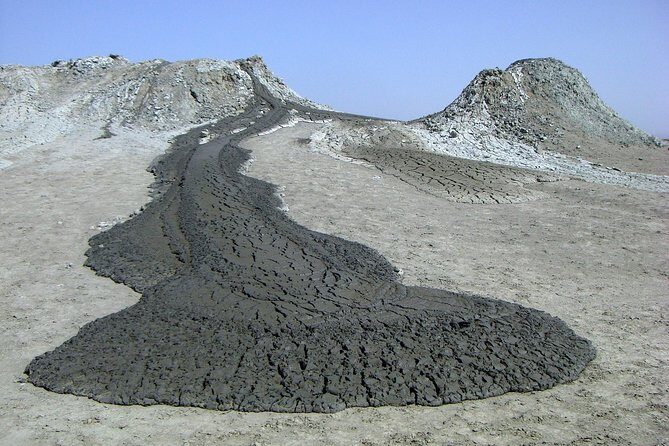
Next comes one of Azerbaijan’s signature natural oddities: mud volcanoes. The guide frames it with scale: there are about 800 mud volcanoes in the world, and Azerbaijan is home to around 350 of them. That’s why people come here—this is not just one vent you pass quickly. The Dashgil Group area, to the east of the Gobustan museum, has a high concentration of active formations.
What you’ll see isn’t the normal “volcano” look from movies. Mud volcanoes are more about active earth breathing—visible activity, textures, and the sheer presence of moving ground. It’s a geology stop, but the guide doesn’t treat it like a lecture. Instead, they help you understand what makes a mud volcano different and why Azerbaijan is such a major hotspot.
The tour plans about 2 hours here. That’s long enough to see multiple vents and take photos without feeling rushed. Still, it’s outdoor time on uneven surfaces, so wear shoes you don’t mind getting a little dusty or muddy.
If you’re the type who likes your natural wonders with a quick science explanation, this stop hits the sweet spot: strange visuals plus enough context to make it click.
Bibi-Heybat Mosque: A Short Stop With Meaning
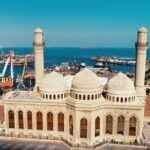
After Gobustan and the mud volcanoes, you get a calmer, more cultural moment at Bibi-Heybat Mosque. It’s only about 30 minutes, so think of this as a focused pause rather than a long sanctuary visit.
This mosque has a layered story. The existing building was constructed in the 1990s, recreating the earlier mosque of the same name. That earlier structure dates to the 13th century, commissioned by Shirvanshah Farrukhzad II ibn Ahsitan II. The original mosque was destroyed in 1936 by the Bolsheviks, and the modern version keeps the historical identity alive.
What I like about this stop is how it gives you a contrast. You just spent hours on prehistoric human traces and active geological forces. Then you pivot to a place where history was physically erased—and later rebuilt intentionally.
One more helpful note for planning: the stop is marked as admission free, so you’re not scrambling for extra tickets during a tight window.
The Oil Museum and World’s First Oil Well: History You Can Stand Next To
Then you’ll head to the Oil Museum and the first oil well area. This is one of those stops where the words sound dramatic, but the facts are even better.
The highlight is the World’s First Oil Well, mechanically drilled in 1846. It produced the first gush of oil in 1847, and the drill depth at the time was only 21 meters—short by modern standards, but huge for what it triggered historically. Later, on 26 April 2017, SOCAR completed reconstruction of the first oil well, so the site reflects both history and restoration.
The timing is also tight—about 30 minutes. That means you won’t get a full museum experience unless you choose to linger, but you will get the core story: oil-making as an engineering breakthrough, right here near Baku.
And like the mosque stop, this one is marked admission free in the itinerary details. So it’s a strong value moment within a day that already includes paid sights elsewhere.
Price and Value: Is $33.70 a Good Deal?
At $33.70 per person, this tour is priced for people who want structure and transport without booking separate tickets and timing everything yourself.
Here’s what you’re paying for, in practical terms:
- Hotel pickup and drop-off
- Private transportation
- A professional guide
- Mobile ticket
The key value trade-off: some costs are handled by you. The itinerary notes that entrance fees are not included, along with landing and facility fees. Also, lunch isn’t included.
On the other hand, two important stops are listed as admission free: the Bibi-Heybat Mosque stop and the first oil well stop. Gobustan rock art and mud volcanoes are where entrance-related costs can apply.
So the smart way to judge value is this: if you want a guided day that moves you between Gobustan’s prehistoric art, Azerbaijan’s famous mud volcanoes, and Baku’s oil-and-mosque narrative—then $33.70 can be a bargain. If you were already planning to go independently and self-guide everything, the entrance fees plus your time might make it less compelling.



Timing, Comfort, and How to Get the Most From 7 Hours
This experience runs about 7 hours total, even though it’s framed like a half-day style outing. For many people, that means you should plan your day as if it’s a full morning/afternoon block, not a quick escape.
A few things you can do to make the ride part less annoying:
- Bring a layer. Outdoor stops flip between sun and wind, and you’ll be in a vehicle between sites.
- Pack water. Lunch isn’t included, and gaps can happen if you extend photo time.
- Use comfortable footwear. Gobustan rock areas and mud volcano zones can mean uneven ground.
Also, keep expectations realistic: you can’t spend equal attention at every stop because the itinerary is built to hit four major themes. Your best strategy is to commit to the two anchor experiences—rock art and mud volcanoes—then enjoy the shorter stops as story-based context.
One more note: the tour is private daily transportation, yet it’s described with a maximum capacity of 100 travelers. That usually means your group size should stay reasonable, but you’ll still want to be ready for a bit of coordination.
Who This Tour Fits Best
I’d point you toward this tour if you:
- Want Gobustan rock art explained, not just photographed
- Like nature that’s weird and visual, not just scenic
- Appreciate short cultural stops that connect history across eras
- Prefer hotel pickup so you’re not managing transport on your own
This isn’t ideal if you:
- Hate long car rides or prefer minimal transit
- Need a fully unhurried day with long museum time at each stop
- Expect everything to be included, because entrance fees and lunch are on your side
Fit is also tied to the moderate physical fitness note. You don’t need to be an athlete, but you should be comfortable walking around outdoor areas for extended periods.
Should You Book This Gobustan Guided Tour?
If your goal is a guided, time-efficient day that ties together prehistoric art, active mud volcano geology, and Baku’s oil-and-mosque identity, I think booking makes sense. The guide component is the difference-maker. Rock art is the kind of site where context turns confusion into understanding. And mud volcanoes are the kind of place where seeing a handful of vents without explanation can feel like a quick stop; with a guide, it becomes a real lesson.
I’d only hesitate if vehicle comfort would stress you out or if you want a day built around long stays at fewer places. Here, the itinerary is designed to move.
If you like your travel days structured—and you want a big slice of Azerbaijan’s story in a single afternoon—this is a solid pick.
FAQ
How long is the Gobustan half-day guided tour?
It runs for about 7 hours approximately, with a long Gobustan rock art stop followed by mud volcanoes, then shorter stops in Baku.
Is hotel pickup and drop-off included?
Yes. Pickup and drop-off at your hotel are included, along with private transportation.
What’s included in the price?
The tour price includes private transportation, a professional guide, and hotel pickup/drop-off. You also receive a mobile ticket.
What’s not included?
Lunch is not included, and landing and facility fees are not included. Entrance fees are also not included.
Do I need to pay entrance fees for all stops?
Not for all stops. The Bibi-Heybat Mosque stop and the Oil Museum/first oil well stop are listed as admission free. Gobustan rock art and mud volcanoes note that admission tickets aren’t included.
How much walking is involved?
You should have moderate physical fitness. Expect outdoor walking time at Gobustan rock art and around the mud volcano area.
How many people are in the group?
The tour has a maximum of 100 travelers, and it’s described as private daily Baku tours.