REVIEW · BAKU
Baku : Gobustan, Absheron Sights Guided Day Trip Lunch included
Book on Viator →Operated by DREAM BAKU TOUR · Bookable on Viator
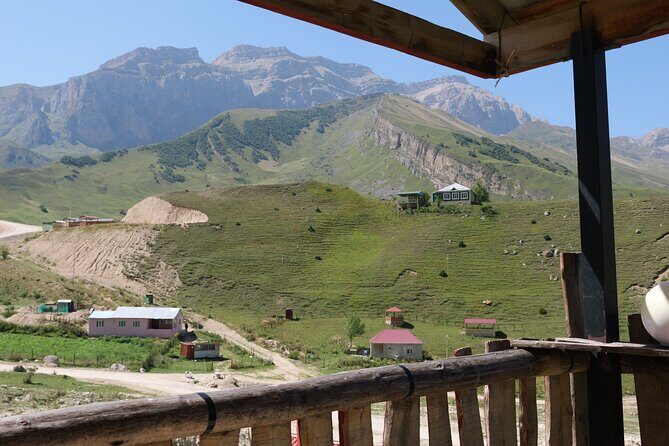
Baku has a weird superpower: ancient fire and art. This guided day trip strings together Gobustan Rock Art (UNESCO-listed carvings up to 20,000 years old), mineral-rich mud volcanoes, and an honest-to-goodness eternal fire at Yanar Dag and Atashgah. I love how the guide connects geology and religion to the everyday life of Azerbaijan, and I also like that you get time at the sites, not just photo stops.
One possible drawback: the advertised price does not cover all admissions. You will likely pay extra site fees for Gobustan park entry (optional 10 AZN), a mandatory off-road vehicle fee for the mud volcano area (30 AZN per person, paid upfront), and optional combo tickets for the Fire Temple and Burning Mountain (15 AZN per person).
In This Review
- Key things you’ll notice on this trip
- Getting from Baku to the Absheron Peninsula on a real schedule
- Gobustan Rock Art: UNESCO caves with the oldest vibe in Azerbaijan
- Mud volcanoes and the empty-bottle trick for your skin
- Bibi-Heybat Mosque: quick, meaningful architecture stop
- Aquatic Palace and Baku’s oil story: short stop, big themes
- Deniz Mall: the one modern pause you might actually use
- Atashgah Zoroastrian Fire Temple: where inscriptions add extra layers
- Yanar Dag: natural gas fire that keeps showing up
- Heydar Aliyev Cultural Center: Zaha Hadid’s architecture as a museum entrance
- Lunch at National Fuel: the break that keeps the day pleasant
- Small-group guiding: why the names Murad, Laman, and Agil keep showing up
- Price and what you truly get for $16
- The one snag to watch for: oil-heritage stop variation
- Who this guided day trip suits best
- Should you book this Baku Gobustan and Absheron sights day trip?
- FAQ
- How long is the guided day trip?
- What time does the trip start?
- Is pickup included?
- Is lunch included, and what does it include?
- Are admission tickets included for all stops?
- What extra fee is required for the mud volcanoes?
- What is the maximum group size?
Key things you’ll notice on this trip
- Small group energy (max 25), which makes it easier to ask questions and get help with photos
- UNESCO Gobustan Rock Art with caves and ancient human settlement context
- Mud volcano logistics that actually get you close, including an off-road component for 30 AZN
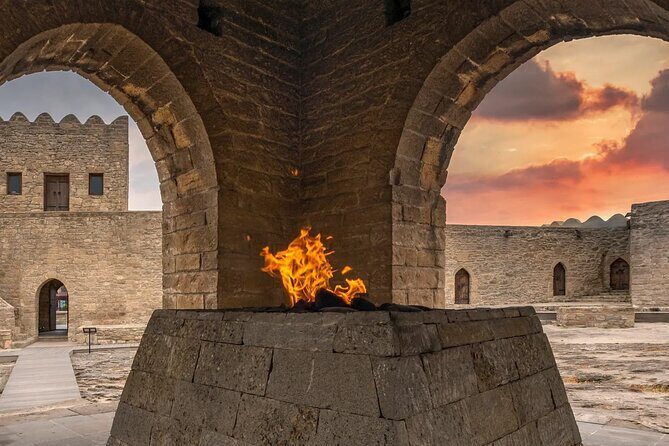
- Natural gas fire at Yanar Dag and the Zoroastrian-linked Atashgah Fire Temple
- Time-smart Baku stops like Bibi-Heybat Mosque and the Heydar Aliyev Cultural Center museum
- Included lunch (National Fuel meal with drinks at a local restaurant) to keep your day comfortable
Getting from Baku to the Absheron Peninsula on a real schedule
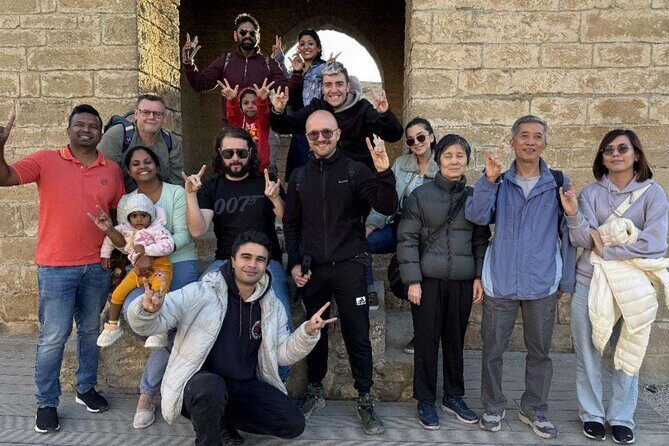
The day starts at 9:00 am with pickup in an air-conditioned vehicle. An eight-hour day can sound rushed on paper, but the pacing works because you are switching between very different places: ancient caves, active natural phenomena, and major Baku landmarks. Guides such as Murad, Laman, Agil, and others are frequently mentioned for being organized, friendly, and good at storytelling, which matters a lot when a site is visually stunning but needs context.
You also get a practical win: you do not have to figure out transport across the Absheron area. That is especially useful if it is your first day in Baku or you do not want to spend time bargaining for cars or hunting for directions.
You can also read our reviews of more guided tours in Baku

Gobustan Rock Art: UNESCO caves with the oldest vibe in Azerbaijan
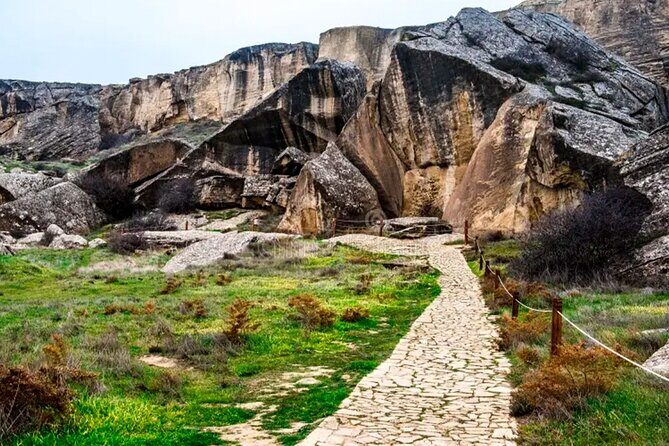
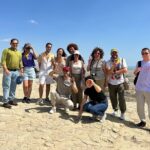
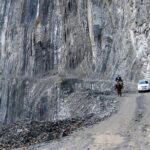
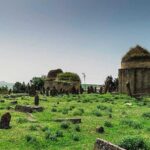
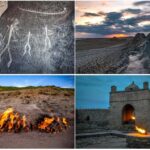
Your first stop is Gobustan Rock Art, a UNESCO World Heritage Site tied to ancient human settlement and caves. Expect about an hour here, with time to walk around and see rock carvings and paintings that can be around 20,000 years old. This is one of those places where the guide’s job is not just explaining what you are looking at, but helping you read the shapes and scenes without turning it into a museum lecture.
What I like about Gobustan for a guided day trip is the way it sets up the rest of the route. You move from ancient humans in the landscape to natural forces in the next hour: mud erupting from deep underground, natural gas flames, and fire temples built around the idea that some phenomena are too powerful to ignore.
Possible heads-up: the Gobustan park ticket cost is 10 AZN per person and is marked as optional in this tour. If you want to avoid any surprises at the entrance, check whether you will need to buy it on the spot.
Mud volcanoes and the empty-bottle trick for your skin
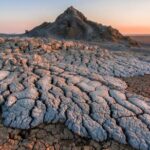
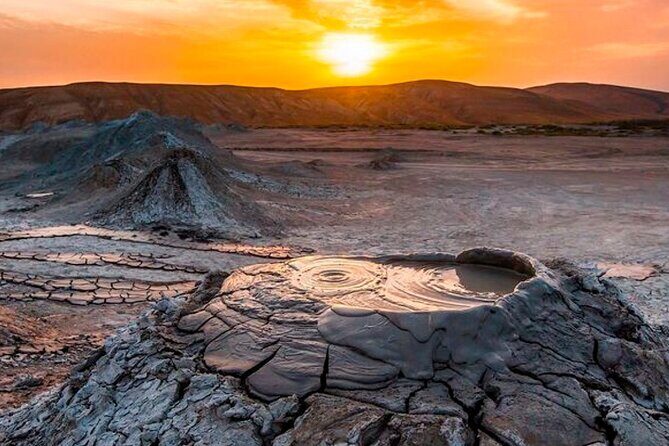
Next comes the stop at the mud volcanoes. These are not a big theme-park set piece. They are mineral-rich vents that erupt constantly, and they are geographically limited in the world. You get around 40 minutes here, which is enough time to walk, look, and understand what you are seeing before you have to move on.
The tour includes the key practical detail: getting there involves off-road driving, and there is a mandatory 30 AZN per person fee that you pay upfront before the tour continues. This matters because the mud volcano area is not exactly a place you stroll to from a bus stop. Plan on having that fee ready on the day.
A fun tip mentioned with the mud volcano stop: bring an empty bottle if you want to refill it. The tour information frames it as for your skin’s benefit. I would treat that as a local custom or personal experiment, not a guaranteed beauty treatment—still, it is worth knowing if you want the option.
Bibi-Heybat Mosque: quick, meaningful architecture stop
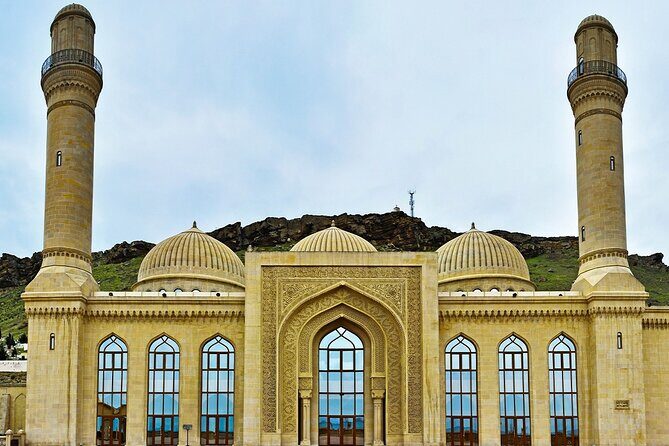
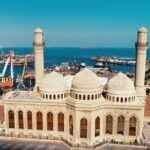
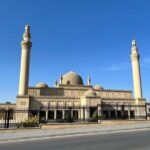
The itinerary then turns more cultural with Bibi-Heybat Mosque, with about 20 minutes on the ground and admission included. This is described as a focal point of worship for local Muslims and a major Islamic architectural landmark in Azerbaijan.
Even with limited time, this stop is valuable because it gives the day trip a human layer. Gobustan and the natural fires are dramatic, but places like this remind you the region has lived traditions—faith, community, and architecture—that continue long after the ancient rock art was carved.
Aquatic Palace and Baku’s oil story: short stop, big themes
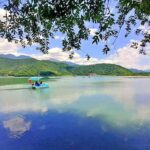
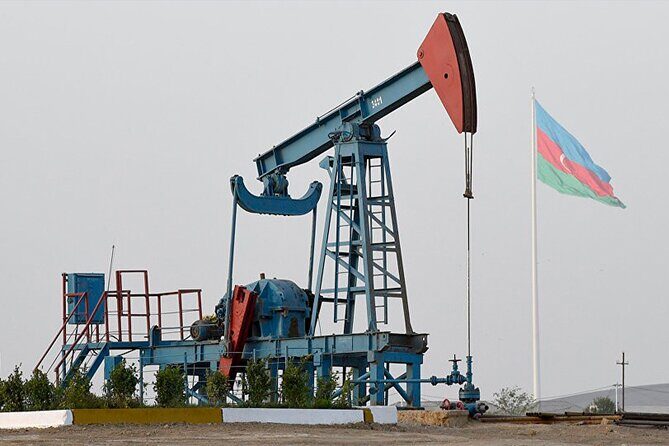
You get another 20-minute stop at Aquatic Palace. The tour info connects it to Baku’s oil heritage, describing it as the world’s first mechanically oil-producing park. Even if you only have a short visit, this is a useful piece of context for why Baku is the way it is: the city’s identity has always been tied to what is under the ground as much as what is on top of it.
One practical consideration: because the stop is time-limited, come with an attitude of seeing it as a quick chapter, not a full documentary. If you want to go deeper, you will probably circle back to Baku’s oil-related sites on your own later.
A few more Baku tours and experiences worth a look
Deniz Mall: the one modern pause you might actually use
There is also a stop at Deniz Mall, noted as Baku’s largest shopping center with a unique design. Expect this as a practical break more than a sightseeing highlight. It is helpful if you need water, a snack, or a place to regroup after several stops in a row.
Atashgah Zoroastrian Fire Temple: where inscriptions add extra layers
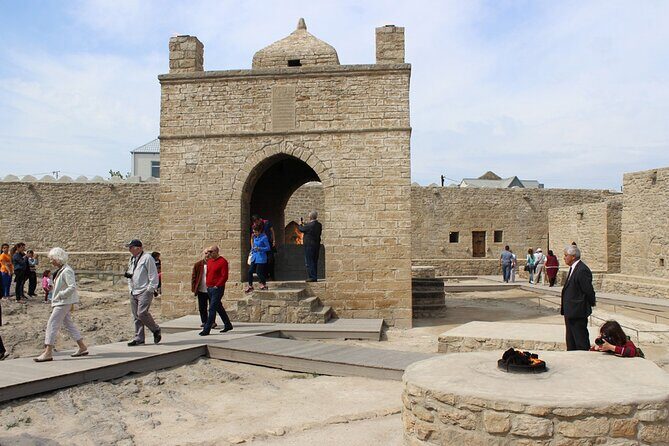
Next is Atashgah Zoroastrian Fire Temple, with about 45 minutes. This stop connects the region’s older religious traditions to a very specific site built and used over the 17th and 18th centuries.
The tour information also adds an important twist: Persian and Indian inscriptions indicate the temple was used as a worship place for Hindus, Sikhs, and Zoroastrians. That is the kind of detail you will miss if you treat Atashgah as just a photo moment. With a good guide, you start to see how religious geography can overlap, not neatly separate.
Admission for the fire temple is not included in the standard package, and there is an optional combo ticket for the Fire Temple and the Burning Mountain (15 AZN per person). If you plan to visit both sites on this day anyway, asking about combo value is smart.
Yanar Dag: natural gas fire that keeps showing up
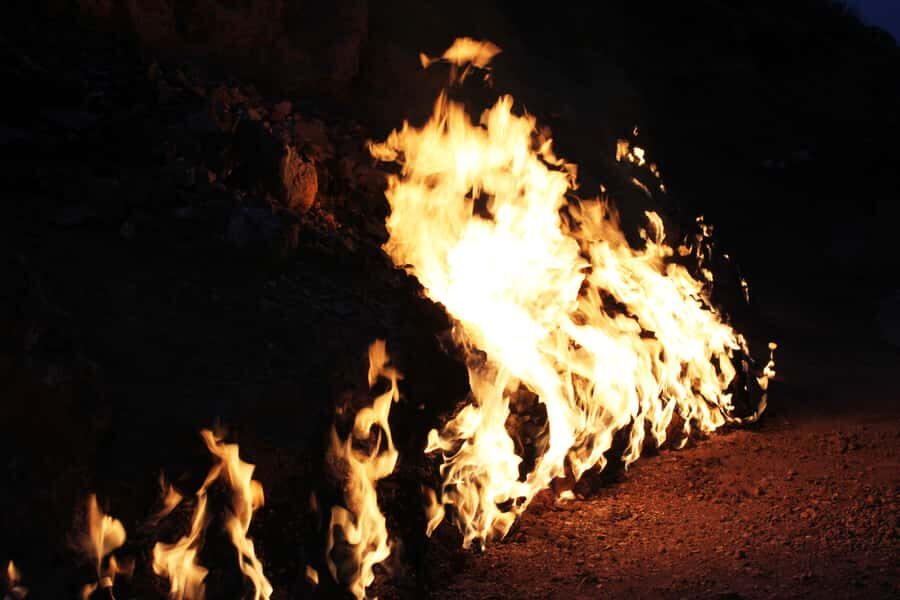
Then you reach Yanar Dag, the Burning Mountain area where natural gas burns without scent and continues even in extreme weather. You get around 45 minutes here.
This is one of the stops that makes the whole trip feel different from the typical “ancient ruins and done” day. You are looking at a phenomenon that does not require special effects. It is weather-resistant fire, tied to how gas escapes and ignites—exactly the kind of real-world oddity Azerbaijan is good at.
It also works as a visual payoff for the religious theme you just saw at Atashgah. Together, these stops show two ways people respond to the same underlying idea: fire as something holy, something usable, and something you cannot ignore.
Heydar Aliyev Cultural Center: Zaha Hadid’s architecture as a museum entrance
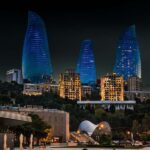
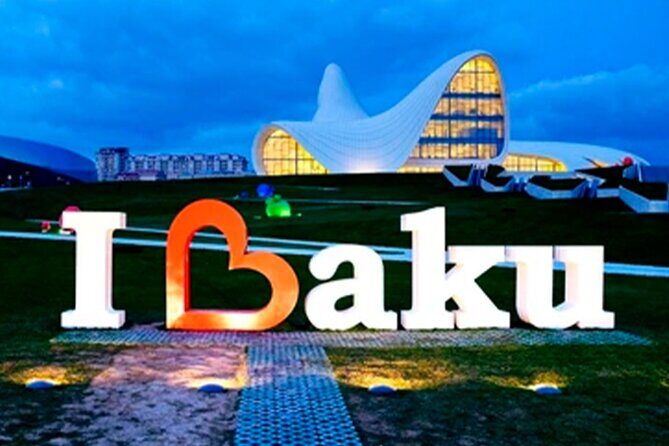
The final big landmark stop is the Heydar Aliyev Cultural Center, designed by Zaha Hadid. You get about 20 minutes, and the tour info notes that it was awarded the title of most elegant building in 2015. It is currently transformed into a museum, so even with short time, you are not just walking past the exterior—you are heading into the idea behind it.
This stop is worth it even if you are not an architecture fanatic. The shape of the building turns the air into a kind of visual rhythm. A guide’s job here is to point out what to notice fast, because 20 minutes can disappear if you wander without a plan.
Lunch at National Fuel: the break that keeps the day pleasant
Lunch is included, with a National Fuel meal and drinks at a local restaurant. On a day trip that hits Gobustan, volcano terrain, and fire sites, the lunch slot is more than a checkbox. It keeps your energy steady, and it prevents the classic mid-day crash that makes later stops feel like chores.
I also like that the trip handles lunch for you rather than asking you to find food on your own. With group pacing, that time can otherwise turn into stress.
Small-group guiding: why the names Murad, Laman, and Agil keep showing up
What makes this tour feel smooth is the guide style. Names like Murad and Laman come up often for clear explanations and friendly, attentive behavior. Agil is mentioned for storytelling and making the day feel easy, while Adil and Aydin are described as organized and communicative.
That matters because several stops—Gobustan carvings, fire traditions, and geological oddities—are not self-explanatory. A good guide turns them into a sequence you can actually remember.
There is also a practical comfort factor: the group size is capped at 25 travelers, which is small enough for questions and big enough that you usually do not feel stuck in silence.
Price and what you truly get for $16
At $16 per person, this tour is positioned as a value day. But it is not a fully all-inclusive sightseeing package in the sense of covering every entrance and on-site fee.
Here is the basic financial reality you should plan for:
- Gobustan Rock Art park ticket is listed as 10 AZN per person (optional)
- Mud volcano access includes a mandatory off-road vehicle fee of 30 AZN per person, paid upfront
- The Fire Temple and Burning Mountain combo ticket is 15 AZN per person (optional)
So the best way to think about value is: you are paying for transport + guiding + lunch, and you are also paying on top for key site access components. If you are okay with that, this can be a smart way to see a lot of Absheron in one day without handling logistics.
The one snag to watch for: oil-heritage stop variation
One minor program issue showed up in feedback: an oil-park-related stop connected to Baku’s oil heritage was skipped compared with the program some people expected. If that kind of topic is your main goal, consider confirming the exact plan when you book, or ask your guide which oil-site chapter you will definitely cover.
Who this guided day trip suits best
This tour is a great fit if:
- You want a first-timer day in Baku that reaches beyond the city center
- You like when a guide ties together history, religion, and natural phenomena
- You prefer a structured day with pickup, air-conditioned transport, and lunch handled
- You do not want to coordinate separate taxis or group tours for Gobustan, mud volcanoes, and the fire sites
It might feel less ideal if you are chasing only museums with long ticketed time, or if you are trying to avoid any extra on-site payments. You will be buying something somewhere, especially for the mud volcano off-road access.
Should you book this Baku Gobustan and Absheron sights day trip?
If your goal is a single-day hit list that feels real—ancient rock art, active geology, and fire traditions—this is worth booking. The guiding is repeatedly praised, the pacing is described as smooth, and the included lunch makes the day feel livable.
Just go in knowing it is not fully all-in on tickets: the mud volcano off-road fee is mandatory, and some admissions are optional or add-on. If that matches your travel style, you will likely love how many different sides of Azerbaijan you see before evening returns you to Baku.
FAQ
How long is the guided day trip?
It runs for about 8 hours (approx.).
What time does the trip start?
The start time is 9:00 am.
Is pickup included?
Yes. Pickup is offered and included in the tour.
Is lunch included, and what does it include?
Lunch is included: a National Fuel meal with drinks at a local restaurant.
Are admission tickets included for all stops?
No. Some admissions are not included, such as the Gobustan Rock Art ticket, and some sites may have optional or add-on tickets.
What extra fee is required for the mud volcanoes?
The mud volcano portion includes an off-road component with a mandatory 30 AZN per person fee, paid upfront.
What is the maximum group size?
The tour has a maximum of 25 travelers.