One walk can change how you see a whole city. This is an Old City stroll that links alley life to big history, where Abdullah ties Baku’s past and present into one moving story.
Two things I really liked: the story-first pacing (you stop, listen, then wander right into the next scene) and the way Abdullah brings real energy—humor included—so complicated events land in plain language. Plus, the tour hits both famous landmarks and the quieter corners that make Baku feel lived-in.
One possible drawback: a few of the best-known sights (Maiden Tower and the Shirvanshahs Palace) are optional add-ons, so your exact cost can creep up if you decide to go inside each one.
In This Review
- Coolest Baku Walking Tour: key highlights at a glance
- A 3.5-hour Old City story for the price of a coffee
- How the Free Walking Tour model works in Baku (no guessing)
- Icherisheher Metro Station: the start where history begins
- Palace of Happiness: what a name hides
- Monument to Huseyn Javid: independence through a person
- House of Baku Khans and the alleyway feeling of real Baku
- Caravansarai connections: trade routes that shaped the city
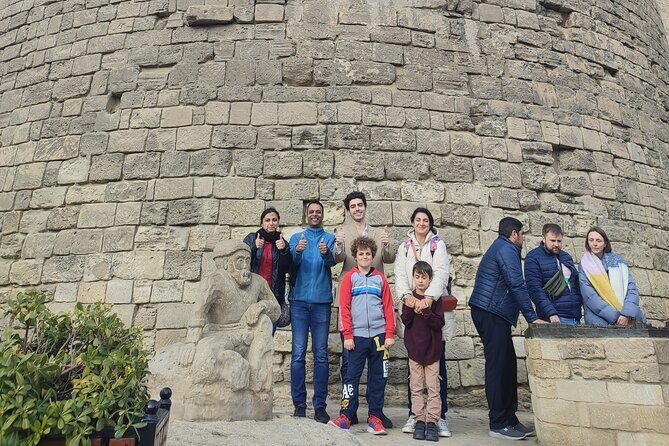
- Maiden Tower: optional entry, real stories, and photo-ready views
- Juma Mosque: first Shia mosque stop and what to notice
- Palace of the Shirvanshahs: the jewel stop you can still tailor
- Museum of Miniature Books: a small place with a big angle
- Aliagha Vahid Monument: poetry that carries weight
- Nizami Street: where Old City history meets the street that never sleeps
- Practical tips: how to make the most of this walk
- Should you book Coolest Baku Walking Tour?
- FAQ
- Where does the tour start and end?
- How long is the walking tour?
- How much does the tour cost?
- What’s included in the price?
- Do I have to pay extra for the Maiden Tower and Shirvanshahs Palace?
- Do I pay the guide in addition to the $5?
- How many people are in a group?
- What if the weather is bad?
- Is guidance available in multiple languages?
- Can most people participate?
Coolest Baku Walking Tour: key highlights at a glance
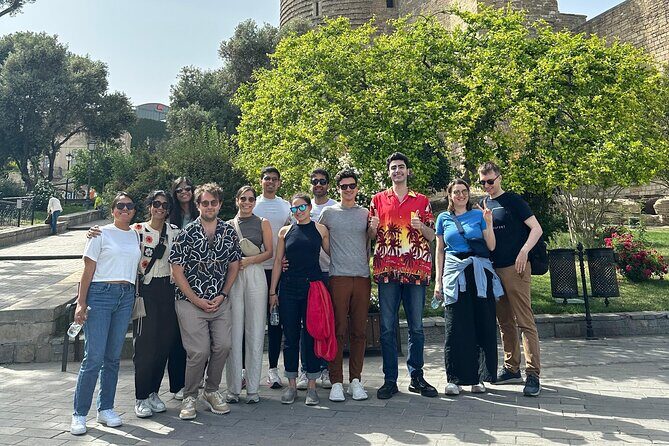
- Old City Metro as a start point at Icherisheher, framed as the oldest metro station in the Islamic world
- A Free Walking Tour style model where the $5 is the platform commission, and you pay the guide on the spot if you enjoyed it
- Maiden Tower and Shirvanshahs Palace are optional (15 AZN each), so you control how much you spend
- Multi-language guidance in English, French, and Arabic, depending on the group
- Old-world stories plus modern Baku links like F1, underground bars, co-working cafes, and alternative culture
- Small group feel with a maximum of 20 people, which helps the Q&A flow
A 3.5-hour Old City story for the price of a coffee
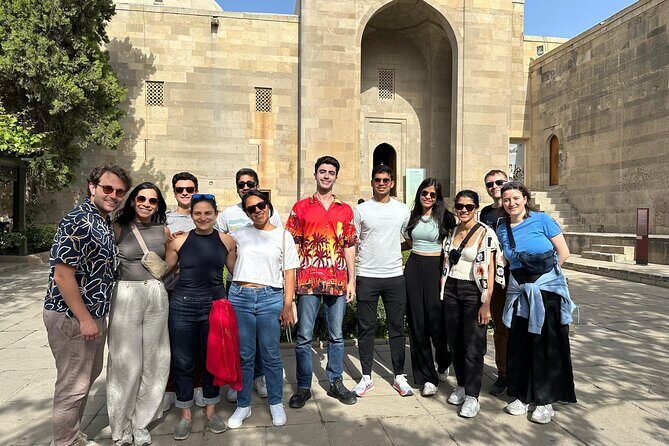
You can pay a lot for a walking tour in Europe’s capitals. In Baku’s Old City, this one is refreshingly simple: $5 per person gets you onto the route, with a 3.5-hour guided walk that starts and ends at Icherisheher Metro Station. It’s built around the Free Walking Tour model, so the real value is how well the guide tells the story—not how much you’re forced into paying up front.
If you like your sightseeing with context, you’ll get it here. Abdullah connects tiny details—street corners, building shapes, old lanes—with the bigger arcs of Azerbaijan’s history and identity. You don’t just look at things; you learn why people cared about them.
And yes, the tour is designed to be fun. From one stop to the next, you’ll hear the kinds of connections that don’t show up in standard guidebooks—like how Baku is framed through links to India, Persia, Eastern Europe, and even Christopher Columbus, plus stories that range from famous dynasties and sea legends to the 20th century.
You can also read our reviews of more walking tours in Baku
How the Free Walking Tour model works in Baku (no guessing)
This tour charges a low website amount—$5 per person—but it follows a commission-based structure. You’re invited to pay Abdullah directly in person 30 USD or 50 AZN if you had a good time.
Here’s how I’d handle it as a practical traveler: treat the $5 as your ticket into the walk, then plan your tip based on your experience. If the pacing clicks, the jokes land, and the explanations make you feel like you’re getting more than snapshots, paying the suggested amount feels fair. If you’re on a tight budget, you still have a chance to shape the value by asking questions during the walk.
The upside of this model is that you get to judge the guide in real time. Abdullah’s style—passionate, entertaining, and tuned to answer questions—shows up fast, so you won’t be stuck wondering whether you paid for the wrong tour.
Icherisheher Metro Station: the start where history begins
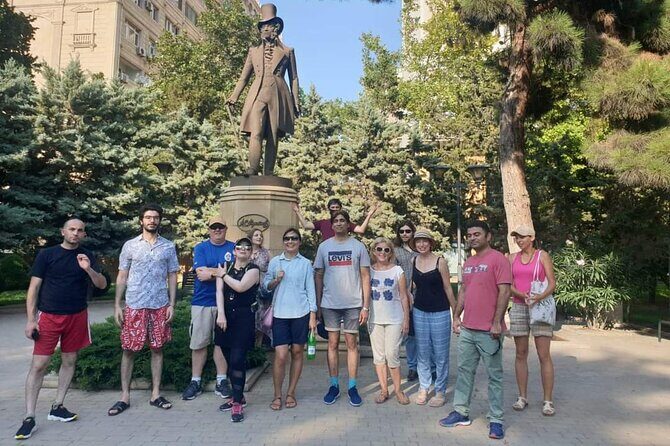
The tour begins at Icherisheher Metro Station. That matters more than you might think, because this isn’t just a convenient meeting point—it’s the first clue that you’re in for a story-driven walk.
Icherisheher is framed here as the oldest metro station in the Islamic world. The guide uses that point to set the tone: Baku isn’t just old stone and romantic alleys. It’s layered, and the layers overlap—transport, religion, governance, trade, and daily life.
You’ll likely notice how the walk immediately shifts your mindset. Instead of thinking, I’m visiting ruins, you start thinking, I’m stepping into a city that kept changing but kept its identity.
Palace of Happiness: what a name hides
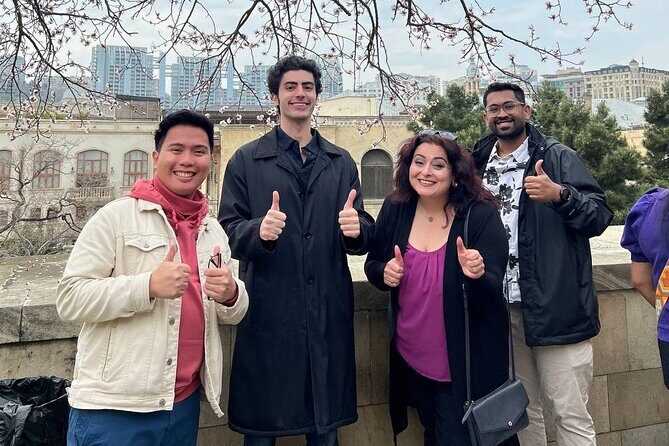
One of the early stops is Palace of Happiness, with the guide explaining the turbulent history behind it. That pairing—an optimistic label with a complicated past—is a pattern the tour returns to again and again.
This is a good stop for travelers who enjoy political and social context, but don’t want a lecture. You’ll hear how power and ideology shape the built environment, and how a place’s meaning can change while the walls stay put.
Time here is short, so the goal isn’t to “study” the palace. It’s to get you thinking about how Baku’s story can sound contradictory and still be true.
Monument to Huseyn Javid: independence through a person
Next comes the Monument to Huseyn Javid. This stop is tied to independence themes and the monument’s link to the declaration of independence as well as Huseyn Cavid.
If you’re used to tours that mention famous names without connecting them to meaning, this is where the difference shows. Abdullah uses the monument to highlight how identity isn’t only about borders and maps. It’s also about writers, public figures, and what a society chooses to honor.
You’ll also start picking up the tour’s broader technique: he uses each stop like a chapter heading, then explains the historical “why” in plain language.



House of Baku Khans and the alleyway feeling of real Baku
Then you get House of Baku Khans, described as something like heaven on earth. The phrase sounds dramatic, but what it points to is the experience: the Old City texture, the scale of historic living spaces, and the sense that power and domestic life once sat side by side.
This is also where the walk style matters. You’re moving through charming alleyways and the guide shares stories of the people behind the places. This isn’t just architecture talk. It’s the social world around the architecture.
You’ll likely hear about hidden rendez-vous spots and the wall of kisses as part of the Old City storytelling. Even if you’ve seen a photo online, the guide’s context helps you understand why these spots became part of local memory and culture.
Caravansarai connections: trade routes that shaped the city
At some point, Abdullah turns to a question that sounds simple but opens a bigger door: what a caravansarai is, and why these inns are named after a city in Pakistan.
Even without getting lost in academic detail, this stop gives you something valuable: trade routes explain why so many cultures touch each other in Baku. Caravansarais were built to host travelers and merchants. That means the city’s history isn’t only “local.” It’s a crossroads story.
You’ll come away understanding why Old City architecture feels like it was designed for more than one kind of visitor. It served commerce, movement, and the constant flow of people with different languages and customs.
Maiden Tower: optional entry, real stories, and photo-ready views
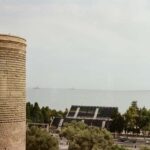
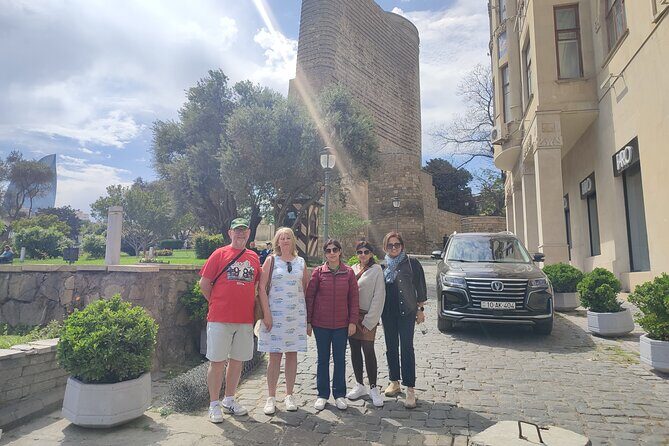
The Maiden Tower is next, and this is one of the biggest “choose your own adventure” parts of the tour. The guide shares the real story of the Maiden Tower, and then entry is optional.
- Maiden Tower inside visit: costs 15 AZN (optional)
- Time on stop: about 30 minutes
If you like climbing for views, inside details, or you simply want your photos to come from deeper context (not just exterior shots), this optional ticket is a good add-on. If you’d rather keep the walk moving and save money, you can still enjoy the stop’s story without going inside.
Either way, Abdullah frames the tower beyond the usual myths. You’ll understand how the tower fits into the broader identity of the Old City.
Juma Mosque: first Shia mosque stop and what to notice
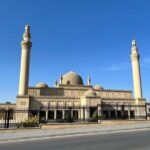
After that, you reach Juma Mosque, with time to explore your first (most likely) Shia mosque experience. The tour gives about 15 minutes here, and it’s a meaningful transition from historic legends to living religious space.
Even when a mosque visit is brief, it helps you read the city differently. You’ll learn what to watch for in the setting—how the architecture signals devotion and community, and how religious sites shape street life nearby.
If you’re sensitive to religious rules, dress codes, or quiet behavior expectations, be ready to follow local norms. The tour is designed for participation by most visitors, but you still want to respect the space.
Palace of the Shirvanshahs: the jewel stop you can still tailor
The walk then moves to the Palace of the Shirvanshahs, described as the jewel of the Old City. This stop also has optional entry.
- Palace of the Shirvanshahs inside: costs 15 AZN (optional)
- Time on stop: about 15 minutes
Why might you pay the ticket? Because this is where the tour can go from stories about power to tangible details about how that power was expressed. If you’ve been enjoying the “chapter” style so far and you want one stop where you slow down and look, this is a solid choice.
But if your budget is tight or you prefer the walk itself, you can keep it outside and still get the core context from the guide’s explanation.
Museum of Miniature Books: a small place with a big angle
Next is the Baku Museum of Miniature Books, billed as the biggest collection of miniature books in the world. The stop is short—about 10 minutes—but it adds variety to the Old City rhythm.
This is a smart inclusion if you’re the kind of traveler who gets tired after too many towers and palaces. Miniature books are a reminder that culture isn’t only monuments; it’s also craft, publishing, reading habits, and preservation.
If you look closely, you’ll probably notice how scale changes what art and knowledge mean. It’s a quick stop, but it gives your brain a break from the heavy timeline talk.
Aliagha Vahid Monument: poetry that carries weight
Then comes the Aliagha Vahid Monument in the Old City. The guide frames him as someone who carried the weight of the world on his shoulders.
Even if you don’t know his work beforehand, this stop helps balance the tour. It’s not only about rulers and buildings. It’s about voice—how writers and artists shape national identity.
This is also a nice moment to slow down and absorb the scene around the monument. The Old City streets tend to feel more personal when you’re not rushing between major landmarks.
Nizami Street: where Old City history meets the street that never sleeps
The tour finishes with Nizami Street, described as the street that never sleeps, with about 30 minutes here. This is your “now” section of the story.
Abdullah connects the Old City to Baku’s present ambitions and international attention—stuff like F1 and big events, plus the changing city and evolving goals. You also hear about underground bars, co-working cafes, and alternative cultures.
This ending matters because it prevents the common walking-tour problem: you leave thinking the city is only a museum. Here, you get the sense that old stories still have consequences today, and people still live inside the city’s narrative.
If you want a smooth next step, this is also a handy place to keep moving on your own after the tour wraps.
Practical tips: how to make the most of this walk
Plan for optional tickets. If you go inside the Maiden Tower and the Shirvanshahs Palace, budget 15 AZN each. If you skip one or both, you’ll keep costs lower while still getting the main story beats.
Wear real walking shoes. The Old City is about alleyways and uneven surfaces. You’ll walk enough to justify supportive shoes, especially if the ground is slick after rain.
Ask questions early. This tour works best when you participate. Abdullah answers and plays with comparisons across time periods, so don’t be shy about asking how one era connects to another.
Expect good humor and fast pacing. The reviews that stand out are about Abdullah’s charisma and sense of fun, and the way his explanations stay clear even when the history gets complicated. If you like guides who make you feel like you’re chatting with an informed friend, you’ll click quickly.
Use the language you can. Guidance is offered in English, French, and Arabic. If your group has more than one language, the flow may vary—so be ready for short back-and-forth moments as the guide adapts.
Weather matters. The experience requires good weather. If conditions aren’t right, you’ll be offered a different date or a full refund.
Should you book Coolest Baku Walking Tour?
Book it if you want an Old City walk that treats history like a living story, not a checklist. This is especially worth it if you like guides who connect monuments to people, politics, religion, and modern city life, all without turning it into a dry lecture.
I’d skip it only if you prefer a strictly architectural tour with long time inside museums and buildings. This walk is designed around storytelling and movement. The tower and palace interiors are optional, so you won’t spend all your time “inside.”
If you’re aiming for good value, this tour makes sense. You pay a small entry amount, you get a strong guided experience, and you can decide on optional tickets based on your interests. If you want Baku’s past and present to feel connected, this one is a smart choice.
FAQ
Where does the tour start and end?
The tour starts and ends back at Icherisheher Metro Station in Baku.
How long is the walking tour?
It runs for about 3 hours 30 minutes.
How much does the tour cost?
The price is $5.00 per person.
What’s included in the price?
You get a 3.5-hour guided walking tour with Abdullah, plus guidance in English, French, and Arabic.
Do I have to pay extra for the Maiden Tower and Shirvanshahs Palace?
No. Entry to the Maiden Tower and the Palace of the Shirvanshahs is optional. Each ticket costs 15 AZN.
Do I pay the guide in addition to the $5?
The tour follows a Free Walking Tour style. You’re invited to pay the guide 30 USD or 50 AZN in person if you had a good time.
How many people are in a group?
The group size is capped at a maximum of 20 travelers.
What if the weather is bad?
This experience requires good weather. If it’s canceled due to poor weather, you’ll be offered a different date or a full refund.
Is guidance available in multiple languages?
Yes. Guidance is offered in English, French, and Arabic.
Can most people participate?
The experience notes that most travelers can participate, and service animals are allowed.