REVIEW · BAKU
Baku Oil Heritage & Old Town Walking Tour
Book on Viator →Operated by Azerbaijan Traveller · Bookable on Viator
Baku runs on oil stories. This half-day walk strings together Fountain Square and the Old City’s UNESCO drama, with a guide who explains how ordinary life, oil barons, and Soviet-era influence shaped what you see today. It’s a fast way to understand why Baku looks the way it does, without getting lost in the history maze.
I love the pace and the guide-led attention you get from the start. Names like Gani (and Lina, in some groups) come up again and again in the style of storytelling—clear, funny when it fits, and ready to answer your questions on the spot. I also love that the tour is built for momentum: you’ll cover major highlights in about 2 hours 30 minutes, with frequent context so the stops feel connected rather than random.
One thing to consider: this is mostly an outside-and-explain format for many sights. If you’re hoping to spend time inside specific museums or towers, you may want to plan one extra follow-up visit on your own.
In This Review
- Quick takeaways before you go
- Fountain Square: Where Baku’s oil boom shows up in plain sight
- Icherisheher Old City: UNESCO walls, streets, and explanations without the time sink
- Istiglaliyyat Street: The oil barons’ city of pride and public buildings
- Ali and Nino vibes at the Philharmonic Fountain
- Town Hall and the oil-era civic face of Baku
- Saadet Sarayi: a love story turned into a marriage registry
- The former girls’ school: modernization, education, and the first secular step
- Ismailiyya Palace: Venetian Gothic and a memorial that became a landmark
- Price and logistics: is $70 worth it for 2.5 hours?
- Should you book this Baku Oil Heritage & Old Town walking tour?
- FAQ
- What’s the duration of the Baku Oil Heritage & Old Town Walking Tour?
- How much does the tour cost?
- Where does the tour start and end?
- Is bottled water included?
- What is not included in the tour price?
- Do you enter the Old City monuments on this walk?
- Is the tour private?
- How far in advance should I book?
- What happens if the weather is bad?
- Is the tour suitable for most people?
Quick takeaways before you go
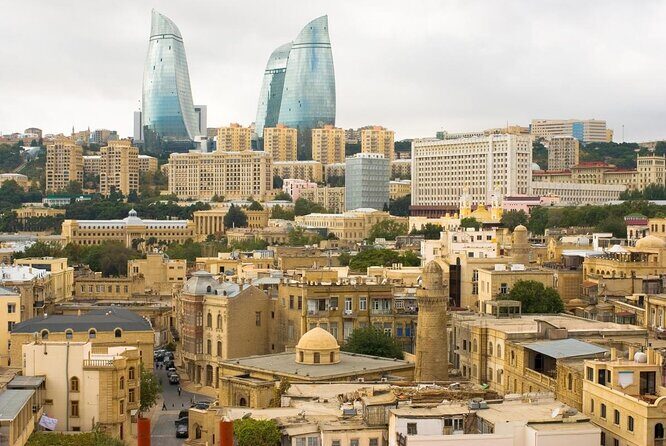
- Oil boom street history starts downtown at Fountain Square, not in a museum.
- Icherisheher (Old City) UNESCO sites get explained at the gates and viewpoints, without long entry queues.
- A real architecture timeline shows up along Istiglaliyyat Street and the oil-era civic buildings.
- Love, charity, and memorials appear in places like Saadet Sarayi and Ismailiyya Palace.
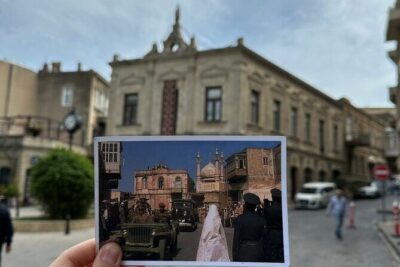
- Your guide brings extra tools like prepared diagrams and historic photos to make the past easier to picture.
Fountain Square: Where Baku’s oil boom shows up in plain sight
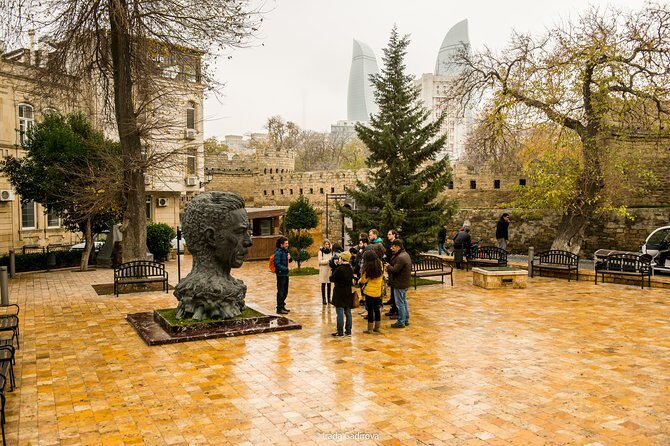
Your tour starts at Fountain Square, right in central downtown life. It’s easy to look at it as just another city plaza—but the point here is what used to happen nearby. In the late 1800s and early 1900s, this area became a main trading street during the first oil boom, so the energy of oil wealth wasn’t tucked away in some remote district. It helped shape the street life, the commerce, and the momentum of the city.
This stop works well because it gives you a mental “anchor” for the rest of the walk. Once you understand that oil money didn’t just build grand palaces, you start noticing it everywhere: in the kind of streets people walked, where civic buildings rose, and how Baku expanded beyond its older fortress boundaries.
The practical side is also solid. Fountain Square is a friendly place to meet, it’s close to transit, and you can orient yourself quickly. Expect the guide to set up the big themes—everyday life, oil barons, and how Azerbaijan’s story shifted under Soviet influence—so later stops feel like chapters, not separate postcards.
If you’re arriving in Baku that day, this is a smart first move. You’ll get your bearings fast, and you’ll know what to look for when you wander off afterward for coffee, pastries, or more photos around the center.
You can also read our reviews of more walking tours in Baku
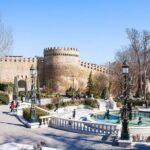
Icherisheher Old City: UNESCO walls, streets, and explanations without the time sink
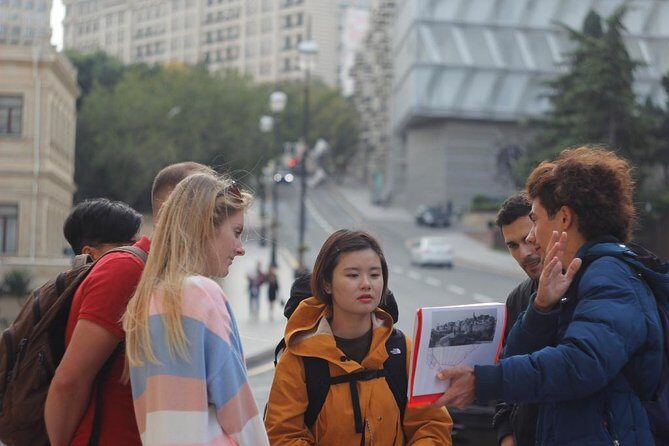
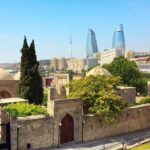
After the downtown warm-up, you move into Baku’s Old City area, Icherisheher. This is where the UNESCO story becomes very physical: gates, walls, and iconic structures all sit close together, and the streets force you to slow down naturally.
The key detail is the tour’s approach: you walk the area and get explanations near the sites, but you generally don’t go inside the major attractions. You’ll still get the historic context, often supported by historic photos and prepared visuals that help you imagine what the place looked like in earlier eras.
Here’s what you’ll cover in the Old City route:
- Gosha Gala gate, described as the main entry into Icherisheher. It’s a powerful starting point because it signals that you’re crossing into a protected, older layer of the city.
- Citadel walls (12th century, UNESCO). From street level, these walls are the “why” behind the Old City’s layout: the city was constrained, defended, and then gradually adapted.
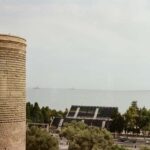
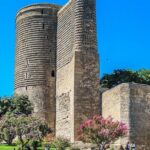
- Maiden Tower (12th century). No entry on this tour, but the guide gives you an explanation right at the entrance area so you understand why people treat it like a landmark.
- Muhammad Mosque (11th century, UNESCO). Again, you’ll get the story on-site without entering, which keeps the tour moving.
- Narrow streets where your eyes do the work—these lanes help you feel how people actually moved through the old quarter.
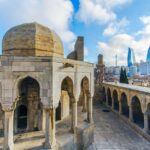
- Shirvanshakh’s Palace (15th century). No entry here either, but you’ll learn what the palace represents and why it matters in the broader picture.
- Museum of Miniature Books, included in the walk-through plan.
A drawback to keep in mind: if you love spending a lot of time inside monuments, this format won’t fully satisfy that itch. But for most people, it’s a trade-up: you get the overview without burning half a day stuck in entrances, waiting lines, and open-close timing.
Also, many guides use humor and photo comparisons to help kids and adults stay engaged. If you’re traveling with family, this Old City section is a good bet because it’s short, visual, and story-heavy.
Istiglaliyyat Street: The oil barons’ city of pride and public buildings
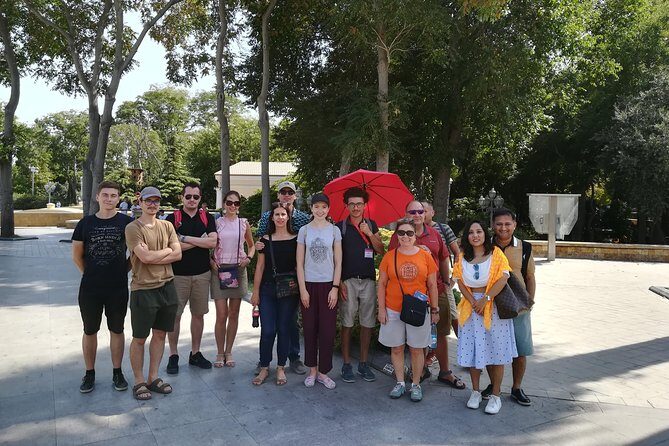
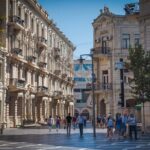
Once you leave the Old City core, the story expands outward along Istiglaliyyat Street. This street has a layered identity: it was known as Nikolayevskaya and Kommunisticheskaya in Imperial Russian and Soviet times. That change in name alone is a clue that Baku’s power shifts showed up in everyday geography.
What I like about this portion is how the guide ties architecture to ambition. You hear about oil barons and their quest for personal glory and fame, but it’s not just gossip. You connect the wealth to real public-facing buildings and cultural institutions that still shape the city today.
Along the route you’ll see and learn about places including:
- Governor’s Garden
- Town Hall
- Philharmonic Hall
- Palace of Happiness
- Institute of Manuscripts of Azerbaijan
- Ismaliyya Palace (a charitable-society landmark)
- Literature Museum
- A statue of Nizami
This is where the tour does something useful for decision-making during the rest of your trip. When you understand the function of these buildings—governance, culture, charity, literature—you’ll be able to choose your next stops with more confidence. You won’t just follow photos. You’ll know what each building is for and why it was built.
There’s also a good “pause and picture it” rhythm here. The oil boom era didn’t create only skyscrapers or one kind of monument. It created a social system of patrons and institutions, and the guide’s job is to show you that system in walking distance.
Ali and Nino vibes at the Philharmonic Fountain
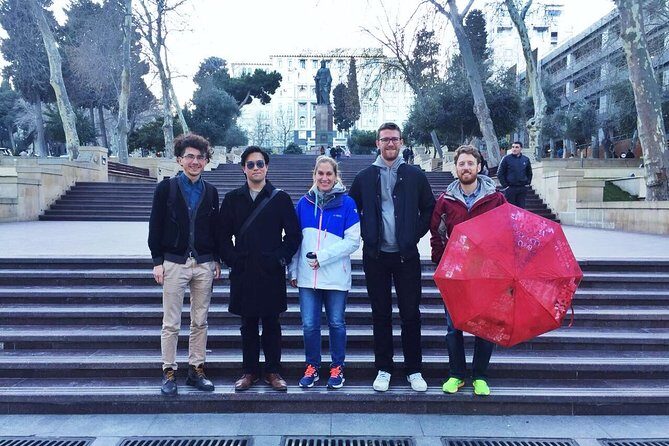
Next up is Philharmonic Fountain, which sits in an area connected to Baku’s expansion beyond the fortress wall. That detail matters: it’s a reminder that the city didn’t stay inside its older defensive boundaries. People pushed outward as wealth and population grew.
The guide links this place to Ali and Nino, using the setting and the garden story as a bridge between fiction and place. If you’ve read or heard of the novel, you’ll likely recognize the emotional tone and want to place it on a real map. If you haven’t, the explanation still gives you a human way to understand the city’s mood and identity—not only its economics.
This stop also tends to work as a breathing point. After the tighter Old City streets, you get a slightly more open area for photos and a short reset before the civic and memorial buildings start appearing.
The time here is brief (about 10 minutes), but it’s designed to keep the tour feeling balanced rather than nonstop. In other words, it’s not just “more buildings, more facts.” It’s a story beat.
Town Hall and the oil-era civic face of Baku
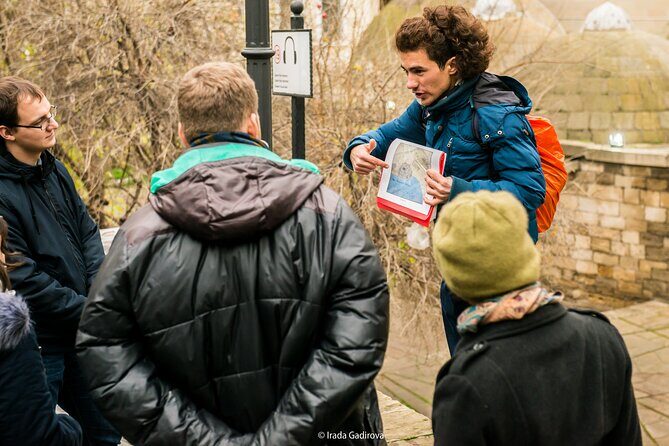
At Baku Town Hall / City Executive Power, you’ll focus on what oil money did to the city’s official look. The Town Hall is framed here as a landmark from the oil boom era, and the explanation highlights European architectural influences and what that meant for Baku’s cosmopolitan mix.
This is one of the stops where you get a fast, clear understanding of how power works in a city. Buildings like this aren’t just pretty. They signal who held influence and how the city wanted to present itself to the world.
It’s also a useful stop for people who worry they’ll leave Baku with only vague impressions. Here you’re learning specific influences and time markers, so you can connect details when you look at other European-leaning architecture around town.
If you’re the kind of traveler who likes history with examples, this is your moment. The guide can connect what you see at street level to broader patterns: European styles arriving with the oil-era surge, local ambition, and Baku’s role as a meeting point of different communities.
You can also read our reviews of more historical tours in Baku

Saadet Sarayi: a love story turned into a marriage registry
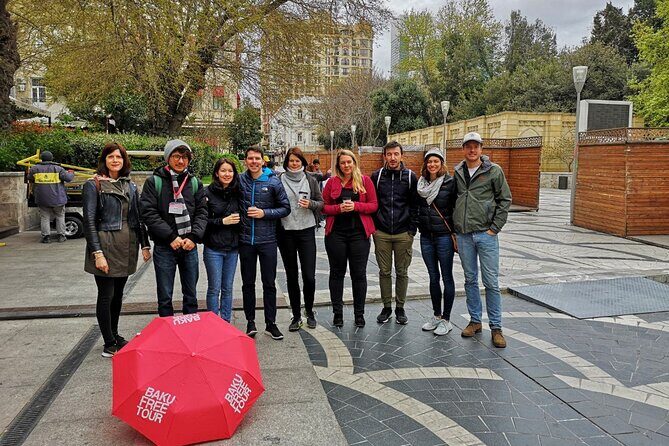
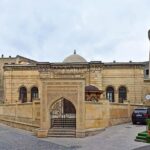
Then comes Saadet Sarayi, where the tour shifts from civic ambition to personal story. This stop is about an oil baron and his wife, and how their love story has been retold through the space—now used as a marriage registry.
Even if you don’t care about architecture for its own sake, this is a memorable stop because it makes the oil era feel human. Wealth created grand buildings, sure. But people also used that wealth for relationships, social life, and public rituals—things that still echo in modern daily routines.
As you look around, it’s worth paying attention to how the guide frames the mansion as something people pass through for a life event, not just an old landmark to photograph. That’s the best kind of tourism twist: history that still affects the present.
This is also a nice moment for cultural context. You’ll likely hear how marriage customs and public ceremony connect to the way Baku memorializes its past. The tour is careful not to over-romanticize; the story is presented as part of the city’s pattern of how private wealth turned into public meaning.
The former girls’ school: modernization, education, and the first secular step
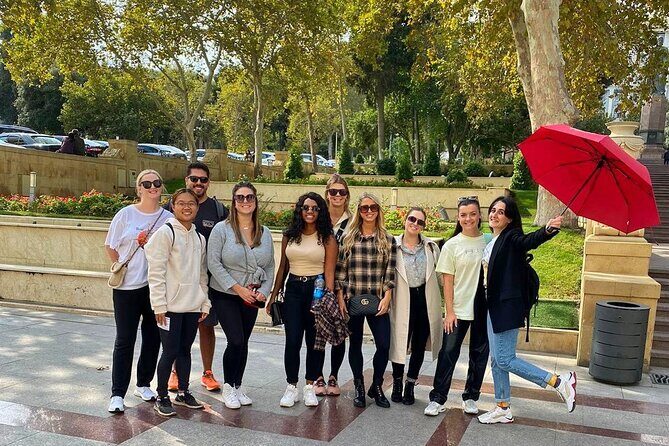
Next is the Former Taghiyev School for Girls, linked to the Institute of Manuscripts of Azerbaijan. This stop is about modernization and education, especially for Muslim women, and it frames the school as part of a first secular direction in education.
What makes this stop land is the contrast. Earlier, you’re learning about oil barons commissioning major projects and showing off wealth. Here, the focus is what people did with reform ideas—how schooling supported change and helped set the stage for Azerbaijan’s later independence.
This matters for travelers because it keeps you from reducing the oil era to only money and buildings. Baku’s transformation involved social ideas too: literacy, institutions, and who gets access to learning.
Again, you don’t have to be a “school history” fan to get value. The guide explains it in a way that ties back to the city’s larger modernization arc—one that becomes clearer when you’ve already walked the oil-era civic buildings and the Old City context.
Ismailiyya Palace: Venetian Gothic and a memorial that became a landmark
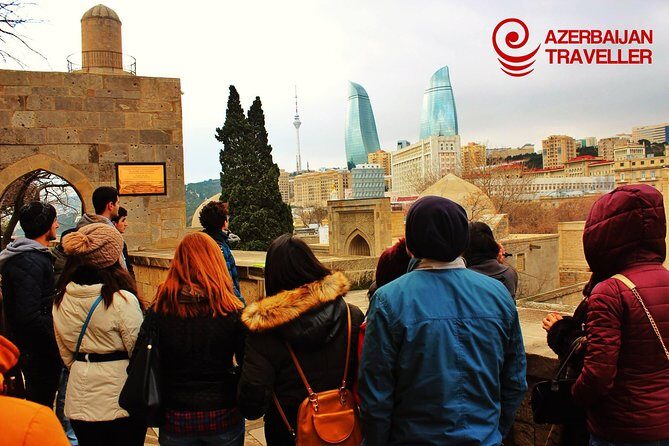
The tour ends on Ismailiyya Palace, another oil baron commission—this time described as built in memory of his son and later serving as an important architectural landmark. The style is highlighted as Venetian Gothic, which is a big clue that Baku’s oil boom period wasn’t afraid to borrow from Europe and remix it locally.
This stop works well near the end because by then you’ve seen enough to interpret the design choices. Early on, you learned about European influences on civic buildings. Now you see a more stylized European look that signals how ambitious patrons wanted their legacy to feel.
It’s also a story about memorialization. A building isn’t only functional. It’s a message left behind—what someone wanted remembered, and how they wanted the city to remember them. The guide connects those dots so the palace isn’t just a photo opportunity.
You wrap back at Fountain Square, so you can continue your evening with a clear sense of where you are in the city’s layers—Old City walls, oil-era streets, and modern downtown flow.
Price and logistics: is $70 worth it for 2.5 hours?
At $70 per person, the value depends on what you want from Baku. For a 2.5-hour walking tour, you’re paying primarily for guided context: the sequencing of stops, the stories that connect oil wealth to street geography, and the ability to ask questions without slowing yourself down.
Two details make it feel more reasonable. First, it includes bottled water, which is simple but helpful in warm weather. Second, the pace is planned around not wasting time with long waits at entrances, since the core Old City stops are largely explanation-at-the-site rather than time-consuming museum visits.
What’s not included is lunch, private transportation, and admission fees. Even so, the plan is designed so you won’t need tickets for most of the major viewpoints described. If you do decide you want to enter certain spots later, you’ll pay separately.
One small planning note: it’s set to work in good weather, and it can be canceled due to poor conditions. If you’re flexible, schedule it early in your trip window so you can adjust if skies don’t cooperate.
Group size is listed as up to 30 travelers, with a private-guide style emphasis in the tour concept. If you’re the sort who dislikes crowding, arrive a few minutes early at the meeting point so you can start with a calm rhythm rather than last-second rushing.
Should you book this Baku Oil Heritage & Old Town walking tour?
Book it if you want a structured introduction to Baku’s oil story that actually connects the dots: Old City UNESCO sites, oil-era civic buildings, and education and memorial stories that reveal the city beyond wealth. This is the kind of tour that helps you leave with a mental map and a sense of what to chase later on your own.
Skip it or plan something extra if you primarily want inside-the-building sightseeing. This walk gives you strong exterior context and on-the-spot explanations, but it’s not designed to replace museum time.
If you can catch a guide like Gani (and you might), the tour tends to feel fast and story-driven, with humor and prepared visuals that help you picture what’s changed. Either way, you’re buying clarity and direction, not just a checklist of landmarks.
FAQ
What’s the duration of the Baku Oil Heritage & Old Town Walking Tour?
It runs about 2 hours 30 minutes.
How much does the tour cost?
The price is $70.00 per person.
Where does the tour start and end?
It starts at KFC 9RCP+28F, Nizami St, Baku, Azerbaijan. It ends back at the meeting point.
Is bottled water included?
Yes, bottled water is included.
What is not included in the tour price?
Lunch and private transportation are not included. Admission fees are also not included.
Do you enter the Old City monuments on this walk?
The plan describes explanations without entering many of the sights (including Shirvanshakh’s Palace and Maiden Tower). The museum of miniature books is part of the Old City area route.
Is the tour private?
The highlights describe it as private, meaning you are not meant to waste time waiting on other travelers.
How far in advance should I book?
On average, this tour is booked about 25 days in advance.
What happens if the weather is bad?
The experience requires good weather. If it’s canceled due to poor weather, you’ll be offered a different date or a full refund.
Is the tour suitable for most people?
The information says most travelers can participate, and service animals are allowed.