REVIEW · BAKU
Baku Old City Wonders: A Walking Tour Through Time
Book on GetYourGuide →Operated by AzerbaijanSpotlight · Bookable on GetYourGuide
Old City streets feel like a time machine. I love how this walk starts at Maiden Tower and turns quick curiosity into a clear story of Baku. I also like that you pack in major sites in 2 hours, without feeling rushed.
One thing to consider: it’s a true walking tour. You’ll be on foot for a couple hours on uneven, old-city paths, and it’s not suitable for people over 95.
Key tour takeaways
- Maiden Tower first: you get the 2,000+ year story early, so everything afterward makes more sense
- Shirvanshah’s Palace visit: royal chambers, gardens, and the mausoleum in one smooth flow
- Faith and daily life stop: Juma Mosque is treated as a living part of Baku’s past and present
- Silk Road context at the Caravansarai: you’ll connect trade routes to street-level places
- Panoramic finish: the skyline view gives you a fast before-and-after of Old City vs modern Baku
In This Review
- Entering The Double Gates and Getting Oriented in 15 Minutes
- Maiden Tower: Over 2,000 Years of Mystery to Start With
- Shirvanshah’s Palace: Royal Power Meets Quiet Courtyards
- Juma Mosque: One of the Region’s Oldest Spiritual Centers
- Caravansarai: Where Silk Road Traders Once Rested
- Miniature Book Museum: Tiny Treasures That Make Sense of a Big City
- Aliage Vahid Monument and City Walls: Poetry and Strategy in the Same Breath
- The Skyline Finish: Seeing the Old City’s Contrast With Modern Baku
- What Makes This Tour Feel Good: Pace, Small Group Energy, and Real-Guide Skills
- Price and Value: Is $30 for 2 Hours a Smart Spend?
- Who This Walk Is Best For (and Who Should Rethink It)
- Should You Book This Baku Old City Wonders Tour?
- FAQ
- How long is the Baku Old City Wonders walking tour?
- Where does the tour start?
- How much does the tour cost?
- Is there a live guide, and what languages are offered?
- Is the tour wheelchair accessible?
- What are the main places you’ll visit?
- Is it a small-group experience?
- What is the cancellation policy?
- Is it suitable for all ages?
- Are alcohol and drugs allowed during the tour?
Entering The Double Gates and Getting Oriented in 15 Minutes
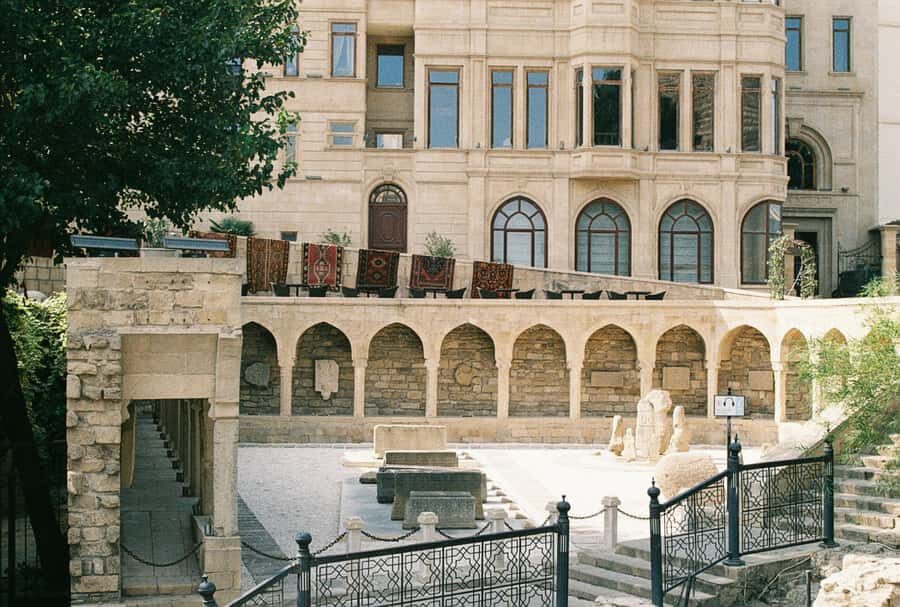
If you want Old City Baku to click fast, start at the right threshold. This tour meets at Gosha Gala Gapysy (Double Gates), the main entrance to the walled area. The first minutes matter because the streets inside can feel like a maze until someone gives you a mental map.
You’ll move almost immediately into a guided walk—15 minutes is long enough to settle in, but short enough that you’re still full of energy. The best part here is how the guide frames what you’re seeing. Instead of naming stones, you start hearing why they were placed where they are, and how the Old City’s layout supported power, trade, and faith.
The tour’s pacing also helps. It’s not a sprint between photo stops. You’ll get time to look up, pause, and actually read the buildings with a person explaining what to notice.
Maiden Tower: Over 2,000 Years of Mystery to Start With
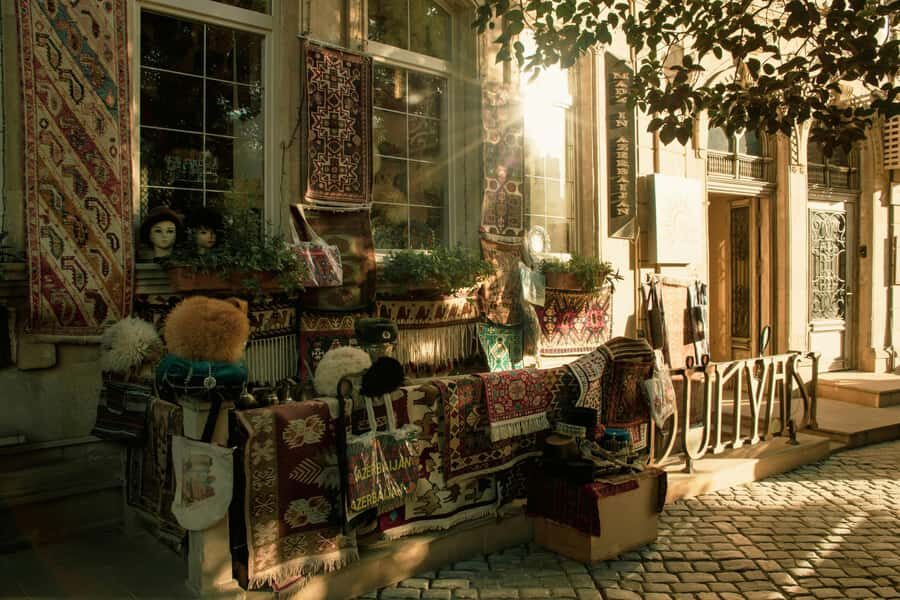
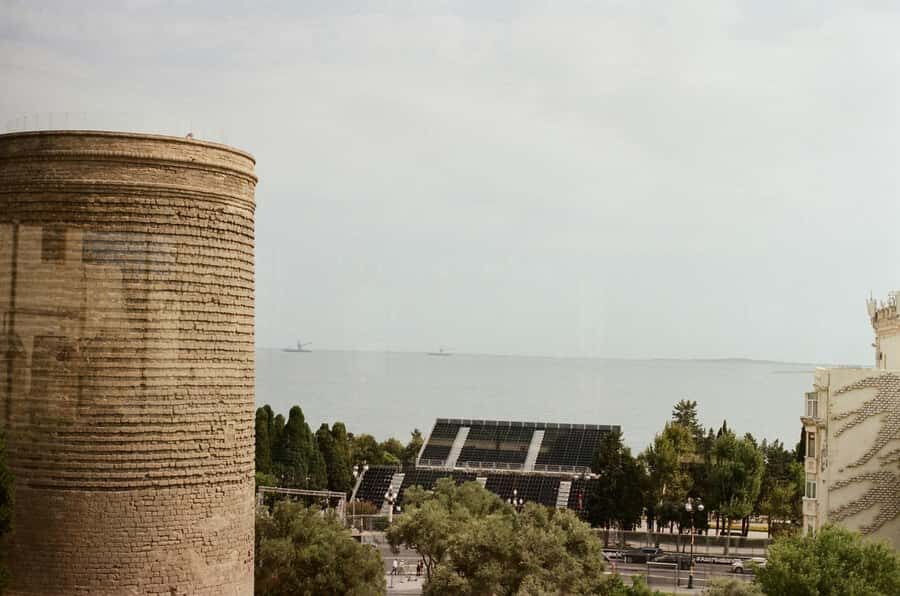
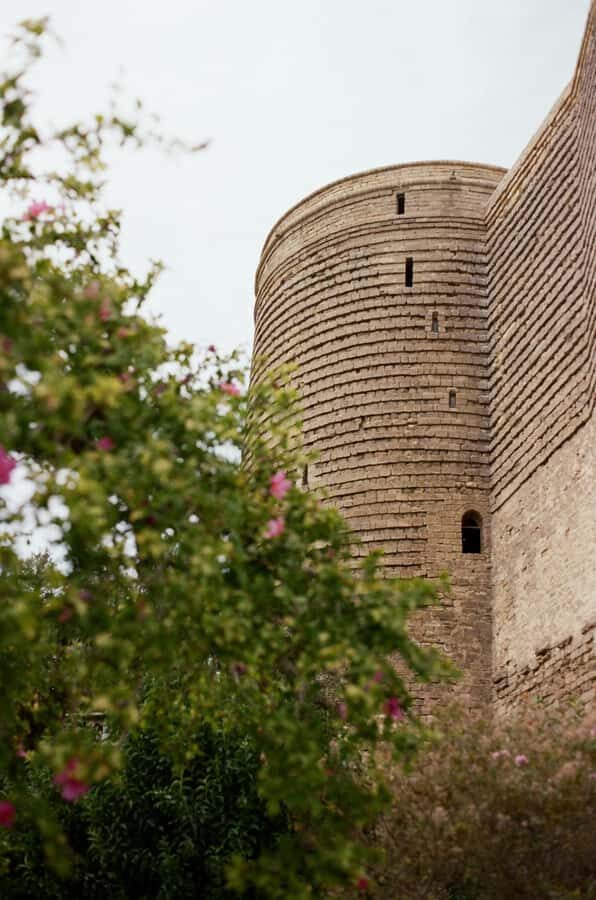
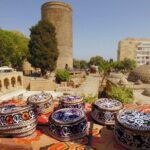
You’ll begin at Maiden Tower, one of Baku’s most recognizable structures. The big hook is the age: the origins are said to date back over 2,000 years, so you’re standing at a site that long predates many modern borders and identities.
This is a great first stop because the tower sets the tone. The guide doesn’t just tell you it’s old. You’ll hear the ideas people connect to the tower and how its presence shaped the way the area developed around it.
Practical note: this early stop is also a smart warm-up. You’re walking a short distance to get your bearings, then you’re ready for the heavier historical stops that follow. If you’re visiting Baku for the first time, I think this is the right order.
You can also read our reviews of more walking tours in Baku


Shirvanshah’s Palace: Royal Power Meets Quiet Courtyards
Next comes Palace of the Shirvanshahs, and this is where the tour slows just enough for your brain to catch up. You’ll explore royal chambers, then shift into calmer spaces like gardens, and you’ll also see the impressive mausoleum of the Shirvanshahs.
What I like about putting the palace before the next religious stop is the contrast. Here you’re looking at political authority and dynastic memory. Then later, the tour helps you connect that to spiritual life—so the story keeps moving rather than repeating itself.
You’ll also have scenic views along the way. That matters more than it sounds. In Old City Baku, viewpoints are often what make scattered buildings feel like a coherent place. The guide’s route takes advantage of those natural sight lines, so you’re not just walking from one door to another.
Potential drawback: this is a lot to absorb in one go—palace design, family power, architecture. If you’re the type who likes reading every sign slowly, build in a little patience and let your guide’s explanations do part of the work.
Juma Mosque: One of the Region’s Oldest Spiritual Centers
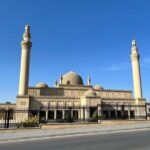
After the palace, you’ll visit the Juma Mosque, described as one of the oldest and most significant mosques in the region. This stop is valuable because it’s not treated like a museum artifact. The tour frames it as a spiritual and cultural anchor in Baku’s history.
The guide typically focuses on what the mosque has meant over time—why it mattered, and how the Old City grew around places where people gathered for worship. That kind of context turns architecture into a story about community, not just style.
And you’ll likely notice something else: even if you’ve seen historic mosques elsewhere, the details here feel specific to Baku. That’s the real payoff of having a local guide guiding your attention, rather than just taking a wide shot and moving on.
Caravansarai: Where Silk Road Traders Once Rested
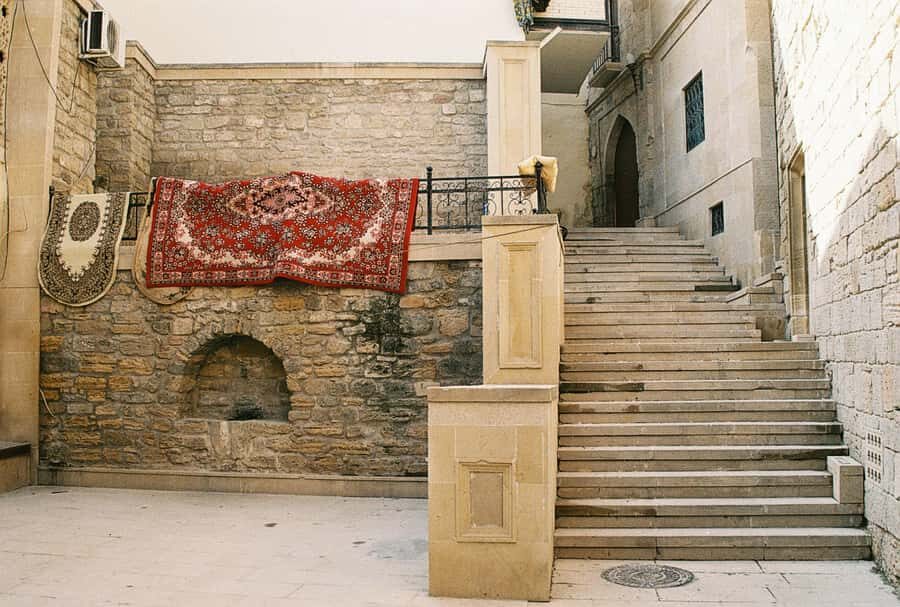
One of the tour’s best connecting points is the Caravansarai stop. A caravansarai is more than an old building; it’s a clue to how cities worked when travel took time and goods needed safe resting places.
Here, you’ll get a glimpse into Baku’s role as a major crossroads for merchants on the Silk Road. The way the guide tells this story is what makes it practical. You start linking trade routes to the Old City’s street rhythm: where travelers would need supplies, where they’d wait, where they’d circulate.
If you like history that explains how people lived, not just who ruled, this is a highlight. It’s also a good “breather stop” in the middle of the walking loop—enough time to shift gears from palace drama to merchant reality.
Miniature Book Museum: Tiny Treasures That Make Sense of a Big City
Then you’ll head to the Miniature Book Museum, a fun change of pace from monuments and religious sites. The premise is simple: you’ll see tiny, intricately designed books from around the world.
This stop works because it gives you a different kind of history. Instead of stone and power, you’re looking at knowledge—how people recorded ideas and how craftsmanship turned pages into art. Even if you don’t consider yourself a book person, it’s hard not to be impressed by scale. Small details become huge when you’re forced to lean in and really look.
In a two-hour tour, this kind of stop prevents the experience from becoming one long “look at architecture” streak. It adds warmth and personality to the route.
You can also read our reviews of more city tours in Baku

Aliage Vahid Monument and City Walls: Poetry and Strategy in the Same Breath
After the miniature museum, the tour includes a photo stop at the Park and Monument of poet Aliage Vahid by Ragib Hasanov. Even without deep formalities, this is a smart pause. It reminds you that the Old City isn’t only about empires and mosques. It also has cultural memory tied to modern Azerbaijan.
Then comes the ancient city walls. This is where the tour turns into a “how Baku changed over time” lesson. You’ll hear stories of Baku’s strategic past and how it evolved through Persian, Ottoman, and Russian influences. The walls become a timeline you can walk alongside.
This stop is worth it because it reframes everything you’ve already seen. After you hear about outside forces and shifting influence, you start noticing how buildings and layouts can reflect layers of different eras.
The Skyline Finish: Seeing the Old City’s Contrast With Modern Baku
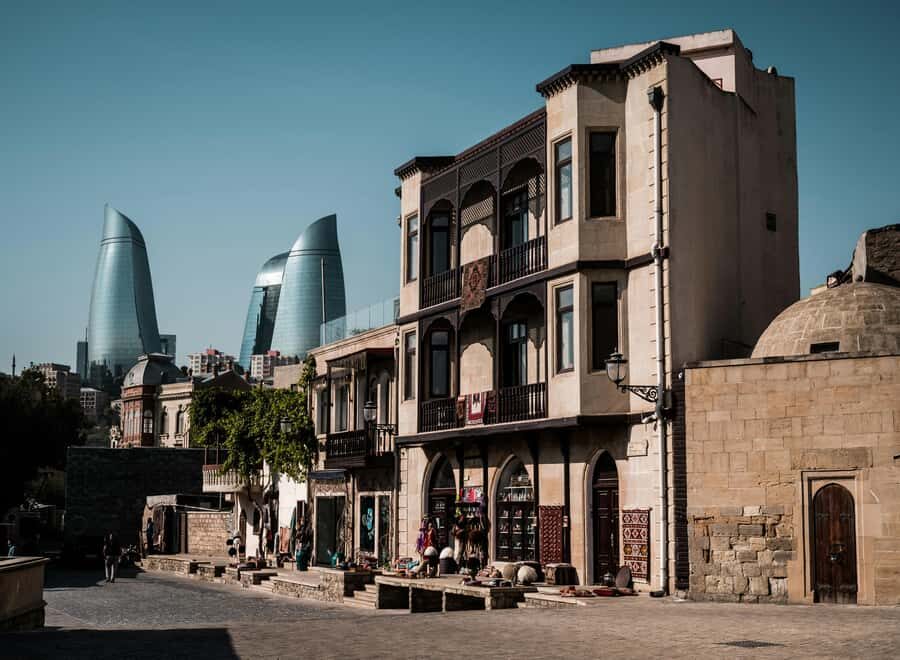
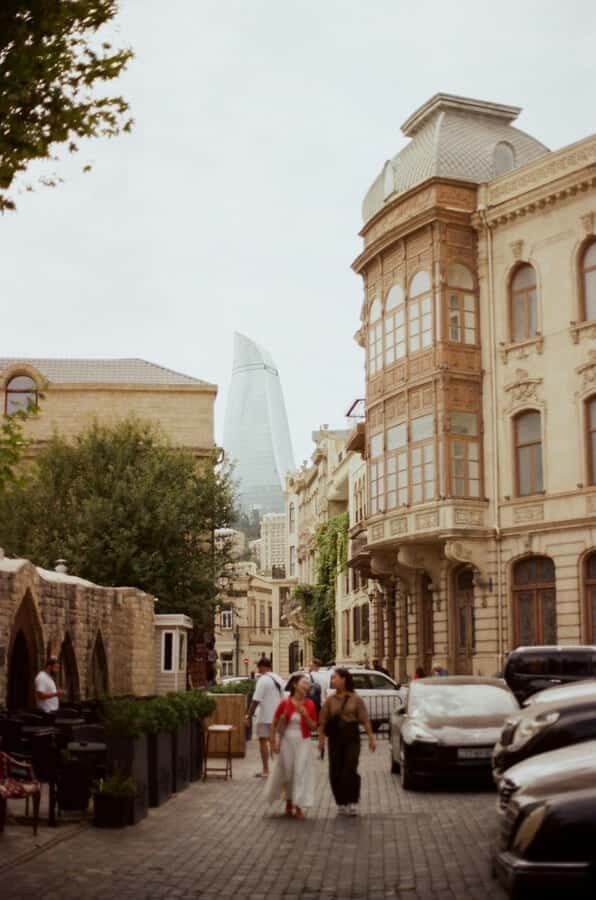
You end with panoramic views of Baku, with the visual contrast between the Old City and the modern skyline. This is one of those travel moves that sounds simple, but it helps more than you’d think.
When you finish with a view, your brain organizes the day. Old stones become “one part” of the city, not the whole story. You can look out and remember that this place is lived-in—people still work, study, shop, and gather here now.
It also helps if you’re planning the rest of your trip. You’ll leave knowing where the Old City sits in relation to the newer parts, so you can navigate with more confidence afterward.
What Makes This Tour Feel Good: Pace, Small Group Energy, and Real-Guide Skills
The tour is built as a small-group experience, and that matters in the Old City. Narrow alleys and closely packed sights can turn group tours into bottlenecks. A smaller group keeps things moving and gives you more chances to ask questions.
The guides run live in English, Turkish, and Azerbaijani, so you’re not stuck with robotic recordings. The best tours do more than translate. They help you interpret what you see. Based on what I’ve heard from guides like Magsud and Maqsood, the storytelling style can get lively, and some guides even add moments of music during the walk.
That kind of enthusiasm is not just entertainment. It keeps you engaged when history could otherwise feel like a list of dates. It also makes the tour feel less like a checklist and more like a guided walk with someone who cares.
One more practical plus: several guides are flexible about what to prioritize if the group’s interests lean that way. So if your mind gravitates toward the palace details or the Maiden Tower surroundings, you might be able to spend a bit more time where it matters to you.
Price and Value: Is $30 for 2 Hours a Smart Spend?
$30 per person is very reasonable for what you get in two hours. You’re covering multiple major stops inside a UNESCO World Heritage area, plus museums and viewpoints—without needing to plan transfers, separate tickets, or a DIY route.
Here’s the value logic I use when deciding on a walking tour:
- You’re paying for interpretation, not just walking. The guide helps you understand why each place matters.
- The time is tight in Old City. Two hours is long enough to connect the dots, short enough that you still have energy for the rest of your day.
- Small group + live guide often beats going alone when streets are confusing and architecture needs context.
If you enjoy history that explains everyday place-making—why trade routes and rulers mattered—you’ll likely feel like the price fits the payoff.
Who This Walk Is Best For (and Who Should Rethink It)
This tour is a strong fit if you:
- want a first-time orientation to Baku’s Old City
- like mixing big monuments with smaller culture stops like the Miniature Book Museum
- prefer a guided pacing that keeps you from missing key viewpoints
It’s less ideal if you:
- strongly dislike walking for two hours, since this is a continuous on-foot experience
- are in the age category listed as not suitable (it’s not suitable for people over 95)
Wheelchair access is listed, which is a real plus. Still, because the Old City includes historic street surfaces, it’s smart to consider your own comfort level for walking and turning.
Should You Book This Baku Old City Wonders Tour?
I’d book it if you want the most helpful way to see the UNESCO Old City without turning your trip into a scavenger hunt. Starting at the Double Gates, then going to Maiden Tower, the Shirvanshah’s Palace, and the Juma Mosque gives you an efficient storyline: mystery, power, faith, trade, and then skyline.
If you’re the kind of traveler who values a guide’s voice—someone who can connect stones to meaning—this tour matches that style. And if you’re curious about the softer side of culture, the miniature books and the Aliage Vahid monument add a nice human touch.
My only caution is simple: don’t underestimate how much you’ll be walking. If you’re fit for a steady two hours, you’ll come away with clear bearings and a far better sense of what Baku’s Old City is doing across centuries.
FAQ
How long is the Baku Old City Wonders walking tour?
It lasts 2 hours.
Where does the tour start?
The meeting point is in front of Gosha Gala Gapysy (Double Gates) at the main entrance to the Old City.
How much does the tour cost?
It costs $30 per person.
Is there a live guide, and what languages are offered?
Yes, there is a live tour guide. The tour is available in English, Turkish, and Azerbaijani.
Is the tour wheelchair accessible?
Wheelchair accessibility is listed as available.
What are the main places you’ll visit?
You’ll cover stops including Maiden Tower, Shirvanshah’s Palace, Juma Mosque, the Caravansarai, the Miniature Book Museum, a photo stop for poet Aliage Vahid monument, and the ancient city walls, with panoramic views at the end.
Is it a small-group experience?
Yes, it’s offered as a small-group experience for a more personalized tour.
What is the cancellation policy?
Free cancellation is available up to 24 hours in advance for a full refund.
Is it suitable for all ages?
It’s not suitable for people over 95 years.
Are alcohol and drugs allowed during the tour?
No, alcohol and drugs are not allowed.