REVIEW · BAKU
Relaxable and Knowledgeable 9 days Tour in Azerbaijan
Book on Viator →Operated by Azerbaijanguide.az · Bookable on Viator
Baku can be a lot. This 9-day loop makes it feel easy. You’ll get a mix of Caspian views, UNESCO-level craft culture, and real countryside nature, packed into a plan that doesn’t rush you out the door.
What I like most is the tour’s private car plus driver-guide setup. That means you’re not cramming your day into public schedules, and it’s simpler to ask questions as you go, whether you’re comparing old city layers or hearing the story behind the fire sights.
One thing to keep in mind: a couple of highlights depend on weather, especially the Caspian Sea boat part. If skies are dirty or conditions are rough, the day may shift, so build in flexibility and keep your head up.
In This Review
- Key things that make this northern Azerbaijan trip work
- Northern Azerbaijan by car: how this route stays relaxed
- Baku highlights: old-city icons, modern architecture, and a Caspian Sea boat
- Qobustan and Absheron: mud volcanoes, Fire Temple, and Yanar Dag
- Castles, open-air archaeology, and a museum that turns waste into art
- Shamakhi and Qebele: mosques, mausoleums, and waterfall time at Nohur Gol
- Sheki’s Khan Palace, Church of Kish, and folk crafts you can buy
- Qakh waterfalls, Sumuq qala, and ending in Lahij for UNESCO craft culture
- Value and logistics: what $990 per person really buys you
- Practical tips for a smoother trip (and fewer awkward surprises)
- Should you book this 9-day Northern Azerbaijan tour?
- FAQ
- What is the duration of the tour?
- What time does the tour start?
- Where does the tour take place?
- Is pickup included?
- Is this a private tour?
- What kind of accommodation will I get?
- What meals are included?
- Are entrance tickets included?
- Does the itinerary depend on weather?
- What is not included in the price?
- Is there free cancellation?
Key things that make this northern Azerbaijan trip work
- Private car and air-conditioning for long stretches between cities and viewpoints
- Baku’s mix of icons and old stones, from Maiden Tower to the Heydar Aliyev Center
- Gobustan mud volcano adventure in a Lada, when the road turns rough
- Fire sights that are genuinely unusual, including Ateshgah and Yanar Dag
- Sheki and Lahij craft culture, where you can buy what you see without guesswork
Northern Azerbaijan by car: how this route stays relaxed
This tour is built around one big advantage: you see northern Azerbaijan without constantly switching transport. You’ll travel in an air-conditioned vehicle with a driver-guide, and the pace is set up so you can enjoy stops instead of sprinting between them.
That matters in Azerbaijan, because distances can add up fast, and road time can be tiring. Here, your day is structured, but you still get space for viewpoints and short self-exploration. You also only travel with your group, so it’s calmer than typical crowd tours.
Fitness-wise, the plan asks for moderate physical comfort. You’ll likely walk museum floors, climb a bit for viewpoints, and move through outdoor sites and lake edges. If you’re comfortable with uneven ground and some stairs, you’ll be fine.
You can also read our reviews of more tours and experiences in Baku.
Baku highlights: old-city icons, modern architecture, and a Caspian Sea boat
Day 1 is more of a settling-in day, with free time in Baku. If you arrive early, use it to get your bearings fast: pick up snacks, check out the waterfront mood, and decide which neighborhoods you want to return to later.
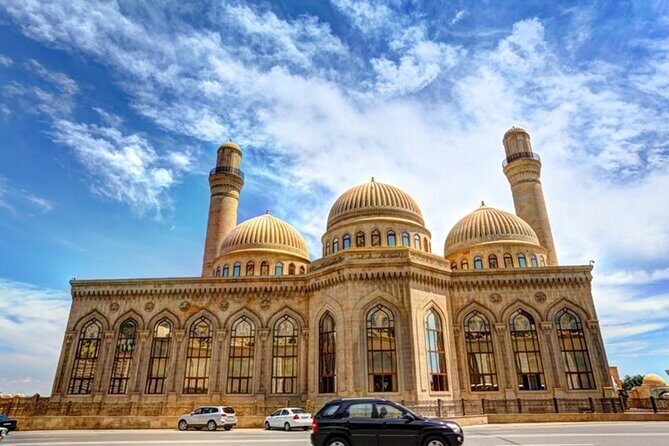
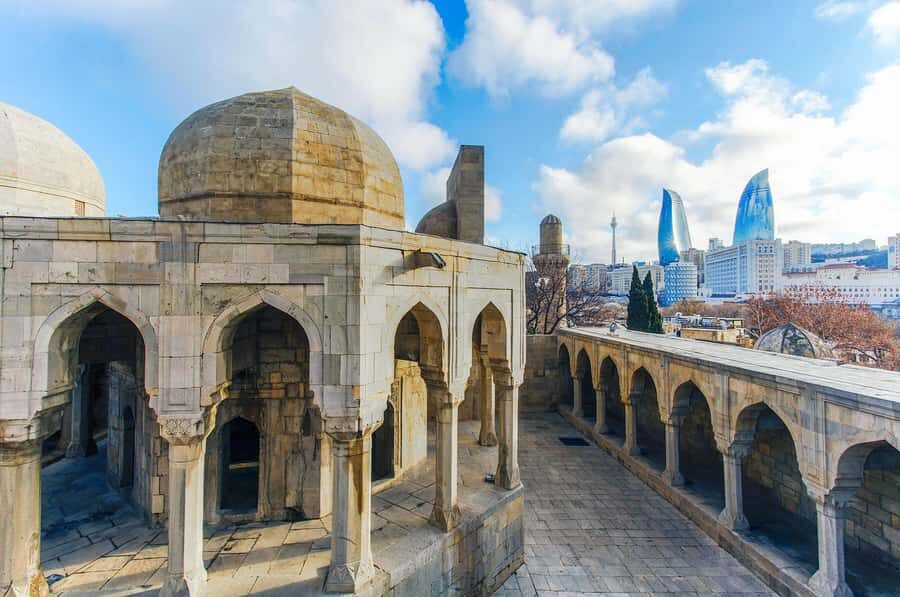
Day 2 is the big Baku day, and it’s smartly paced with variety. You start in the Baku Old City, where the sights include the Maiden Tower area, Shirvanshah’s Palace, and traditional hammams. If you like places that feel layered—where history sits right beside daily life—this is the core.
Next comes a hands-on cultural shift: you’ll stop at ABAD, a handmade souvenir shop tied to a social project supporting small family businesses. It’s one of those stops that feels practical: you can buy without feeling like you’re just collecting trinkets.
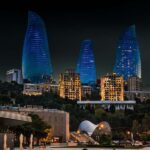
Then you’ll hit modern Baku at the Heydar Aliyev Cultural Center, followed by Highland Park for skyline views. Highland Park gives you that “oh, I get it now” perspective on how Baku sits between sea and city.
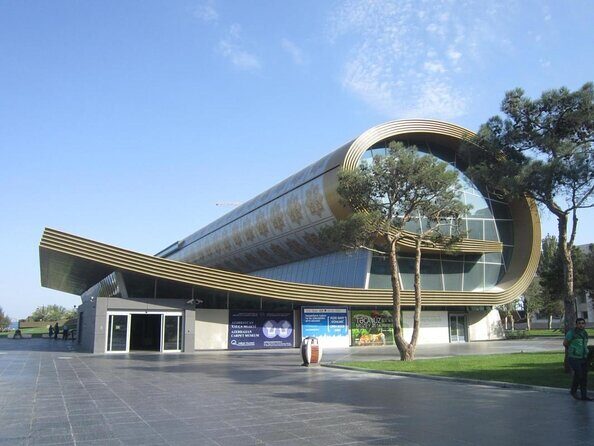
You’ll also visit the Azerbaijan National Carpet Museum, which is a good choice for first-timers. Carpets in Azerbaijan aren’t just décor; patterns carry meaning, so it’s worth seeing in person rather than guessing from photos.
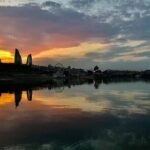
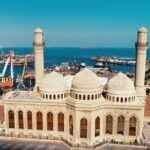
Finally, you end at Baku Boulevard for a Caspian Sea boat ride, with VIP tickets included. The catch is simple: boats operate only in clean weather. If the day looks uncertain, keep your schedule flexible and expect possible adjustments.
Qobustan and Absheron: mud volcanoes, Fire Temple, and Yanar Dag
Day 3 moves from Baku culture into a different kind of Azerbaijan: geology and fire. You’ll start at Gobustan National Historical-Artistic Preserve Museum, then explore Qobustan National Park context through the museum experience. It’s a strong “start here” stop if you want to understand why the area matters beyond postcards.
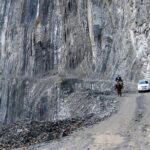
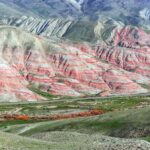
After that, you’ll go to the Mud Volcanoes near the Qobustan Museum. The road can be rough, so the plan swaps to Soviet-era-style cars branded Lada for that portion. It’s part practical transport and part safari feeling—meaning you should expect bumpier travel than you’d get in a smooth sedan.
Then you’ll visit Ateshgah, known as the Fire Temple. The local tradition ties it to worship connected with burning flame coming from seven holes, with the story traced in historical sources. Even if you’re not chasing religion, the site is memorable because it’s a human response to a natural phenomenon.
You finish with Yanar Dag, the naturally burning gas fire on a hillside that flames upward continuously—about 3 meters. This is one of those places where photos look dramatic, but the real effect is the steady, physical presence of fire in the landscape.
Practical note: dress for a temperature contrast between city and the open hillside. Even if the day starts warm, outdoor sites can cool down quickly.
Castles, open-air archaeology, and a museum that turns waste into art
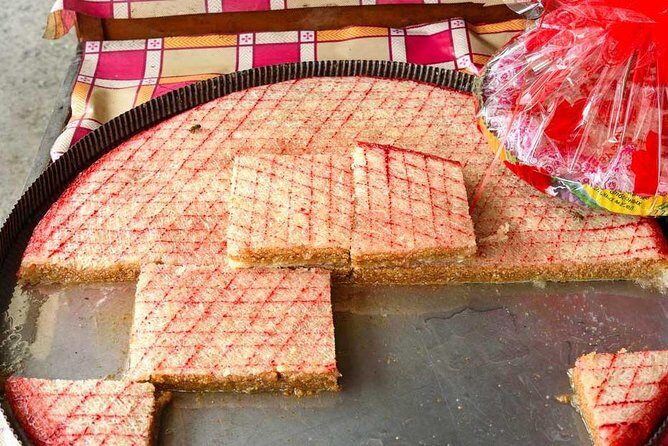
Day 4 is for history that isn’t only about palaces. You’ll start at the Qala Archaeological and Ethnographic Museum Complex, including an open-air ethnographic museum where you can see barrows, houses, and architecture connected to 3rd–2nd millennium BC. It’s not just one building behind a rope; it’s an area showing how people lived long ago.
Then you’ll visit From Waste to Art museum. It’s a quick but memorable contrast—proof that culture here includes contemporary creativity, not only ancient sites.
After that, you’ll explore Mardakan Castle and Ramana Castle. Both are medieval structures that used to function as shelter and observation points. They’re good stops if you like vantage points and stone textures, and if you enjoy thinking about how people controlled territory before modern maps.
This day is also a lesson in pacing. You’re not expected to sprint through huge museums; instead, you’re doing several medium-length stops where the setting helps the story stick.
Shamakhi and Qebele: mosques, mausoleums, and waterfall time at Nohur Gol
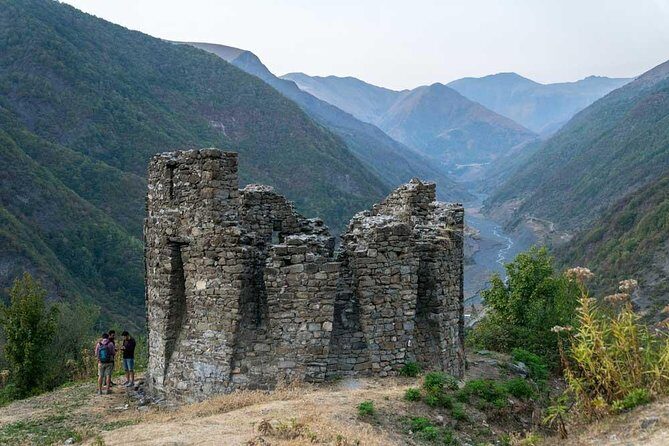
Day 5 is a mix of sacred history, regional identity, and outdoor breaks. You start at Diri Baba Mausoleum, built in 1402 for a holy person, and still attracting local pilgrimage interest.
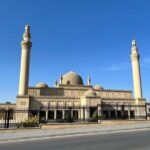
Next is the Juma Mosque in Shamakhi. The story goes back centuries, with legend pointing to the 8th century when Shamakhi was chosen as residence by an Arabian caliph. Even if you focus more on architecture than legend, the age and scale make it a meaningful stop.
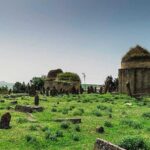
You’ll then move to Yeddi Gumbaz Mausoleum, built for family members of the Khan of Shamakhi around the 17th century. This stop adds depth because it shows funerary architecture tied to local power structures.
After that, you switch to nature with Seven Beauties Waterfall in Qebele. It’s a 3-step waterfall and a nice reset after indoor time.
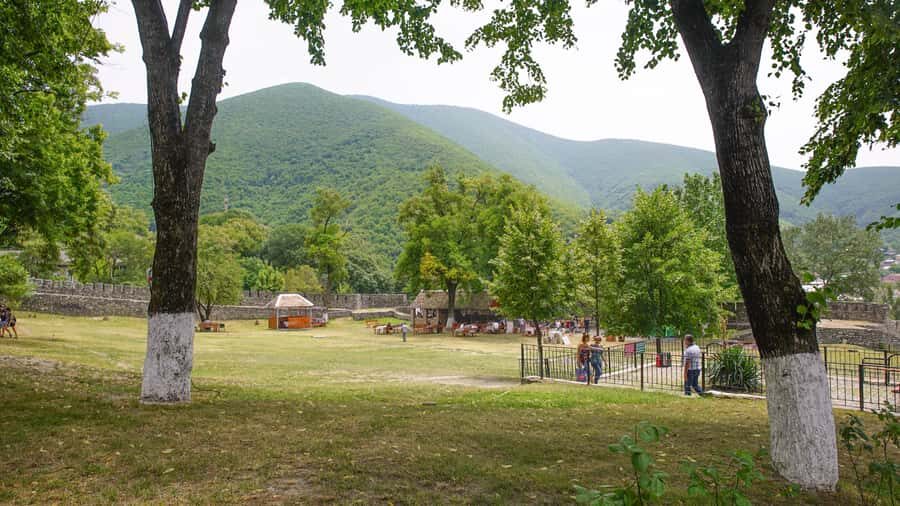
You finish with Nohur Gol, a great lake surrounded by forest. You’ll have about an hour to walk the shore and sail a boat, and there’s a restaurant option for lunch during that window. This is one of the better “slow down and look around” parts of the trip, because water and trees reduce that constant-site-fatigue feeling.
Sheki’s Khan Palace, Church of Kish, and folk crafts you can buy
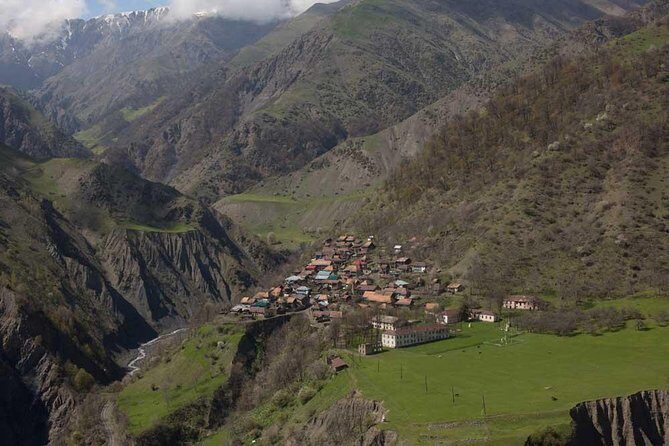
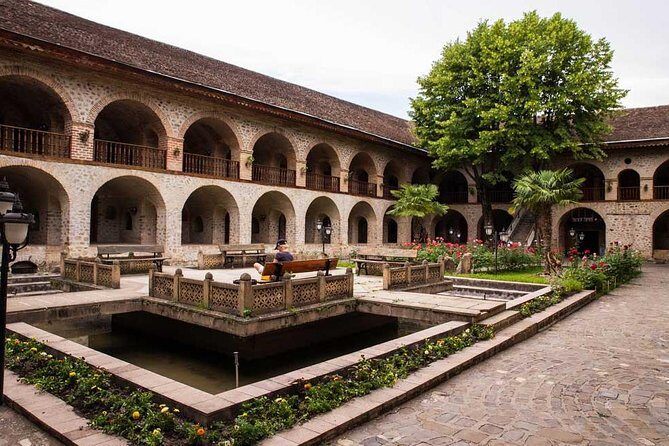
Day 6 brings you into Sheki, where the atmosphere shifts from city structure into regional craftsmanship and heritage sites. You’ll visit the Palace of Shaki Khans, built in 1797 as a summer residence for the Shaki Khans. This palace stop is a classic reason people come to the Sheki area, because the building communicates power and taste without needing a modern audio guide.
Next is the Church of Kish. The plan includes the tradition of St. Elishe arriving in the 1st century and the church becoming a spiritual center for people in the East. If you like early religious history, it gives you a different angle on the region’s past layers.
Then comes practical shopping: the Museum of Folk and Applied Arts, a house of handcrafts where you can buy original handmade works for a reasonable price. This is where your purchases feel tied to your route, not random. You’re looking at what was made for everyday culture, not only souvenir racks.
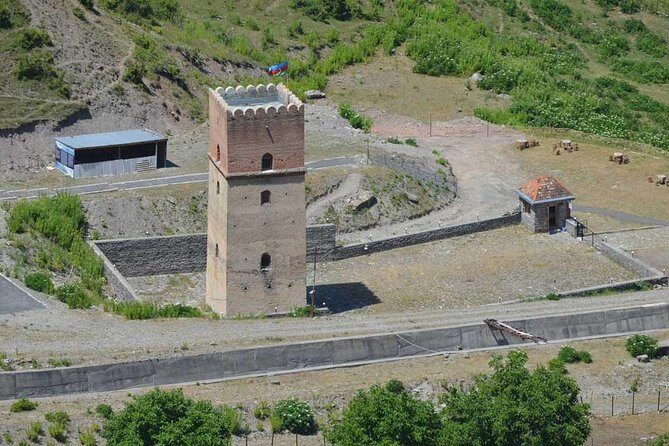
Day 7 shifts again into outdoors/fortress mode with Galarsan-Gorarsan Fortress. Its construction is dated to the 8th or 9th century, and it was used for defense. It’s a short stop, but it adds texture to Sheki beyond the palace.
Qakh waterfalls, Sumuq qala, and ending in Lahij for UNESCO craft culture
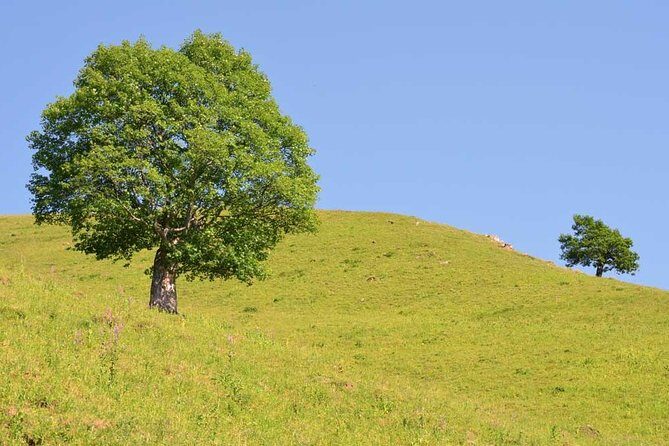
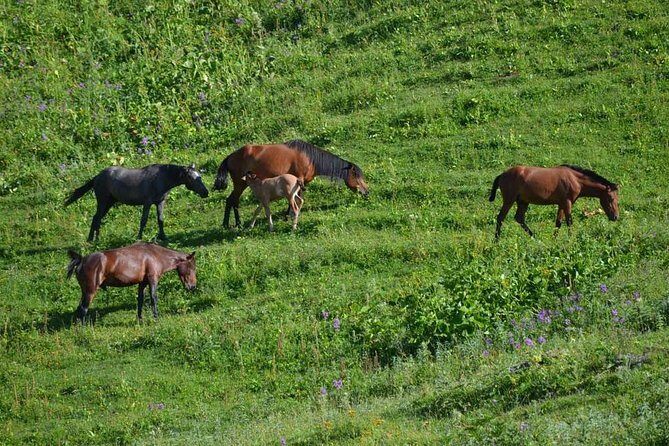
Days 8 and 9 lean into greener Azerbaijan energy—without turning the trip into a hiking-only program. You’ll visit Mamırlı şəlalə (Marmirli Waterfall) first. Then you’ll stop at Sumuq qala, the fortress site with a shorter visit window.
Finally, you end in Lahij, a guest house area that connects you with village life and traditional craft. Lahij is described as one of the oldest inhabited places in Azerbaijan, located in the Ismailli region, and it’s listed as intangible cultural heritage. The big draw here is copper craftsmanship: handmade copper products with a design style created through traditional methods.
Even if you don’t buy anything, Lahij is valuable because it answers the question of how these crafts survive. It’s not just about the final object; it’s about the village trade culture that shaped it over centuries.
Value and logistics: what $990 per person really buys you
At $990 per person for about 9 days, the value depends on what you’d otherwise pay separately. Here, you’re getting a private car and driver-guide, accommodation, included breakfasts, and multiple admissions and tickets. You’re also getting all fees and taxes covered, plus gift souvenirs about Azerbaijan.
Accommodation is split in two locations: a hotel in Baku and a cottage or apartment in Sheki. Rooms are shared for two people, in double or twin setups, with extra beds available if needed. That sharing arrangement can be efficient and good for cost control, but if you prefer solo rooms, you’ll want to check how that’s handled before booking.
Food-wise, breakfasts are included for 8 days, and lunch is included for 2 days. You’ll notice lunch inclusion tied to certain scenic stops, like the lake day, which makes those meals feel more like part of the day than an afterthought.
What’s not included is also clearly stated: flights and insurance. That’s normal, but it means you should plan your arrival and departure timing so you can use the full tour days without stress.
The tour also offers pickup, and you’ll receive a mobile ticket. Those two details matter more than they seem, because they reduce the chance of wasted time on coordination.
Practical tips for a smoother trip (and fewer awkward surprises)
First, wear shoes you trust. You’ll be on outdoor sites and uneven ground at several stops, plus some walking inside museums and historical complexes.
Second, plan for weather. The boat ride on the Caspian is explicitly dependent on clean weather. Also, open-air sites can feel cooler than expected, so bring a light layer even if your Baku day starts warm.
Third, expect some drive-time. Northern Azerbaijan is spread out, and even with a private car, you’ll spend time in transit. This is where having a driver-guide helps, since you can ask questions and use the ride time for context rather than just watching the road.
Fourth, use craft stops wisely. Places like ABAD and the Sheki folk arts museum are built for buying handmade goods. If you’re buying gifts, bring a plan for how you’ll pack fragile items before the last day.
Finally, when you visit religious sites like mosques, keep it respectful and quiet. The tour is set up for standard visits, but good manners go a long way when you’re walking into working spiritual spaces.
Should you book this 9-day Northern Azerbaijan tour?
I’d book this if you want a first solid northern Azerbaijan experience with a private car, included admissions, and a route that connects Baku’s modern face to Sheki and then into Qakh and Lahij’s craft culture. It’s also a good match if you dislike complicated logistics and prefer having a driver-guide keep the day moving.
I wouldn’t pick it if you’re looking for constant beach time or a very low-walking plan, because you’ll cover a lot of ground across historic sites and outdoor stops. The weather dependence on the Caspian boat ride is also worth factoring into your mindset.
If you want a trip that feels structured but not frantic—and you like the idea of learning why Azerbaijan looks the way it does—you’ll probably enjoy this route a lot.
FAQ
What is the duration of the tour?
The tour lasts about 9 days.
What time does the tour start?
The start time is 9:00 am.
Where does the tour take place?
The tour focuses on northern Azerbaijan, based around Baku, with stops including Shamakhi, Sheki, Qakh, and Lahij.
Is pickup included?
Pickup is offered.
Is this a private tour?
Yes. It’s listed as private, so only your group participates.
What kind of accommodation will I get?
You’ll stay in a hotel in Baku and a cottage or apartment in Sheki. Rooms are shared for two people (double or twin), and extra beds are available.
What meals are included?
Breakfast is included for 8 days, and lunch is included for 2 days.
Are entrance tickets included?
Many admissions are included throughout the days, and all fees and taxes are covered.
Does the itinerary depend on weather?
Yes. The Caspian Sea boat ride requires clean weather, and the experience requires good weather overall.
What is not included in the price?
Flights and insurance are not included.
Is there free cancellation?
Yes, free cancellation is available. You can cancel up to 24 hours in advance for a full refund.