REVIEW · BAKU
Gobustan and Absheron Peninsula All inclusive Tour
Book on Viator →Operated by Maiden Travel Azerbaijan · Bookable on Viator
Gobustan and Absheron are a lot of places for one day. I like that the tour hits ancient rock art and the mud volcanoes—the kind of sights you can’t really fake with photos. You also get a guided thread through Azerbaijan’s past and beliefs, so the stops feel connected instead of random. One thing to note: the day runs about 8 to 9 hours, so it’s not built for a slow, wander-at-will pace.
For me, the biggest win is the guide work. The named guide I saw repeatedly in feedback is Jamal, and his storytelling style shows up in how the day is explained—fun, human, and organized. The main drawback is time at each site is short at the popular ones, so if you want long museum time or lots of quiet minutes for sketching, you might wish for a second day.
In This Review
- Key Highlights
- Gobustan and Absheron in One Day: what makes this route work
- Starting at 9:00 am: timing, pacing, and how not to feel rushed
- Gobustan Rock Art Museums: petroglyphs and the long story in the stone
- Mud Volcanoes: 350 of 800 worldwide, plus a hands-on twist
- Bibi-Heybat Mosque: a quick stop that adds meaning
- Ateshgah Fire Temple and Yanar Dag: fire that explains belief
- Heydar Aliyev Cultural Center: modern contrast after ancient sites
- Guide impact: Jamal’s storytelling makes it stick
- Price and value: is $69 actually a good deal?
- Logistics you should care about (and a few you can ignore)
- Who this tour fits best (and who might want something else)
- Quick tips to make your day smoother
- Should you book this Gobustan and Absheron tour?
- FAQ
- How long is the Gobustan and Absheron Peninsula tour?
- What’s included in the price?
- Is this tour private or shared?
- How many people are in the group?
- Where does the tour start, and when?
- Can I cancel for a refund?
Key Highlights
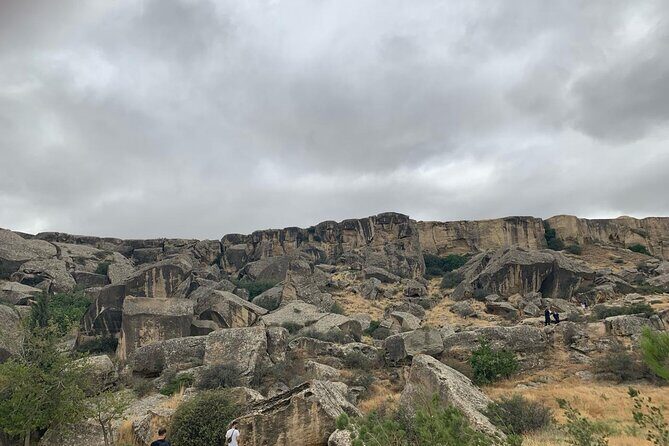
- Gobustan Rock Art + two museums in about 1 hour 15 minutes
- Mud volcanoes with a real sense of scale (350 of 800 worldwide)
- Ateshgah Fire Temple with an emphasis on the sacred role of fire
- Yanar Dag, described as burning for 5,000 years
- A photo-friendly contrast: Heydar Aliyev Cultural Center
- Max group size of 18, with an option for private groups
Gobustan and Absheron in One Day: what makes this route work
This tour is built for people who want the big names near Baku without spending a week planning. You start in the Baku area, then move through Gobustan and the Absheron Peninsula highlights in a tight sequence. The order matters: rock art first, then the ground literally seeping with mud, then mosques and fire-related sites, and finally a modern stop at Heydar Aliyev Cultural Center.
You’ll notice the theme is human life across time. You go from people carving stories into rock, to nature creating its own “performance” with mud volcanoes, to religious buildings, and then to places tied to fire and belief. It’s a good way to get your bearings fast if Azerbaijan is new to you.
The “all inclusive” idea here mostly means the day is pre-packaged. Travel time and lunch are included, plus several admissions are included in the itinerary. That matters because the most annoying part of sightseeing days is not the sights—it’s figuring out what’s ticketed, what’s close together, and how long everything will take.
You can also read our reviews of more tours and experiences in Baku.

Starting at 9:00 am: timing, pacing, and how not to feel rushed
The tour starts at 9:00 am from Qala Qapısı Restoranı, Cavadxan, Bakı and ends back at the same meeting point. It’s an 8 to 9 hour day, and that time includes travel plus lunch.
That schedule is a real plus if you’re limited on time in Baku. It’s also why the stops are intentionally timed. For example, you get a solid block at Gobustan Rock Art, but then you move on quickly to keep the day balanced. The payoff is you see a lot; the cost is you won’t linger forever.
A practical tip: wear comfortable walking shoes and plan your photo timing. Most sites are designed for quick visits, so if you want your photos without running, you’ll do best if you treat each stop like: quick orientation, then photos, then the main explanation.
The max group size is 18 travelers. That’s large enough for good energy and meeting people, but small enough that you’re not lost in a crowd. Also, you can choose a private group or share, which is helpful if you’re traveling with kids or you want a quieter day.
Gobustan Rock Art Museums: petroglyphs and the long story in the stone
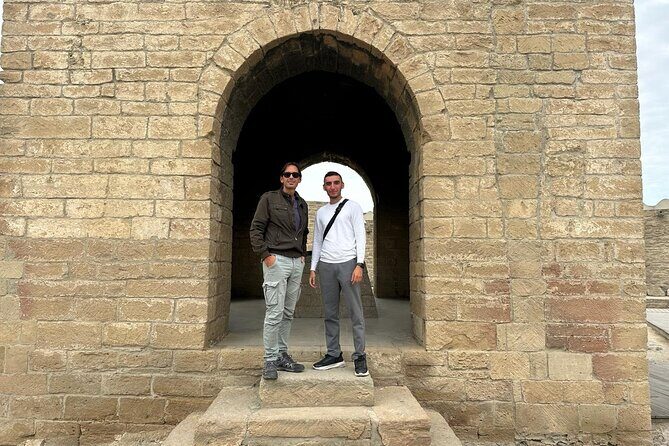
Stop 1 is Gobustan Rock Art with both museums, and the time is 1 hour 15 minutes with admission included. This is the anchor stop of the day. Gobustan is about images carved into rock—human marks that stretch across time.
What you’ll like here is that you’re not just handed a list of facts. You’ll get an explanation of how ancient tribes lived and what the rock paintings connect to across periods, from late Stone Age to the Middle Ages. That time span can sound abstract until you’re standing in front of the rock surfaces and hearing how different marks and scenes relate to daily life and beliefs.
There’s also a photo angle. The tour promises the best photo opportunities for social media, and that tracks with the layout of Gobustan: you can frame wide views and close details. If you care about photos, this is the stop where you should be most ready with your camera settings and a quick plan for angles.
Possible drawback: 1 hour 15 minutes goes fast, especially if the museum areas feel crowded or you get interested in one specific section. If you’re the type who reads everything slowly, you might need to accept that the tour gives you a guided overview rather than a full museum marathon.
Mud Volcanoes: 350 of 800 worldwide, plus a hands-on twist
Next up is Mud Volcanoes, a 45-minute stop with admission included. This is where the tour gets a bit weird—in a good way.
The key detail: you’re going to a place described as hosting 350 out of 800 mud volcanoes in the world. Even if you don’t remember the number later, it helps you understand why this location is famous. It’s not just one odd hill; it’s a whole area where earth behaves like it’s alive.
What makes this stop practical is that you’re not only watching. You may be able to collect mud for a dermal care mask. I’m not saying mud masks are magic, but the point is you’re getting a tactile, memorable experience that goes beyond sightseeing. If you’re curious, this is the kind of story you’ll actually keep.
Possible drawback: mud is mud. Wear shoes you don’t mind getting a little messy and keep an eye on where you step. Also, because the time is 45 minutes, you’ll want to move efficiently: one loop for photos, one moment for the guided explanation, and then time for any hands-on activity if offered.
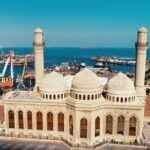
Bibi-Heybat Mosque: a quick stop that adds meaning
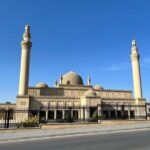
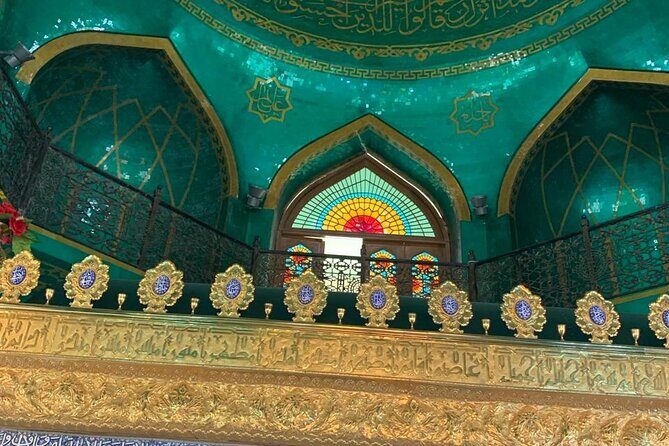
Stop 3 is Bibi-Heybat Mosque, 20 minutes, and the admission is free. On a day packed with several ticketed sites, this short stop is a breather—and it also gives context.
You’ll be told about the role of Islam in Azerbaijan and shown one of the oldest buildings in the country. The value of such a brief stop is that it prevents the tour from feeling purely “scenic.” It gives your day a cultural anchor, so the fire sites later don’t feel random.
Possible drawback: with only 20 minutes, this is not a deep architectural visit. Think of it as a respectful, high-level introduction—ideal if you want variety without losing the pace of the day.

Ateshgah Fire Temple and Yanar Dag: fire that explains belief

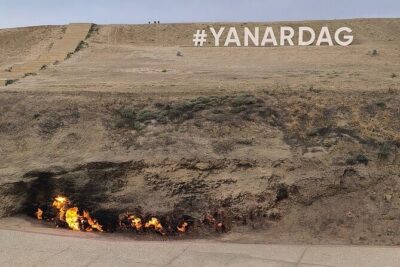
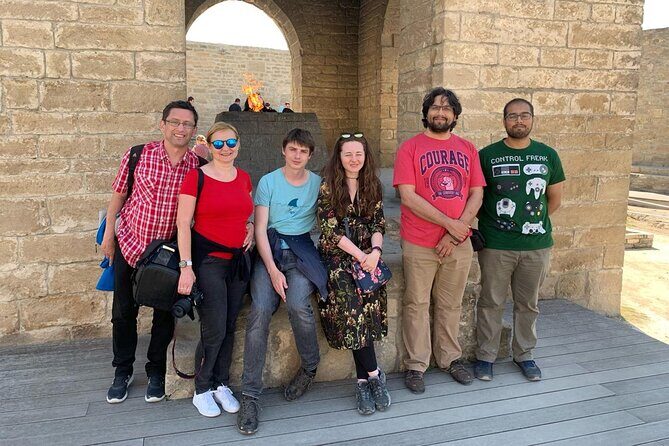
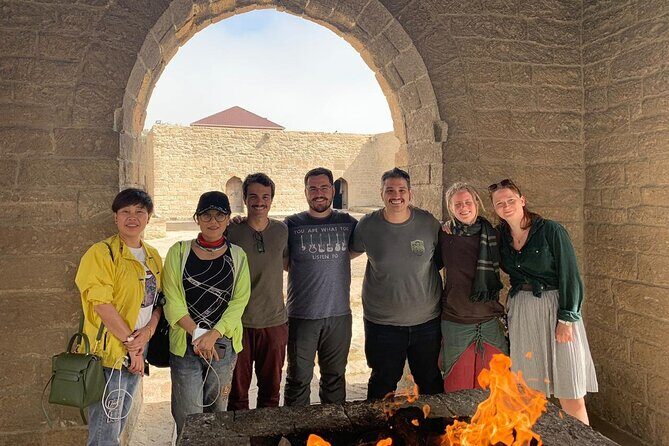
Stop 4 is Ateshgah – Fire Temple for 1 hour with admission included. Stop 5 is Yanar Dag for 30 minutes, also with admission included.
If you’re wondering what these two stops are doing in the same day, it’s because they connect through the idea of fire as sacred. You’ll learn about the sacred role of fire in Azerbaijani culture and see an ancient fire temple described as having an infinite fire. You’ll also hear why fire worshipping was a main part of culture and how that atmosphere would have felt in medieval times.
Then Yanar Dag closes the circle with the local miracle. The mountain is described as being on fire for 5,000 years, and your guide explains why. That combination—temple context at one stop and an outdoor “fire mountain” context at the next—helps you understand the topic instead of just receiving legends.
What I like about this segment is that it gives you more than scenery. Even if you’re not religious, you’re learning how people used natural phenomena and sacred spaces to build meaning. It’s also the segment where the guide’s storytelling matters most, because fire-related sites are easy to turn into vague myths if someone doesn’t explain how the story fits together.
Possible drawback: the explanation time competes with photo time. Don’t wait until the end to get your photos. If you want a clean shot, do it early, then let the guide talk—otherwise you’ll feel like you’re both rushing and missing the point.
Heydar Aliyev Cultural Center: modern contrast after ancient sites
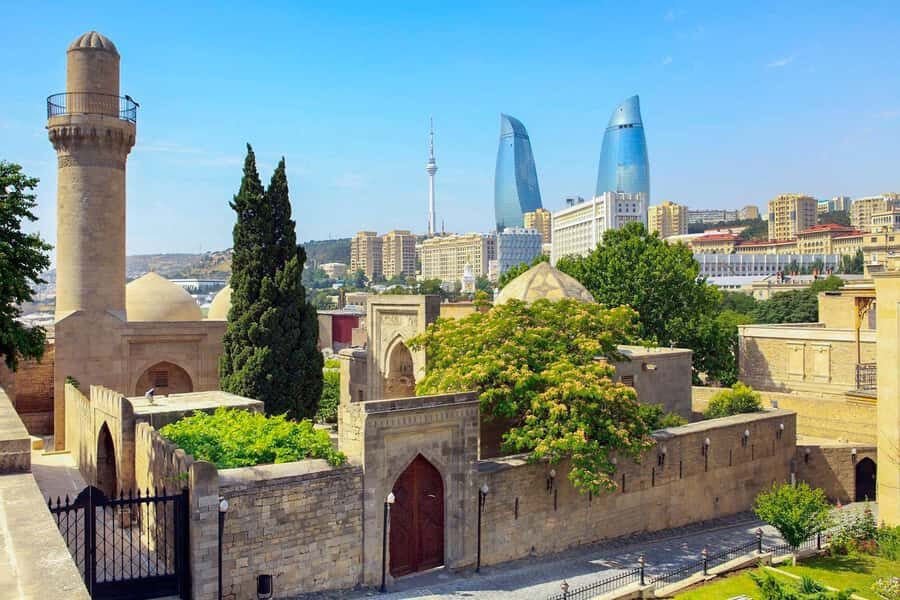
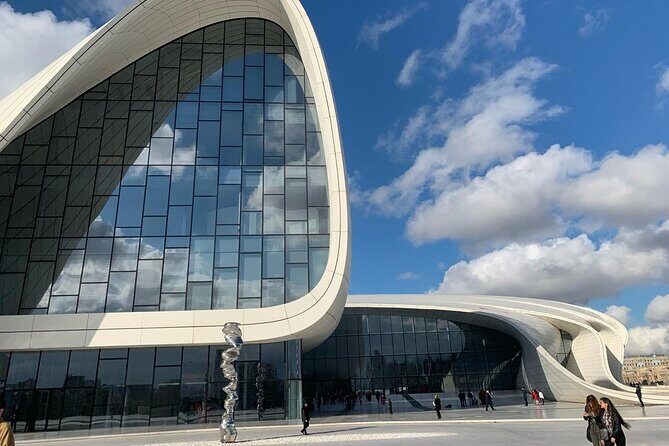
Stop 6 is Heydar Aliyev Cultural Center for 20 minutes, admission free. This is the only modern construction on the tour, and it’s a clever final stop for your eyes.
After rock art, mud, mosque, fire temples, and a burning mountain, the center offers a reset. The tour also leans into practical value: you’ll likely have the chance to take some of the best photos of the day here. If you’re traveling for visuals, this is where you’ll get a clean backdrop compared with the older sites.
Possible drawback: 20 minutes is quick, so don’t treat it like a full museum visit. It’s more of a photo-and-overview stop that wraps up the day with a modern punctuation mark.
Guide impact: Jamal’s storytelling makes it stick
A big theme in the feedback is how good the guide is at presenting the material. The name Jamal comes up again and again, along with comments about his humor, personal charm, and strong command of the topic.
In practice, that affects the tour quality in a very real way. With sites like Gobustan and fire-related landmarks, it’s easy to end up with a pile of facts and no connection. A good guide helps you make links: why someone carved images into rock, why fire mattered, and how the religious and natural elements show up across Azerbaijani culture.
Jamal’s style is also described as sensitive and professional, which matters if you’re traveling with kids or you’re the type who prefers clear pacing. One family-focused review also points out that the tour stayed comfortable even with people around—again, that’s a guide skill, not just luck.
If you want the day to feel like more than a checklist, pay attention to the explanations. This is one of those tours where your experience improves if you listen for the story thread.
Price and value: is $69 actually a good deal?
At $69 per person, this tour looks budget-friendly, especially because the structure includes several cost categories.
You get:
- Travel time built into the day
- Lunch included
- Admission included for major stops (Gobustan Rock Art, Mud Volcanoes, Ateshgah, Yanar Dag)
- Free admission for Bibi-Heybat Mosque and Heydar Aliyev Cultural Center
- A mobile ticket model
When you add up admissions plus lunch plus a guided route designed to avoid long pointless gaps, $69 starts to make sense. The tour also has a small cap of 18 travelers, which typically helps with guide attention and the overall vibe.
Where cost can feel less “fair” is if you’re the kind of person who would rather explore independently and would have skipped some stops anyway. But if your goal is to see the highlights in one day with minimal planning, this price is more about buying convenience than buying attractions.
Another smart detail: average booking is about 16 days in advance. That suggests this is a popular day tour, so if you’re going in a busy season, you’ll want to lock it in early.
Logistics you should care about (and a few you can ignore)
The tour includes travel time and lunch in the total duration, which removes one major stress point. It also ends back at the meeting point, so you’re not stuck figuring out transport at the end.
The “near public transportation” note is useful, especially if you’re staying somewhere else in Baku. You’ll likely be able to reach the start point without a complicated plan.
Also, the tour has confirmation at booking time, and free cancellation is available up to 24 hours before the start time. That’s worth it if your schedule in Baku is still flexible.
One consideration: you’re moving between sites, so you’ll want to keep essentials easy to reach—water, phone charger if needed, and something to wipe dust or mud off your hands.
Who this tour fits best (and who might want something else)
This is a strong fit if:
- It’s your first visit to Baku and you want a structured day
- You like a guide who tells stories, not just recites facts
- You want a mix of rock art, nature, religion, and fire-themed sites
- You prefer a small group (max 18) and an easy meeting point
You might think twice if:
- You hate long “stop-and-go” days
- You want deep museum time and quiet pacing
- You’re very sensitive to crowds at popular viewpoints (some areas can be busy, and the day is designed to cover a lot)
If you’re traveling with kids, the tour seems to work because it’s scheduled and not overly long at any one site. Short, clear segments help keep attention from dropping.
Quick tips to make your day smoother
A few practical things that will help you enjoy the day more:
- Bring shoes that can handle outdoor paths near mud volcanoes
- For photos, treat Gobustan and Yanar Dag as your “don’t miss” moments
- Plan to listen during explanations, not only take photos—this is where the value sits
- If you’re fasting or sensitive to timing, just be aware it’s a full 8 to 9 hours and includes lunch, so eat when it’s offered rather than waiting for later
Should you book this Gobustan and Absheron tour?
If you want the big Azerbaijan variety in one day and you like guided storytelling, this one is easy to recommend. The combination of Gobustan Rock Art, the mud volcanoes, then fire culture sites at Ateshgah and Yanar Dag, plus a modern stop at Heydar Aliyev Cultural Center gives you a “whole picture” feeling without needing extra days.
I’d book it if you’re on a tight Baku schedule, especially since travel time and lunch are already folded in. I’d think twice if you’re looking for slow travel or you want to linger long at museums.
In short: for a first-time, highlights-in-a-day traveler, this tour hits the right balance of structure and variety—at a price that doesn’t feel like you’re paying extra just for transport.
FAQ
How long is the Gobustan and Absheron Peninsula tour?
It runs about 8 to 9 hours.
What’s included in the price?
The tour includes travel time and lunch, plus admissions for some stops (Gobustan Rock Art, Mud Volcanoes, Ateshgah – Fire Temple, and Yanar Dag). Bibi-Heybat Mosque and Heydar Aliyev Cultural Center are free within the itinerary.
Is this tour private or shared?
You can choose either a private group or a shared experience with a group.
How many people are in the group?
The tour has a maximum of 18 travelers.
Where does the tour start, and when?
It starts at 9:00 am at Qala Qapısı Restoranı, Cavadxan, Bakı, Azerbaijan and ends back at the meeting point.
Can I cancel for a refund?
Yes. You can get a full refund with free cancellation up to 24 hours before the experience’s start time.