REVIEW · BAKU
2-day Shamakhi-Gabala-Shaki Private Tour
Book on Viator →Operated by OM Hospitality · Bookable on Viator
Shamakhi to Sheki in two days is a fast-moving story. This private overnight route links Silk Road-era remnants with big-sky Azerbaijan, led by a professional art historian.
I love how the plan blends major cultural stops with easy, scenic breaks: the Juma Mosque and Nohur Lake are both memorable and different. I also love the human touch of guide Suleyman, who adds more than dates and walls by steering you toward clean local places for tea and sweets.
One key consideration: meals and overnight lodging aren’t included, so your real total cost depends on where you stay and what you choose to eat during the gaps.
In This Review
- Key things to know before you go
- A 2-day Shamakhi–Gabala–Sheki route that actually fits
- Day 1 from Maraza to Shamakhi: Diri Baba Mausoleum’s legends
- Juma Mosque: early Transcaucasia architecture, not just a pretty hall
- Nohur Lake in Gabala: a manmade reservoir with real postcard impact
- Tufandag Mountain Resort: the high-altitude photo break
- Overnight in Sheki: you choose your stay, the guide helps you win
- Day 2 in Sheki: start with the Khan’s Palace and its shabaka windows
- Caravanserai time: Karvansaray as a trade-route survival story
- Aliovsat Sweets House: tea and homemade desserts with local flavor
- Sheki Fortress: the Middle Ages, plus a real health reminder
- The guide makes the difference: art history that turns into real understanding
- Private transport, fewer headaches, and what you really pay for
- Weather, clothing, and pacing on this “2 days, a lot of walking” day
- Who this tour suits best
- Should you book this private Shamakhi–Gabala–Sheki tour?
- FAQ
- What time does the tour start?
- How long is the tour?
- What’s included in the price?
- Is accommodation included for the overnight?
- Are meals included?
- Is this tour private?
Key things to know before you go
- Art historian guide, not just a driver: you get context for mosques, palaces, and trade-route buildings
- Private vehicle between stops: you avoid the time drain of taxis on a tight 2-day schedule
- Shamakhi’s faith-meets-history vibe: the Diri Baba Mausoleum and Juma Mosque are both worth slowing down for
- Gabala nature stop at Nohur Lake and Tufandag: lake views plus a high mountain resort break
- Sheki’s craft-and-empire details: the Khan’s Palace stained-glass windows and a surviving caravanserai
A 2-day Shamakhi–Gabala–Sheki route that actually fits
This tour works because it focuses on three places that feel like different chapters of Azerbaijan. You start from Baku and funnel your time into Shamakhi, then Gabala, then Sheki. The pace is brisk, but it’s not frantic—because you’re moving by private vehicle and you’re not constantly negotiating transport.
The other smart choice is the balance of styles. Day 1 gives you religious heritage and mountain scenery. Day 2 shifts toward Silk Road-era city life—palaces, caravanserai trade buildings, and the defensive leftovers of an older Sheki. Add an art historian guide, and those places stop being “nice sights” and start being a story you can follow.
If you like your travel to feel intentional, not random, this route is a good fit.
You can also read our reviews of more private tours in Baku
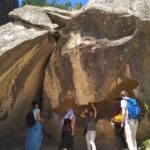
Day 1 from Maraza to Shamakhi: Diri Baba Mausoleum’s legends
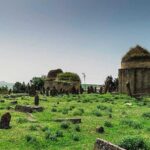
You start early, with pickup offered and a 8:30 am start time. The first stop is the Diri Baba Mausoleum in the village of Maraza, on the way from Baku to Shamakhi. This is one of those places that works on two levels: the architecture itself, and the legends people attach to it.
The mausoleum is described as impressive in setting and original in architecture, and it draws both pilgrims and tourists. Even if you only have about 25 minutes here, it’s enough time to get your bearings and notice what makes it feel different from a plain cemetery structure.
What I like for your planning: this stop is early in the day and free of admission, so it doesn’t “steal” budget from the bigger-ticket sites later.
A small practical tip: come with open time for photos. This is a monument where the surrounding situation matters, not just the building’s front.
Juma Mosque: early Transcaucasia architecture, not just a pretty hall
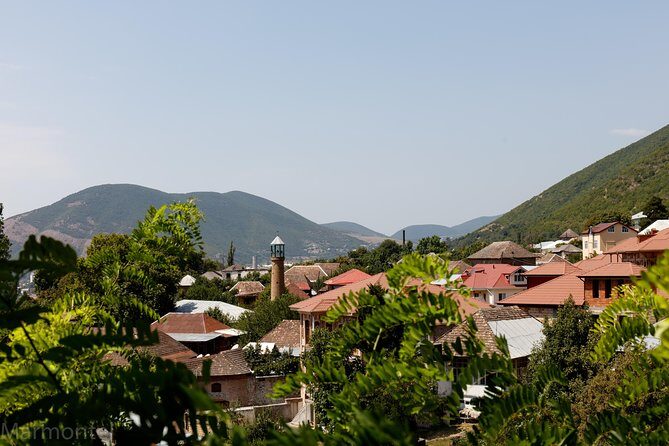
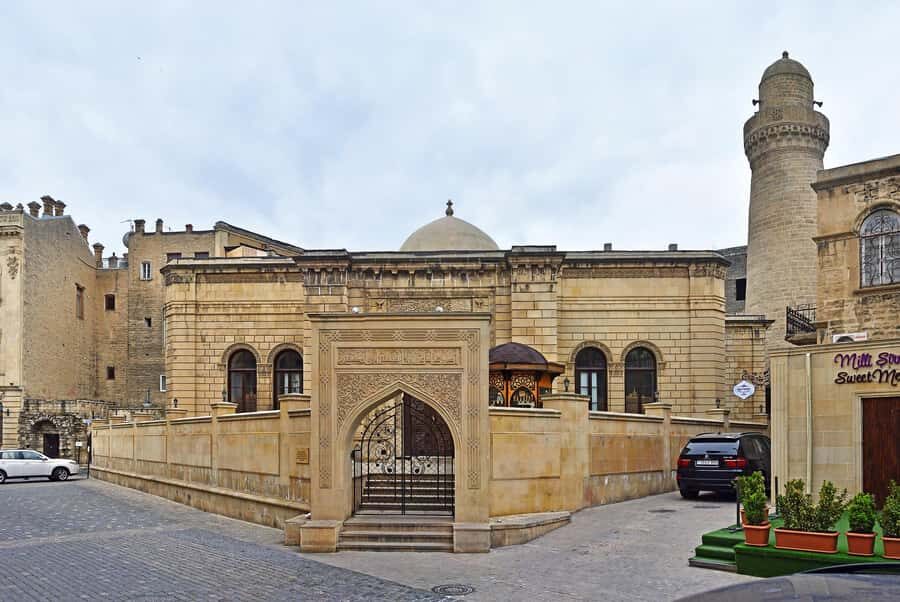
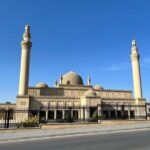
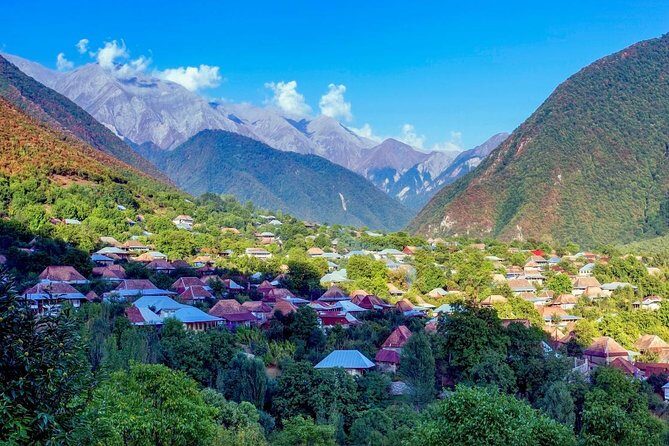
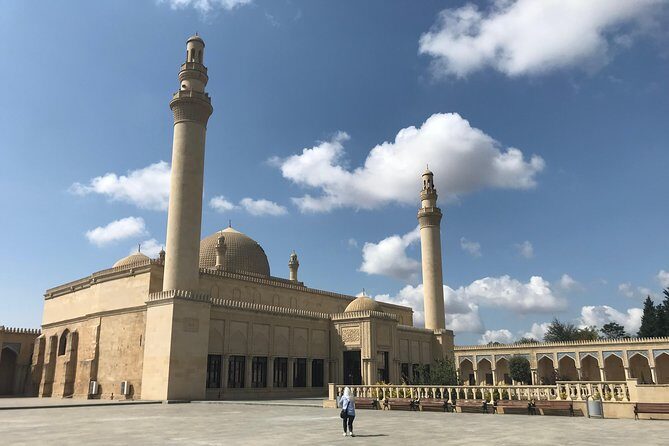
Next you head into Shamakhi for the Juma Mosque (Shamakhi Dzhuma). It’s presented as both the oldest and the largest mosque in Azerbaijan. The background is part of why it’s so interesting: legend ties its founding to the 8th century, when Shamakhi became a residence chosen by an Arabian caliph. There’s also an inscription on the portal dated 744, which is why it’s considered among the earliest mosques of Transcaucasia.
Inside, the description you’ll hear matters: the huge prayer hall is divided into three independent sections, connected by wide open doorways. That layout is a big clue for how worship spaces functioned here—there’s a rhythm to the space, not just one uniform room.
You get around 30 minutes, and admission is free. That combination is excellent value, because it lets you experience a major heritage site without adding a separate paid stop to your day.
Nohur Lake in Gabala: a manmade reservoir with real postcard impact
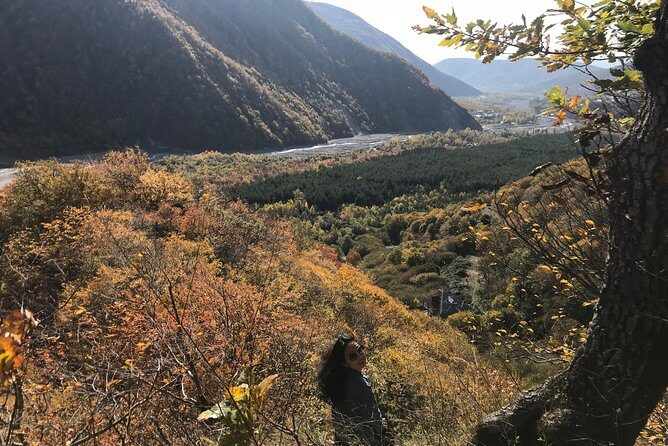
After Shamakhi, you move toward Gabala and take a breather at Lake Nohur. This is a manmade lake created after World War II to supply surrounding villages with water, and that history helps it feel grounded rather than purely “scenery.”
What makes it a great stop on a tour like this is the way it’s framed: eye-catching lake views with the Greater Caucasus Mountains behind it. It’s described as a recreation spot with a tree-lined body of water that reflects the mountains in green-blue tones.
You’ll spend about 30 minutes, and admission is free. That’s a good match for day-one pacing. You don’t lose time trying to fill your head; you reset your eyes and take in the mountains.
If you’re thinking about timing: bring a light layer. Even when the day feels mild, lake-and-mountain stops can cool you down.
Tufandag Mountain Resort: the high-altitude photo break
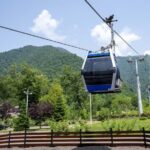
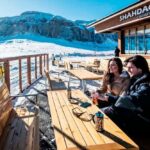
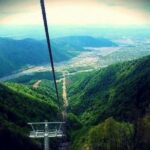
Then it’s up to Tufandag Mountain Resort, a ski resort area reaching 4,191 meters. The info also notes it opened in January 2014. Even if you’re not skiing, it’s still a dramatic viewpoint stop, described with pure white snow and cloud wisps floating around the Caucasus Mountains.
You’ll have about 1 hour 30 minutes here. Admission isn’t included, so treat this as the one stop where you may pay extra depending on what you want to do—viewing, rides, or any paid activities on site.
Why it’s worth budgeting: because this is one of the few moments on the tour where the destination feels like a modern resort setting rather than an old-world monument. It gives your trip contrast.
A few more Baku tours and experiences worth a look
Overnight in Sheki: you choose your stay, the guide helps you win
Accommodation for the overnight isn’t included. The good news is the tour provider provides full support to find decent places to stay and helps you reach good local restaurants for Azeri food. That support matters because the Sheki area can offer very different lodging styles, and you’ll want something comfortable if you’re planning a second day hike/walk.
Since meals also aren’t included, you’ll likely eat once or twice on your own during the day gaps. Your guide can help steer you toward simple, local options that fit the vibe of the tour.
Day 2 in Sheki: start with the Khan’s Palace and its shabaka windows
Day 2 begins with a major cultural payoff: the Palace of Sheki Khans (Xan sarayı). The guide’s context here is key. Sheki was home to a khanate in the second half of the 18th century, and two palace buildings still exist today. The Khan’s Palace is the main attraction.
The feature you should look for is the stained-glass windows known as shabaka (şəbəkə). The windows are famous enough that it’s worth focusing your attention on them as soon as you walk in, not saving them for last. The interiors are described as intricately furnished too, so expect an interior that rewards slow looking even in a guided visit.
You’ll spend about 1 hour, and admission isn’t included. This is one of the places where paying the entry fee often feels easy, because the windows and room details are the whole point.
What you’ll get out of it: the “Silk Road glamour” you hear about is not only caravans and merchants. It also shows up in design choices—color, craft, and how power wanted to look inside.
Caravanserai time: Karvansaray as a trade-route survival story
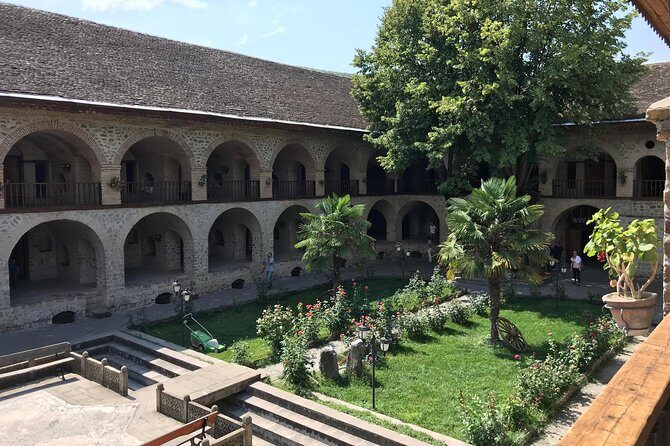
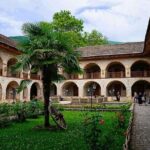
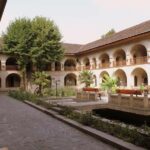
After the palace, you visit Karvansaray. Caravanserais were guesthouses along trade routes. In Sheki, described as a city of trade and crafts, multiple caravanserais were built. The tour notes that only two of five large caravanserais from the 18th and 19th centuries have reached modern times.
You’ll have about 1 hour here, and admission is free. This is one of those stops where you should let the guide connect the dots between the architecture and the people who used it. Even without extra site buildings, the idea of a building designed for arrivals—goods, animals, travelers—puts the whole trade-route story into your hands.
Practical takeaway: if you want photos, aim for good light around interior openings if they’re accessible. The timing can vary, but the building’s structure is what will matter most.
Aliovsat Sweets House: tea and homemade desserts with local flavor
Next comes a relaxing break at Aliovsat Sweets House, where sweet houses are authentic spots to sit down with Azerbaijani tea. You’ll get about 30 minutes, and admission is free.
This is also where your guide’s taste comes in. One of the best things highlighted from the experience is that Suleyman doesn’t stop at history—he also helps you get the real Azerbaijan parts: places to eat, sweets you’ll remember, and breaks that feel local rather than rushed.
Because meals aren’t included, this kind of stop can help you shape your day without worrying about whether you’ll find something decent quickly. Tea and desserts are also an easy win after walking and museum-time.
If you’re watching sugar intake: order something small and enjoy it. This isn’t just dessert; it’s a cultural pause.
Sheki Fortress: the Middle Ages, plus a real health reminder
Then you head to Sheki Fortress, about 4 kilometers from Sheki city on the summit of Garatepe Mountain near the Kish River. Construction is dated back to the 8th or 9th century, and the fortress was consolidated and used for defense.
You’ll spend about 1 hour 30 minutes here, and admission is free. This stop also comes with an important note: it’s not recommended for travelers with back problems, pregnant travelers, or those with heart problems or other serious medical conditions.
That warning isn’t a throwaway line. A fortress setting on a mountain usually means uneven footing, steep segments, and walking time where you can’t just “power through” if your body isn’t ready. So if you have any relevant concerns, don’t treat it like a casual viewpoint stop.
If you’re fit and careful: wear grippy shoes. Give yourself a slower pace, and plan for extra time to catch your breath.
The guide makes the difference: art history that turns into real understanding
This is an art historian-led tour, and that’s the difference between hearing facts and actually grasping what you’re seeing. The places on this route are old and layered, and the guide helps you connect them: legends tied to early mosque history, why caravanserai buildings matter to the Silk Road story, and what makes the Khan’s Palace windows so specific.
The standout from the experience is guide Suleyman’s approach. He’s described as superb—detailed with site history and thoughtful about adding an Azerbaijan experience beyond the main monuments. That means you’re more likely to leave with a sense of the country’s daily life, not just the highlights.
If you enjoy guided storytelling that respects your time (and keeps the day moving), this kind of guide is a big reason to book.
Private transport, fewer headaches, and what you really pay for
At $459 per person for an approximately 2-day private tour, you’re paying for more than sightseeing. You’re paying for private vehicle transport between multiple destinations plus hotel pickup and drop-off, a professional art historian guide, bottled water, and coffee and/or tea.
The value depends on two things:
1) How many paid entries you’ll add. Most stops listed are free: Diri Baba Mausoleum, Juma Mosque, Nohur Lake, Karvansaray, Aliovsat Sweets House, and Sheki Fortress. Paid admission appears at Tufandag Mountain Resort and the Palace of Shaki Khans. So your spending is likely concentrated on just a couple of key stops.
2) Your overnight cost and meals. Accommodation and meals aren’t included. If your lodging choice is solid and your plan for meals is easy, the total value stays attractive. If you pick an expensive hotel or keep paying for every meal at touristy spots, your final budget can climb quickly.
Still, even with those add-ons, you’re buying something you can’t easily replace: a tight cross-region route with a guide and private logistics. For a short trip, that’s often the smartest way to spend time.
Weather, clothing, and pacing on this “2 days, a lot of walking” day
The tour operates in all weather conditions, so dress appropriately. That matters because you’ll be outside at a fortress viewpoint and at mountain settings where conditions can change fast.
Also, the tour lists a moderate physical fitness level. In practice, you should plan for a lot of movement across day-two heritage stops and the fortress area. Bring comfortable shoes and a light layer, and you’ll feel more relaxed through the day.
If you’re someone who hates being rushed, here’s your strategy: take your time at fewer spots, not every spot equally. This tour is packed. Decide what matters most to you—like shabaka windows at the palace—and let the rest be “good looking, good to understand,” not every photo angle.
Who this tour suits best
This is a strong match if you:
- want an organized way to see three major regions in about 48 hours
- care about cultural context more than just checking boxes
- like guided breaks with tea and sweets, not only museum halls
- prefer private transport so you’re not fighting schedules between taxi rides
It might be less ideal if you:
- need meals and lodging handled fully by the tour
- have mobility limits or serious health concerns related to walking on uneven ground (the fortress note should be taken seriously)
Should you book this private Shamakhi–Gabala–Sheki tour?
I’d book it if your priority is a guided, efficient cultural route with smart value: many stops are free, and the big-ticket moments (palace and mountain resort) are clearly where you spend money. The guide factor—especially Suleyman’s history and food-and-sweets guidance—also makes it feel like more than a transport service.
I’d think twice if you want a fully “all-in” package for meals and lodging, because you’ll need to plan your overnight and food budget yourself. If you can do that planning, this route is a rewarding way to connect Shamakhi, Gabala, and Sheki into one story.
FAQ
What time does the tour start?
The tour starts at 8:30 am.
How long is the tour?
It runs for approximately 2 days.
What’s included in the price?
The tour includes transport by private vehicle, hotel pickup and drop-off, a professional art historian guide, bottled water, and coffee and/or tea.
Is accommodation included for the overnight?
No. Accommodation for the overnight isn’t included, but the provider offers support to help you find decent places to stay.
Are meals included?
No. Meals aren’t included.
Is this tour private?
Yes. It’s a private tour/activity, and only your group participates.