Fire and fossils in one packed day. This Gobustan and Absheron tour strings together UNESCO rock art and the Ateshgah Fire Temple in a way that makes Azerbaijan’s ancient layers feel connected. I really like how the day balances natural surprises (cool mud volcanoes) with man-made stories (oil beginnings, mosque history, Zoroastrian fire). One thing to plan for: extra entry fees can add up, and the schedule is full enough that you’ll feel the 5–7 hour stretch.
The logistics are pretty traveler-friendly: pickup is offered, you’re in an air-conditioned vehicle, and the group stays small (max 30). The guide quality often drives the experience, with names like Murad, Tim, Aziza, Aydin, Kamal, and Behram showing up in recent reviews for clear explanations and friendly handling. Still, I’d keep your expectations realistic—some reviews include complaints about extra payments or uneven guide English—so it’s smart to confirm what’s included before you go.
If you like a day trip that mixes geology, religion, and history without making you rush between random stops, this is a strong choice. Just bring comfortable shoes, expect a long day, and budget for sites where admission isn’t included.
In This Review
- Key highlights you’ll feel the moment you arrive
- Price and value: how $20 turns into a full day
- Starting in Baku: the easy warm-up on Baku Boulevard
- The world’s first oil well: why Baku matters beyond the sea
- Mud volcanoes in Gobustan: cool eruptions and UNESCO rock art country
- Bibi-Heybat Mosque: architecture with a Caspian Sea view
- Indoor museum to outdoor petroglyphs: how to see Gobustan properly
- Indoor museum (rock art context first)
- Outdoor museum (the UNESCO rock art walk)
- Ateshgah Fire Temple: natural gas flames and Zoroastrian symbolism
- Yanar Dag Burning Mountain: when the hillside is still on
- Comfort, timing, and small-group reality
- Guides make the difference: real names, real impact
- Who should book this Gobustan and Absheron combo (and who might not)
- Should you book this tour?
- FAQ
- What time does the tour start?
- How long does the experience take?
- Is pickup included?
- What’s included in the tour price?
- Are entry tickets included?
- Is lunch available?
- Can I cancel and get a refund?
- Are service animals allowed?
Key highlights you’ll feel the moment you arrive
- Gobustan petroglyphs: thousands of engravings that let you picture daily life tens of thousands of years ago
- Mud volcanoes: cool eruptions of mud, water, and gases that look dramatic but aren’t usually dangerous
- Ateshgah and Yanar Dag: natural gas-linked fires that explain why this region became a Zoroastrian stop
- A guided, packed route: Baku sights plus the Absheron peninsula and Gobustan in a single day
- Comfort on the road: air-conditioned vehicle and practical timing with several short visits
- Good vegetarian handling: lunch is optional, and vegetarian choices got positive remarks
Price and value: how $20 turns into a full day
At $20 per person, the headline price looks like a bargain for what you get: air-conditioned transport, a professional guide, and comfortable transportation. The real value here is not just the drive—it’s that a guide helps you connect the dots between oil-era Baku, ancient human rock art, and the strange fire phenomena on Absheron.
But here’s the part you should not gloss over: admission fees are listed as not included. Budget for sites such as Mud Volcanoes (30 AZN), Qobustan (10 AZN), and Fire Temple / Yanardag (15 AZN) per person. Also, the itinerary notes that some museum and final fire-mountain visits have admissions that aren’t included.
So think of the $20 as “transport + guide,” with site fees on top. If you’re traveling with friends, that’s still usually a better deal than trying to piece together separate taxis to remote stretches.
Lunch is optional at 12$ per person. It’s worth considering if you want a calmer day—one vegetarian option review came through with good feedback on Azerbaijani taste.
You can also read our reviews of more tours and experiences in Baku.

Starting in Baku: the easy warm-up on Baku Boulevard
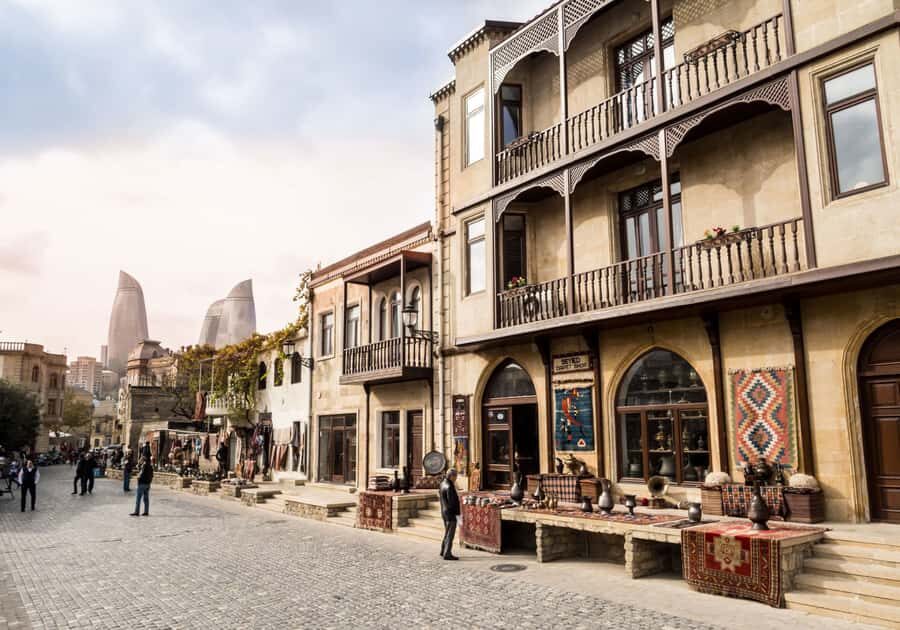
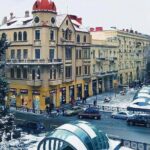
You begin with a quick stop along Baku Boulevard, the seaside promenade along the Caspian Sea. Even if you’ve been in Baku for a day already, this works as a reset: flat walking area, open views, and lots to look at without commitment.
What I like about this stop is that it sets the tone. Azerbaijan’s modern vibe sits right next to ancient stories in this itinerary. A short stroll also helps you shake off travel fatigue before the longer ride west toward Gobustan.
There’s typically no ticket needed for this part, and the stop is short (about 15 minutes), so it won’t feel like a detour.
The world’s first oil well: why Baku matters beyond the sea
Next comes one of Baku’s most important historical anchors: the World’s First Oil Well. This is the place you go to understand why oil is not a side story here—it’s the engine that shaped the region’s modern identity.
You only spend about 20 minutes, so you won’t get a museum-level experience. But that’s part of the point: this tour is built to keep momentum while still giving you the key context. If you care about industry history, this stop adds meaning to later contrasts—ancient rock art on one side, fossil-fueled modernity on the other.
No admission ticket is listed for this stop, so you can focus on the explanation and photos.
Mud volcanoes in Gobustan: cool eruptions and UNESCO rock art country
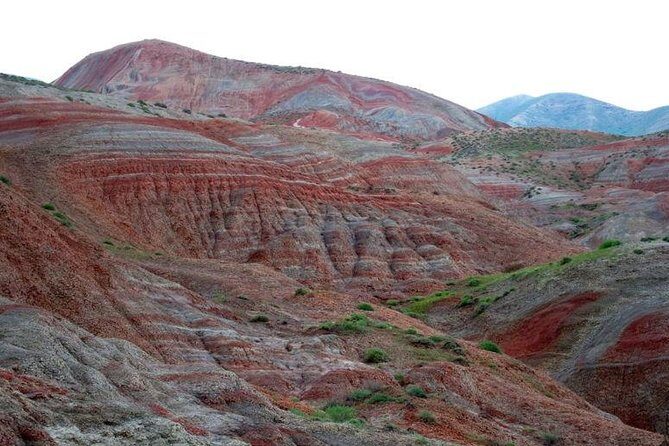
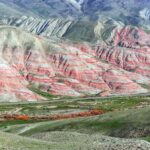
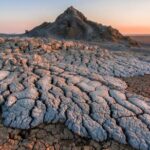
Then the tour heads toward Gobustan, about 60 km southwest of Baku. This is where the day becomes properly “out there.” The mud volcanoes look like volcanoes, but they’re not like fiery lava eruptions. They’re powered by mud, water, and gases rising from underground, which can form bubbling craters and cones.
A detail worth knowing: these eruptions are usually cool, which is why you can walk around and explore the formations without the same level of heat risk you’d expect from true volcanic areas.
This stop connects two big things at once. Gobustan is part of a national park setting and is also UNESCO World Heritage for its ancient petroglyphs. In other words, you’re standing in a place where geology and human history overlap.
Time on-site is about 30 minutes. That’s enough for the main viewpoints and quick wandering, but not enough for long hikes. If you want more walking time, you might consider a separate, slower Gobustan day—this tour is designed for breadth, not endurance.
Even though the itinerary lists it as ticket-free in one place, the tour data also lists Mud Volcano entry fees (30 AZN) as not included. So assume there’s a fee and plan accordingly.
Bibi-Heybat Mosque: architecture with a Caspian Sea view
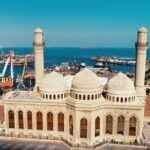
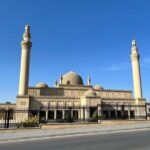
Back in Baku, you stop at the Bibi-Heybat Mosque, a major Islamic landmark with layers of rebuilding history. The mosque dates to the 13th century, and it was reconstructed in the 1990s after destruction during the Soviet period.
One reason this stop is more than just a photo stop: it adds a human dimension to the day. You go from underground gas and ancient rock lines to a living religious site with a clear cultural role. The mosque overlooks the Caspian Sea, so the setting gives you that sense of place that many city landmarks lack.
The stop is about 20 minutes, and the tour data lists admission as free for this one. It’s also a good pacing break before you return to Gobustan for the rock art sections.
Indoor museum to outdoor petroglyphs: how to see Gobustan properly
Gobustan is the centerpiece, so the tour does it in two stages:
Indoor museum (rock art context first)
You start at the Gobustan Indoor Museum for about 1 hour. This is where you get the background that makes the outdoor engravings hit harder. You can see exhibits tied to early human life, including materials connected to the Stone Age, plus interpretive displays.
One practical note: admission for the indoor museum is not included. So if you care about maximizing your time outdoors, decide ahead of time whether you want to spend on this ticket. In my experience, it’s usually worth it because it improves how you read what comes next.
Outdoor museum (the UNESCO rock art walk)
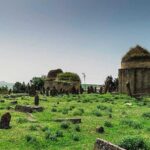
After that you move to Qobustan, the outdoor section where you walk through the rocky terrain and see thousands of petroglyphs. The tour gives about 1 hour here, and the age range is extraordinary—over 40,000 years of engravings.
This is where you start spotting patterns: hunting scenes, dancing figures, everyday life moments. The engravings are a rare kind of time travel. You’re not just looking at old art—you’re reading evidence of human routine and beliefs.
Again, the tour data lists Qobustan entry fees (10 AZN) as not included. So budget for it, and keep an eye out for any on-the-day ticket payments.
Ateshgah Fire Temple: natural gas flames and Zoroastrian symbolism
Now you shift from human drawings on stone to a site built around fire itself: Ateshgah (Fire Temple) on the Absheron Peninsula. You get about 1 hour here.
This is a fascinating kind of place because it’s not a man-made furnace show. The story centers on natural gas seeping from the earth and igniting into flames. That’s why the site mattered to Zoroastrian worship traditions—fire as a sacred element—and why it continues to draw visitors who want the real-world reason behind the mystique.
The itinerary lists admission as free for this stop in one part, but the tour data also lists Fire Temple / Yanardag entry fees (15 AZN) as not included. So, plan for a fee.
If you’re the type who likes to understand how legends connect to physics, this stop gives you that satisfaction quickly.
Yanar Dag Burning Mountain: when the hillside is still on
The final stop is Yanar Dag, also called the Burning Mountain, and it’s exactly the kind of weird-in-a-good-way place you want at the end of a full day.
Here, flames appear on a hillside, fueled by subterranean gas. The tour gives about 1 hour, and the payoff is visual—watching fire dance on a slope long enough to feel like you’re seeing something that refuses to be explained away.
Admission for this part is indicated as not included. The fee list also includes Yanardag under Fire Temple / Yanardag (15 AZN), so treat it as a paid add-on.
Wear layers. Even if Baku is warm, conditions on open slopes can feel different, and you’ll stand around for the best viewing.
Comfort, timing, and small-group reality
This is a 5 to 7 hour day trip that starts at 9:00 am. That length matters. You’ll be in the car more than you might expect because the route spans Baku and the Gobustan/Absheron areas.
On the plus side, you’re in an air-conditioned vehicle, and the tour caps at 30 travelers, so it’s not chaotic. Reviews also mention comfortable, clean cars and guides who manage timing well.
On the watch-out side: the schedule includes multiple “about X minutes” segments. If you prefer slow travel, you may feel slightly rushed at shorter stops like Baku Boulevard or the Oil Well.
Also, watch out for the extra-ticket pattern. One negative review complained about not being warned about additional payments. I’d handle that by confirming entry fees for each paid site before you board, so the day stays smooth instead of tense.
Guides make the difference: real names, real impact
A repeated theme in the feedback is that the guide can make the history readable and the photos easier. Specific names showing up include:
- Tim: often praised for friendly, well-paced explanation
- Murad: described as friendly and adding to the experience at Gobustan
- Aziza: mentioned for fluent English and patient photo help
- Aydin: praised for kindness and care, including vegetarian meal handling
- Kamal and Behram: also credited for quality service and good advising
So if you get lucky with your guide, you’ll likely feel like the day is more coherent. Even the most “cool on paper” places become better when someone gives you the right context quickly.
Who should book this Gobustan and Absheron combo (and who might not)
This tour is best for you if:
- you want big variety in one day (oil history, UNESCO rock art, mud volcanoes, fire sites)
- you like a guided pace rather than self-driving
- you’re okay with extra entry fees and a packed timetable
You might prefer something else if:
- you want extended time at Gobustan to walk slowly or photograph for hours
- you dislike day trips that feel schedule-heavy
- you prefer totally independent ticketing without any on-the-day add-ons
Should you book this tour?
Yes, if you want a value-forward day trip that mixes UNESCO heritage with natural oddities and fire phenomena, and you’re fine budgeting for entry fees. The core price is low for what it includes—guide and transport—and the guide quality appears to be a major strength when you book.
Before you go, do two simple things: check the entry fees you’ll need for the paid sites (Mud Volcanoes, Qobustan, Fire Temple/Yanardag) and decide whether to add the indoor museum and optional lunch. If you plan those, the day usually runs smoother and you’ll spend your energy on what matters: seeing Gobustan’s ancient carvings and watching why Absheron’s fires are still burning.
FAQ
What time does the tour start?
It starts at 9:00 am.
How long does the experience take?
Plan on about 5 to 7 hours.
Is pickup included?
Yes, pickup is offered, and you travel in an air-conditioned vehicle.
What’s included in the tour price?
The price includes an air-conditioned vehicle, a professional tour guide, and comfortable transportation.
Are entry tickets included?
Some admission tickets are not included. The listed entry fees are 10 AZN for Qobustan, 15 AZN for Fire Temple/Yanardag, and 30 AZN for Mud Volcanoes.
Is lunch available?
Lunch is optional for 12$ per person.
Can I cancel and get a refund?
Free cancellation is available up to 24 hours in advance for a full refund. If you cancel within 24 hours, it’s not refunded.
Are service animals allowed?
Yes, service animals are allowed.