REVIEW · BAKU
Gobustan-Absheron Tour
Book on Viator →Operated by Azerbaijan Travel International · Bookable on Viator
Baku’s fire and mud in one tight day. This Gobustan-Absheron tour takes you out of the city to see mud volcanoes and prehistoric rock art in one smooth day. You also get the Absheron story arc: from oil history, to ancient belief systems, to flames still burning today.
I love the way this feels like a real small-group outing, capped at 18. The day moves with expert guidance in English and Russian, and guides like Nazpəri Həsənzadə (Naz) and Emir are specifically praised for making connections between the past and what you see outdoors.
One thing to watch: the information you get can be slightly inconsistent on what’s included. The overview says lunch and entrance fees are included, but the detailed list also marks lunch and several site tickets as not included, so you should confirm before you go.
In This Review
- Key highlights to look forward to
- One Day Getting Out of Baku: Timing, Comfort, and Group Size
- Stop 1: Azerbaijan’s First Oil Well and Still-Working Pumpjacks
- Mud Volcanoes at Gobustan: Moon-Like Ground and Old Folklore
- Gobustan Rock Art and the “First Cro-Magnons” Cultural Landscape
- Baku Restaurant Lunch: A Proper Break Before Fire Sites
- Ateshgah Fire Temple and Yanar Dag Burning Mountain Finale
- Price, Value, and What You Should Confirm Before You Go
- Should You Book the Gobustan–Absheron Tour?
- FAQ
- How long is the Gobustan–Absheron tour?
- Where does the tour start and end?
- What group size is this tour?
- Is there a vegetarian option?
- Is lunch and are entrance tickets included in the price?
- Do I get a mobile ticket?
- Can I cancel for free?
Key highlights to look forward to
- 18 travelers max keeps the day from feeling like a cattle car
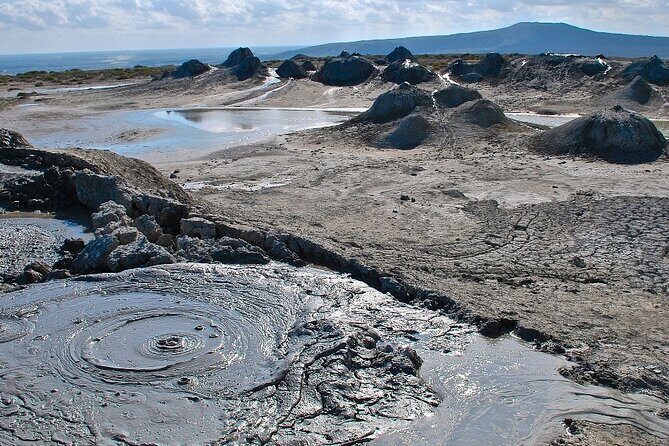
- Mud volcanoes at Gobustan feel otherworldly, with a short walk and old legends attached
- Rock art and cultural landscape stops give you more context than just photos
- Two fire-themed sites: Ateshgah (Temple of Fire) and Yanar Dag (Burning Mountain)
- Value at $29 is strong when you consider transport plus guide time
One Day Getting Out of Baku: Timing, Comfort, and Group Size
This is a long day, roughly 9 to 11 hours, starting in the morning and ending back at your starting point. The meeting spot is 1 Azərbaycan Prospekti, Bakı 1005, and the tour returns there again. It’s designed for people who want a full circuit without the stress of renting a car or figuring out public transport between remote sites.
Transport is air-conditioned, and the group limit of 18 matters more than it sounds. With this size, you’re more likely to get personal answers from your guide instead of hearing a quick script that never quite matches your interests. The tour also uses a mobile ticket, so you’re not stuck hunting for paper in your bag.
Because the day is long, pack for a bit of sitting in the vehicle. And since you’ll be walking short distances at several stops, wear shoes you’d trust on uneven ground. That little prep helps you enjoy the sights instead of counting minutes.
You can also read our reviews of more tours and experiences in Baku.

Stop 1: Azerbaijan’s First Oil Well and Still-Working Pumpjacks
Before the big outdoor sites, the tour makes a smart history warm-up: a stop at the world’s first oil well drilled in Azerbaijan and the world, started in 1846 and producing oil on July 14, 1848. This isn’t just trivia. Oil is part of why Baku became Baku, and it helps explain why the Absheron region has such a distinct relationship with industry, fire, and energy.
You’ll also pass Soviet-era pumpjacks that are described as still working today. That detail is worth slowing down for. Seeing the machinery in action turns the oil story from a museum label into something you can actually connect to the present.
There’s no admission ticket mentioned for this stop, so it works well as a quick, informative bridge to what comes next—mud, then prehistory, then fire.
Mud Volcanoes at Gobustan: Moon-Like Ground and Old Folklore
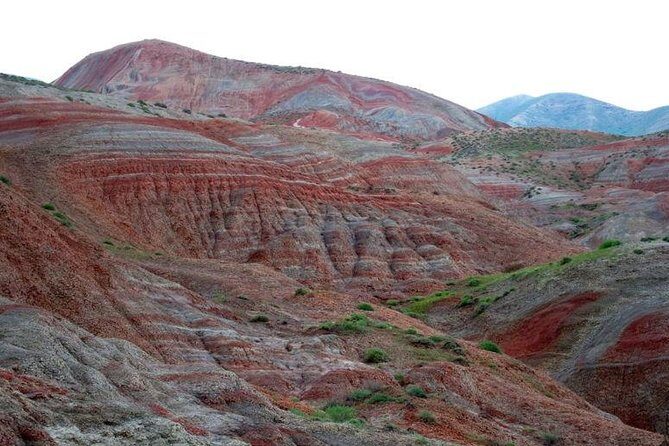
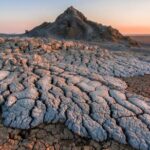
The mud volcanoes stop is where the day starts feeling like a different planet. The area is described as an active mud volcano zone for hundreds of years, with bubbling mud creating a surreal surface that looks close to the moon.
You’ll get about 1 hour here, and it includes the mud volcano admission ticket. There’s also a trail that’s short but scenic, and the folklore adds personality. Locals once believed the area was tied to jinn (demons) in Azerbaijani culture. Whether you take that as myth or just atmosphere, it gives your guide a chance to explain how people made sense of a place that looks so unnatural.
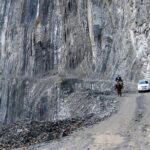
One small bonus mentioned in reviews: sometimes the ride to the mud volcano area includes older four-wheel vehicles. You shouldn’t assume that will happen, but it’s a reminder that the operator may adjust transport to keep the experience interesting and practical.
Gobustan Rock Art and the “First Cro-Magnons” Cultural Landscape
Gobustan is the emotional center of this tour for a lot of people, because it turns prehistory from a chapter in a book into actual images on rock.
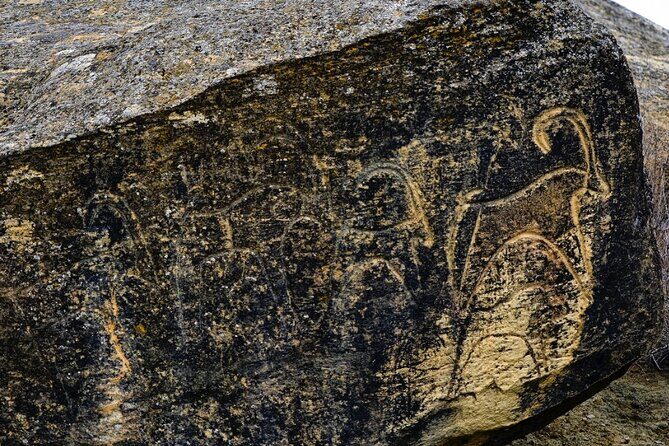
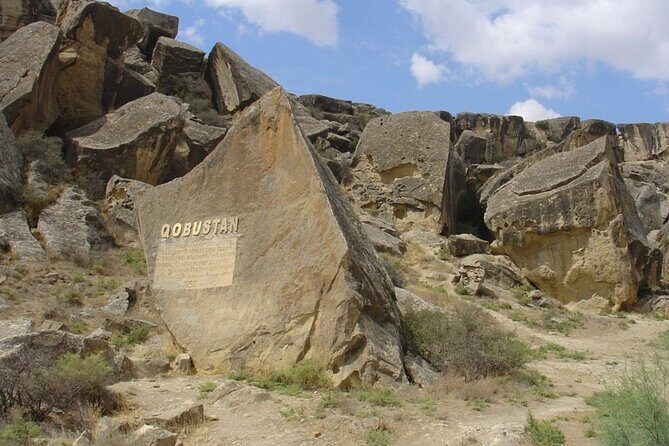
At the Gobustan rock art stop, you get about 1 hour to explore the site and walk around the heritage area with your guide. You’ll see prehistoric man’s rock paintings across the territory, and your guide will tell stories about human evolution—survival skills, harsh living conditions, and how daily life may have shaped what people carved and painted. If you like explanations that connect “then” to “now,” this is where you’ll feel it.
Right after that comes Gobustan Rock Art Cultural Landscape, including a modern museum stop first. The museum helps you understand what you’re seeing outdoors, including how early humans lived in that region. The tour also describes this area as connected to the village of the first Cro-Magnons, presented as a historical idea, with the museum acting as your interpretation base.
A practical note: admission tickets for these rock art-related stops are listed as not included, so if you’re budgeting tightly, confirm the exact ticket situation when you book. The walk is usually manageable, but your time will feel most valuable if you’re ready to listen—this is not just a photo stop.
Baku Restaurant Lunch: A Proper Break Before Fire Sites
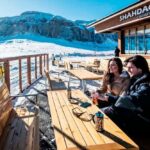
After the rock art and museum context, you’ll head back into Baku for lunch at a park restaurant called Baku Restaurant. You’re scheduled for a traditional three-course lunch plus tea, with about 1 hour for the meal.
This stop is valuable because it breaks up a full day that would otherwise be nonstop. Also, it gives you a chance to eat food that’s meant to fit a visitor schedule, not a random grab-and-go hunt. Reviews strongly praise the meal itself as part of the reason the tour feels worth the money.
Here’s the balance check: the tour details show an inconsistency. The overview describes lunch as included, while the detailed list marks lunch under not included. I treat that as a booking-confirmation item, not a dealbreaker—your best move is to ask whether lunch is truly covered at purchase time.
If you’re worried about pacing, one review mentioned slow lunch service. So, if you’re the type who gets impatient in lines, arrive hungry and keep your expectations realistic for a set menu.
Ateshgah Fire Temple and Yanar Dag Burning Mountain Finale
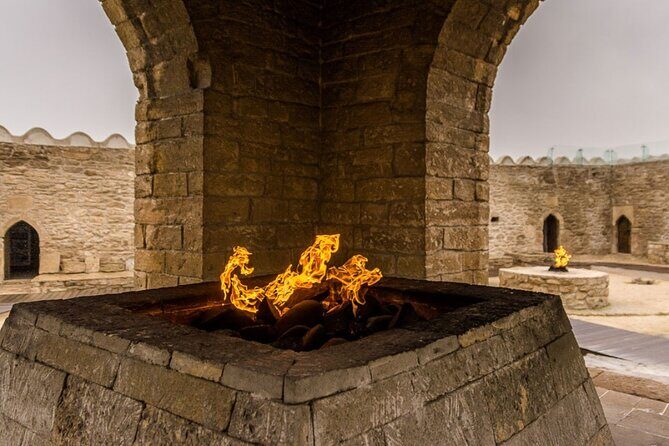
Absheron’s fire theme is the payoff. After lunch, the tour switches from prehistory to places famous for flame—sites built around the idea that fire can come from the ground.
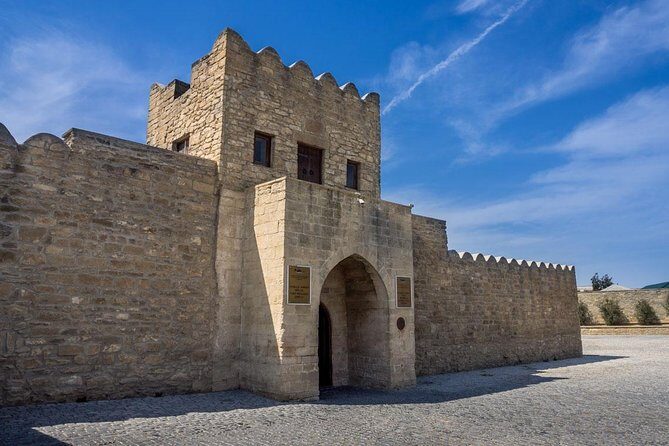
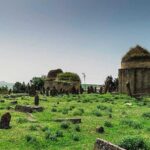
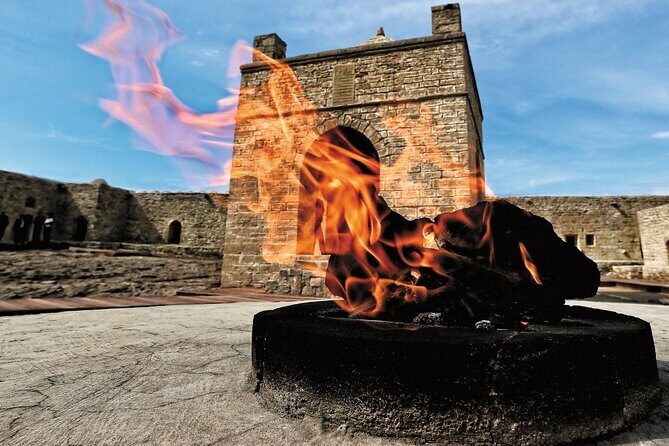
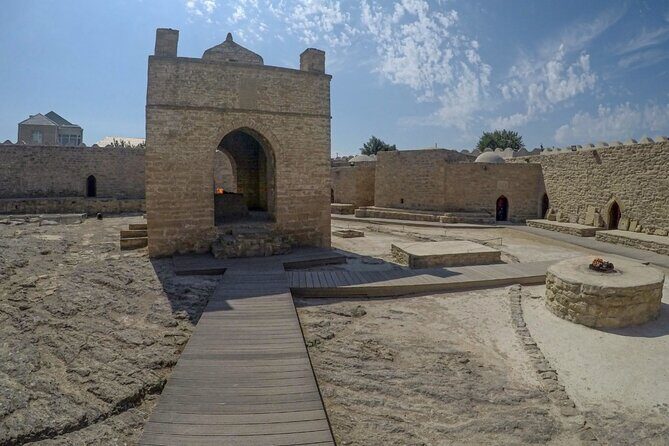
First is Ateshgah, the Fire Temple, scheduled for about 30 minutes. The tour description links Absheron’s fire tradition to long centuries of flames appearing from the ground. It also mentions that Hindu Brahmanites and Persian Zoroastrians built a temple there, giving it the name Ateshgah. Even if you don’t track religions closely, you’ll likely appreciate how the site reflects trade routes and shared beliefs.
The same stop also includes mention of a caravanserai, built for merchants to rest during travel. That matters because it turns the fire temple from just a single structure into a fuller “people and movement” story—why a temple existed in the first place, and who needed it.
The grand finale is Yanar Dag (Yanardag), the Burning Mountain, with about 1 hour on site. Fire flames burst from the ground in a way that’s described as dramatic enough to earn the name meaning burning mountain. You’ll also get viewpoints for a broad look around the area, which helps the experience feel bigger than just a flame spot.
A key budget detail: admission tickets for both Fire Temple and Yanardag are listed as not included. Still, this is one of those days where even if you add a ticket or two, the mix of sites is hard to beat for the price level.
Price, Value, and What You Should Confirm Before You Go
At $29 per person, the core value is in three things that are clearly included:
- Air-conditioned transport
- A professional guide in English and Russian
- A planned day route linking multiple major stops without you doing the logistics
The “value math” gets tricky because the material you receive doesn’t fully agree on whether everything else is covered. The overview says lunch and entrance fees are included, but the detailed listing says lunch and multiple attraction tickets are not included (including open-air museum, Fire Temple, Yanardag, and a natural history exhibition, while mud volcanoes are listed as included).
So my advice is simple and very practical: before payment, confirm exactly which tickets you pay for on your side versus which are handled for you. That one check prevents surprise spending and removes stress on a day that’s already long.
Where you’ll likely feel the payoff: guide quality and organization. Reviews consistently praise guides like Nazpəri Həsənzadə (Naz) and Emir for clarity and for making the day feel organized and reliable. There are also comments that the tour may run with very small numbers (even ending up private in one case). That’s the kind of scenario where a low price can feel unusually good.
Should You Book the Gobustan–Absheron Tour?
Book it if you’re a first timer in Baku and want a single-day plan that covers mud volcanoes, rock art, and fire sites. This is also a great match if you like guided storytelling—this day is built for someone who enjoys hearing what things meant, not just collecting images.
Skip it or book with extra care if you’re strict about included meals and included tickets, because the information can conflict and you don’t want to guess. Also, if you dislike a fast pace, note that one negative review complained about a harsh, monotone style that made the experience unpleasant. Most feedback is strongly positive, but your best protection is to know the tour runs on a schedule.
If you handle the ticket/lunch confirmation up front, this is a strong-value day trip. You get a rare combo: prehistoric art, strange natural geology, and flame-driven heritage—all reachable from Baku without the headache of piecing it together yourself.
FAQ
How long is the Gobustan–Absheron tour?
It runs about 9 to 11 hours, from a morning start to a late evening return to the meeting point.
Where does the tour start and end?
The tour starts at 1 Azərbaycan Prospekti, Bakı 1005, Azerbaijan and ends back at the same meeting point.
What group size is this tour?
The tour is capped at a maximum of 18 travelers.
Is there a vegetarian option?
Yes. A vegetarian option is available, and you should advise the operator at the time of booking.
Is lunch and are entrance tickets included in the price?
The overview says lunch and entrance fees are included, but the detailed list also shows lunch and tickets for several sites as not included. Mud volcanoes are listed as included, while other admissions (like the open-air museum, Fire Temple, Yanardag, and the natural history exhibition) are listed as not included. Confirm what’s covered when you book.
Do I get a mobile ticket?
Yes, the tour uses a mobile ticket.
Can I cancel for free?
Yes. Free cancellation is available up to 24 hours in advance for a full refund.