REVIEW · BAKU
Baku: Gobustan-Absheron Tour with Hotel PICK UP and DROP OFF
Book on GetYourGuide →Operated by Azerbaijan and Georgia Heritage Tours · Bookable on GetYourGuide
One day in Baku can feel like you traveled through time. This tour stacks Gobustan petroglyphs with the live spectacle of Yanar Dag natural gas flames, plus a mix of religious history and modern Baku. I especially liked how the day moves from prehistoric rock art to sites still connected to fire and faith. The one thing to plan for is the pace: expect a full day with a moderate amount of walking, and it’s not suitable for wheelchair users.
I also like that the experience is built around clear, memorable stops, each with a reason for being on the route. Starting at the Bibihaybat Mosque gives you a strong sense of Azerbaijani spiritual architecture before you hit UNESCO-style natural history in Gobustan. You’ll likely have a friendly, helpful guide (names you may run into include Mr. Bagirpur, Mehri, Yashar, Azay, and Elshad), and they’ll make the sites easier to understand as you go. The schedule includes hotel pickup and a comfortable air-conditioned coach, which matters when you’re doing multiple sites in one day.
In This Review
- Quick highlights you should care about
- From Bibihaybat Mosque to Gobustan: the morning rhythm
- Gobustan National Park petroglyphs: why these rocks feel alive
- Mud volcanoes and the off-road car fee you must plan for
- Bibihaybat Mosque: a spiritual landmark worth a slower look
- Ateshgah Fire Temple: the site where fire pulled people in
- Yanar Dag Fire Mountain: year-round flames and best timing
- Heydar Aliyev Centre: finishing with Baku’s modern face
- Price and logistics: how the low base price really works
- What the full day feels like in real life
- Comfort, weather, and what to bring
- Guide quality: the human difference on this route
- Who should book this tour, and who might skip it
- Should you book Baku: Gobustan–Absheron with pickup and drop-off?
- FAQ
- FAQ
- What does the tour include?
- What entrance fees should I expect to pay?
- Is there an extra fee for mud volcanoes?
- Are meals included?
- Is there walking on this tour?
- What should I bring?
- What languages are available?
Quick highlights you should care about
- Gobustan National Park petroglyphs: prehistoric scenes you can actually stand in front of
- Mud volcano stop + off-road ride: close-up geology with a mandatory extra car fee
- Ateshgah Fire Temple visit: a worship site tied to natural gas flames
- Yanar Dag Fire Mountain: a continuous hillside flame you can see year-round
- Heydar Aliyev Centre: a modern-design finish to the day
From Bibihaybat Mosque to Gobustan: the morning rhythm
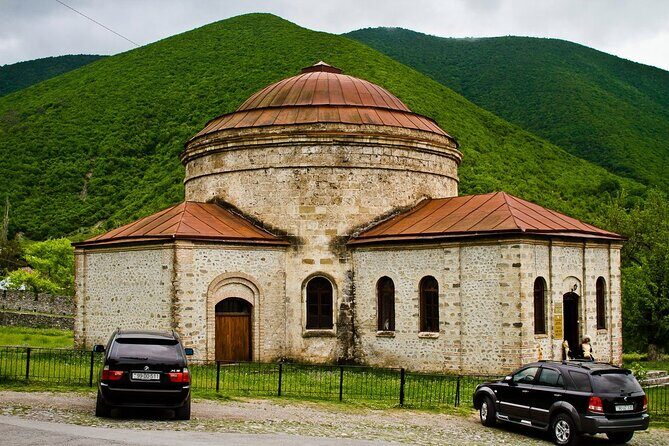
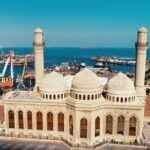
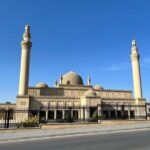
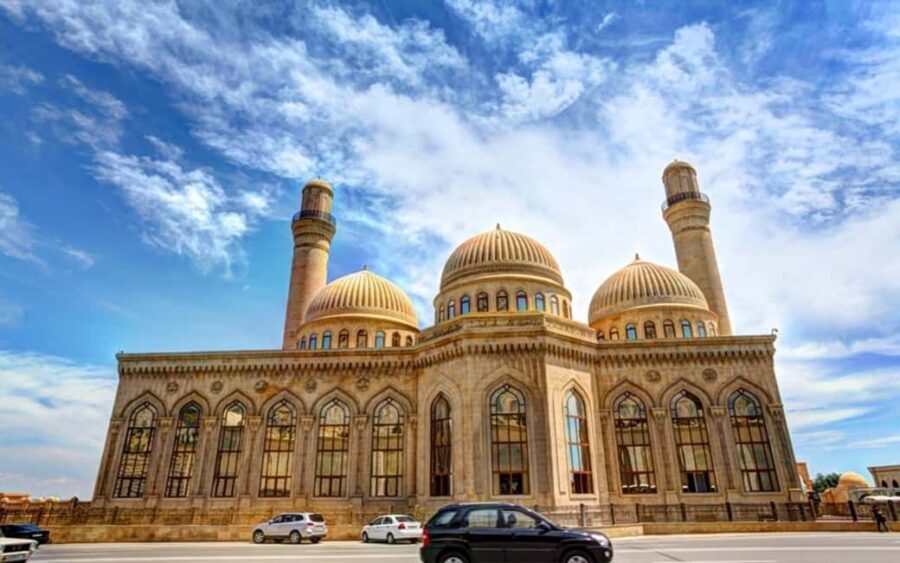
The day starts with Bibihaybat Mosque, a spiritual landmark with real history behind its walls. It was originally built in the 13th century, then reconstructed in the 1990s. That matters, because you’re not only looking at pretty architecture—you’re seeing how cultural landmarks survive by being rebuilt and re-loved.
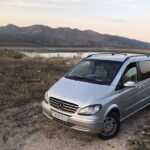
After that, you’re ready for a big shift: prehistoric art and natural phenomena. The coach ride between stops helps you reset. It’s also a practical advantage if you’re traveling on a tight schedule in Baku and want one organized day that covers multiple regions of the Absheron area.
A few more Baku tours and experiences worth a look
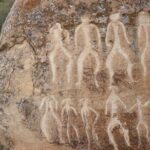

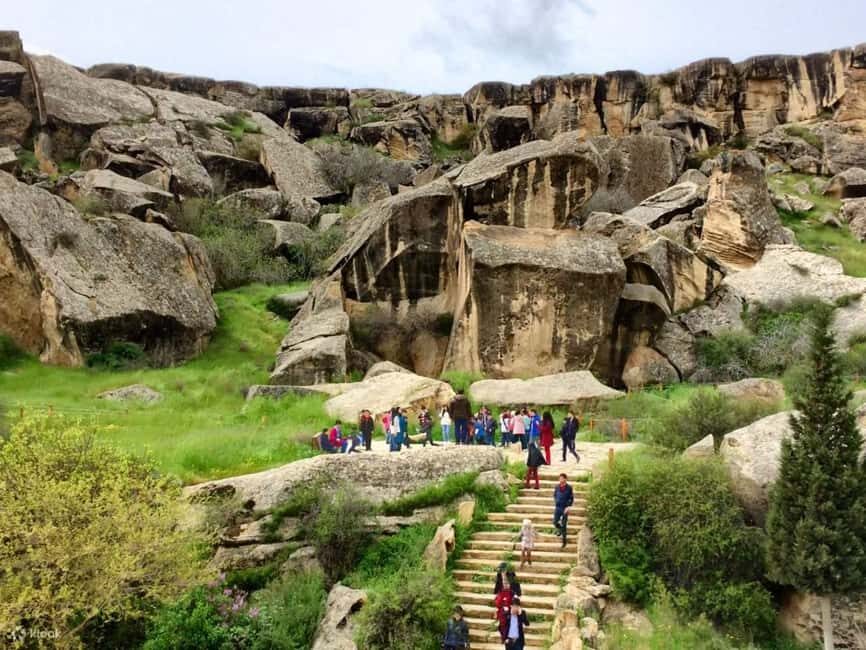
Gobustan National Park petroglyphs: why these rocks feel alive
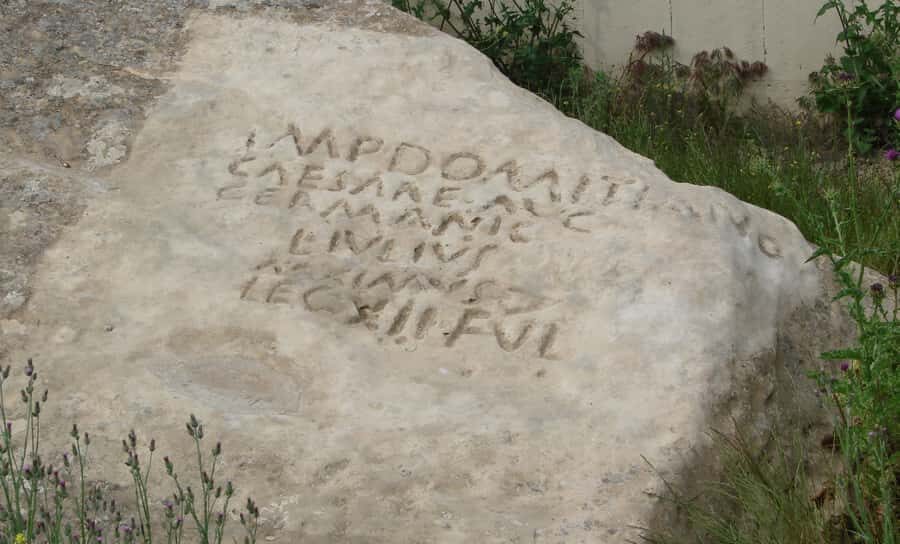
Gobustan National Park is one of the main reasons to pick this tour. You’re looking at ancient petroglyphs—rock carvings that date back thousands of years. The scenes aren’t abstract. They show day-to-day life: hunting, dancing, and rituals. Standing there, the carvings start to feel less like museum history and more like a long-ago visual diary.
This is also where your guide can turn the visit from looking at rocks into understanding context. I like that the tour doesn’t treat Gobustan like a quick photo stop. You get time to take it in, ask questions, and connect what you see to the broader story of Azerbaijan’s past.
One small practical point: bring comfortable shoes. The ground and walking areas in parks like this can be uneven, and you’ll want sure footing before you start focusing on details in the rock art.
Mud volcanoes and the off-road car fee you must plan for
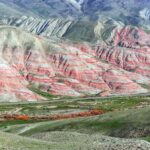
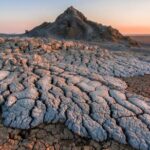
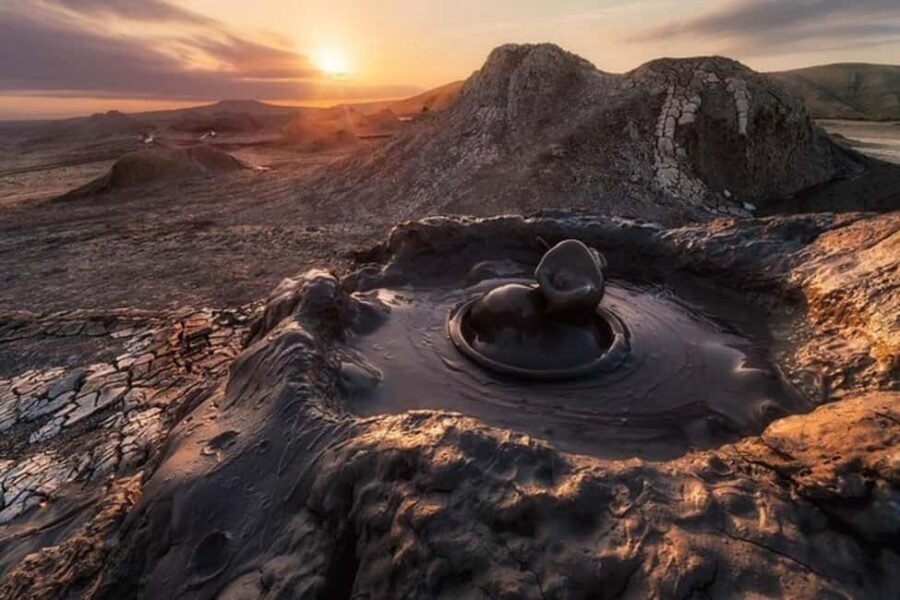
Gobustan isn’t only about carvings. Azerbaijan has nearly half of the world’s mud volcanoes, and this area gives you a chance to see them up close. It’s a strange, fascinating kind of geology: you’re basically witnessing the Earth doing its own slow-motion performance.
Here’s the part you should budget for from the start. There’s a mandatory 30 AZN (cash) off-road car fee for getting to the mud volcano area, collected at the start to avoid delays. If it rains, you won’t skip the mud-volcano experience—you’ll go to the Mud Volcanoes Complex, and the mud volcano fee stays the same.
In a day built around multiple paid elements, this fee is the biggest “surprise cost” risk—so don’t go assuming the advertised price covers everything.
Also, expect that the ride to the site is part of the fun. One highlight from guides and groups on this route is the off-road ride experience, sometimes described as an antique-style car journey. Either way, you’re not just viewing the volcanoes from a viewpoint—you’re getting transported to where they’re actually happening.
Bibihaybat Mosque: a spiritual landmark worth a slower look
Bibihaybat Mosque can be easy to overlook if your mental map of Azerbaijan starts only with Baku’s modern side. I think it’s a smart first stop because it sets the tone: you’re in a place where faith and heritage are part of the everyday city story.
The big detail here is continuity. Built in the 13th century and reconstructed in the 1990s, it’s a reminder that landmarks aren’t frozen in time. They’re maintained, rebuilt, and carried forward.
If you like architecture and want a meaningful start before the heavier scenery of Gobustan, this mosque works. It also gives your group a calmer entry point before the day ramps up with outdoor stops.
Ateshgah Fire Temple: the site where fire pulled people in
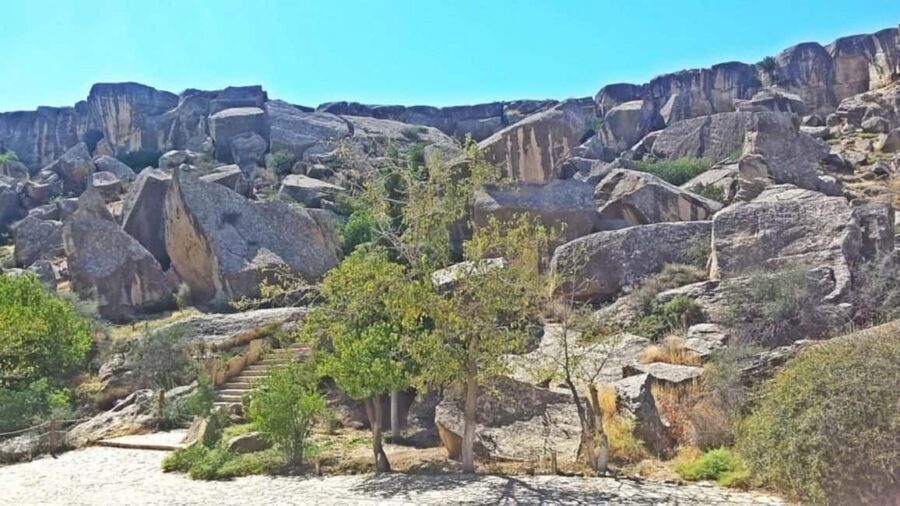
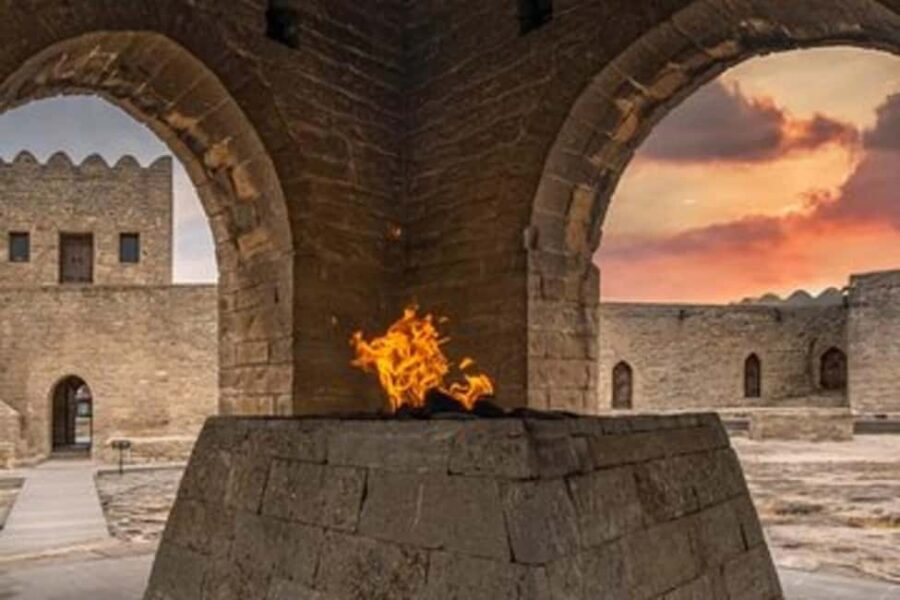
Then comes Ateshgah Fire Temple on the Absheron Peninsula. This is one of those places where natural forces explain human history better than any textbook.
Ateshgah has been a worship site for centuries, with Zoroastrians, Hindus, and Sikhs drawn here by the natural gas flames. That religious mix is a big part of why the site feels important: it’s not a single-story monument. It’s a shared reference point for multiple faith traditions that responded to the same phenomenon.
The tour includes a guided visit of Ateshgah Fire Temple, plus Yanar Dag later. That helps, because the meaning of the site is tied to what you’re seeing and where the flames come from. Without a guide, it can still be impressive—but with one, it turns into a story you can follow.
Yanar Dag Fire Mountain: year-round flames and best timing
Yanar Dag is the “Fire Mountain,” and it earns the name. This is natural gas fire burning continuously on a hillside for thousands of years. And unlike a stage effect, it’s not something that turns off. It’s there as a real-world phenomenon.
Timing helps here. At dusk, the flames look especially dramatic—dancing on the rocks and lighting up the area. Even if you arrive earlier, you’ll still get the core experience: the sight of a flame you don’t need to light.
This is also why I think this stop is worth it even if you’ve seen photos. The scale and the feel of the hillside setting make a difference. It’s one of the few places on earth where this kind of natural gas fire can be observed year-round.
Heydar Aliyev Centre: finishing with Baku’s modern face
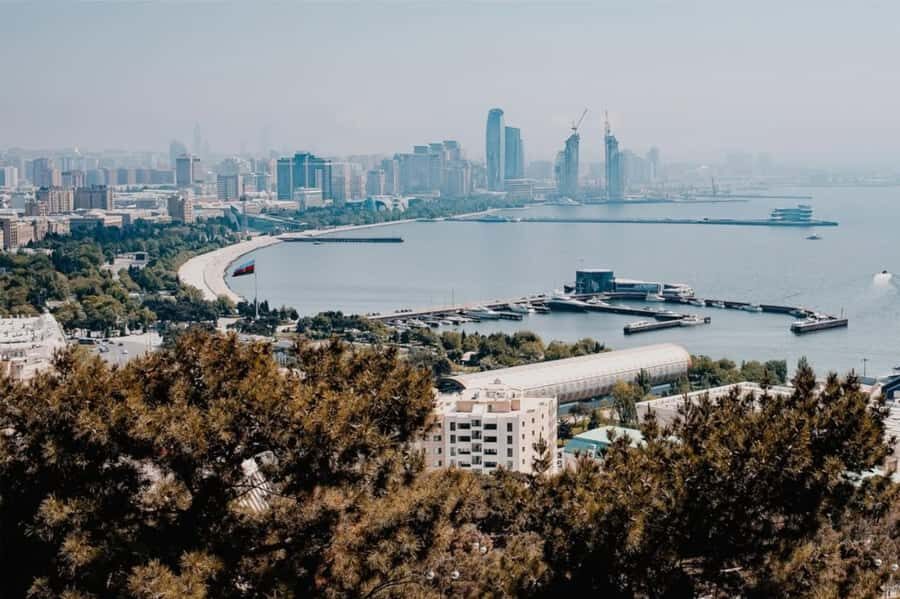
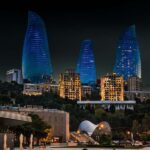
After the fire-themed stops, you end with the Heydar Aliyev Centre, one of Baku’s most iconic modern landmarks. This is a nice contrast: ancient rock art and earth-driven flames on one side, then a bold design statement on the other.
I like this kind of close. It gives you a visual reminder that Azerbaijan isn’t only about old stories—you’re also seeing how the country projects identity through modern architecture. If you enjoy design or just want a clean visual “wrap” to the day, this final stop delivers.
Price and logistics: how the low base price really works
The headline price is listed at $6 per person, which sounds like a steal. Here’s the practical truth: several essential costs are separate from that base number.
You’ll need tickets for:
- 10 AZN National Park (card payment accepted)
- 15 AZN Fire Temple and mountain combo ticket (card payment accepted)
And you’ll need cash for:
- 30 AZN off-road cars for mud volcanoes (mandatory, collected at the start)
Meals and drinks are not included, and personal expenses are on you. So the best way to think about value is this: the tour covers the heavy lift—transport, pickup/drop-off, and guided visits—while you pay entry/tickets that directly tie to the sites.
At the same time, this is still often good value because you get a full-day structure. You’re not trying to coordinate multiple sites across Absheron on your own in the same day, and you’re not paying separate guides for each stop.
One more logistics detail: the tour languages include English, Russian, Italian, and Spanish. That helps if you don’t want to rely on signboards for everything.
What the full day feels like in real life
This is a full-day excursion, and the pace can feel busy because you’re moving across very different environments: mosque, park rock art, mud volcano area, fire temple and fire mountain, then a modern cultural stop.
That busy feel isn’t automatically bad. It’s the trade-off you’re choosing when you want a “covers a lot” day. The upside is that you finish with a broad picture of Azerbaijan—natural history, prehistoric human life, spiritual traditions shaped by nature, and contemporary Baku.
A small note on food. Since meals and drinks aren’t included, you’ll be choosing lunch yourself (or whatever restaurant stop the group uses). One real-world caution: one lunch experience on this kind of route can be slow and full of tour groups. If you’re picky about service, plan for a simple meal and expect crowds.
Comfort, weather, and what to bring
You’ll want to be ready for outdoor time and changing light. The tour guidance is clear: wear comfortable walking shoes, and bring warm clothing. Even in nicer months, outdoor stops can get cooler once you’re near hillsides and you’re waiting around for dusk.
Other practical picks:
- Bring water to stay hydrated
- Bring a camera
- Check the weather forecast
Also, the tour rules are straightforward: no smoking, and no alcohol or drugs.
If you’re the type who runs cold easily, don’t gamble. Yanar Dag and the surrounding area can feel different from the city, and you’ll thank yourself for packing layers.
Guide quality: the human difference on this route
One of the strongest themes from this experience is guide support. The names that show up again and again include Mr. Bagirpur, Mehri, Yashar, Azay, and Elshad. The common thread is friendliness plus problem-solving.
For example, Azay and Elshad are described as friendly and professional, with guides able to explain culture and history clearly without making it heavy. Mehri gets praised for staying helpful through the whole day. And Mr. Bagirpur is specifically noted for assisting with communication when something personal came up.
That kind of support matters on a trip like this, because you’re juggling multiple sites with different “languages”—religion, geology, prehistory, and modern architecture. A good guide helps you connect the dots.
Who should book this tour, and who might skip it
This tour is a good match if you:
- Want a structured, one-day sweep of Gobustan + Absheron
- Like mixing natural sites with cultural stops
- Prefer having a live guide rather than figuring everything out alone
- Enjoy a day with moderate walking and outdoor viewing
It may not be ideal if you:
- Need wheelchair access (it’s not suitable for wheelchair users)
- Hate fast-paced days with multiple stops and ticket payments
- Want meals included as part of the package (meals aren’t included)
Should you book Baku: Gobustan–Absheron with pickup and drop-off?
If you want value and variety in one day, I think this tour makes sense—especially because the route connects the prehistoric world of Gobustan with natural fire phenomena you can still see happening. The guided component at Ateshgah and Yanar Dag is a strong selling point, and the Heydar Aliyev Centre finish adds a modern anchor to balance the older stops.
Just go in with your eyes open about costs. Plan for the National Park ticket, the fire temple + mountain ticket, and the 30 AZN cash off-road car fee for mud volcano access. If you handle that part up front, the rest of the day is a smooth, efficient way to see a lot of Azerbaijan without turning your travel day into a logistics puzzle.
FAQ
FAQ
What does the tour include?
It includes a guided tour of Ateshgah Fire Temple and Yanar Dag, transportation by air-conditioned coach, a live tour guide, and hotel pickup.
What entrance fees should I expect to pay?
You should plan for 10 AZN for the National Park and 15 AZN for the Fire Temple and mountain combo ticket. Card payment is accepted for both.
Is there an extra fee for mud volcanoes?
Yes. There is a mandatory 30 AZN off-road car fee for the mud volcanoes, collected at the start in cash. If it rains, you’ll visit Mud Volcanoes Complex and the mud volcano fee is the same.
Are meals included?
No. Meals and drinks are not included, so you’ll need to budget for lunch and snacks.
Is there walking on this tour?
Yes. There is a moderate amount of walking, so comfortable shoes are important.
What should I bring?
Bring comfortable shoes, warm clothing, water, and a camera.
What languages are available?
The tour is offered in English, Russian, Italian, and Spanish.