REVIEW · BAKU
From Baku: Yanar Dag, Gobustan and Absheron Day Trip
Book on GetYourGuide →Operated by AzPremium Travel · Bookable on GetYourGuide
Gobustan and Absheron is a rare combo day: ancient stone + ground-sizzling natural gas. I like how the trip pairs UNESCO rock carvings with the physical weirdness of mud volcanoes, then caps it with the surreal flames at Yanar Dag. One thing to plan for: several parts are paid separately, and you’ll want cash ready on the day.
From Baku, you ride in an air-conditioned vehicle with a professional English or Russian-speaking guide, then move between two different worlds. The format is efficient, and the guides (including people like Murad and Yusif) tend to keep the timing moving so you don’t feel rushed or lost. The main drawback is simple: entrance tickets and the mud volcano off-road fee add up, so the $5 price only tells part of the story.
In This Review
- Key things I’d anchor on before you go
- Gobustan and Absheron as a single-day “wow” route
- Gobustan National Park: rock art that feels shockingly close
- Mud volcanoes: the science-y detour you’ll actually remember
- The one logistics detail: pay cash early for the off-road cars
- Ateshgah Fire Temple on Absheron: where worship meets gas
- Yanar Dag (Burning Mountain): the flames that don’t feel staged
- Price and value: how the $5 fare really works
- What the guides add: Murad’s humor and Yusif’s detail
- What to bring, what to expect, and what to skip
- Should you book the Gobustan and Absheron day trip from Baku?
- FAQ
- What is included in the tour price?
- Are entrance tickets included?
- How much is the mud volcano off-road car fee?
- What should I bring for the day?
- What happens if it rains?
- What languages are the guides available in?
Key things I’d anchor on before you go
- UNESCO Gobustan rock art: thousands of petroglyphs in one national park
- Absheron’s fire story: Ateshgah Fire Temple connects the region’s gas to human worship
- Yanar Dag flames: natural gas flames rise right from the ground
- Mud volcano logistics: a separate 30 AZN cash off-road car fee (collected early)
- Rain plan: if it rains, you still hit the mud volcanoes complex and the same cash fee applies
- Real-time guidance: English or Russian guides who manage each stop’s time well
Gobustan and Absheron as a single-day “wow” route
This is the kind of day trip that works because it mixes textures. You start with carvings on rock—old, human, and detailed—then shift to geology that’s doing its own thing, with mud volcanoes and burning ground nearby.
You’ll also get contrast in a practical way. Gobustan shows you time stretched in millennia, while Absheron shows you the present effect of ancient natural resources: gas rising through the earth, turning into a place people built around.
And yes, it’s a lot to fit into one day. If you’re the type who likes slow museum wandering, you may feel the pacing. But if you want variety without needing to book a second tour, this route makes strong sense.
A few more Baku tours and experiences worth a look
Gobustan National Park: rock art that feels shockingly close
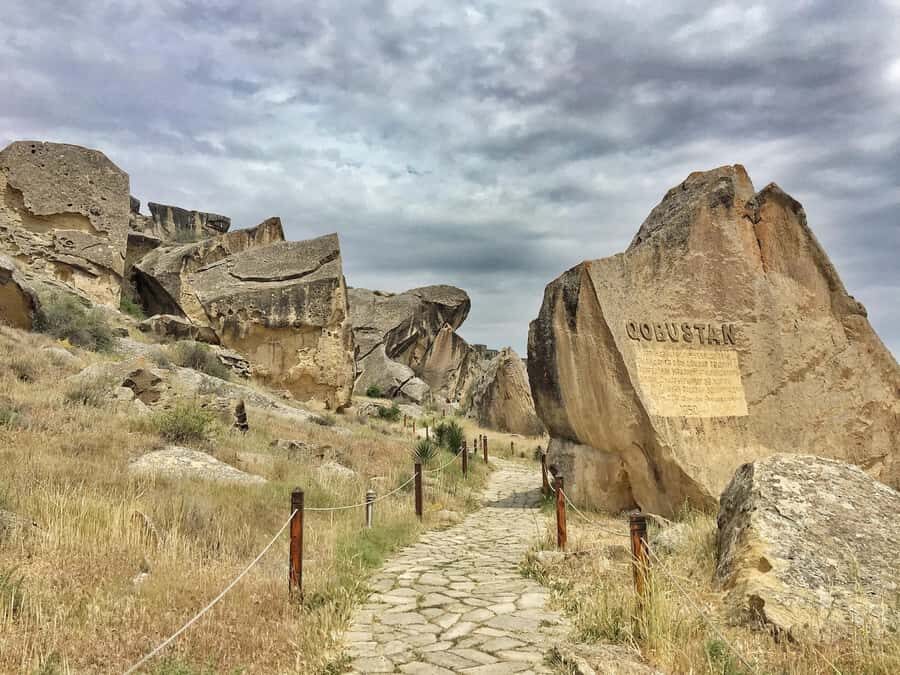
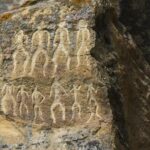
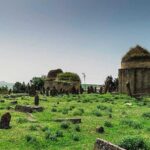
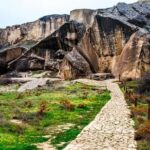
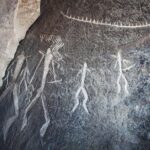
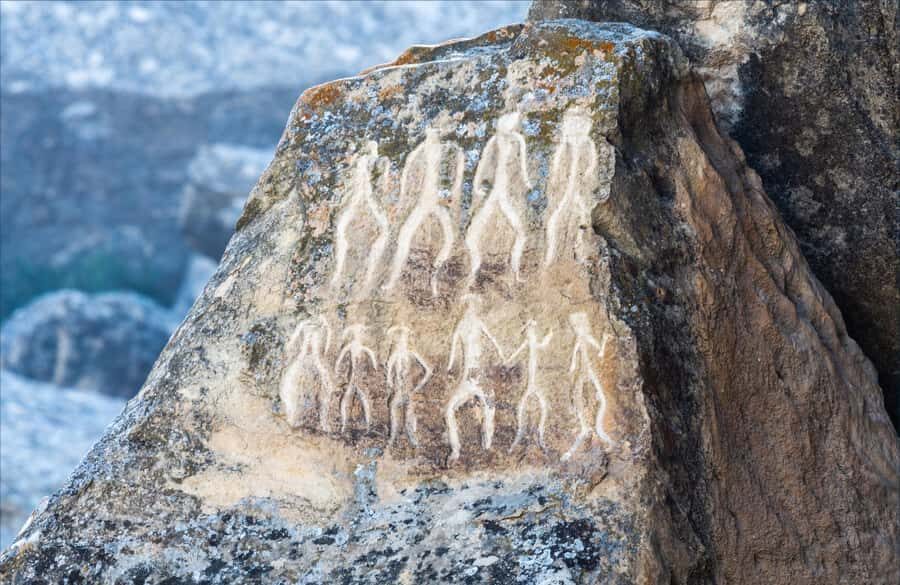
Gobustan National Park is the star act for history lovers. You’ll see ancient rock carvings and petroglyphs, and the site is recognized as part of the UNESCO World Heritage listing. The best part is how “in your face” the carvings feel once you’re there—this isn’t just a label on a brochure.
In practical terms, there’s an option for Gobustan Rock Arts tickets (10 AZN). The tour also notes that entry to Gobustan National Park is paid separately if you didn’t choose the option that includes tickets. Translation: check what you selected before you go, then bring money for the day.
What I like about doing Gobustan first is the mental ramp-up. You begin with human marks on stone, then later you’ll watch nature act like it has a pulse. That order makes the whole day feel connected.
Mud volcanoes: the science-y detour you’ll actually remember
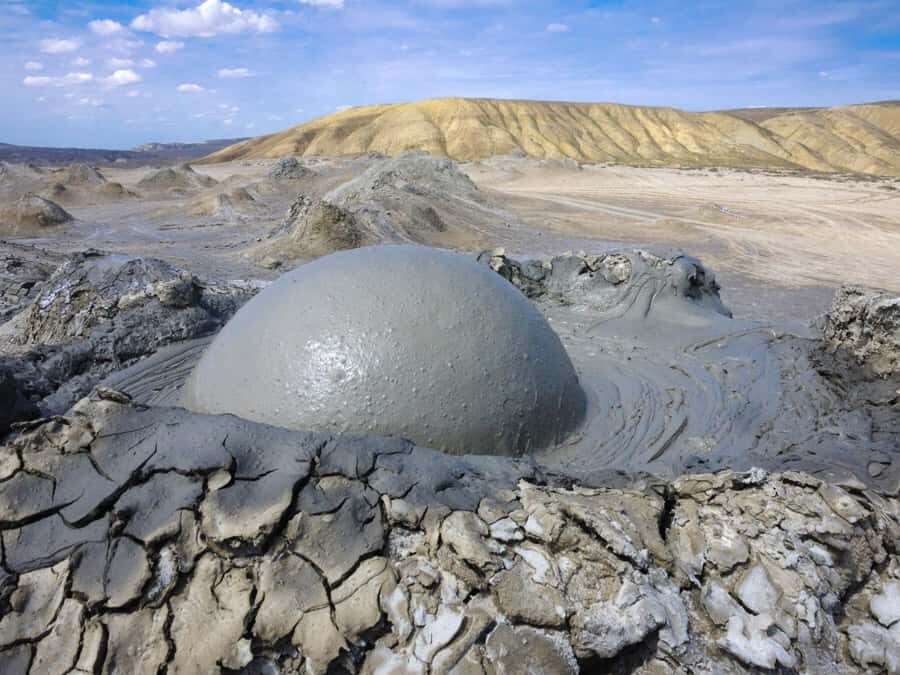
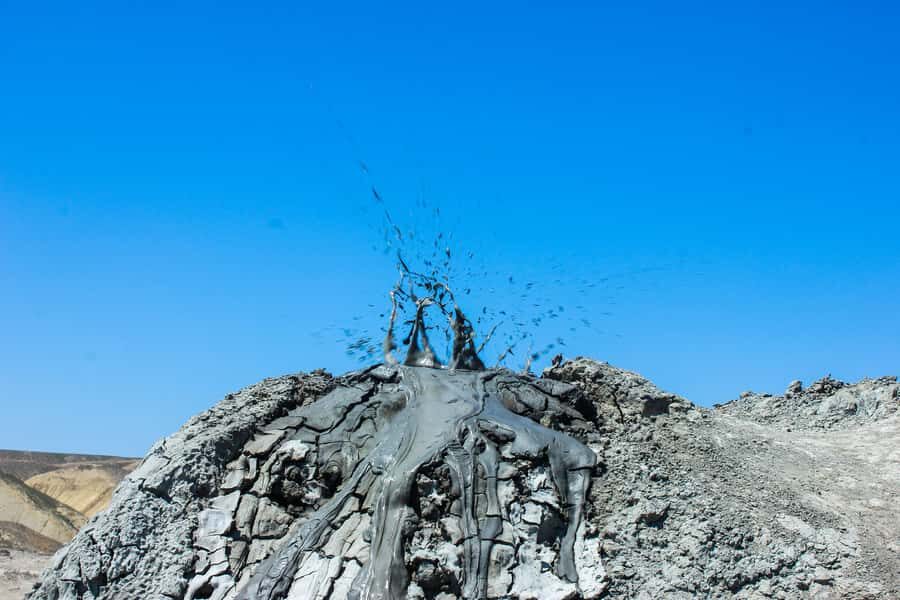
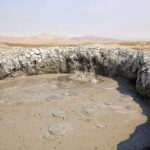
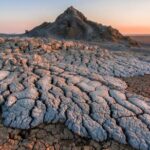
Gobustan isn’t only about ancient images. The mud volcanoes complex is a different kind of spectacle—messy, active, and very real. Even if you’re not a geology person, it’s hard not to stare.
Here’s the practical part you should budget for. To reach the mud volcano areas, there’s a separate mandatory 30 AZN cash fee for off-road cars. The tour info says it’s collected at the start to avoid delays, and it’s described as an SUV-type transfer for that uneven terrain.
If it rains, the plan shifts rather than falling apart: you’ll go to the mud volcanoes complex, and the 30 AZN cash payment remains the same. So the takeaway is clear: rain won’t save you money here, but it can keep the day interesting.
The one logistics detail: pay cash early for the off-road cars
This tour is cheap on paper ($5), but the mud volcano portion adds the one “gotcha” cost. The fee is 30 AZN cash, and you’ll want to have it ready because it’s collected at the start.
I like that the process is designed to reduce chaos. Collecting the money up front means you’re not stuck waiting later while everyone tracks down cash. Still, you should treat it like a short deadline: get the right bills ready when the group is moving.
Also note the tour specifically lists that alcohol and drugs aren’t allowed. If you’re the type who likes to bring drinks on trips, leave that habit at home for this one.
Ateshgah Fire Temple on Absheron: where worship meets gas
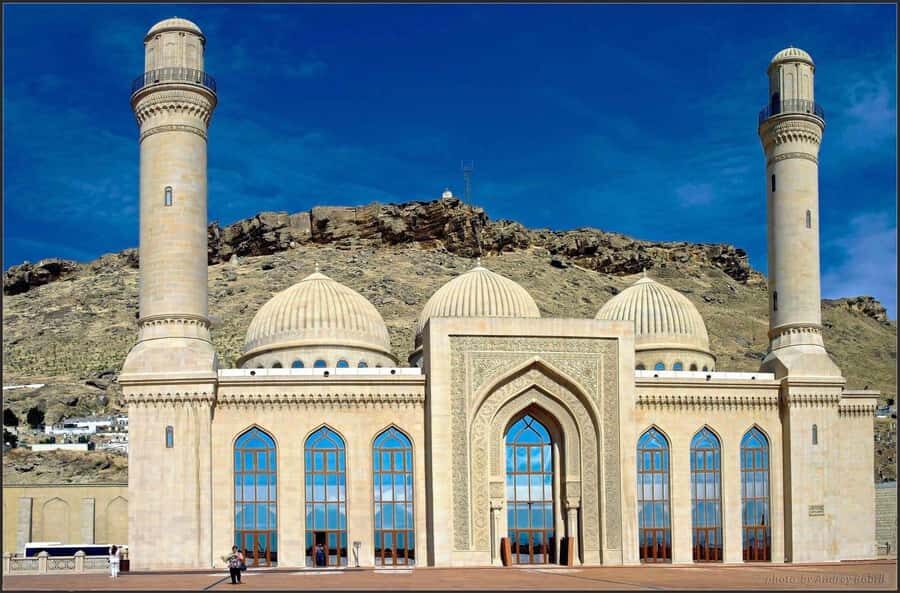
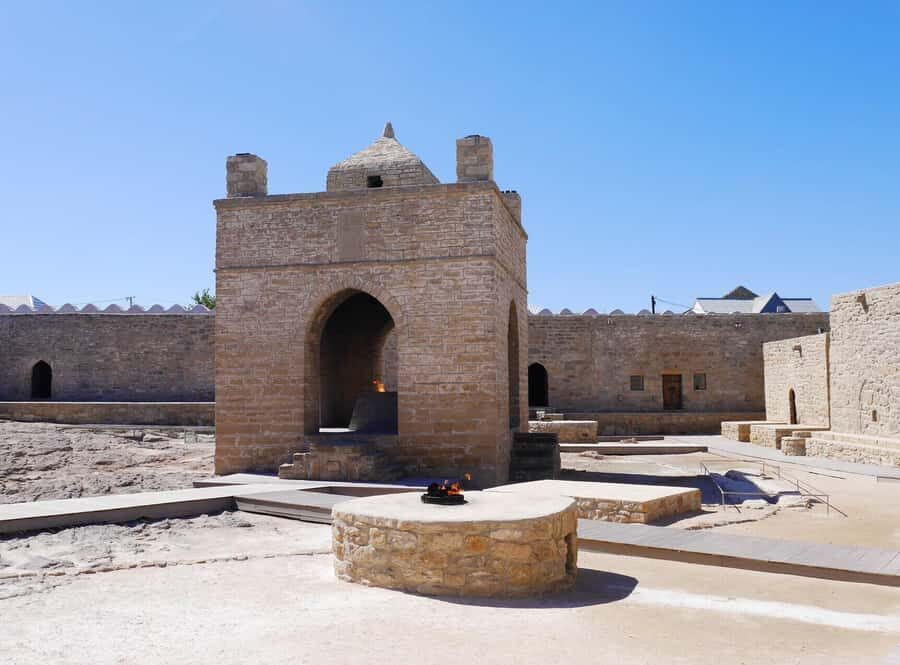
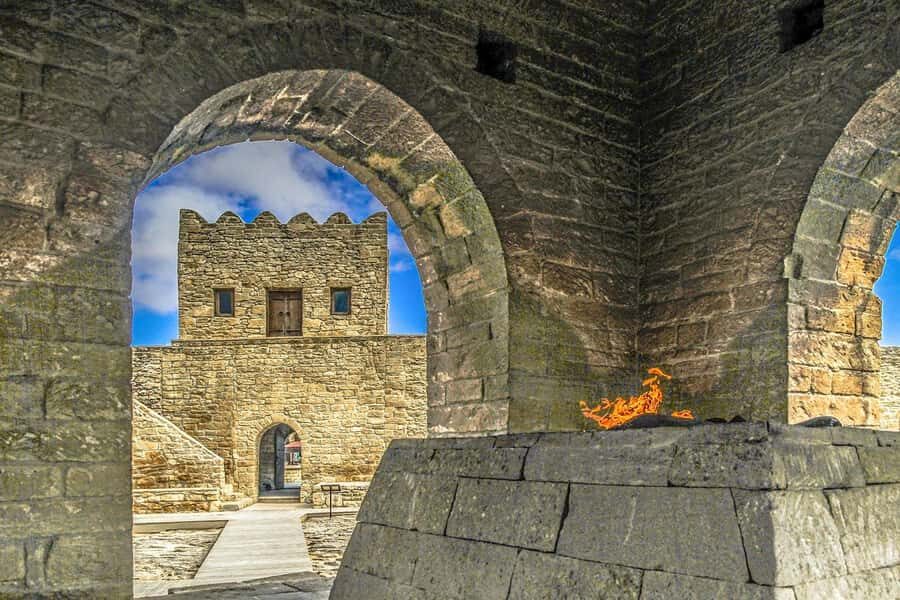
After Gobustan, you’ll head to the Absheron Peninsula for one of the region’s most famous landmarks: Ateshgah Fire Temple. The Fire Temple is tied to the area’s natural gas activity, and it’s the kind of place where you can immediately connect the geography to the human story.
There’s an entrance fee listed as 15 AZN for Ateshgah and Yanardagh (noted as optional on the price breakdown, but again: entrance tickets are paid separately if your booking doesn’t include them). If you didn’t prepay tickets, plan to cover this on-site with cash.
What makes Ateshgah valuable on a day trip is that it’s not abstract. You’re seeing how people made meaning out of a natural phenomenon that was literally coming from the ground. Even if you only spend a short time there, the location does half the explaining.
Yanar Dag (Burning Mountain): the flames that don’t feel staged
Then you get to Yanar Dag, often called the Burning Mountain. This is where natural gas flames rise from the ground, creating a visual effect that’s both simple and unforgettable. It doesn’t need big lighting or a show schedule. The earth is doing the work.
The fee information again points to 15 AZN for Yanardagh as part of the paid entrance options. As with other stops, entry tickets are separate if you didn’t choose the option with tickets included.
One reason I think Yanar Dag is worth the time is that it shifts you from “looking at the past” to “seeing an ongoing process.” You’re standing in a place where the main feature isn’t a building or artifact—it’s energy.
And yes, photos are tempting. But also take a minute to just watch the way the flames behave. They’re not uniform, and that small variation makes it feel more real.
Price and value: how the $5 fare really works
The headline price is $5 per person, and the included basics are strong for a day tour: an air-conditioned vehicle plus a professional English or Russian-speaking guide. That’s real value, especially if you’d otherwise need to coordinate multiple transport options across Baku and Absheron.
But you should treat the price as transportation + guiding. Several costs are separate:
- Entrance tickets: Gobustan National Park, Fire Temple, and Burning Mountain are paid separately if not included
- Gobustan Rock Arts ticket (10 AZN) is listed as optional
- Ateshgah and Yanardagh entrance fees (15 AZN) are listed in the breakdown
- Mud volcano off-road cars: 30 AZN cash mandatory (collected early)
The smart way to budget is simple: assume you’ll pay for entry and the off-road fee no matter what. Once you do that, the day feels like a high-value bundle—history, culture, and unusual natural effects in one ride.
What the guides add: Murad’s humor and Yusif’s detail
A day trip rises or falls on the guide. And in the info you shared, the guides are consistently described as warm, organized, and helpful.
Murad shows up in multiple accounts as someone who makes the day feel like a journey, with warmth and humor, not just facts rattled off. You can also see a theme of time management—one note highlights that the guide handled the time given for each place well.
Yusif is described as nice and informative, which matters more than it sounds. With Gobustan and Absheron, it’s easy to miss what you’re seeing if nobody points out what to focus on. A good guide helps you look in the right direction.
Bottom line: if you get a lively, organized guide, this tour goes from a checklist to a real day out.
What to bring, what to expect, and what to skip
This is an easy day trip in terms of packing. Bring cash and a credit card. Cash matters because the mud volcano off-road fee is listed as 30 AZN and it’s collected at the start.
You’ll also want to remember the on-the-day rules: alcohol and drugs aren’t allowed. That’s straightforward, but it’s worth noting if you’re used to casual drinking on tours.
Comfort-wise, think like you’re moving between sites quickly. Wear shoes you trust around uneven ground near the mud volcano area, because that off-road car element suggests rougher terrain. Also, keep a layer for shifting weather, since rain changes the day’s emphasis.
Should you book the Gobustan and Absheron day trip from Baku?
Yes—if you want one day that mixes UNESCO rock art, weird geology, and a real fire phenomenon in one easy route. This is especially good value when you factor in that you’re getting a guide plus air-conditioned transport, not just dropped-off tickets.
I’d skip it (or at least lower your expectations) if you hate separate ticket costs. The $5 sounds almost too good until you account for entrance fees and the 30 AZN cash off-road cars for mud volcanoes.
My practical advice for the decision:
- Book it if you love variety and can handle a “pay-as-you-go” day.
- Don’t book it if you want everything bundled into one fixed price.
- If you’re going for photos, plan extra time at Yanar Dag for calm watching, not just quick shooting.
If that sounds like your kind of day trip, this one is a strong bet from Baku.
FAQ
What is included in the tour price?
The tour includes an air-conditioned vehicle and a professional English or Russian speaking tour guide.
Are entrance tickets included?
No. Entry tickets to Gobustan National Park, the Fire Temple, and Burning Mountain must be paid separately if the ticket option wasn’t selected.
How much is the mud volcano off-road car fee?
The mandatory fee for the off-road cars to the mud volcanoes is 30 AZN per person, paid in cash at the start.
What should I bring for the day?
Bring cash and a credit card. Cash is especially important for the mud volcano off-road fee.
What happens if it rains?
If it rains, the tour will go to the Mud Volcanoes complex. The 30 AZN cash payment for the off-road cars remains the same.
What languages are the guides available in?
Guides are available in English and Russian.