REVIEW · BAKU
From Baku: Guba-Khinalig Day Trip
Book on GetYourGuide →Operated by Heritage Travel · Bookable on GetYourGuide
Hand-shaped peaks and old villages in one day. This Guba to Khinalig route strings together Five Finger Mountain views, Khinalug Village culture, and a nature hike in Qudyalchay Canyon, guided by pros like Ruzi and Russel who keep things moving.
I especially love the human touch: warm, organized guiding that doesn’t feel rushed, with drivers doing the practical work smoothly in the background. I also like how the day balances viewpoints with real local stops, including the chance to see the Khinalug Mosque and Museum after you get out of the car and actually walk.
One watch-out: weather can change fast in this part of Azerbaijan, and some viewpoints may look better on clear days. Bring a jacket and plan for cool air or sudden cloud cover so you’re not stuck feeling underdressed.
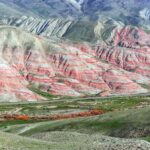
Five Finger Mountain gets you the signature hand-shaped outlook with scenic walking time.
Khinalug Village is a rare culture stop in the mountains, including the mosque and museum.
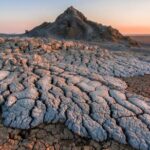
Qudyalchay Canyon delivers a proper nature break with rocks, clear water, and green plants.
Ruzi and Russel style guiding is built on enthusiasm and tight time management.
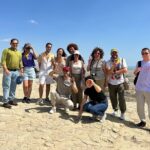
Photo service is included, so you can spend less time fidgeting with your camera.
Masdargah Waterfall is a quick stop with a clear payoff: it’s about 10 meters tall.
In This Review
- Guba to Khinalig in a Single Day: What This Tour Gets Right
- Hotel Pickup and the Route You’ll Actually Enjoy
- Five Finger Mountain: The Hand-Shaped Viewpoint Walk
- Gachrash Forest: Autumn Air, Wildlife Energy, and Easy Walking
- Masdargah Waterfall: A Small Stop With a Big Payoff
- Eagle Height (1,726 m): Where Clear Views Reward the Climb
- Khinalug Village: Culture, Mountains, and a Very Old Sense of Place
- Khinalug Mosque and Museum: What to Watch For During Your Visit
- Lunch in a Traditional House: Budget for It, and Make It Count
- Qudyalchay Canyon: Big Rocks, Clear Streams, and a Proper Walk
- Photography Service: How to Use It Without Waiting on Everyone
- Price, the 20 AZN Off-Road Fee, and Real Value
- Weather Planning: Jackets, Timing, and Calm Expectations
- Who This Guba–Khinalig Tour Suits Best
- Should You Book This Guba–Khinalig Day Trip?
- FAQ
- What is the starting point for this tour?
- How much does the tour cost?
- Is lunch included?
- Is there an extra mandatory fee?
- Does the tour include a guide and transportation?
- Is photography included?
- What languages is the tour offered in?
- Should I bring a jacket?
- What’s the cancellation and payment flexibility?
Guba to Khinalig in a Single Day: What This Tour Gets Right
This is the kind of day trip that works because it’s practical. You start with hotel pickup in Guba, then spend the day moving through a stack of sights that each have their own feel: stone and peaks, forest walking, a waterfall pause, a high viewpoint, village life, and finally a canyon hike.
I like that the itinerary isn’t just a string of photo stops. There are walking moments built in, including time to explore Khinalug Village and to hike in Qudyalchay Canyon. That turns the trip from a bus ride into an actual day outdoors, with breaks that make sense.
It’s also good value if you want someone else to handle the driving and scheduling. For $38 per person you’re paying for transport, a guide, and even a photography service—things that can add up quickly when you’re doing it on your own.
Hotel Pickup and the Route You’ll Actually Enjoy
The tour starts with pickup from your hotel in Guba and ends with drop-off back to your hotel. That matters here because the route runs across different elevations and rural roads. You’ll spend less time coordinating and more time outside.
The day runs across several distinct areas, so pacing is everything. One detail that comes up again and again is time management, with guides keeping a steady rhythm so you don’t feel like you’re always chasing the next stop. People also mention guides who keep things upbeat and organized—exactly what you want on a long day.
Language support is also a big plus. The tour is offered in English, Russian, Urdu, Turkish, Spanish, and Italian. That’s useful if you’re traveling with someone who doesn’t want the day to turn into guesswork.
A few more Baku tours and experiences worth a look
Five Finger Mountain: The Hand-Shaped Viewpoint Walk
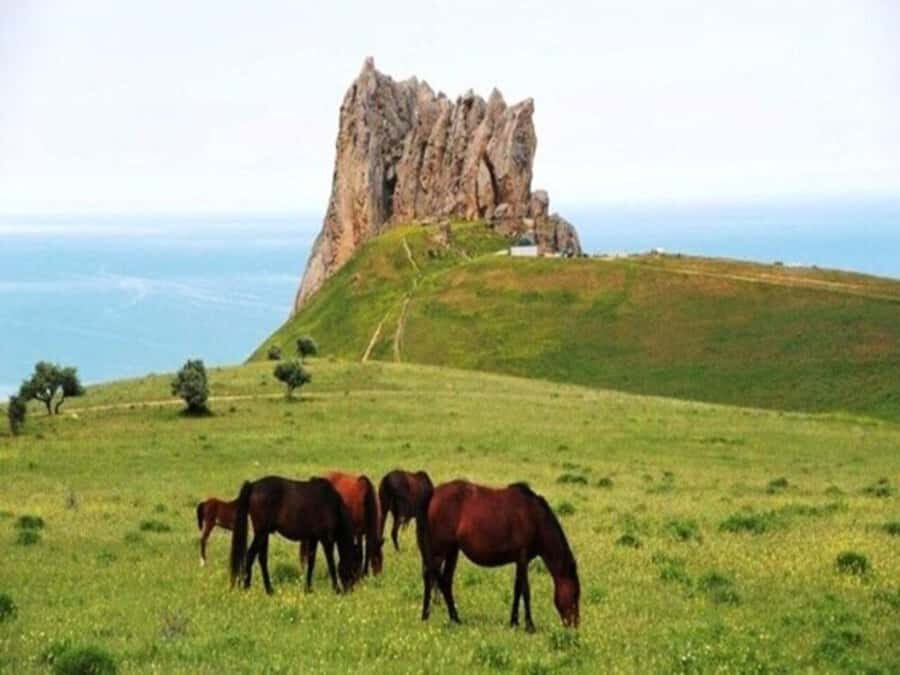
Five Finger Mountain is one of the reasons many people pick this tour, and it’s easy to see why. The famous hand-like shape is what first catches your eye, but the best part is that you get scenic walking time rather than just staring from the road.
What to expect:
You’ll stop at spots with views that make the mountain’s “fingers” obvious. There are trails for you to stretch your legs and get a few angles for photos. If the sky is clear, this can be the sort of place that makes you quietly stop talking for a minute.
A practical note: wear shoes with decent grip. Even when the trail isn’t described as extreme, mountain paths in this region can be uneven. If the weather turns cool or drizzly, traction becomes the difference between calm walking and a stressful scramble.
This is also one of the more weather-sensitive stops. If clouds roll in, you can still enjoy the hike, but the high views may look flatter.
Gachrash Forest: Autumn Air, Wildlife Energy, and Easy Walking
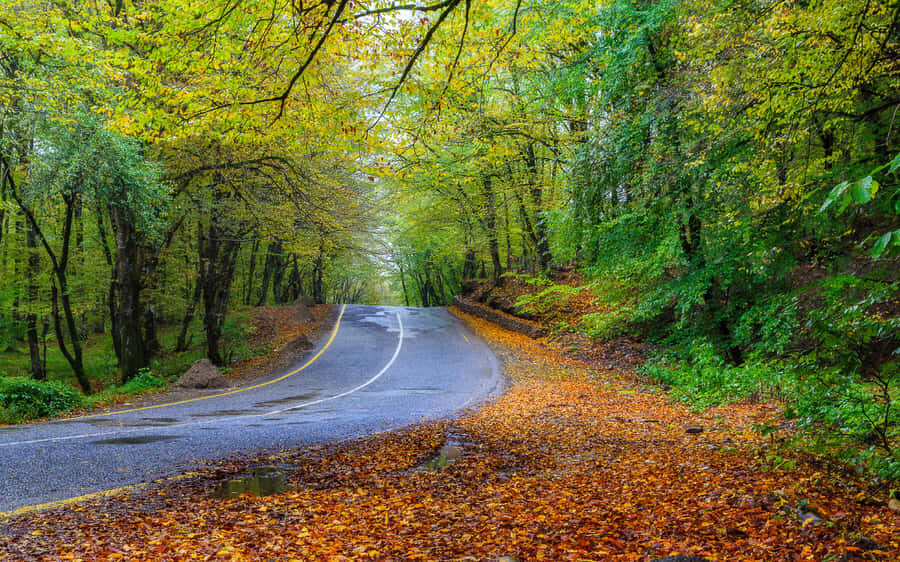
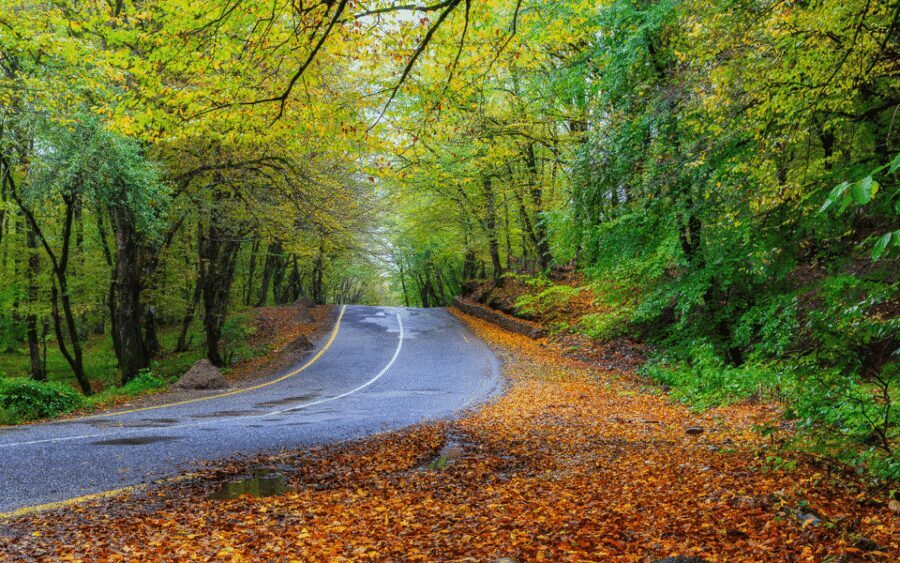
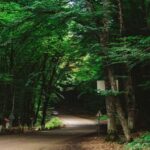
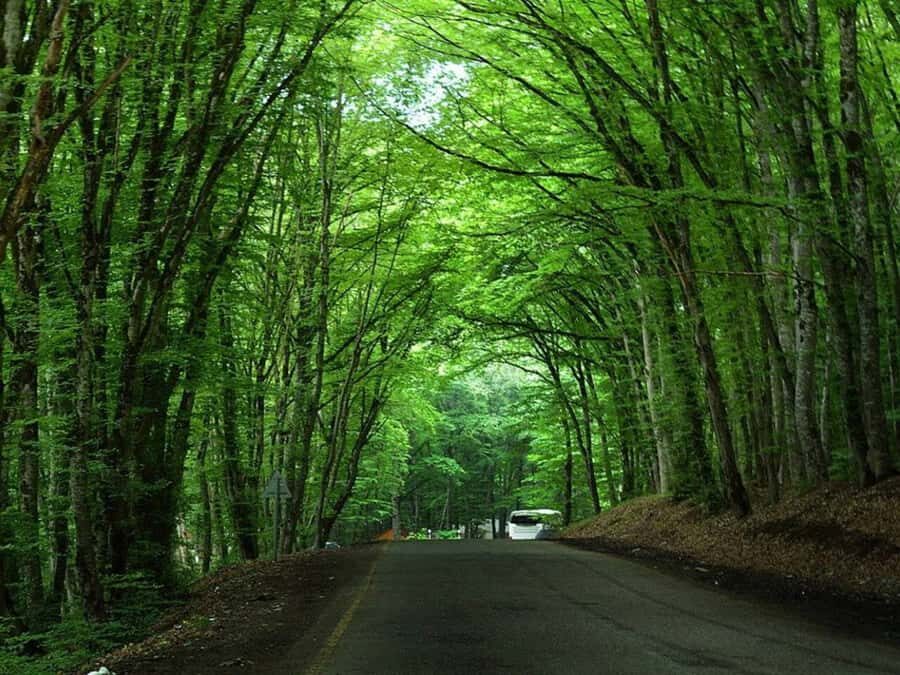
Next comes Gachrash Forest, which is known for its natural life—wildlife and seasonal color are part of the feel here. The tour keeps you moving in a way that’s meant for sightseeing without turning the day into constant uphill effort.
What I like about this stop for you:
A forest break like this is a reset. After mountain viewpoints, it gives your eyes something detailed and close—trees, plant life, and shaded areas. In practical terms, it’s also a good place to slow down, catch your breath, and re-fill your energy.
If you’re visiting in autumn, the forest character changes fast. That’s why your jacket matters here too; shade cools quickly. Bring layers so you can adjust as you move between sun and tree cover.
If you like quiet nature time, this is the part of the day that can feel more personal than the big viewpoint locations. You’re not just checking a box—you’re walking through a living environment.
Masdargah Waterfall: A Small Stop With a Big Payoff
Masdargah Waterfall is described as a 10-meter drop hidden in a green oasis. That “hidden” part is the attraction: you reach it from a route that doesn’t scream waterfall, and then suddenly you’ve got the sound and sight of falling water.
What to expect:
This is usually a shorter stop compared to the longer walks. You’ll have time to see it, grab photos, and take that one breather that helps you keep your stamina for the later climbs and village time.
Practical tip: water features can make the air feel cooler, especially if there’s cloud cover. If you packed for warm weather, you’ll probably feel the change. This is another reason to keep that jacket easy to reach.
If you’re the type who likes waterfalls but doesn’t want a whole day dedicated to them, Masdargah is a good fit. It’s not overlong, and it lands at a moment when you’ll appreciate a change of pace.
Eagle Height (1,726 m): Where Clear Views Reward the Climb
Eagle Height sits at about 1,726 meters and is all about the payoff: panoramic views. This part of the day is where you see the wider region in context, the kind of view you can’t get from the village streets or forest paths.
Why this stop is worth it:
High viewpoints make the rest of your day click. When you look out, you can connect the dots between the canyon, the forest, and the mountain shapes you’ve already seen. It turns your experience into a single story instead of a pile of separate stops.
What you should do:
Take a few minutes before you rush into photos. Scan the horizon first, then come back for your camera shots. It’s an easy way to avoid the classic problem of photos that look great on your phone but don’t really capture the sense of scale.
If the weather is cloudy, don’t panic. You may still get a sweeping view, but it can look softer. The key is to enjoy the walk and the viewpoint moment, not to obsess over perfect visibility.
Khinalug Village: Culture, Mountains, and a Very Old Sense of Place
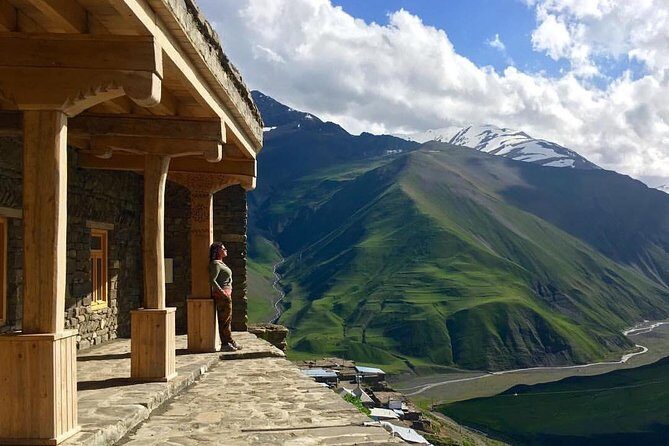
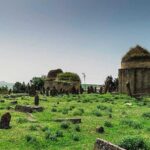
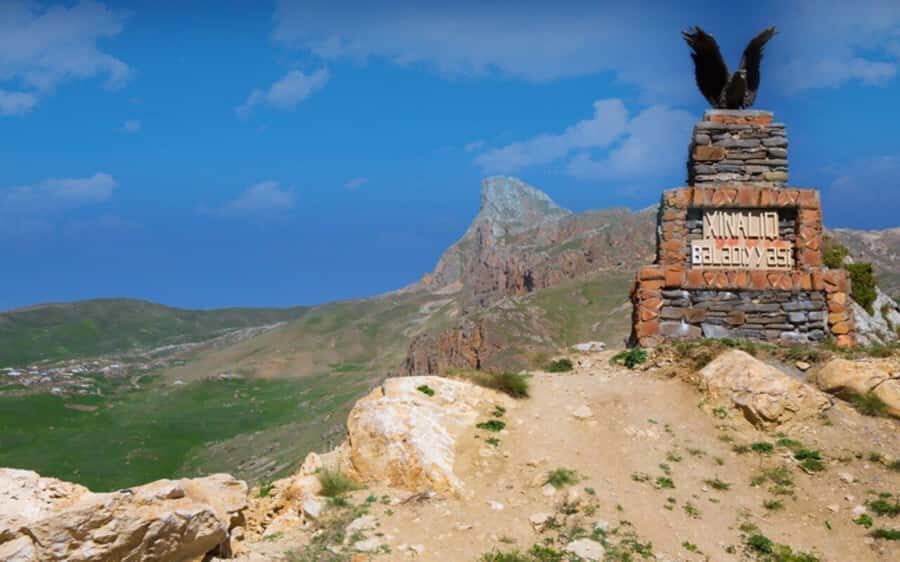
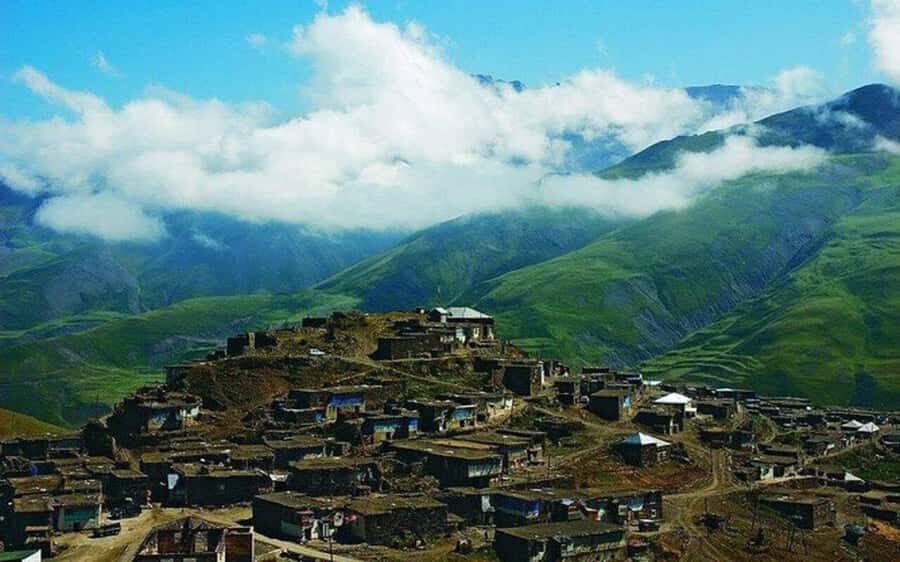
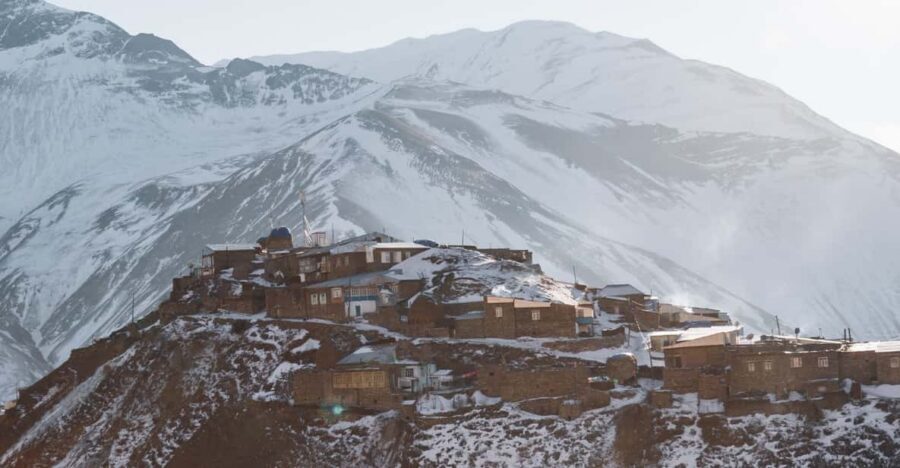
Now for the part people often talk about most: Khinalug Village. This is one of Azerbaijan’s oldest settlements, perched in a dramatic setting around breathtaking mountains.
What makes it special is the contrast. You’ve been in natural stops—mountain, forest, waterfall, viewpoint—then suddenly you’re walking through a human place with its own rhythm. The tour includes time to explore the village, not just pass through.
What to expect:
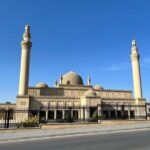
You’ll visit Khinalug Village, then head to the Khinalug Mosque and Museum. The day also includes a chance to enjoy lunch in a traditional house (and lunch is not included in the tour price, so you’ll want to plan for paying for it on-site).
In plain terms, this is the cultural anchor of the day. If you’re hoping for one stop that feels different from the outdoors, this is it. It’s also where you’ll notice that the landscape isn’t just scenery—it’s part of how people live and build community.
If your travel style is “see people doing real things,” you’ll likely enjoy Khinalug more than another generic sightseeing town.
Khinalug Mosque and Museum: What to Watch For During Your Visit
The Khinalug Mosque and Museum are scheduled after your village time, and they’re meant to give you context for what you’re seeing. Even if you’re not a museum person, the value here is that it connects the village setting to its cultural identity.
How to make the most of it:
Go in with a simple goal: figure out what traditions and local knowledge help shape village life in the mountains. That mindset turns a short visit into a more satisfying stop.
Also, don’t treat the mosque visit as only about photos. Treat it as a moment to slow down and read the space around you—how it sits, how it’s used, and how the museum information helps you understand the area.
When guides have enthusiasm (people specifically mention Ruzi and Russel for their approach), it often makes these indoor/outdoor culture stops feel more alive. It’s one thing to see buildings; it’s another to understand why they matter.
Lunch in a Traditional House: Budget for It, and Make It Count
Lunch is described as local and traditional, served in a house setting. The important detail for your planning: lunch is not included in the $38 price.
That can sound like a drawback, but it’s also normal for tours like this. The value is that you get a chance to try local food in the village atmosphere rather than being stuck with a prepackaged snack in a parking lot.
How to handle the decision:
If you’re trying to keep your total cost down, you can still eat light and focus on the experience. If you want the full payoff, choose the meal option your guide suggests and treat it as part of the cultural visit—not just fuel.
Either way, lunch time is also a timing reset. It’s when you’ll feel the rhythm of the day most clearly: morning outdoors, midday village culture, then more nature time afterward.
Qudyalchay Canyon: Big Rocks, Clear Streams, and a Proper Walk
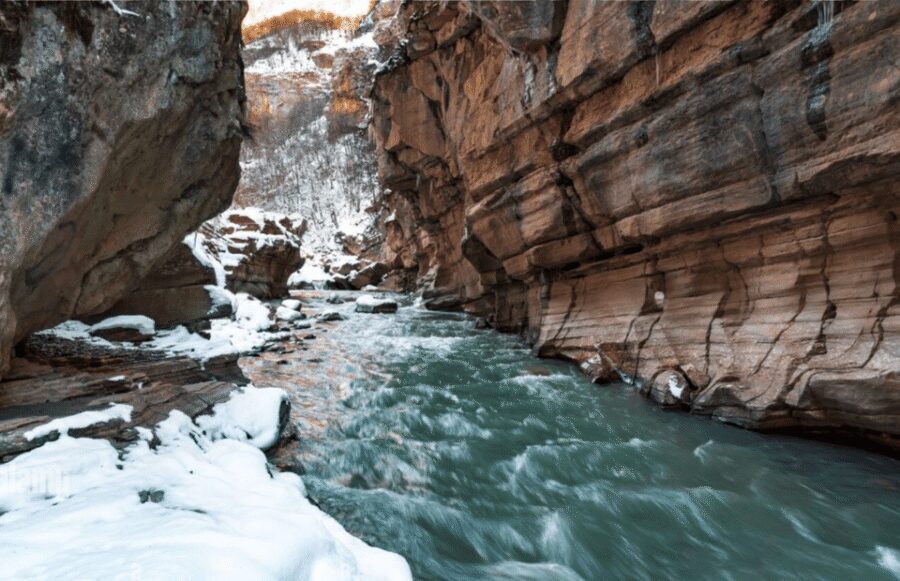
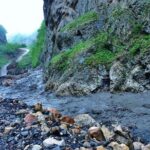
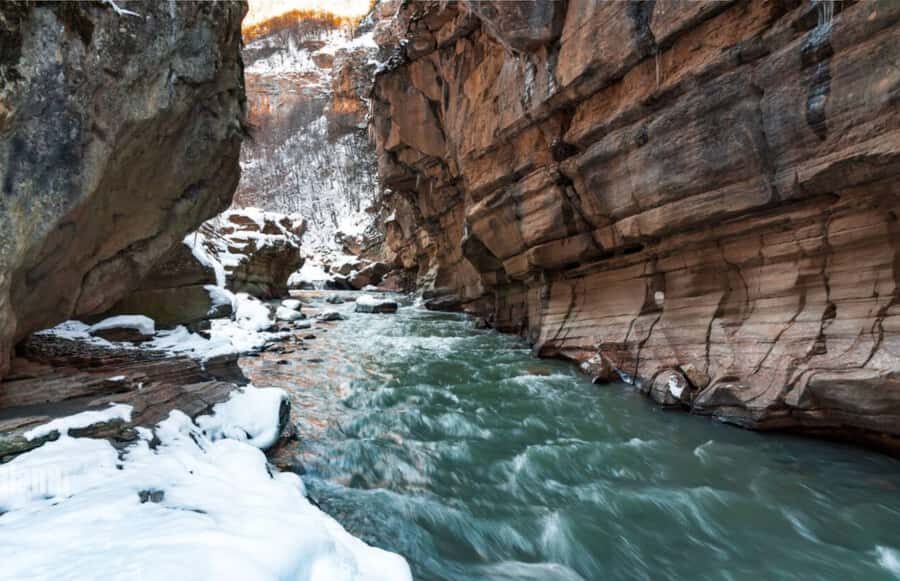
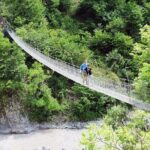
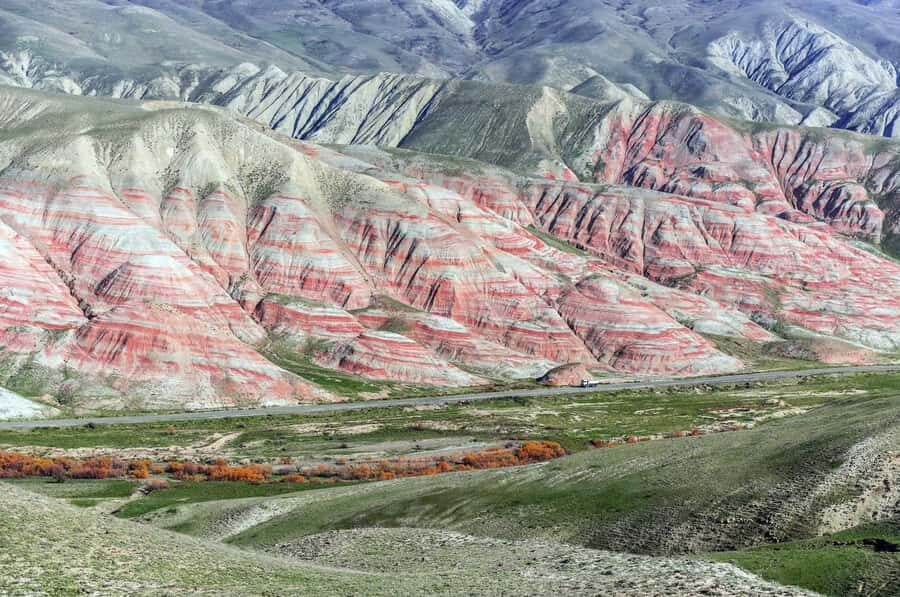
After Khinalug, the tour heads to Qudyalchay Canyon. This is the final big nature moment, described with clear streams, big rocks, and lots of green plants.
What to expect:
You’ll spend time exploring and hiking in a canyon setting. It’s the kind of walk where your eyes keep finding details—water movement, rock textures, and pockets of plants along the path.
This stop is especially good if you like “active sightseeing.” You’re not just standing at one viewpoint. You get to move through terrain that feels natural and un-staged.
Practical advice:
Wear shoes you trust. Canyon areas can have uneven ground, and footing matters when you’re stepping around rocks. Bring water if you’re the type who gets thirsty easily, and keep your jacket handy if the canyon air feels cooler than you expect.
If the earlier viewpoints were a bit cloudy, canyon walking can still deliver. It’s less about distant visibility and more about what’s right under your feet.
Photography Service: How to Use It Without Waiting on Everyone
Photography service is included, which is one less thing to worry about. That means you can ask for group shots, couple photos, or a few “standing where the view makes sense” images without turning the day into a self-timer production.
Here’s how to get the best results:
Before each stop, get oriented quickly. When you’re ready, be clear about what you want: wide view, a close-up, or both. Guides often do a good job keeping the flow, but you still help by being decisive.
Also, if you’re traveling with friends, ask who wants what at the start of the day. That prevents the last-minute scramble to everyone posing at once.
If you’re someone who hates missing shots because you were busy reading the guide’s directions, this included photo help can genuinely improve the experience.
Price, the 20 AZN Off-Road Fee, and Real Value
The tour price is $38 per person, and that includes pickup from your hotel, transportation, a tour guide, drop-off to your hotel, and photography service.
What that means in real-life value:
You’re paying for the hard parts—driving, logistics across multiple areas, and guided interpretation. On a route like this, self-planning often turns into complicated day math: transport costs, ticketing, and figuring out where to park and when to eat.
But there are two cost items you should plan for:
Lunch is not included, and there is a mandatory 20 AZN off-road car charge to pass Khinalug Village. That fee is required, so budget for it rather than treating it as optional.
If you add those up, the total cost becomes more than the headline $38. Still, the package can remain good value because you’re getting a full day structure with guidance and photo support.
My take: if you want the culture stop at Khinalug Village and you also want a canyon walk, this price works, especially if you’d otherwise spend money and time coordinating transport.
Weather Planning: Jackets, Timing, and Calm Expectations
This region can shift quickly, and the tour specifically advises bringing a jacket. Do it. Even if mornings feel mild, mountain air and shaded forest areas can make you cold faster than you expect.
Build your expectations like this:
- You’re choosing a day trip that blends outdoors and culture.
- Views are part of the fun, but weather can change how dramatic they look.
- The best moments are often still enjoyable even when the sky isn’t perfect—like village time and canyon walking.
If the day turns cooler, you’ll still have a great time as long as you’re comfortable moving. Your jacket is the small purchase that prevents the day from feeling like a struggle.
Who This Guba–Khinalig Tour Suits Best
This tour is a strong fit if you want a packed day without the stress of driving. It works especially well for people who:
- love mountain scenery but don’t want to research each viewpoint separately
- want a culture stop that’s tied to where people live, not just a monument
- enjoy a guided day with clear timing and energetic storytelling
- like active sightseeing, especially the canyon walk
It may feel less perfect if you’re extremely focused on one specific scenic look and have zero flexibility about weather. Like many mountain-area trips, some big-view moments depend on conditions.
Also, if your group is picky about meals, plan for lunch costs in advance. The day gives you chances to eat, but it doesn’t include lunch in the base price.
Should You Book This Guba–Khinalig Day Trip?
I’d book it if you want a guided, well-paced day that mixes nature hikes with real village culture. The strongest selling points are the guide energy (people mention Ruzi and Russel, plus guides who are funny and keep time tight), the Khinalug Mosque and Museum culture stop, and the final payoff of Qudyalchay Canyon walking.
I’d think twice only if you’re trying to keep your budget ultra-tight and you hate any extra mandatory fees. The 20 AZN off-road charge and lunch not being included mean you should plan beyond the $38 headline.
If you’re comfortable with that and you bring a jacket, this is the kind of day trip that gives you a full story—mountains, forest, waterfall, village heritage, and a canyon walk—all without having to organize a thing yourself.
FAQ
What is the starting point for this tour?
Hotel pickup in Guba is included.
How much does the tour cost?
The price is $38 per person.
Is lunch included?
No, lunch is not included.
Is there an extra mandatory fee?
Yes. There is a mandatory 20 AZN off-road car charge to pass Khinalug Village.
Does the tour include a guide and transportation?
Yes. You get a tour guide, transportation, and hotel drop-off.
Is photography included?
Yes. Photography service is included.
What languages is the tour offered in?
English, Russian, Urdu, Turkish, Spanish, and Italian.
Should I bring a jacket?
Yes. The tour advises you can take a jacket because weather changes.
What’s the cancellation and payment flexibility?
You can reserve & pay later (book now and pay nothing today). You can cancel up to 24 hours in advance for a full refund.